
Georgian Silver Plate
Georgian silver plate brings substantial weight and bright formal polish to the table without requiring solid bullion.
Identifying Georgian Silver Plate
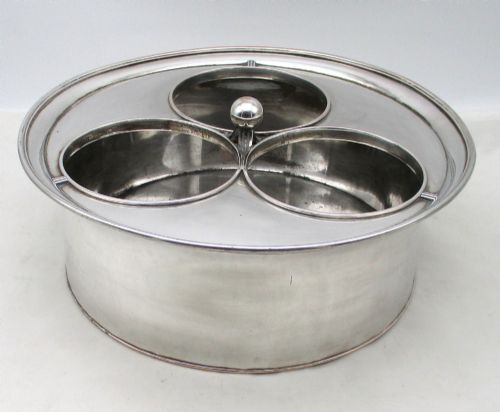
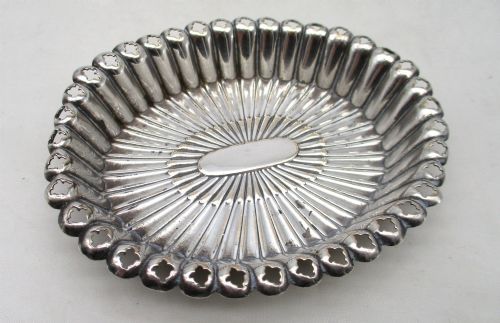
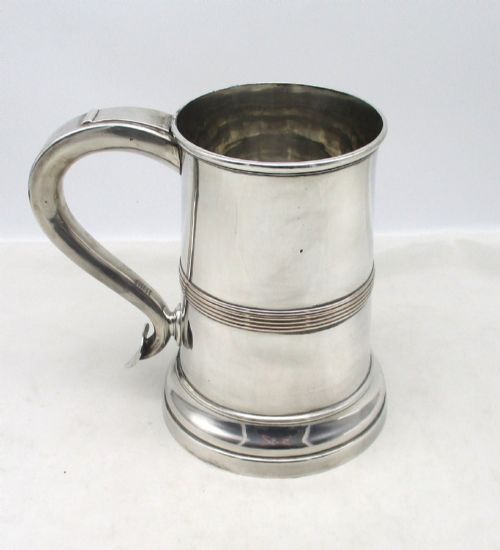
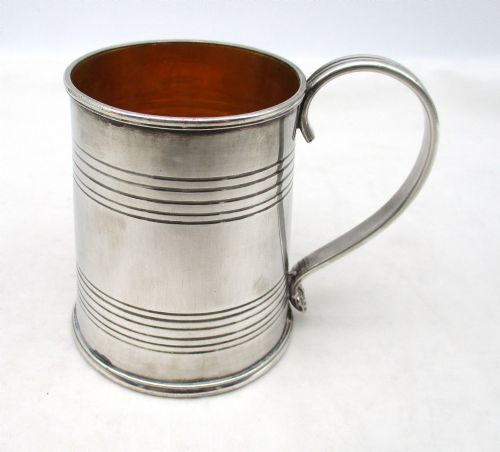
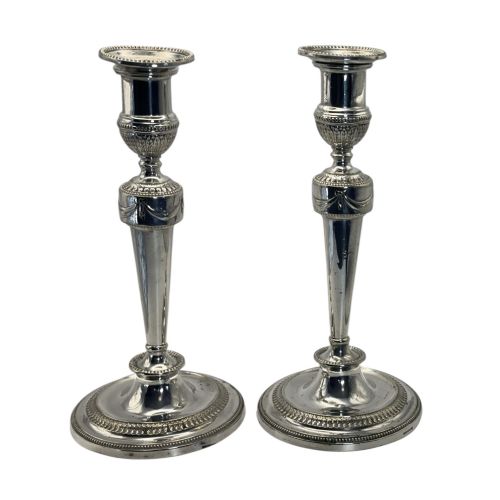
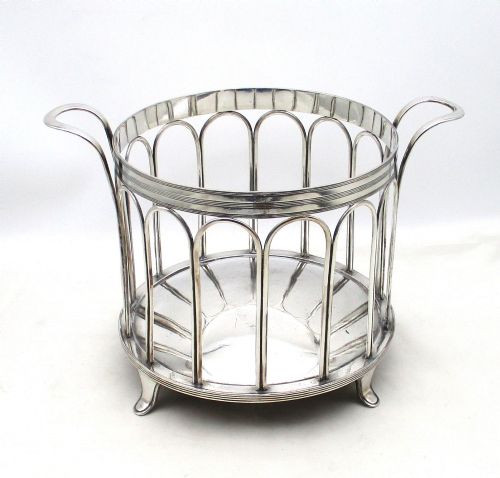
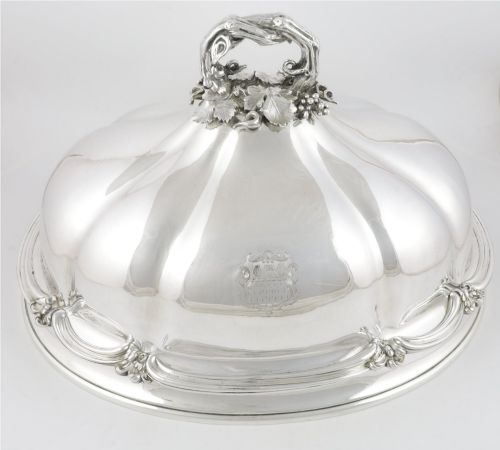
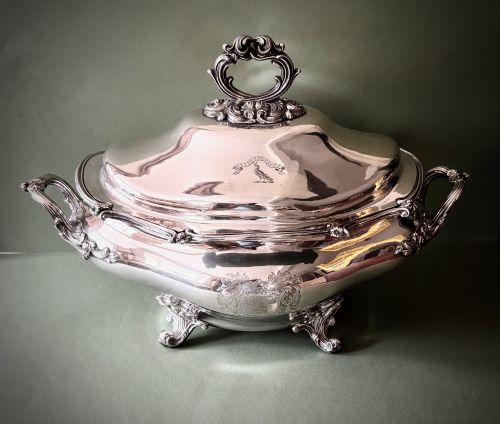
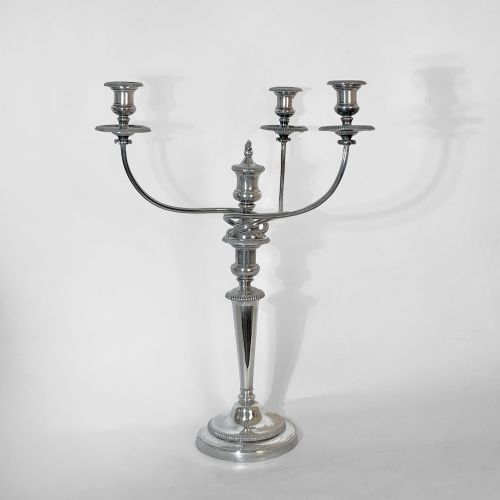
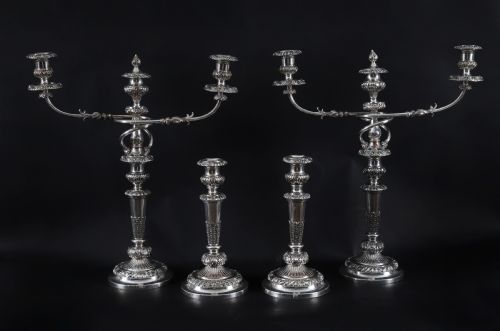
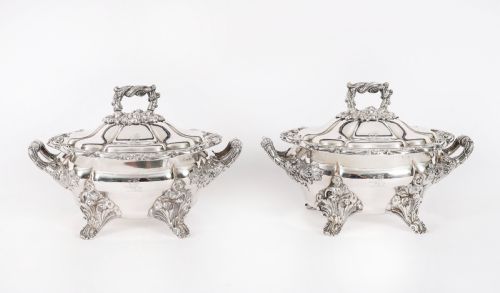
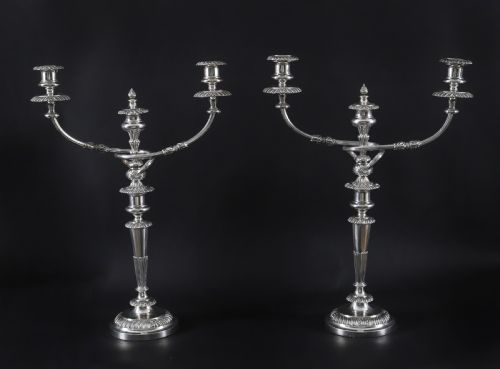
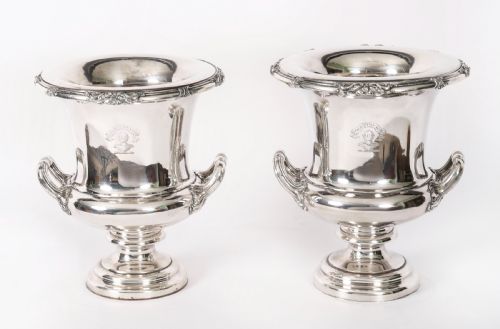
When you search for georgian silver plate, you are looking at functional dining accessories, tableware and lighting produced during the eighteenth and nineteenth centuries, alongside later revivals. The objects on this page range from wine coolers and dinner plates to candlesticks, tankards and gravy warmers.
The heaviest concentration of pieces dates from the eighteenth century through to the early nineteenth century, capturing the George III period and the Regency era. You will also encounter later nineteenth-century manufacturing and twentieth-century Georgian revival pieces that imitate these classic forms.
Materials and Construction
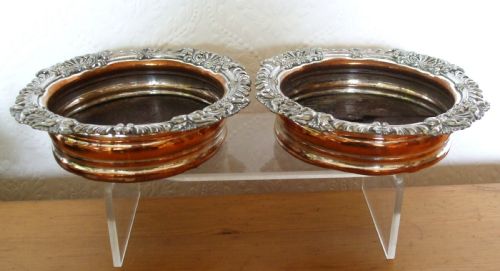
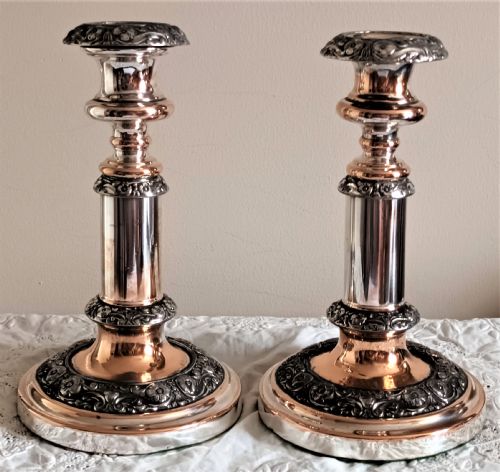
The earliest material recorded in these listings is Old Sheffield plate, which involves fusing a thin layer of silver to a thicker copper core by heat and pressure. This technique creates a durable sandwich of metal where the underlying copper occasionally shows through the wear of generations.
Makers also utilised silver plate over base metal, alongside Sheffield plate, copper, cane handles and cut glass inserts. Pieces range from simple wirework baskets and lidded tankards to telescopic candlesticks and elaborate wine coolers.
Retail Price Guide 2026
Typical UK retail prices for georgian silver plate, calculated from the Sellingantiques database of over a million retail prices indexed since 2003. This retail price guide relies exclusively on Sellingantiques data; no external sources or auction records are used, so the figures do not describe the wider market.
Object forms span practical dining items including wine coolers, gravy warmers, inkstands, tea services and candle snuffers.
Evaluating Quality and Detail
Quality separates through the crispness of chased and cast ornament, the structural integrity of joints, and the survival of the original silver layer over the copper base. Finer examples retain their deep relief and crisp hallmarks or maker stamps.
The integration of secondary materials like cut glass liners, agate handles and cane work dictates the division between standard utility items and high-end display pieces.
Matthew Boulton·Mappin and Webb
The Georgian Silver Plate Glossary
- Old Sheffield Plate
- A composite material formed by fusing silver to a copper ingot, developed in the eighteenth century before electroplating. This technique produces a characteristic warm glow as the silver layer wears thin over the base metal.
- Argyll
- A cylindrical vessel used for keeping gravy warm at the table, usually featuring an internal core for hot water. These pieces ensure sauces remain fluid throughout long meals.
- Wine Cooler
- A deep vessel designed to chill bottles at the table, often rendered in heavy silver plate with decorative handles. They form some of the most substantial metalwork from the period.
- Tankard
- A tall drinking vessel with a single handle and often a hinged lid, constructed in plated metal. They provide a sturdy form for holding beverages.
- Tea Urn
- A large heated vessel used for dispensing hot water during formal tea service, standing on a supportive base with a spigot. These serve as striking focal points on sideboards.
Frequently Asked Questions
What is Old Sheffield plate?
Old Sheffield plate is an early form of plating created by fusing a sheet of silver onto a copper base using heat and mechanical pressure. This differs fundamentally from later nineteenth-century electroplating methods.
The resulting metal has a distinctive quality where the copper beneath may show through edges and high points after centuries of cleaning.
How do I date these pieces?
Dating relies on stylistic shifts from the neoclassical restraint of the George III period to the bolder forms of the Regency era and later twentieth-century revivals. Construction methods also provide clues, as older pieces often utilise fused copper plates rather than later electroplate.
Maker marks, where present, help narrow down the decade of production alongside documentary evidence from archives.
How were gravy warmers used?
Gravy warmers, or argylls, were filled with hot water through an internal compartment to keep gravies and sauces from congealing during long dining sessions. They sat directly on the dining table alongside meat serving dishes.
This practical design solved the common challenge of food cooling down before guests finished their meals.
Are telescopic candlesticks adjustable?
Telescopic candlesticks feature sliding shafts that allow the height of the light source to be adjusted up or down. This mechanical function offered flexibility for different table settings and lighting requirements.
Care must be taken when operating the mechanism to avoid damaging the internal sliding tubes.