
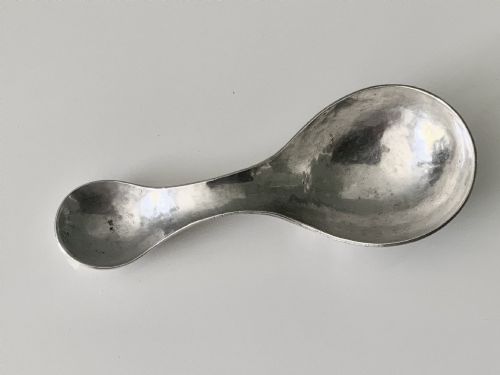
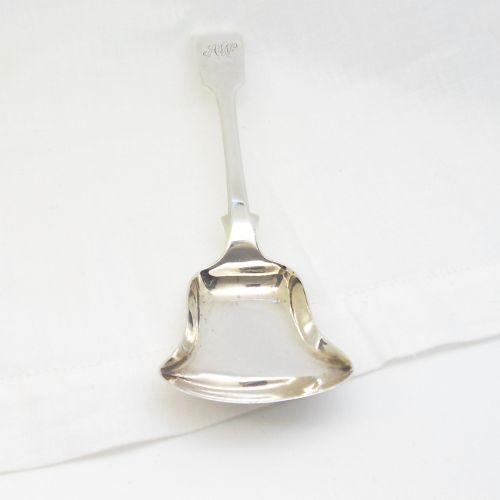
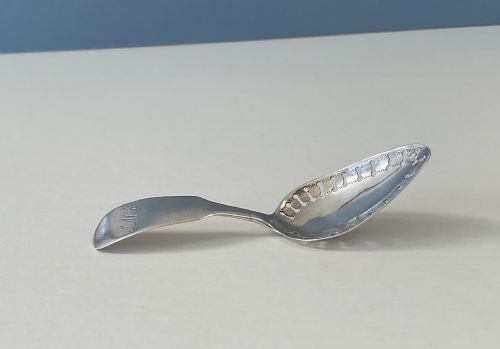


Georgian Silver Caddy Spoon
A georgian silver caddy spoon is a small, purpose-made scoop designed for measuring loose tea from a caddy into a pot.
Georgian Silver Caddy Spoon
Most examples originate from the Georgian period, alongside related pieces spanning the 18th Century, 19th Century, Victorian, Edwardian, and Regency eras. Makers from regional centres such as Scotland, Ireland, Newcastle, and Glasgow produced notable provincial variations alongside the main output of London and Birmingham.
How They Were Made
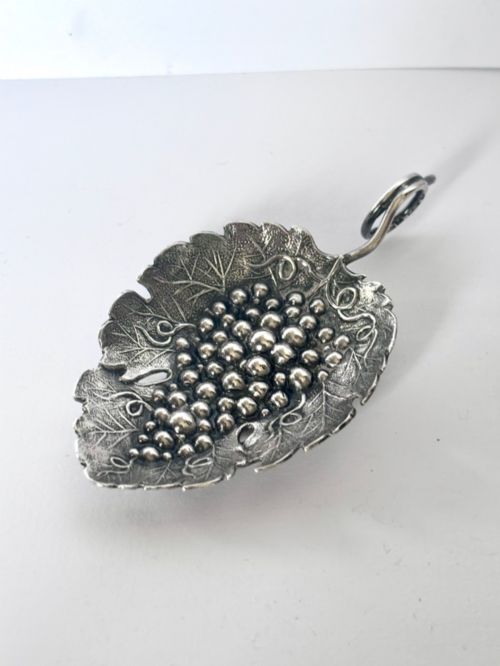
Silversmiths constructed these spoons primarily from sterling silver, solid silver, and silver-gilt, sometimes applying parcel-gilt finishes to the interior bowls. Techniques involved hand-engraving, brightcut detailing, and casting specific figural or botanical shapes like leaves and acorns.
Many items bear hallmarks stamped directly into the metal to indicate the assay office, date, and maker's mark. Double struck patterns and chased details added texture and decoration to both the handles and the shallow bowls.
Georgian Silver Caddy Spoon Retail Price Guide 2026
Typical asking prices for georgian silver caddy spoon among the pieces listed under this phrase on Sellingantiques today, from the lower quarter to the upper quarter. They describe what is for sale here now, not the wider market.
Listings feature sterling silver and silver-gilt pieces spanning the Georgian, Regency, Victorian, and Edwardian periods.
What Varies in Quality
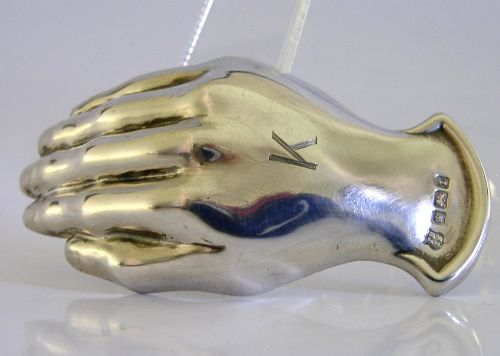
The distinction between standard examples and superior pieces rests largely on the imagination of the silversmith's design. Novelty shapes such as jockey caps, hands, and detailed vine leaves command greater interest than plain shovel bowls.
Crispness of the engraving and the preservation of brightcut patterns determine the visual strength of a piece. The presence of clear, legible hallmarks and partial gilding also elevates the standing of an individual spoon.
Joseph Willmore·John Walton·George Wintle·Joseph Taylor·Elizabeth Morley·Robert Rutland
The Georgian Silver Caddy Spoon Glossary
- Brightcut
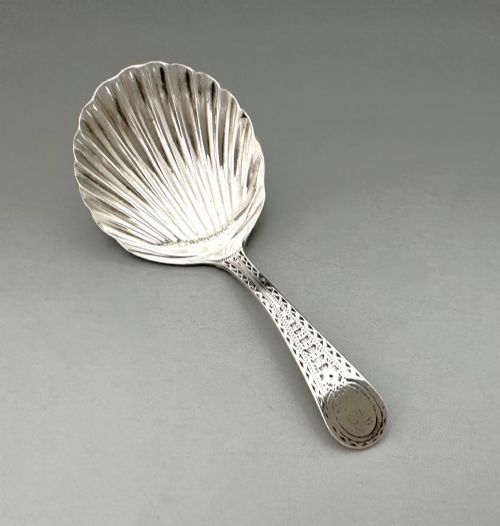
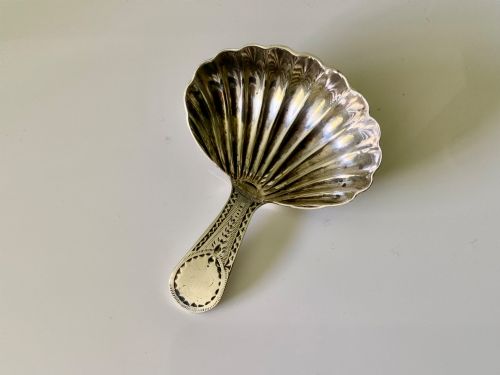
- A form of engraving using faceted cuts to create a sparkling, geometric pattern on the silver surface. It appears frequently on handles from the late eighteenth century.
- Silver-gilt
- Silver that has been coated with a thin layer of gold on its surface. This technique protected the metal from tea staining and added a rich inner glow to the bowl.
- Hallmark
- A series of official stamps punched into precious metal to guarantee its standard of purity. These marks typically show the maker, assay office, and year of production.
- Parcel-gilt
- Partial gilding applied only to specific areas of an object, such as the interior of the spoon bowl while the handle remains plain silver.
- Double struck
- A die-stamping method where the pattern is impressed twice to ensure deep, sharp relief on both sides of the handle or bowl.
Georgian Silver Caddy Spoon: Frequently Asked Questions
How were caddy spoons used?
These small spoons measured loose tea leaves from a storage caddy directly into a teapot. Their short handles allowed them to sit conveniently inside or beside the tea container.
Wealthy households kept them alongside their tea equipage as functional dining accessories. Their designs often matched the social occasion of tea preparation.
What shapes do these spoons take?
Makers shaped these pieces into naturalistic forms like vine leaves, acorns, and hands, alongside traditional shell and shovel bowls. Novelty items like jockey caps also appear among the surviving examples.
Each shape reflected the decorative tastes of its period, moving from simple utility to whimsical ornamentation.
How do I date an antique caddy spoon?
The primary method for dating a piece involves reading the stamped hallmarks on the silver. These marks reveal the specific assay office and year letter assigned by the guild.
Stylistic indicators such as brightcut engraving or naturalistic leaf forms also help narrow down the period of manufacture when hallmarks are worn.
Are regional provincial pieces different?
Provincial spoons produced in Scotland, Ireland, or northern English towns often display distinctive regional hallmarks and local stylistic traits. These variations set them apart from standard London or Birmingham output.
Collectors frequently seek out these provincial pieces for their relative scarcity and local historical interest.