

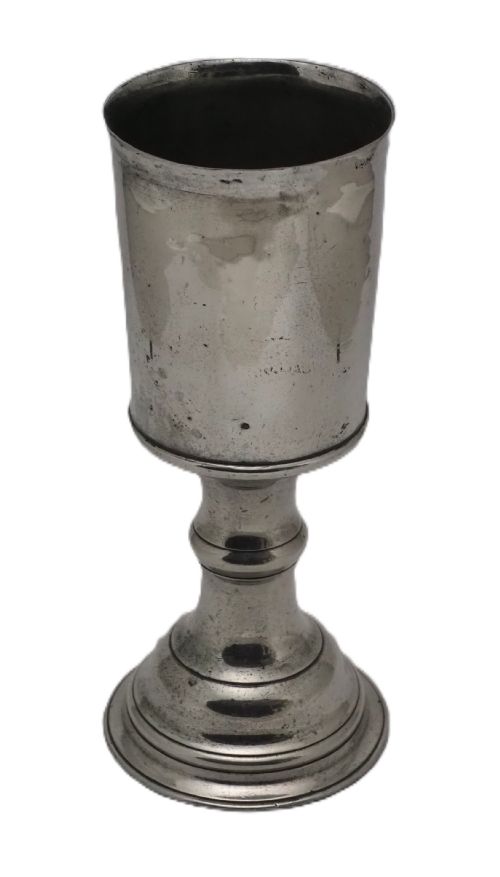


Georgian Silver Beaker
A georgian silver beaker is a tactile drinking vessel of historical character, sought after by collectors for its fine metalwork and domestic utility.
Georgian Silver Beaker
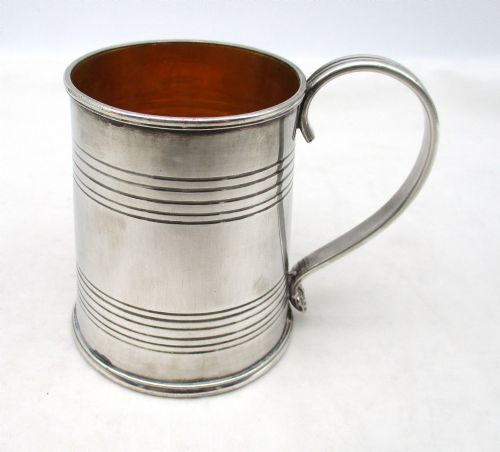
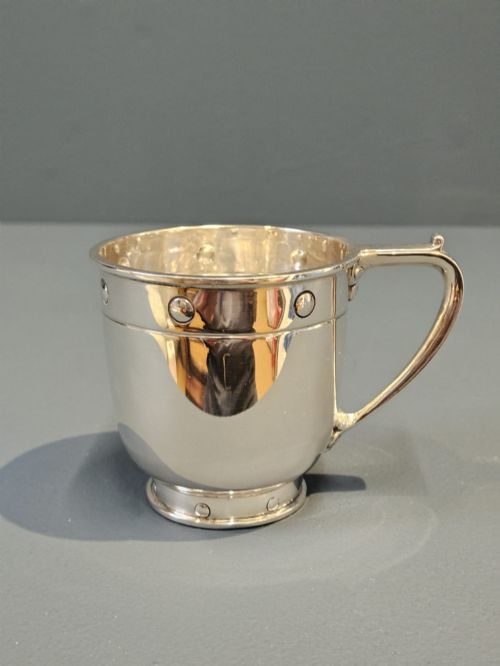
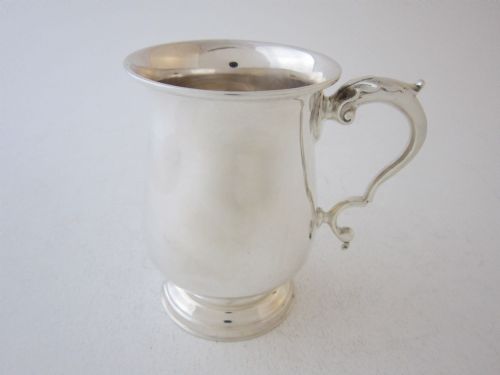
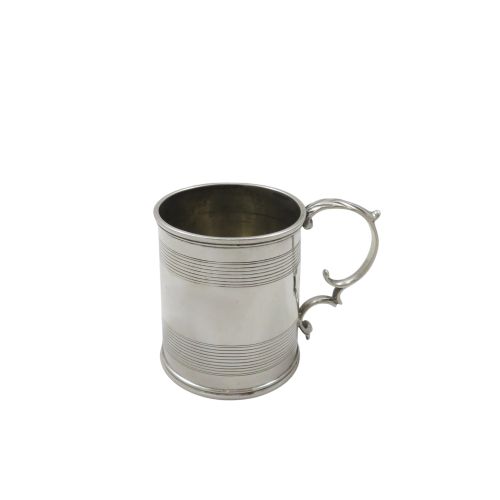
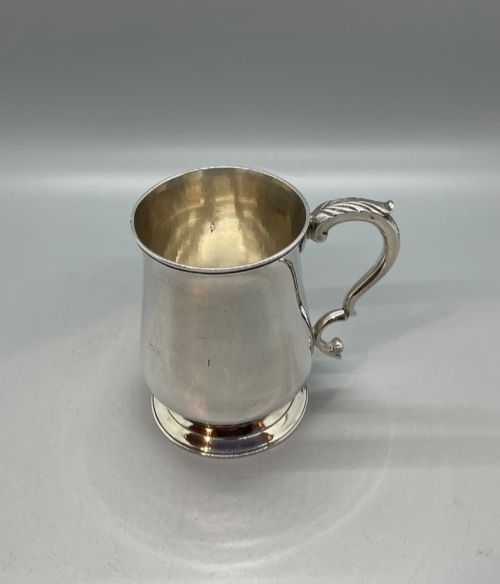
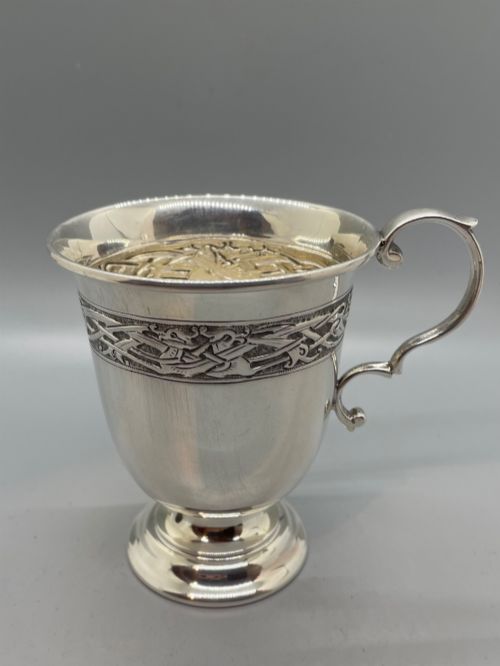
When you search for a georgian silver beaker, you encounter an array of drinking vessels, christening mugs, and tankards produced across the eighteenth and nineteenth centuries. The pieces on this page span the Georgian era alongside related examples in silver-gilt, pewter, horn, and Old Sheffield Plate.
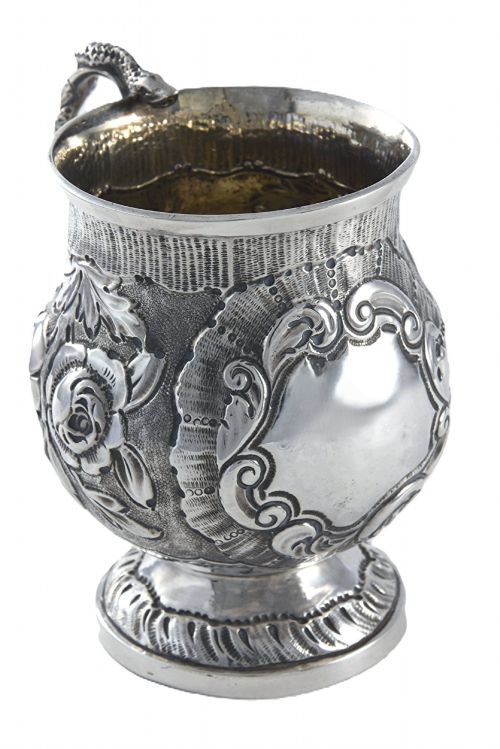
Domestic forms vary from straight-sided drinking vessels to baluster mugs featuring scroll handles and engraved landscape or floral motifs. Alongside solid sterling silver, you find Old Sheffield Plate and horn vessels mounted in copper and silver.
Makers and assay offices across London, Birmingham, and Ireland left hallmarks that anchor these objects in specific decades, such as the seventeen-nineties or the reign of George III.
Materials and construction
Silversmiths constructed these vessels primarily from sterling silver or Britannia standard silver, often employing hammering, raising, and soldering techniques to shape the metal bodies. Parcel-gilt interiors and gold gilt finishes added decorative contrast and protected the silver from acidic contents.
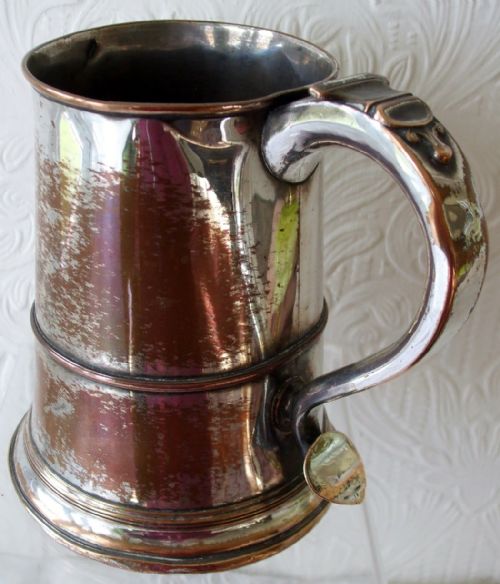
Alternative materials include Old Sheffield Plate, which fuses a thin layer of silver onto a copper base, alongside horn vessels fitted with silver rims and bases. Surface decoration relies on hand engraving, floral chasing, and embossed landscape scenes.
Assay marks on these pieces connect them to major historical workshops in London and Birmingham, alongside provincial Irish silver.
Distinguishing fineness and execution
Quality in these drinking vessels rests upon the crispness of the hand engraving, the symmetry of the baluster or straight-sided form, and the preservation of original hallmarks. Pieces featuring detailed floral chasing or embossed architectural scenes demonstrate superior craftsmanship.
The integrity of the metal, whether solid sterling silver or well-maintained Old Sheffield Plate with minimal copper bleed, determines the lasting appeal of the vessel. Maker marks from established silversmiths further elevate the standing of a piece.
Barker Bros·William Bateman·Thomas Sutton·Peter and Ann Bateman·John Robins
The Georgian Silver Beaker Glossary
- Baluster
- A vertical architectural form with a swelling lower portion that tapers upward, frequently seen on drinking mugs and tankards. This curved profile provides a comfortable grip in the hand.
- Old Sheffield Plate
- An early composite material made by fusing a thin sheet of sterling silver to a thicker copper core. It allowed makers to produce domestic silver items at a more accessible cost.
- Parcel-gilt
- A decorative treatment where specific areas of an object, usually the interior of a beaker or cup, are coated in gold while the exterior remains silver. This technique highlights the contrast between the two precious metals.
- Hallmark
- An official stamp or series of marks applied to precious metals indicating the standard of purity, the assay office, and the year of production. These marks provide historical certainty for antique silver.
- Chasing
- A metalworking technique where the smith pushes the metal from the front using punches and hammers to create raised decorative patterns. It differs from engraving, which removes metal from the surface.
Georgian Silver Beaker: Frequently Asked Questions
What is a georgian silver beaker used for?
These vessels served as everyday drinking cups for wine, water, or spirits in domestic settings during the eighteenth and nineteenth centuries. Today, collectors utilise them as cabinet display pieces, desk pen pots, or modern barware.
Their robust construction and historical charm make them well-suited for continued daily use or decorative curation within a home.
How do I identify a Georgian piece?
Identification relies on reading the stamped hallmarks, which typically include a maker's mark, a purity standard mark, a town mark, and a date letter. Stylistic indicators such as Rococo scroll handles or neo-Classical chasing also point to the period.
Consulting assay office records allows you to match the date letter to the exact year of manufacture.
What is Old Sheffield Plate?
Old Sheffield Plate is a fused composite material consisting of a thin layer of silver applied to a base of copper. It predates modern electroplating and was widely used for tankards and mugs.
Under magnification, you may notice tiny lines of copper visible along the edges where the two metals meet.
How should I clean antique silver?
Cleaning requires a soft microfibre cloth and a mild silver polish formulated specifically for antiques to preserve the surface finish. Avoid harsh abrasive cleaners that can wear away thin silver layers or crisp engraving.
Regular, gentle dusting is often sufficient to maintain the natural lustre of older metalwork.