




Georgian Sewing Box
A georgian sewing box brings tactile elegance to a desk, offering intricate compartments and timeless craftsmanship for storing precious needlework tools.
Identifying a georgian sewing box
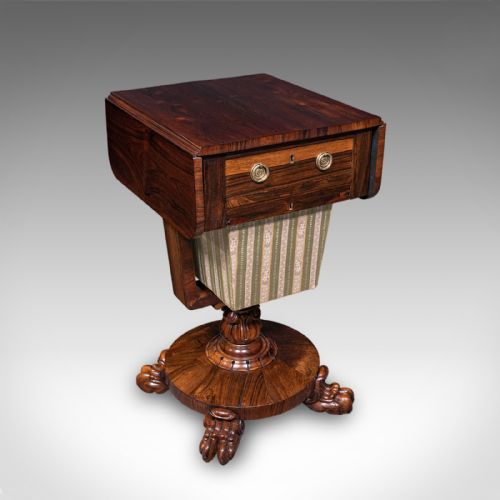
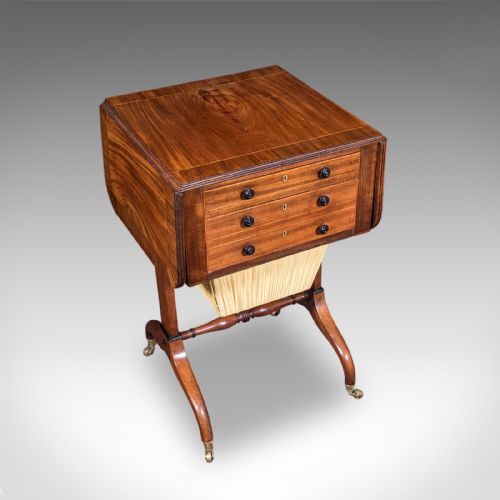
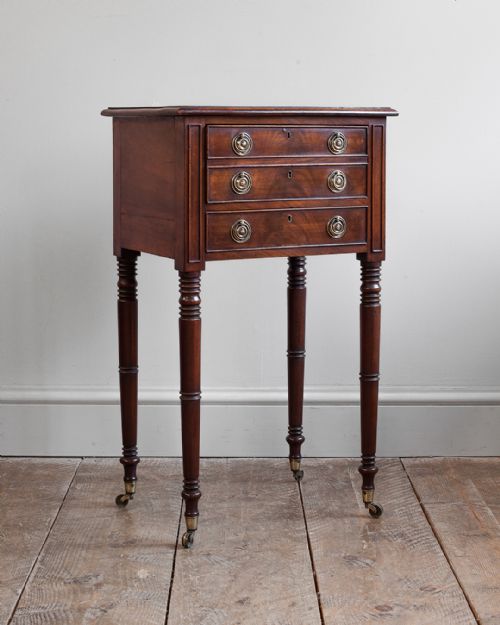
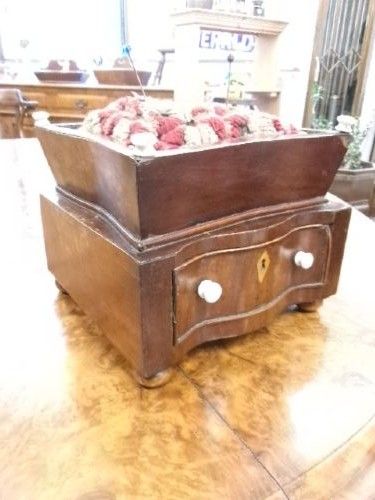
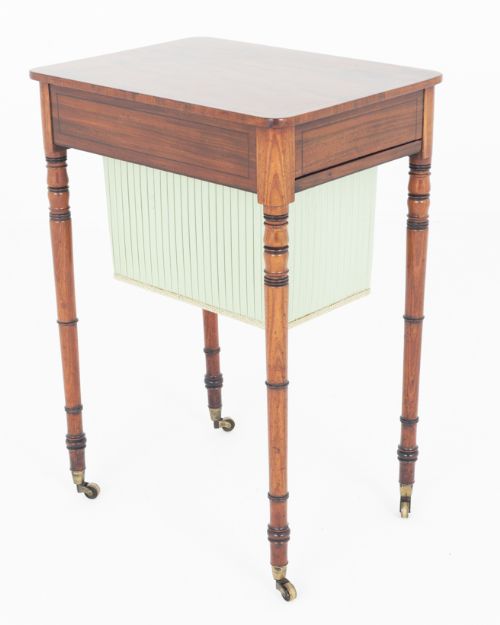
A georgian sewing box encompasses compact tabletop workboxes, sarcophagus forms, and elaborate sewing tables designed for domestic needlecraft. These pieces originate predominantly from the Georgian, Regency, and early 19th-century periods, showcasing varied regional woodworking traditions.
Buyers encounter numerous variations, including mahogany workboxes, rosewood sarcophagus boxes, and inlaid burl yew or harewood containers. Many examples incorporate specialised compartments for cotton reels, pin cushions, and gold-fitted sewing tools.
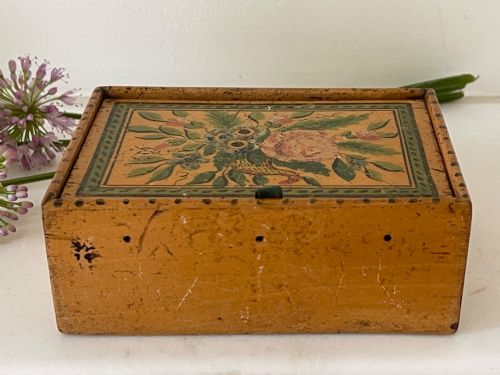
Certain specimens feature Tunbridge Ware decoration, painted lacquer, or mother-of-pearl inlay, reflecting the decorative tastes of the era. The form bridges functional utility and refined ornamentation, serving both needlewomen and decorative collectors.
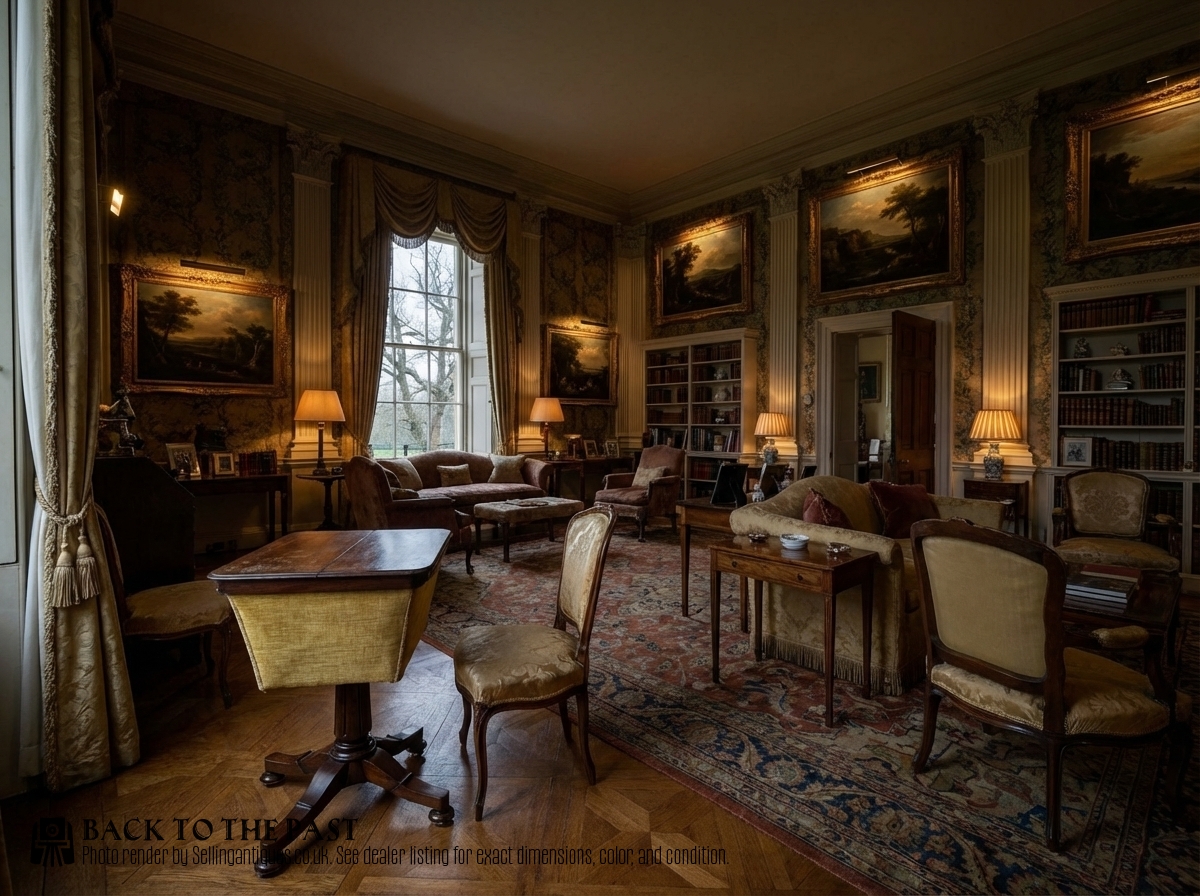
Distinctions in craftsmanship
Quality rests upon the selection of timber figures, such as flame mahogany or burr yew, and the precision of the exterior veneer work. Superior boxes exhibit seamless mitre joints and well-preserved surface finishes like varnish or polish.
The sophistication of the internal architecture separates standard utilitarian workboxes from elite examples. Boxes retaining original silk linings, gold fittings, and comprehensive suites of internal sewing tools command greater consideration.
Retail Price Guide 2026
Typical UK retail prices for georgian sewing box, calculated from the Sellingantiques database of over a million retail prices indexed since 2003. This retail price guide relies exclusively on Sellingantiques data; no external sources or auction records are used, so the figures do not describe the wider market.
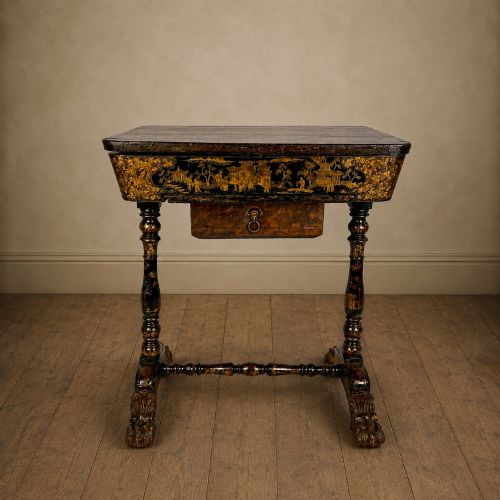
Surviving examples demonstrate diverse decorative techniques including Tunbridge Ware, mother-of-pearl inlay, and painted japanning.
The Georgian Sewing Box Glossary
- Tunbridge Ware
- A form of decorative woodwork characterised by tiny mosaic tiles assembled from different coloured woods to form pictorial or geometric motifs. This technique originated in Kent and frequently adorns small boxes.
- Sarcophagus
- A distinct box shape featuring a domed or sloped lid atop a rectangular or faceted base, reminiscent of classical monumental architecture. This silhouette is common in Regency rosewood and mahogany workboxes.
- Japanned
- European lacquerwork emulating Asian decorative arts through painted and varnished surfaces, often displaying oriental figures or floral scenes. Yellow and dark grounds appear on early 19th-century examples.
- Marquetry
- The art of applying decorative veneer pieces in wood, metal, or shell onto a structural base to create complex patterns. Harewood and satinwood provide contrasting tones in these designs.
- Necessaire
- A small fitted case designed to hold essential toilet or sewing implements, often including gold or mother-of-pearl instruments. These luxurious items reflect high-status personal accessories.
Frequently Asked Questions
What is a georgian sewing box?
A georgian sewing box is a decorative wooden container engineered to hold threads, needles, pins, and tools for domestic handwork.
These pieces range from simple tabletop receptacles to elaborate sarcophagus forms with fitted internal compartments and silk-lined trays.
How were these boxes used?
Gentlewomen used them to organise embroidery, lacemaking, and sewing equipment in the parlour or bedroom.
They kept delicate tools secure and doubled as elegant decorative objects on side tables.
Are original fittings common?
Original internal fittings like pin cushions, thread spools, and gold-mounted tools occasionally survive inside well-preserved examples.
Many boxes, however, have lost their original contents over centuries of subsequent use and repurposing.
How do I identify Regency versus Georgian pieces?
Regency examples often favour exotic timbers like rosewood and incorporate classical motifs such as brass inlay and sarcophagus profiles.
Earlier Georgian pieces frequently utilise mahogany or burl yew with restrained stringing and simpler rectangular proportions.