





Georgian Serpentine Buffet
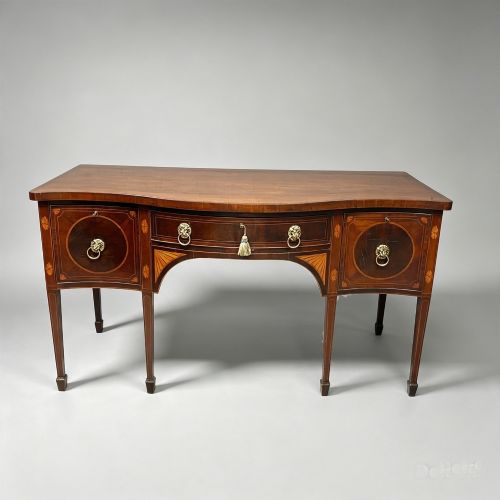
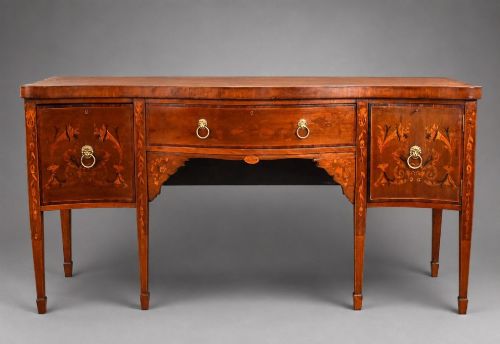
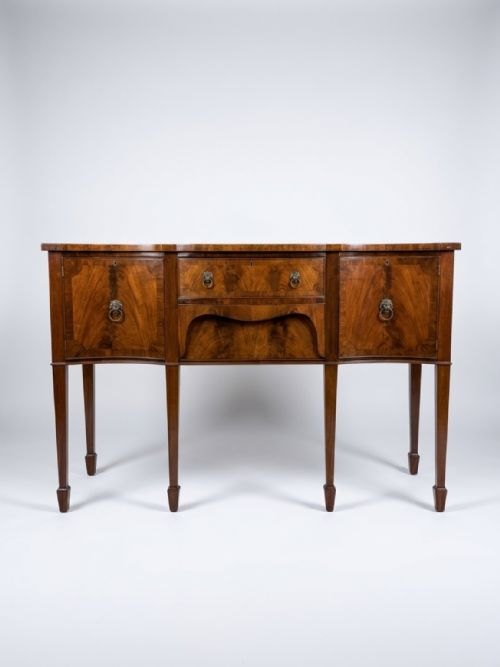
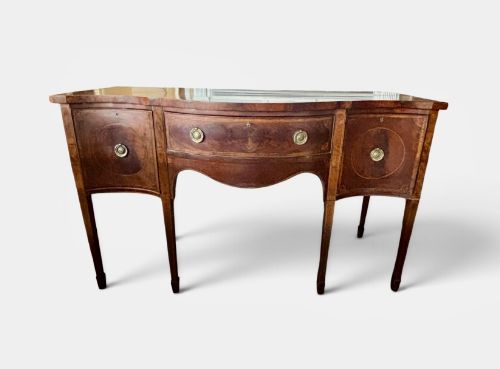
A georgian serpentine buffet offers sweeping curves and fine timber, making it a masterclass in eighteenth-century dining room design.
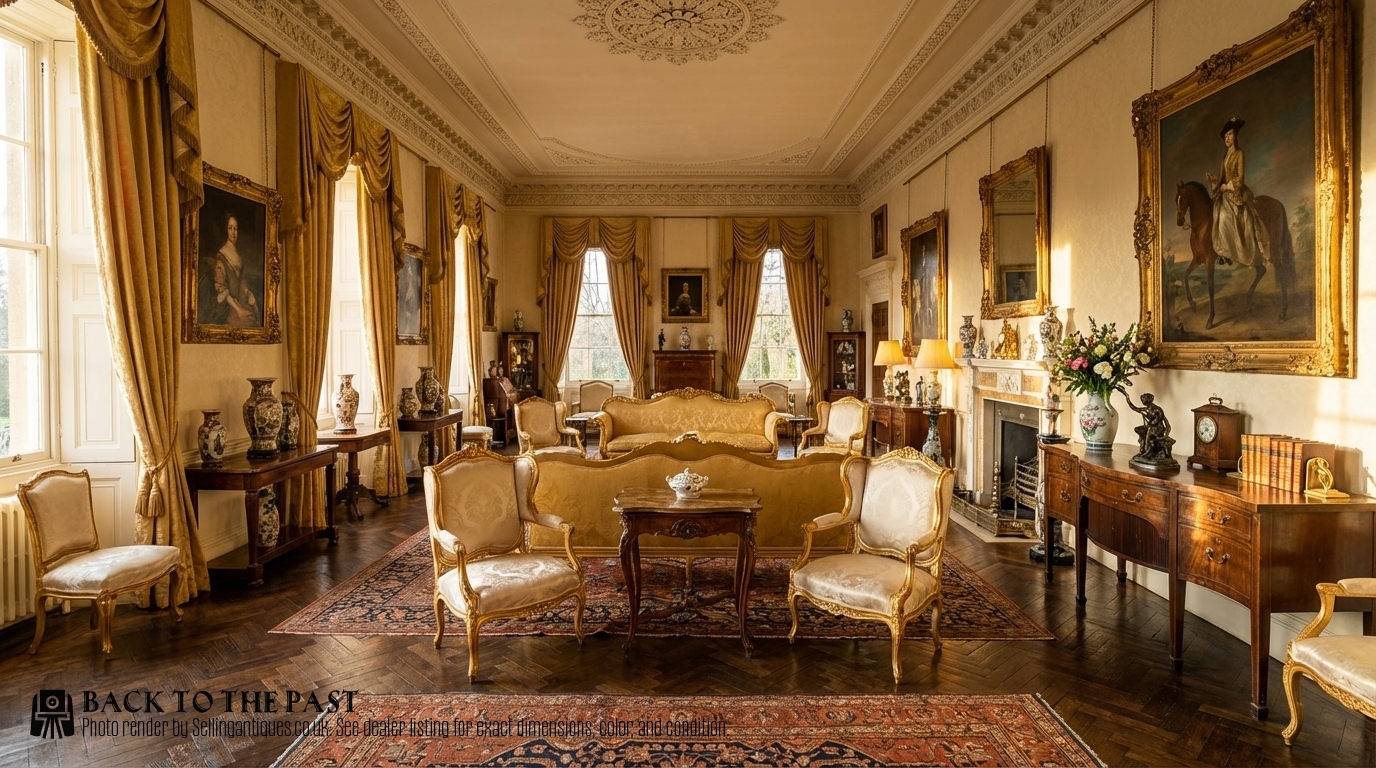
Georgian Serpentine Buffet
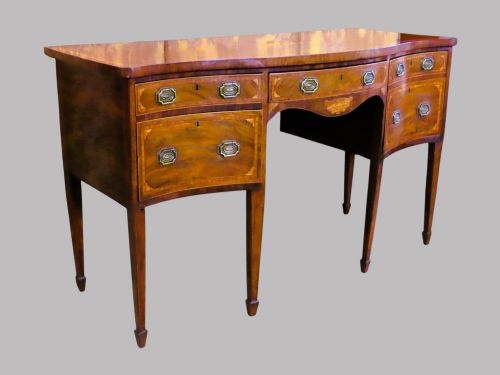
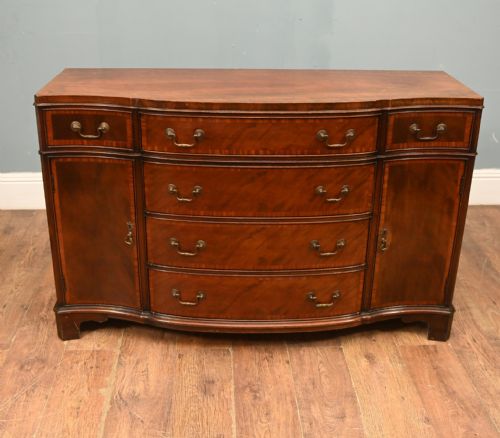
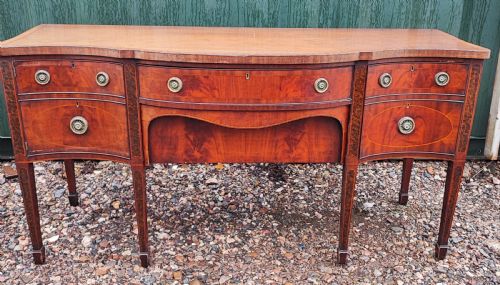
A georgian serpentine buffet presents a distinctive undulating front that sets it apart from standard rectilinear dining room furniture. These pieces primarily date from the eighteenth century, though later revivals from the Edwardian era and the early twentieth century also appear.
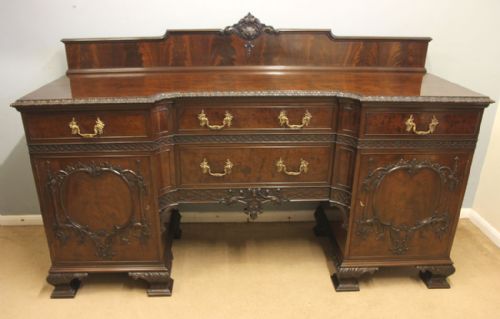
The form functions primarily as a sideboard, server, or serving table, designed to hold dining paraphernalia while adding architectural presence to a room. Buyers frequently encounter genuine period examples alongside later revival interpretations that adopt the same characteristic shape.
Origins stretch across classic British periods, capturing the shift from strict Georgian proportions through to Sheraton Revival and Chippendale style interpretations. The overarching focus remains the curved facade, which softens the heavy timber presence.
Distinction in Craft
Quality rests in the handling of the serpentine curve, where master cabinetmakers maintained crisp lines and seamless joints across undulating surfaces. Lesser examples display rigid geometry or clumsy joins that interrupt the fluid rhythm of the facade.
The choice and execution of timber figure dictate the visual hierarchy, with richly patterned flame mahogany and precise inlay work marking out the superior items. Secondary woods and the crispness of edge carving further separate standard utility pieces from high-status dining room furniture.
Some sideboards harbour deep cellarer drawers designed specifically to keep wine bottles cool against the floorboards.
Gillow
The Georgian Serpentine Buffet Glossary
- Serpentine
- A front contour characterised by a convex centre flanked by concave curves, creating an undulating wave effect. This shape demands high skill from the cabinetmaker to execute cleanly.
- Marquetry inlay
- Decorative patterns formed by fitting contrasting pieces of wood veneer into a prepared surface. It adds intricate detail to borders and drawer fronts.
- Sheraton revival
- A late nineteenth and early twentieth century style copying the lighter, neoclassical designs associated with Thomas Sheraton. These pieces often feature generous inlay and graceful tapered legs.
- Serving table
- A large dining room table designed for holding food and dishes before service. Many examples include drawers and share proportions with sideboards.
Georgian Serpentine Buffet: Frequently Asked Questions
How do I use a serpentine buffet today?
These pieces function brilliantly in modern dining rooms or hallways as display surfaces and storage units for tableware. The deep drawers and cupboards accommodate linens and serving dishes with ease.
Their striking silhouettes also allow them to stand alone as console tables in larger living spaces, where lamps and decorative objects sit comfortably on the top.
How do I tell Georgian from Edwardian revivals?
Original eighteenth-century pieces display genuine age in the timber patina, hand-cut dovetails, and secondary woods like oak or pine. The construction methods reflect eighteenth-century workshop practices rather than industrial production.
Edwardian Sheraton Revival pieces often feature brighter, more uniform satinwood inlay and cleaner internal construction typical of later machinery. Examining the drawer linings and timber movement helps clarify the true age.
What is flame mahogany?
Flame mahogany is a highly figured wood veneer derived from the fork of the mahogany tree. The grain creates a flickering, three-dimensional pattern resembling flames.
Cabinetmakers reserved this prized material for the most prominent surfaces, such as central drawer fronts, to catch candlelight and daylight alike.
Did these pieces always have brass fittings?
Most formal sideboards and serving tables utilised brass drop handles and keyhole escutcheons to complement the dark mahogany tones. The metalwork added a subtle metallic sheen against the polished wood.
While original brasses add value, many period pieces received replacement hardware during their long histories of use and maintenance.