
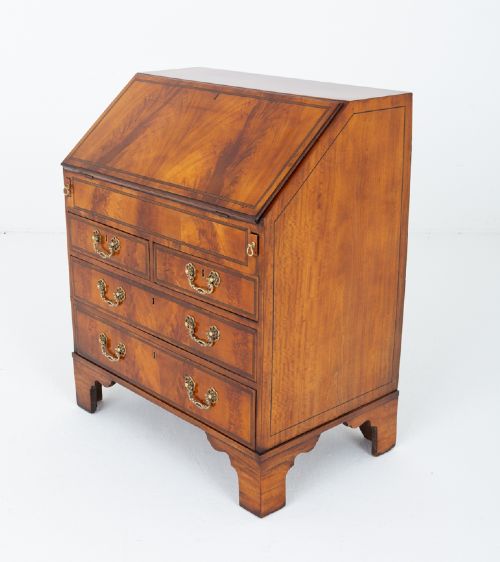
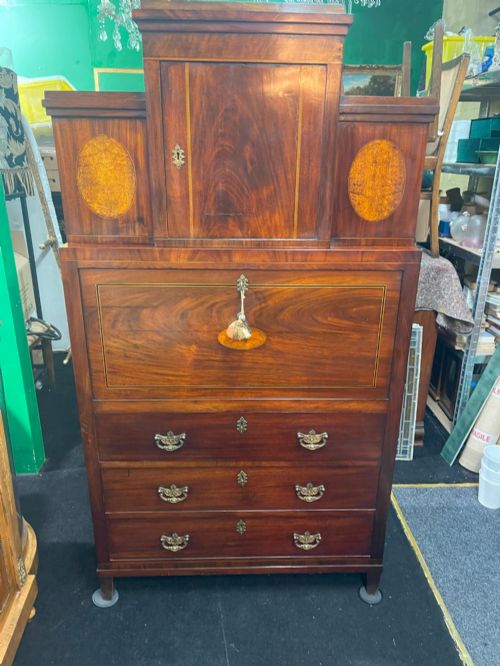
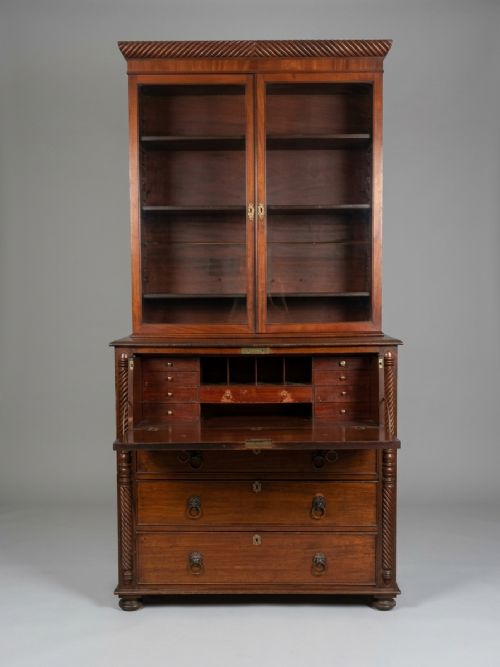
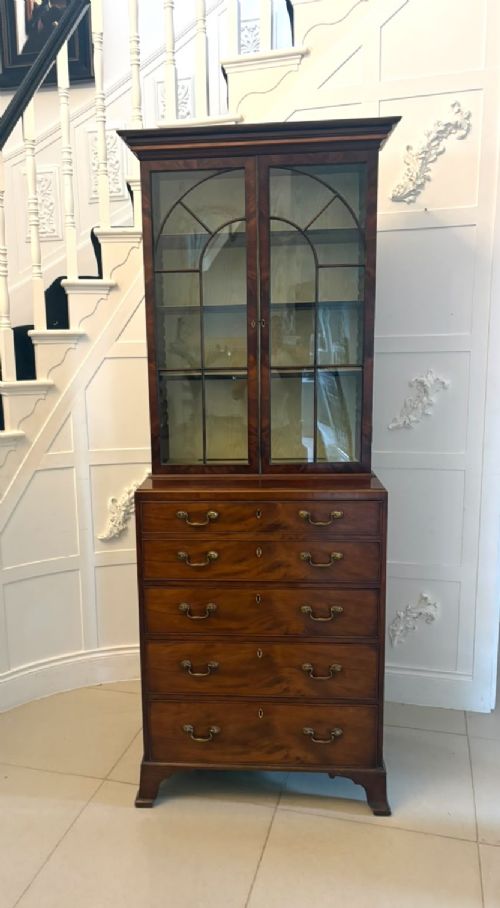
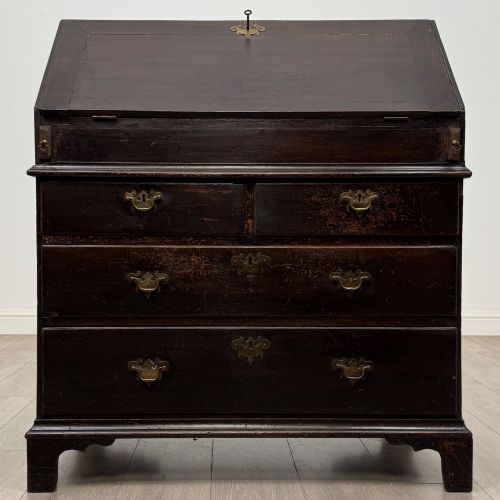
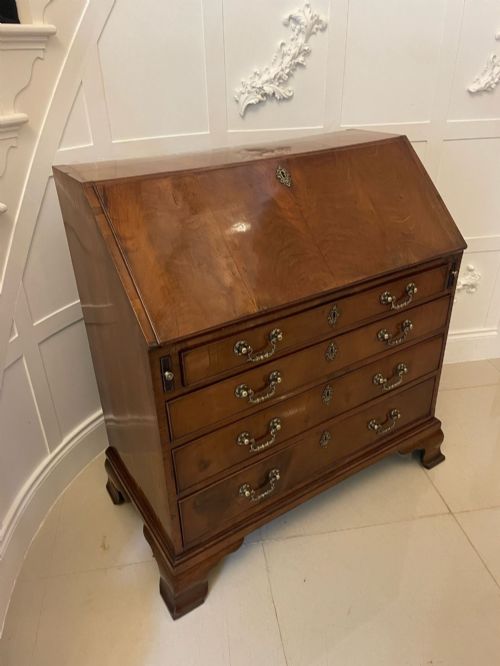
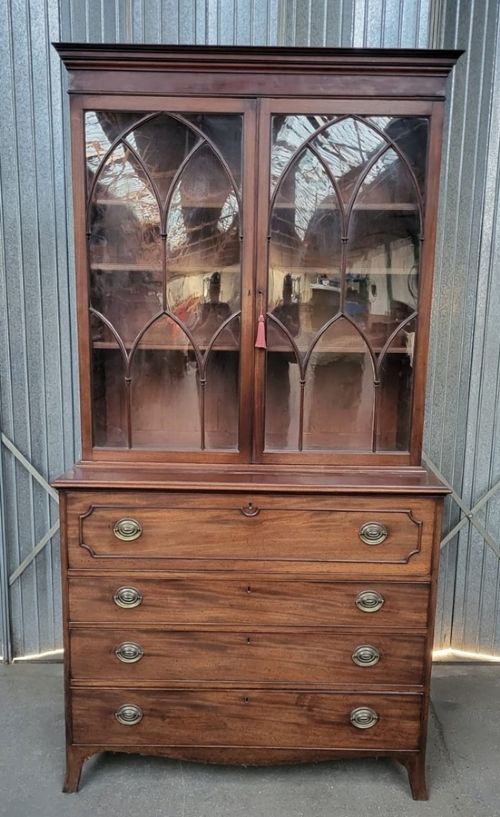
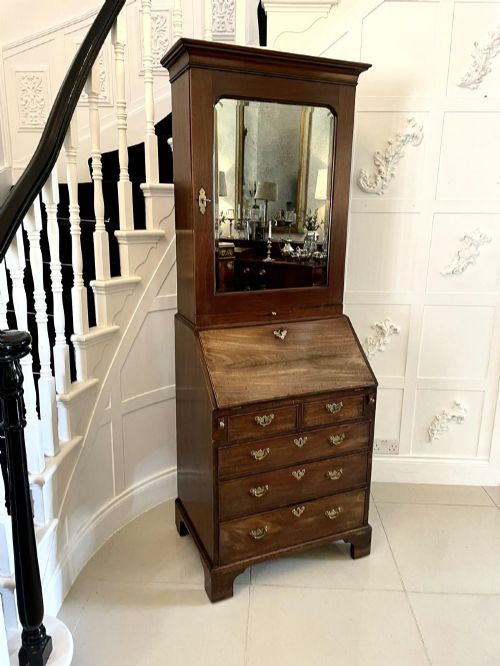

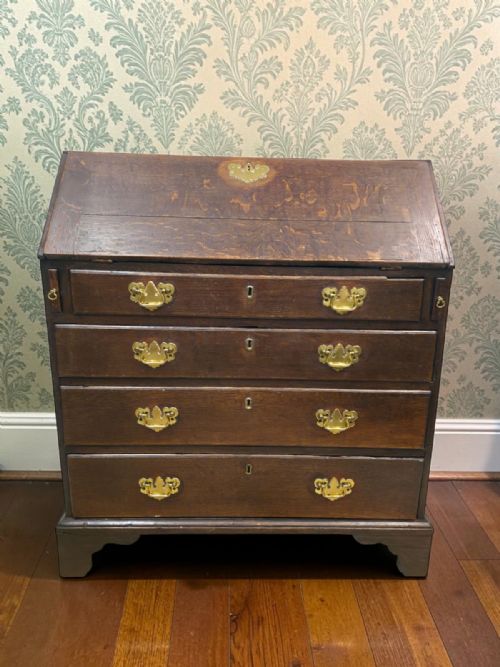
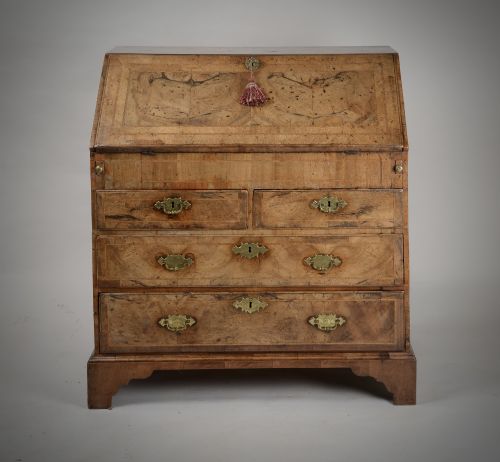
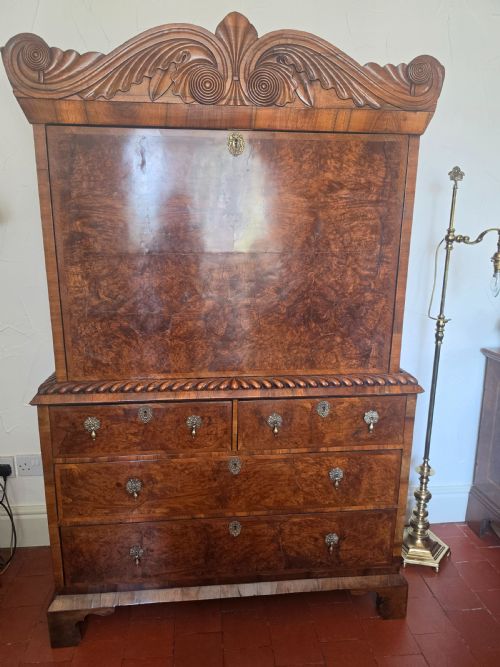
Georgian Secretary Chest
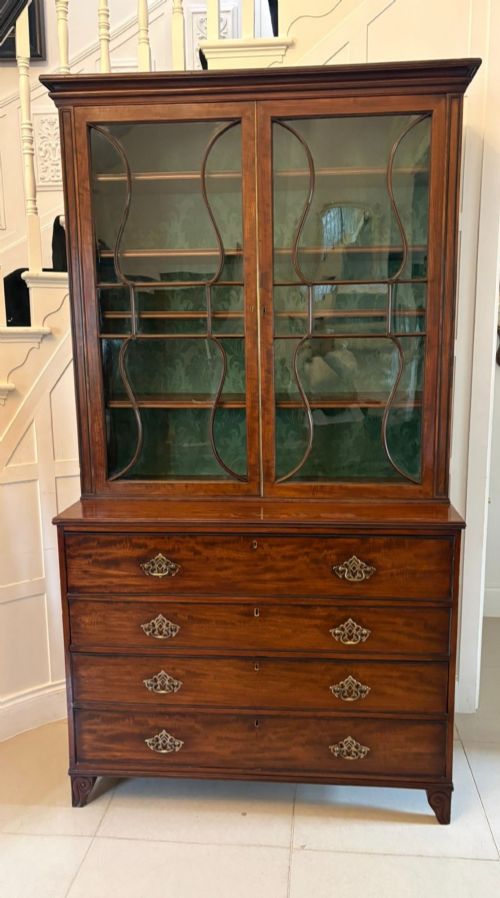
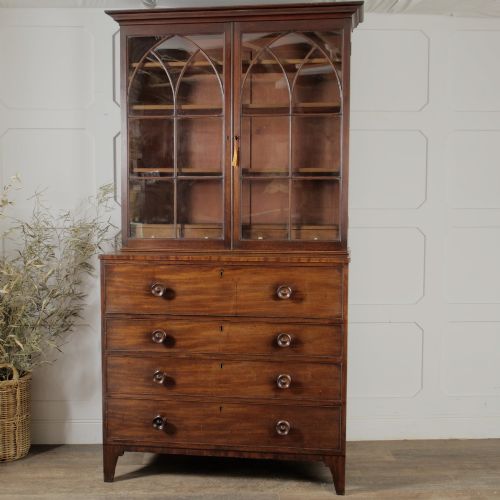
A georgian secretary chest brings together fitted writing drawers and bookcase upper sections in mahogany, walnut, or oak.
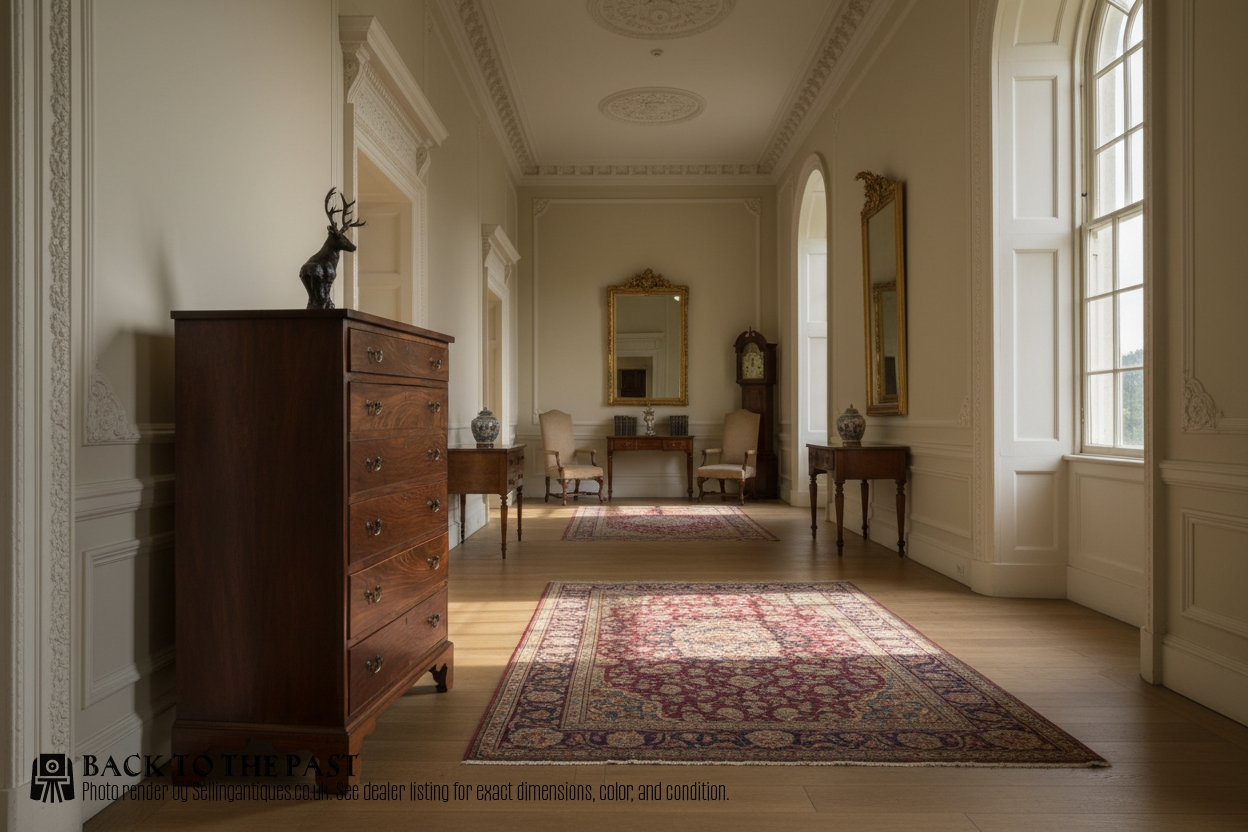
Georgian Secretary Chest
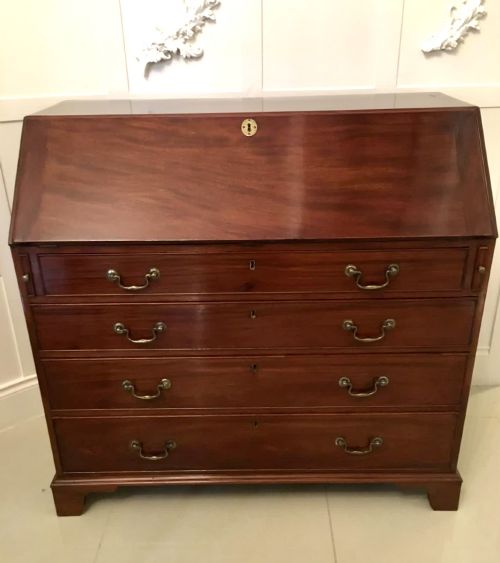
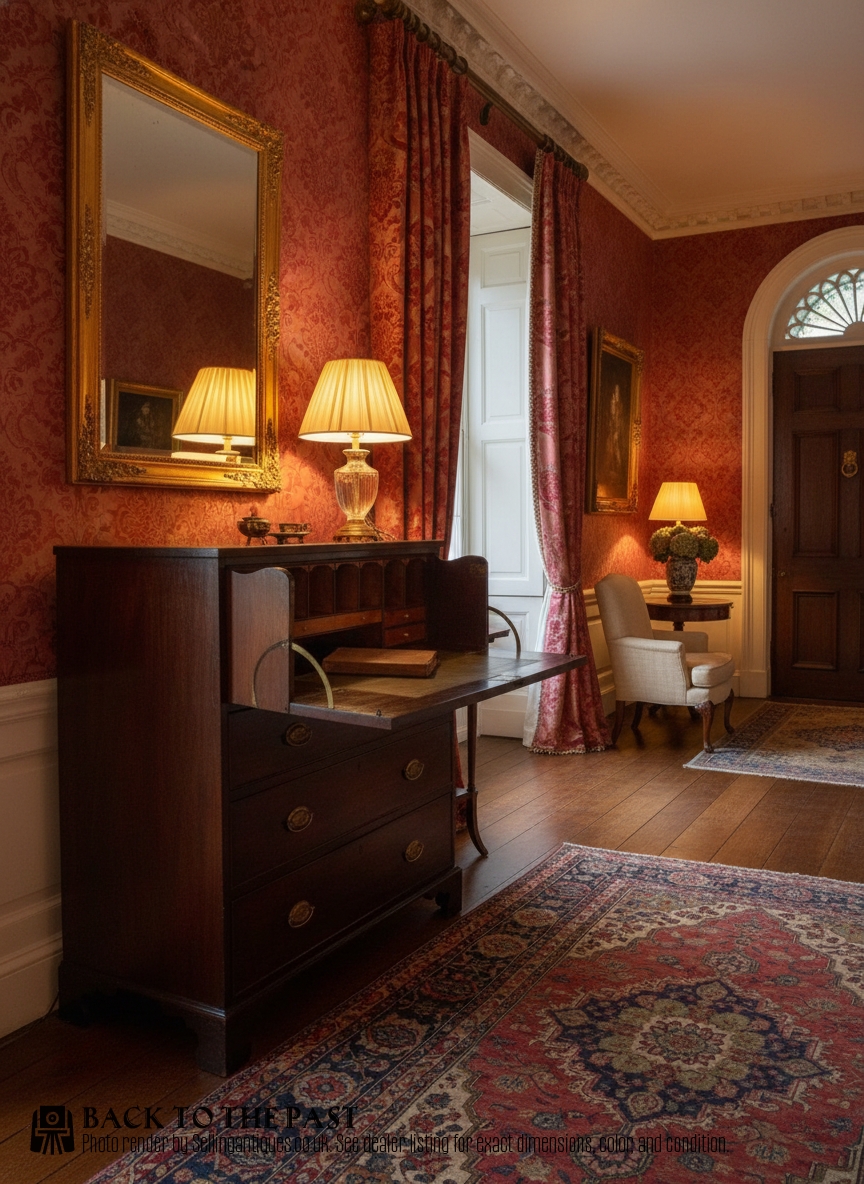
A georgian secretary chest unites a drop-front desk or writing drawer with storage, appearing across the eighteenth and nineteenth centuries in forms such as bureaus, escritoires, and secretaire bookcases.
Buyers meet variations built in mahogany, figured walnut, oak, and elm, often fitted with internal drawers and pigeonholes.
Tall bookcases with glazed doors stand alongside smaller fall-front writing desks bearing the styles of the George periods and Regency eras.
Materials and construction
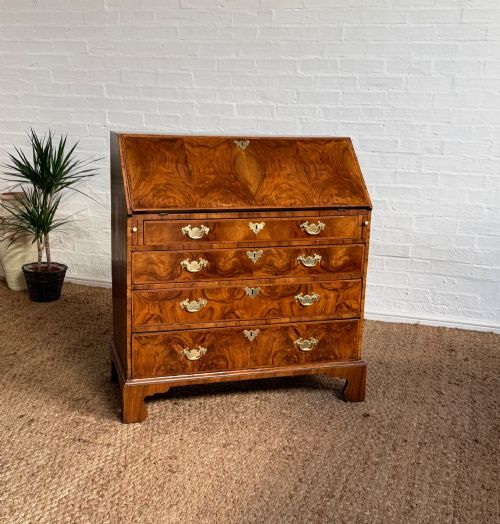
Cabinet makers utilised solid timbers and veneers of mahogany and walnut, frequently selecting burr or figured variants for primary display surfaces.
Hardware incorporates brass handles and key escutcheons, alongside ironwork on early examples, while glazing bars define the upper bookcase doors.
Some tall bookcases hide secret internal compartments designed for securing letters and valuables away from wandering eyes.
Distinguishing quality
Finer examples display careful selection of figured timber grains on fall fronts and drawer faces, matching patterns across the grain.
Interior fittings reveal the standard of work through pigeonhole arrangement, small drawer construction, and integrated leather writing surfaces.
Thomas Chippendale·Gillows
The Georgian Secretary Chest Glossary
- Secretaire
- A desk or cabinet with a drawer or fall front that drops down to reveal a writing surface and small compartments. This mechanism conceals writing materials within a larger case.
- Bureau
- A writing desk with a sloping hinged lid that covers fitted interior compartments. It sits upon a chest of drawers or a stand.
- Astragal
- A small moulding used in bookcase doors to hold individual panes of glass in place. These wooden strips form geometric patterns across the glazed panels.
- Fall front
- A hinged writing flap that drops into a horizontal position for use. It closes vertically to conceal the internal pigeonholes and drawers.
Georgian Secretary Chest: Frequently Asked Questions
What is a georgian secretary chest?
A georgian secretary chest is a dual-purpose piece combining a writing desk with cabinet storage or a bookcase.
These items range from compact oak fall-front desks to tall mahogany secretaire bookcases with glazed upper doors.
How were they used?
Owners used these pieces for correspondence, account keeping, and storing books or papers.
The drop-front or drawer mechanism provided an immediate writing surface while concealing private documents inside fitted compartments.
How do you date a piece?
Dating relies on timber choices, hardware, and stylistic details associated with periods like George III or Regency.
Early pieces frequently employ walnut and ironwork, whereas later nineteenth-century examples often feature inlaid mahogany and flame-grained veneers.
What woods were used?
Cabinet makers built these pieces primarily using mahogany and walnut, alongside oak and elm for structural timbers.
Figured walnut, burr walnut, and flame mahogany appear on prominent exterior surfaces to create decorative grain patterns.