
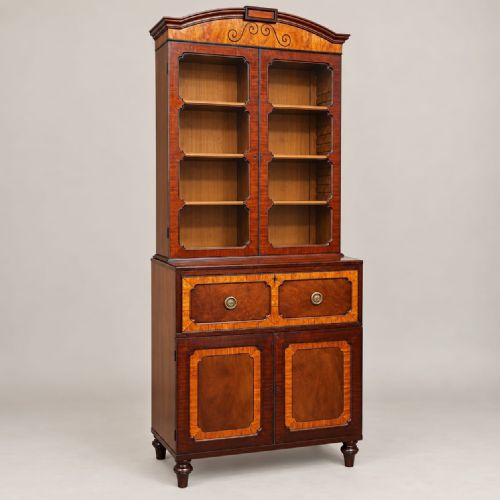
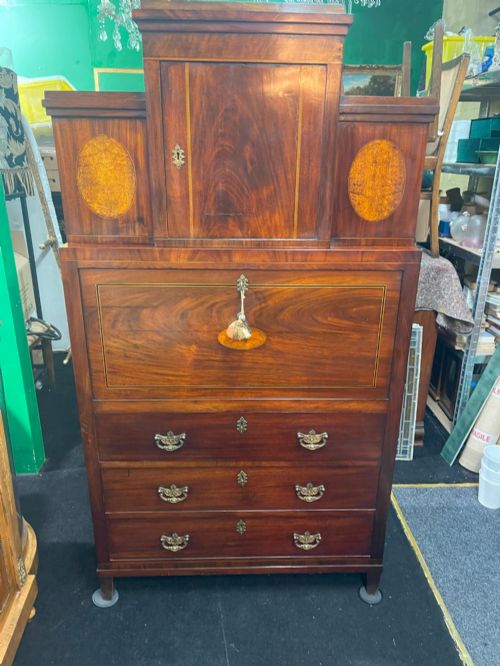
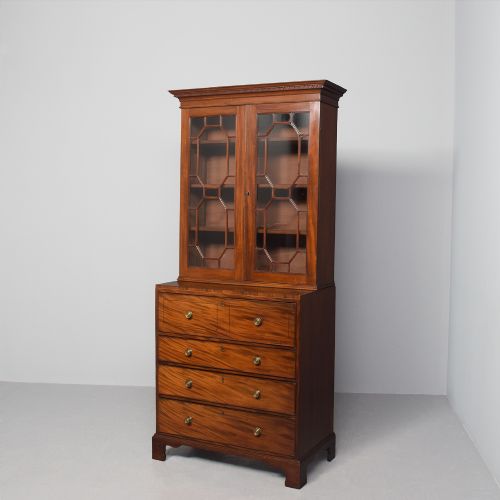
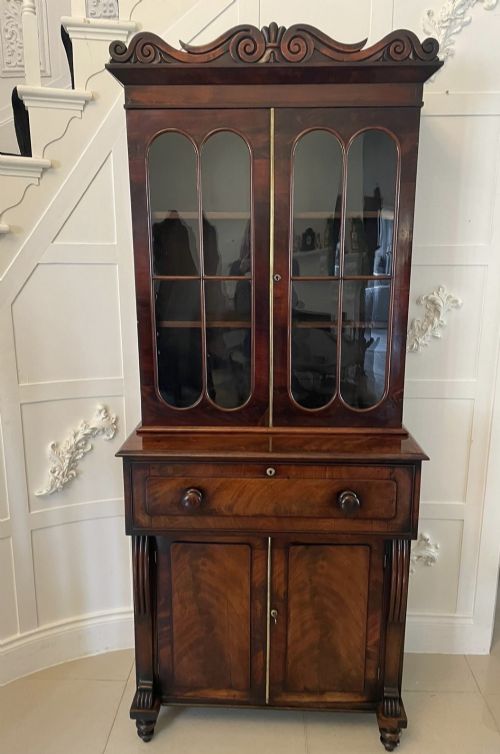
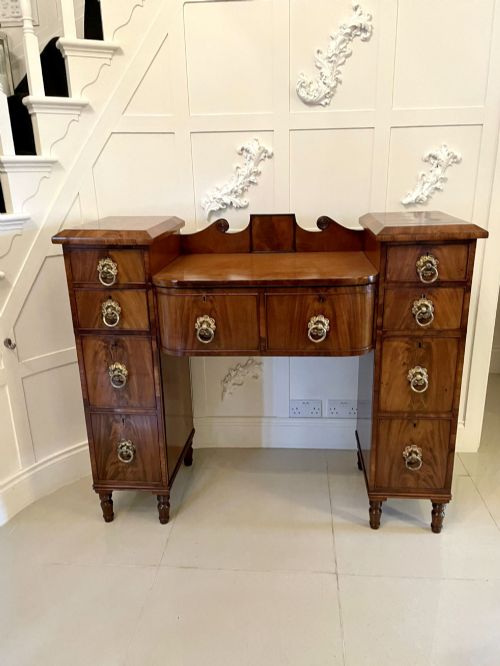
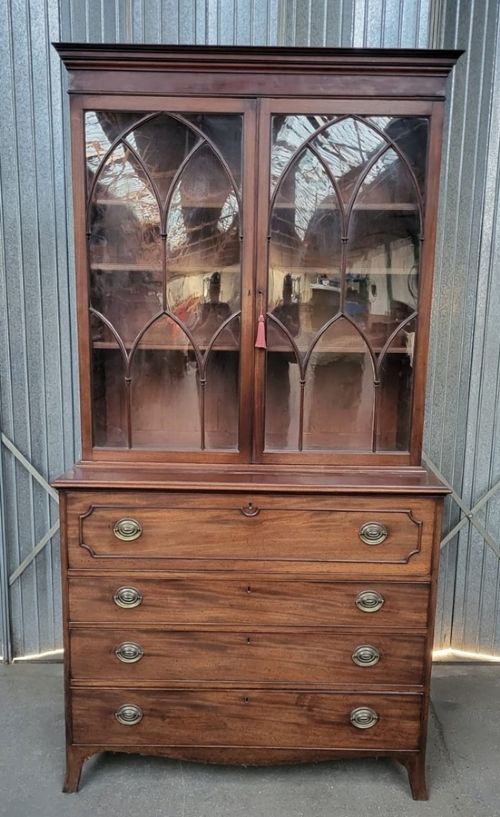
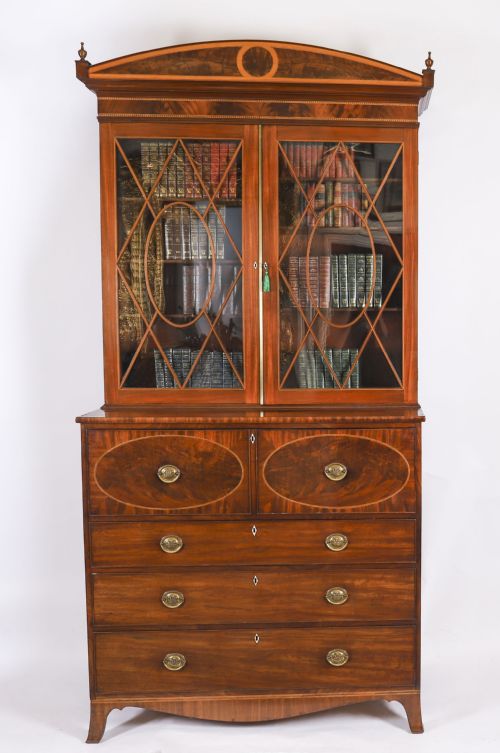
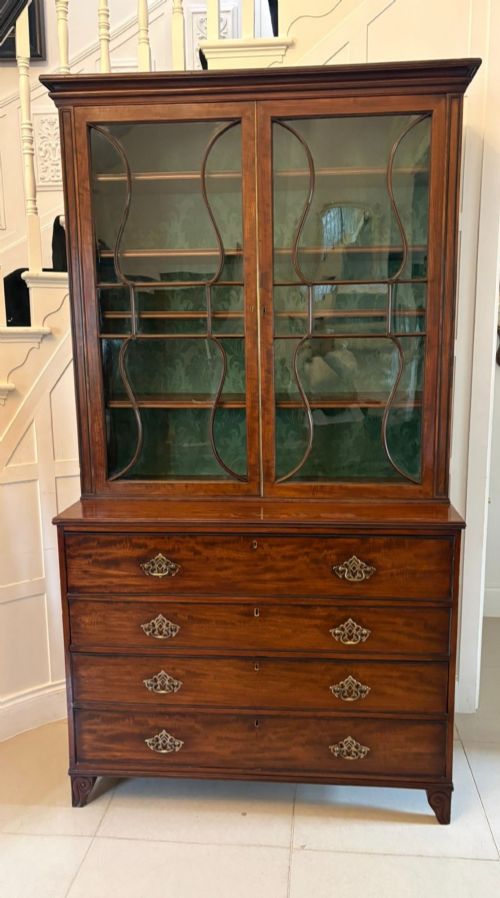
Georgian Secretaire Bureau
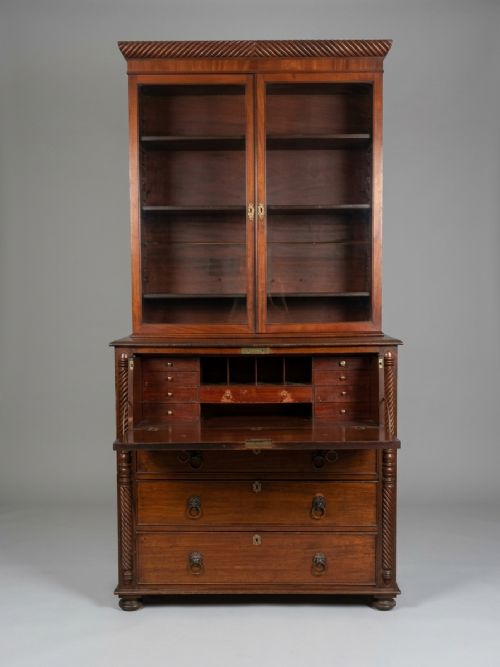
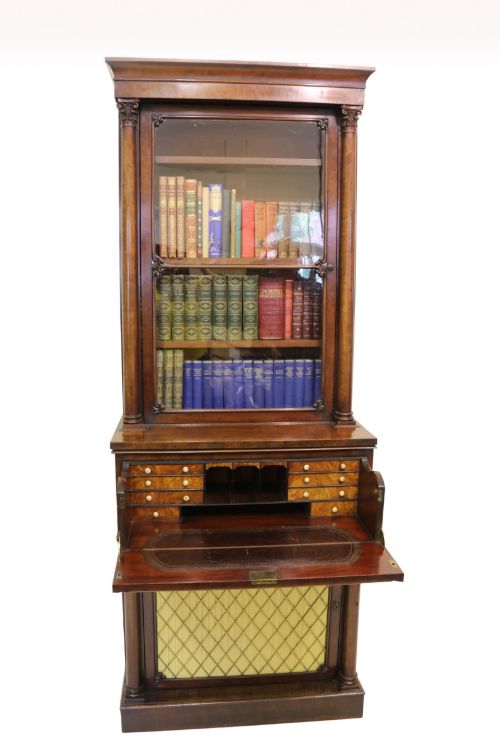
A georgian secretaire bureau offers a concealed writing surface behind a drop-down drawer, combining a practical workspace with refined cabinetwork.
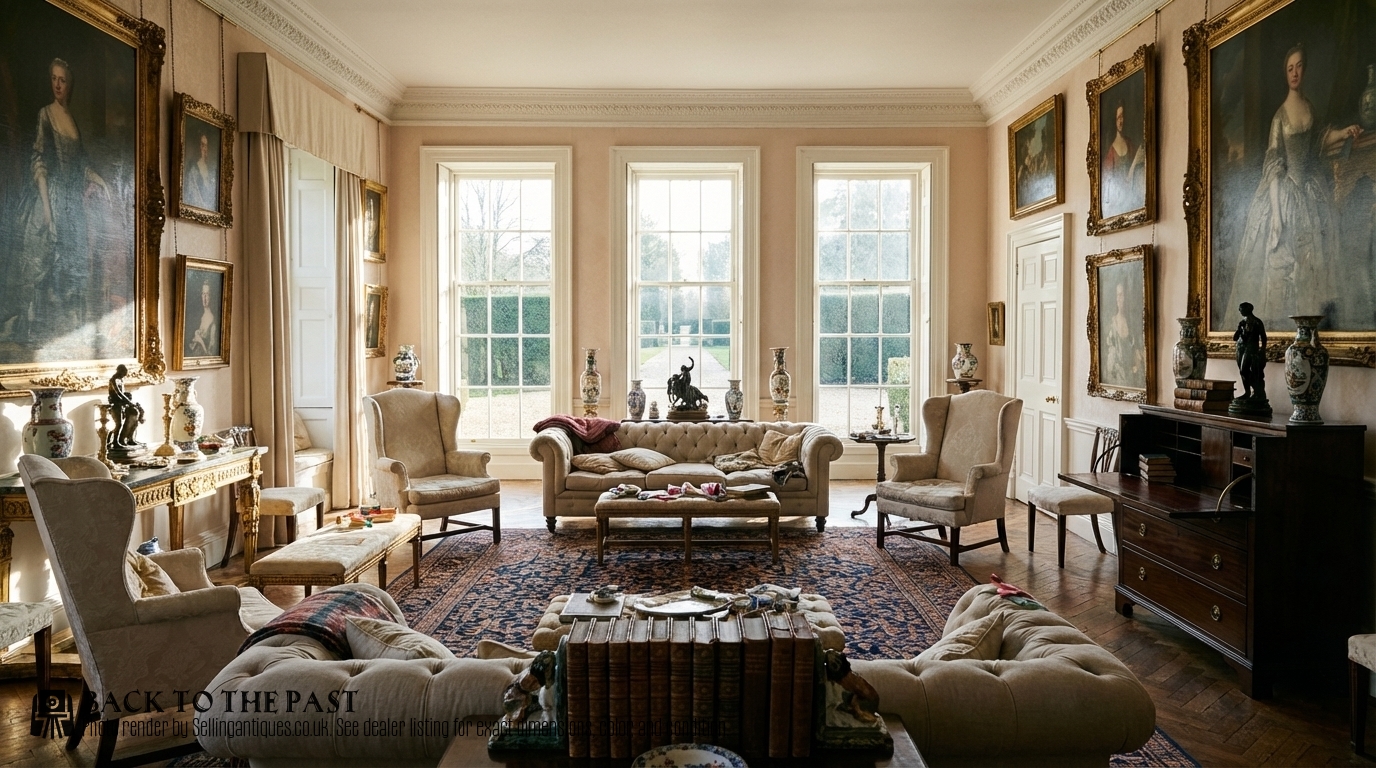
Georgian Secretaire Bureau
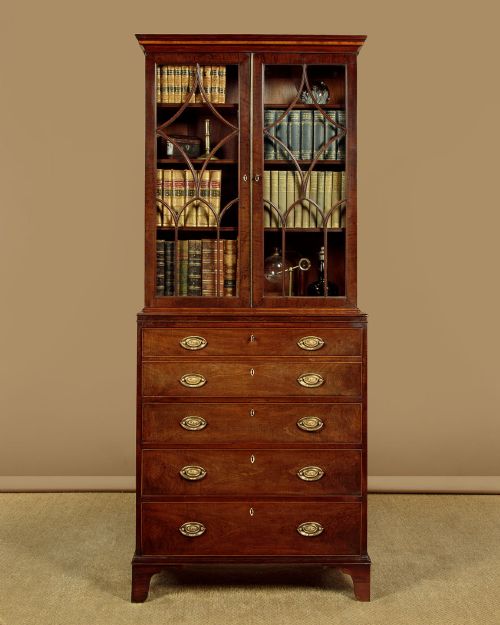
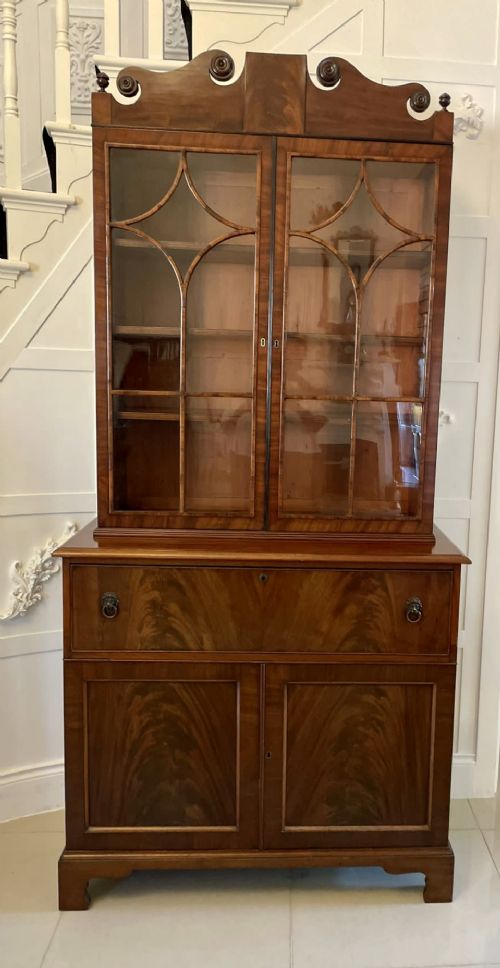
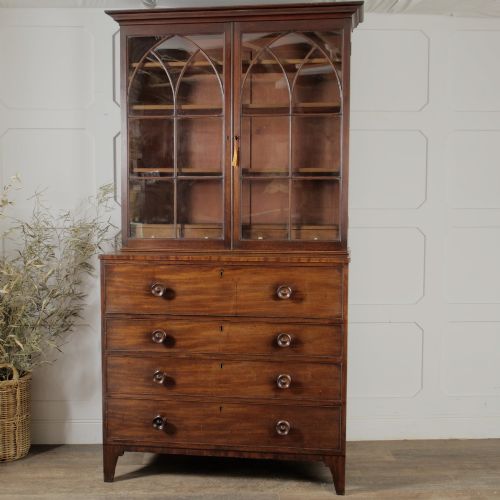
Buyers seeking a georgian secretaire bureau encounter forms spanning the eighteenth and nineteenth centuries, including George I, George II, George III, George IV, and Regency periods. The selection encompasses tall chests, secretaire bookcases with glazed upper doors, and writing cabinets on stands.
Mahogany dominates the available stock, alongside walnut, satinwood, rosewood, padauk, and oak. Pieces range from large library bookcases to compact writing chests designed for domestic studies and parlours.
Materials and Construction
Cabinetmakers utilised solid timbers and selected veneers such as flame mahogany, burr walnut, and satinwood, often enhanced with marquetry or brass inlay. Interiors feature fitted drawers and pigeonholes, sometimes faced with contrasting woods.
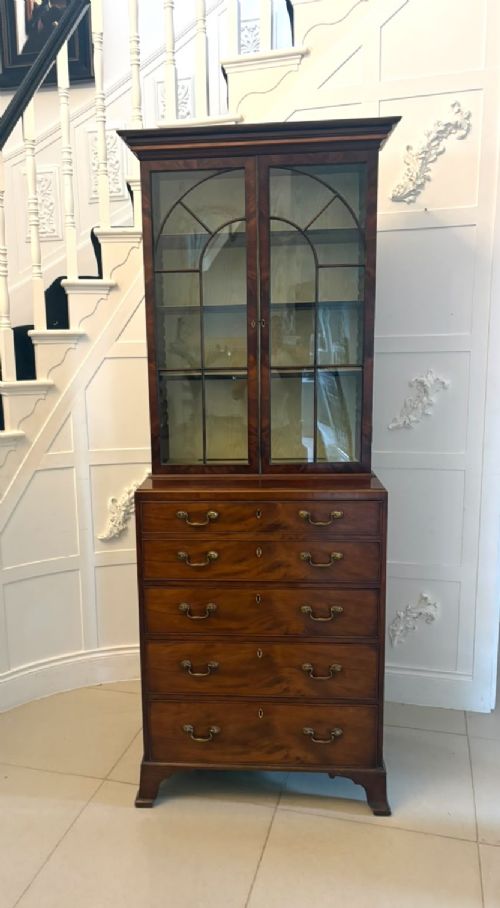
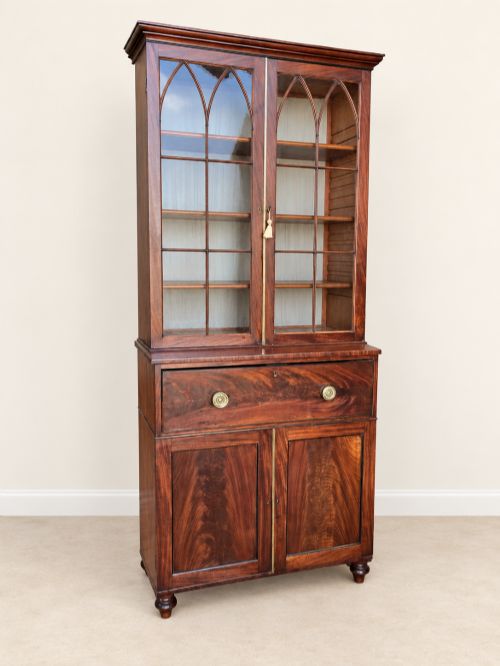
Upper sections incorporate glazed doors with wooden astragals, while lower writing drawers drop down on specialised hinges or support arms to form a desk.
Current listings feature eighteenth and nineteenth-century pieces constructed from mahogany, walnut, satinwood, rosewood, and padauk.
Gradations in Quality
Quality rests on the choice of timber figure, the precision of internal drawer joinery, and the originality of brass hardware and glass panes. Pieces bearing documented cabinetmaker attribution command particular attention.
Proportion and execution of decorative details, such as inlaid stringing, floral marquetry, and glazed door tracery, distinguish standard utility furniture from high-status examples.
Gillows of Lancaster
The Georgian Secretaire Bureau Glossary
- Secretaire
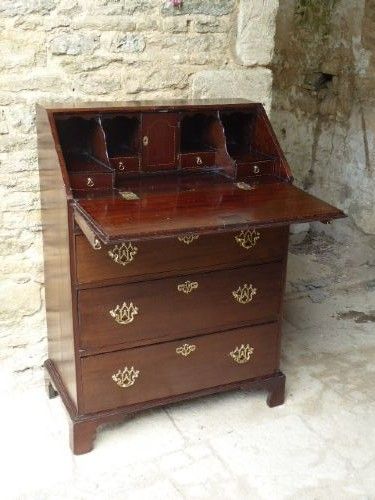
- A desk or chest with a pull-down front revealing a fitted interior of small drawers and pigeonholes. This drop-front mechanism transforms a drawer facade into a writing surface.
- Astragal
- A moulding used to hold panes of glass within a cabinet door. These wooden strips divide glazed bookcase doors into geometric patterns.
- Escritoire
- An alternative term for a writing cabinet or desk. It typically designates taller standing cabinets with fall-front writing surfaces.
- Marquetry
- Decorative veneer work formed by fitting together small pieces of coloured wood to create pictorial or floral patterns. It adorns the exterior surfaces of select walnut and satinwood pieces.
- Tallboy
- A chest of drawers built in two sections, placing one tall chest on top of another. Versions with integrated writing drawers appear frequently among these listings.
Georgian Secretaire Bureau: Frequently Asked Questions
What is a secretaire bureau?
A secretaire bureau is a piece of furniture featuring a dedicated writing drawer that folds down to reveal compartments, pigeonholes, and small drawers for correspondence.
Beneath or above this writing section, the design incorporates standard drawers or glazed bookcase doors, serving both storage and writing functions.
How do I identify a Georgian piece?
Georgian pieces date from the reigns of the four King Georges spanning the eighteenth and early nineteenth centuries. They are characterised by specific timber choices such as mahogany and walnut, alongside period-appropriate construction methods.
Stylistic markers range from early walnut marquetry to later neoclassical satinwood inlay and robust Regency proportions.
How were these desks used?
Owners used these cabinets to store stationery, write letters, and keep account books in private chambers or libraries. The lockable drop-front lid kept confidential papers secure.
Upper glazed sections housed book collections, while lower drawers stored household linens or personal garments.
Where should I place a secretaire bureau?
These cabinets suit studies, living rooms, and large hallways where their height and depth can be accommodated comfortably. Adequate clearance must be left in front of the piece for the drop-front writing drawer to open fully.
Positioning them away from direct sunlight and heat sources preserves the antique veneers and polished timber surfaces.