
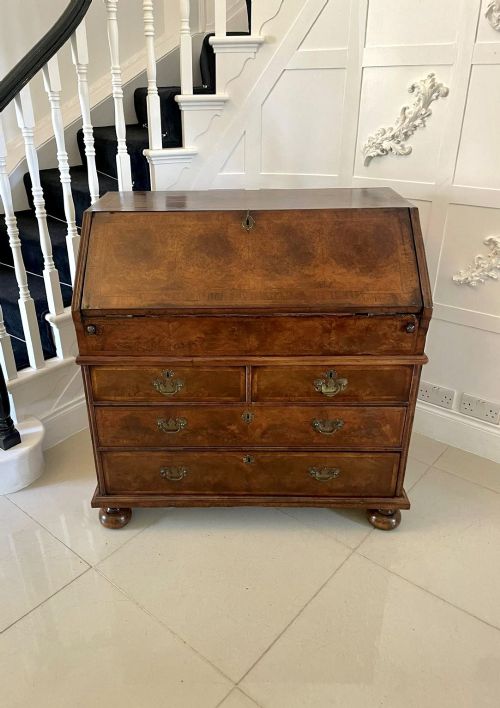
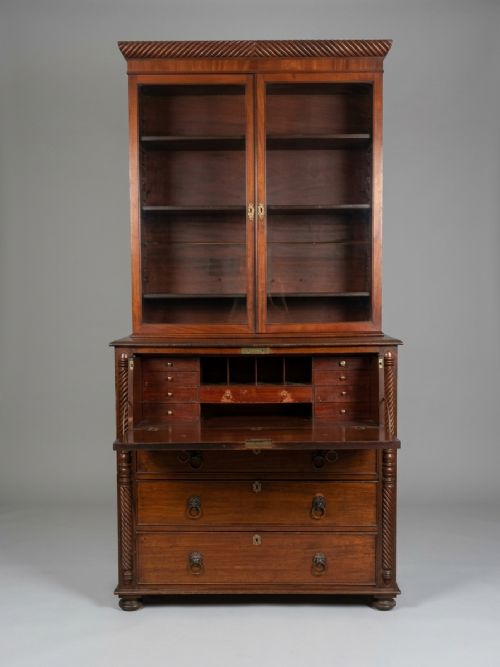
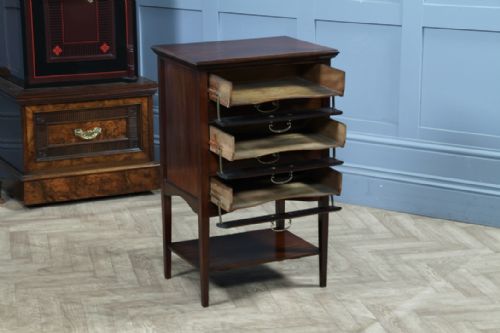
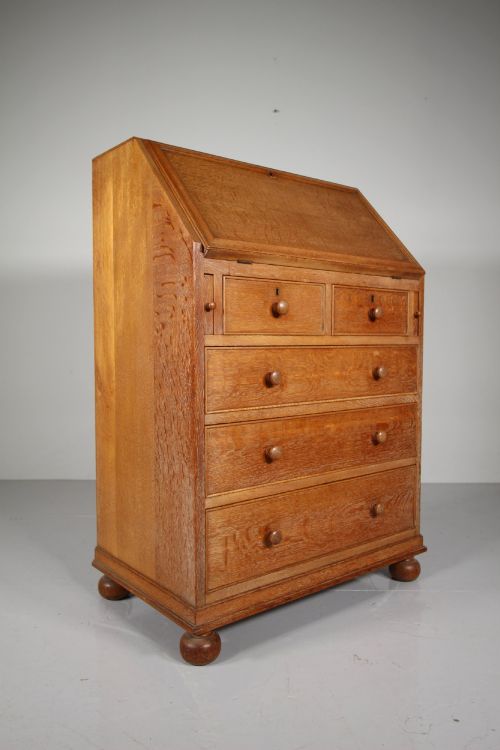

Fall Front Chest Drawers
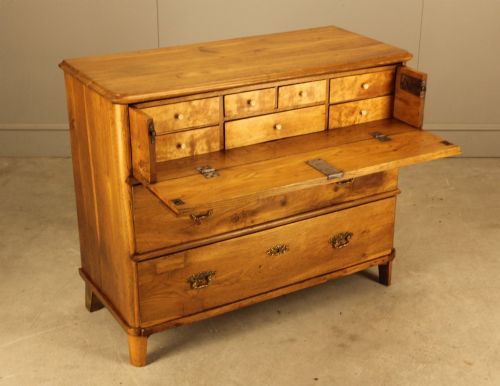
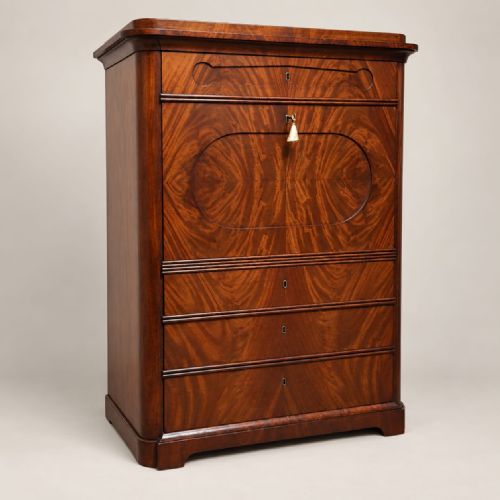
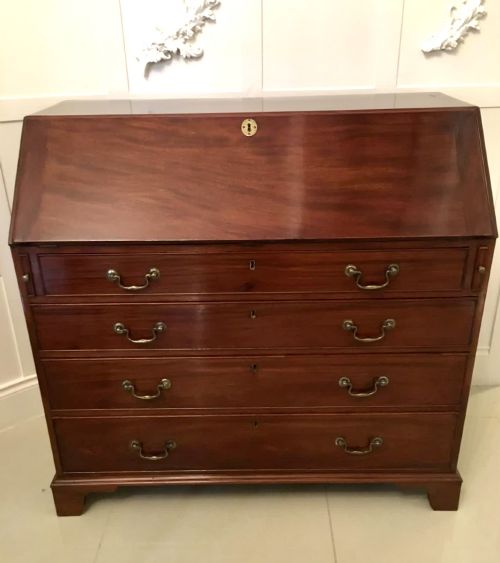
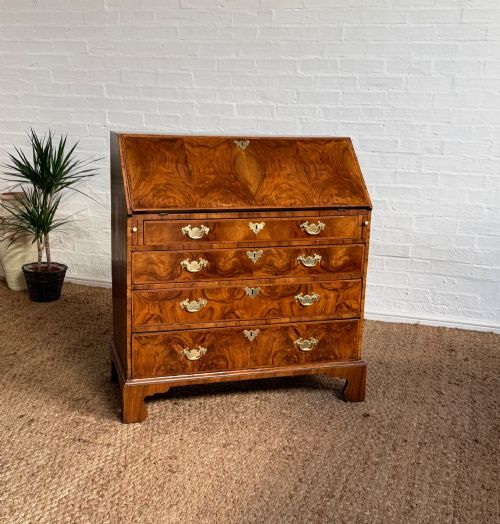
These fall front chest drawers combine a writing surface with drawer storage, offering a practical workspace that conceals papers when closed.
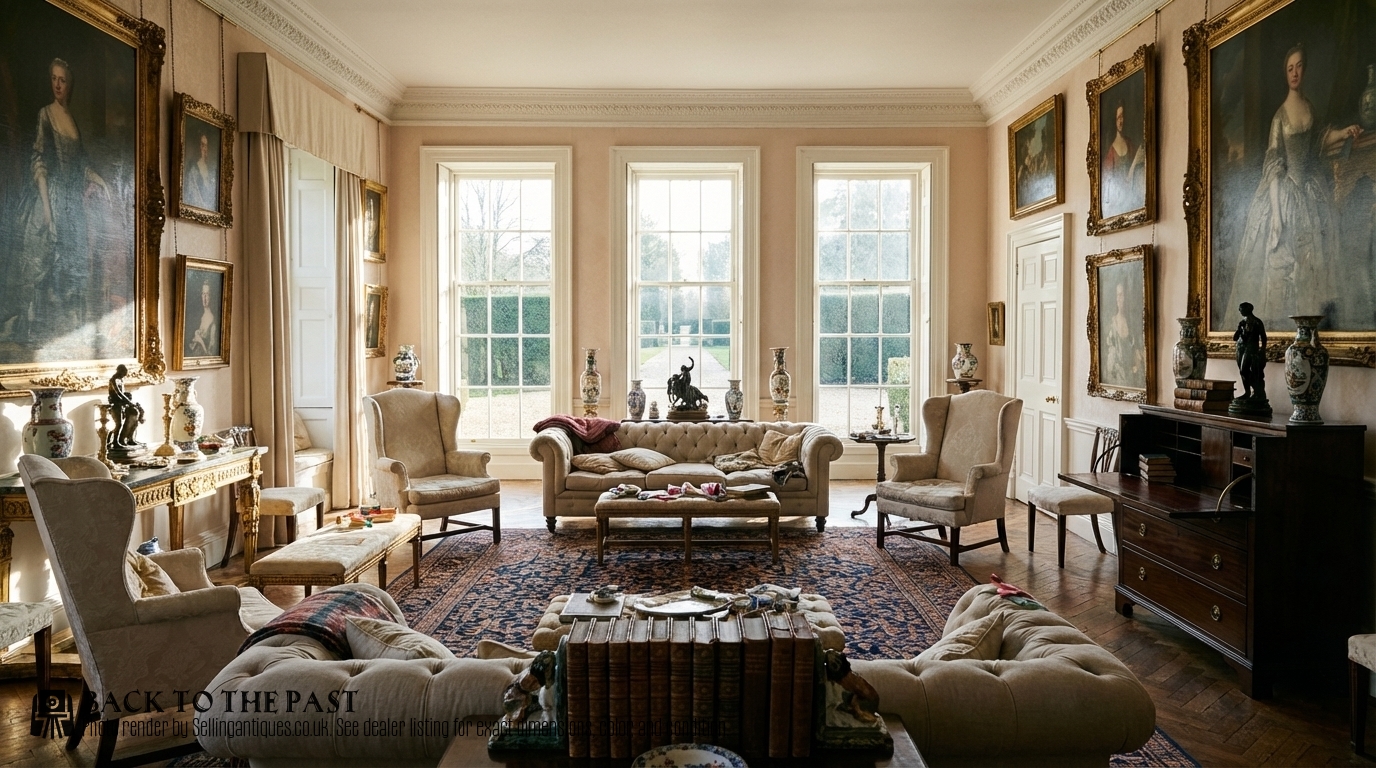
Fall Front Chest Drawers
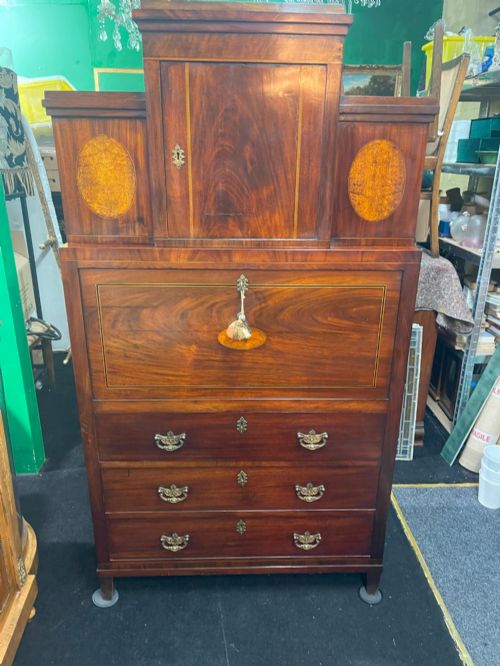
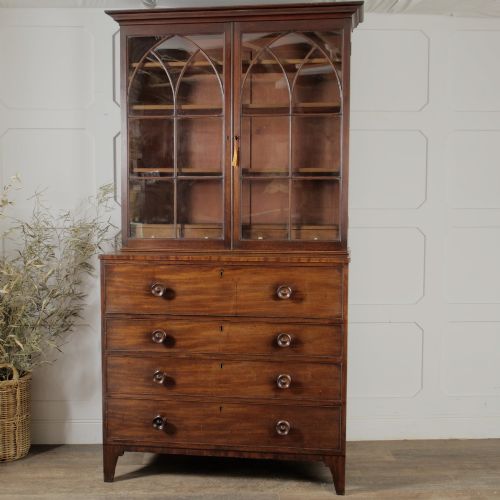
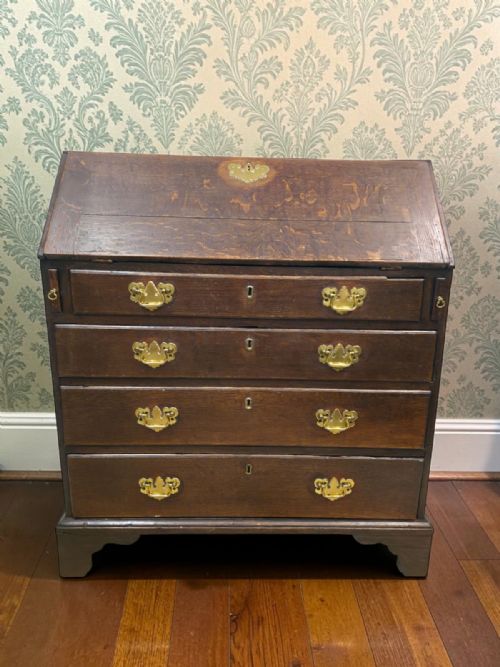
When you search for fall front chest drawers, you are looking at furniture built to serve as both a writing desk and a set of drawers. The pieces on this page appear as bureaux, secretaire chests, and writing cabinets from various periods.
You are most likely to meet mahogany and walnut examples dating from the eighteenth and nineteenth centuries. These items range from compact domestic desks to large bureau bookcases.
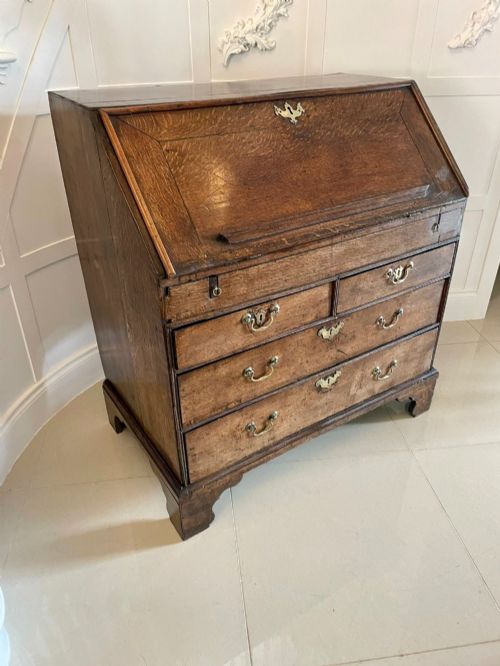
Makers designed these objects with a hinged flap that drops down to form a sloping or horizontal writing surface. Inside this drop front, fitted compartments and small drawers organise letters and ink.
Materials and construction
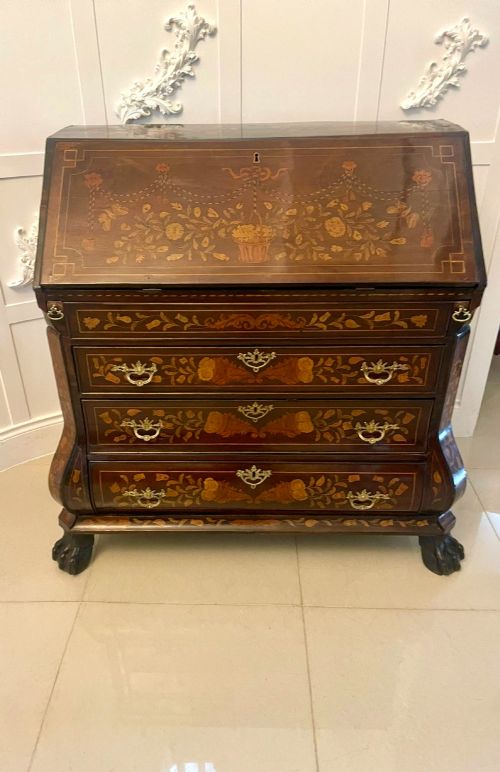
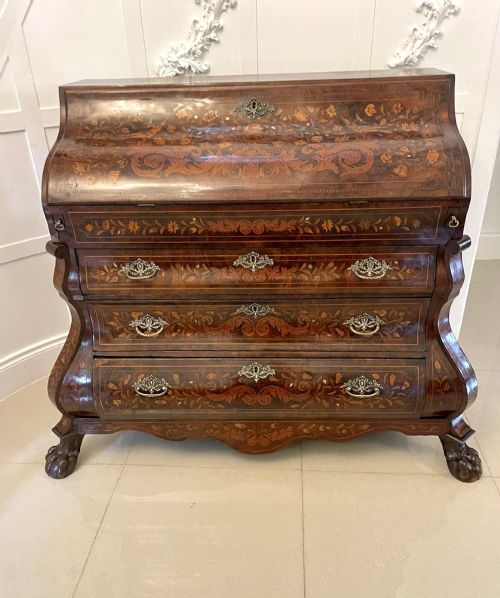
Cabinetmakers built these pieces using solid timbers and decorative veneers such as mahogany, walnut, burr walnut, and oak, often supported by secondary woods like pine. They applied floral marquetry and parquetry patterns to surfaces on select examples.
Interior fittings relied on intricate joinery to create secret compartments, small pigeonholes, and subsidiary drawers behind the main writing flap. Ironwork and brass handles provided structural reinforcement and operational hardware.
Materials recorded across the available pieces include mahogany, walnut, burr walnut, oak, pine, rosewood, and satinwood.
Evaluating quality
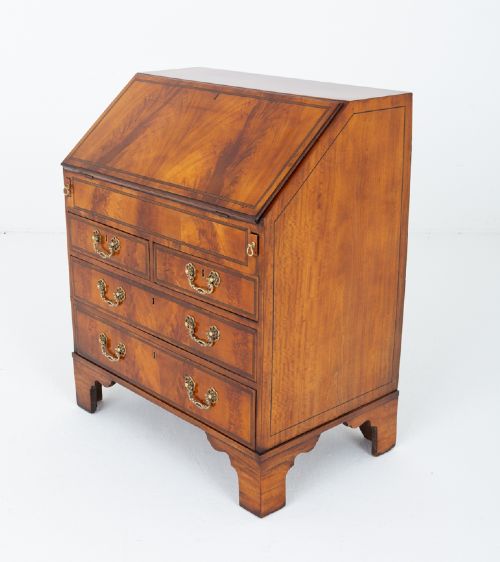
The standard of a fall front chest depends largely on the choice of timber figure and the precision of the cabinetwork. Selection of burr walnut or figured mahogany veneer across the fall front and drawer faces indicates higher craftsmanship.
Proportion and the retention of original hardware, such as brass pulls and iron locks, separate standard utility pieces from finer examples. The smoothness of the drop front action and the complexity of the internal arrangement also distinguish the grade of the piece.
The Fall Front Chest Drawers Glossary
- Bureau
- A writing desk with a sloping fall front that conceals drawers and pigeonholes. It often sits atop a chest of drawers.
- Bombe
- A swollen or convex curving shape found on the front and sides of certain eighteenth-century case furniture. This profile demands advanced woodworking skill.
- Escritoire
- A writing cabinet or fall front desk originating in seventeenth and eighteenth-century forms. It provides a vertical workspace with internal compartments.
- Marquetry
- Decorative patterns formed by inserting pieces of coloured wood, ivory, or shell into a veneer background. Craftsmen used floral motifs extensively on walnut surfaces.
- Secretaire
- A piece of furniture containing a built-in writing drawer or fall front compartment. These units often combine with chest of drawers or bookcase formats.
Fall Front Chest Drawers: Frequently Asked Questions
What is a fall front chest?
A fall front chest is a piece of furniture that combines drawer storage with a hinged writing flap. When lowered, the flap provides a surface for writing.
Inside the drop front, makers arranged small drawers and pigeonholes for stationery and documents. When closed, the room retains a neat appearance by hiding the writing materials.
How do I date a walnut bureau?
Dating a walnut bureau involves examining the construction methods, timber choice, and hardware. Pieces from the early eighteenth century often feature figured walnut veneers and distinct ironwork.
Later nineteenth-century examples tend to use different secondary woods and display stylistic shifts towards Victorian or Edwardian tastes. Examining the drawer linings and dovetails helps confirm the period.
Where were fall front desks used?
These desks served primarily in domestic settings such as bedchambers, studies, and withdrawing rooms. They provided a private space for correspondence and record keeping.
Because the writing area could be locked away, owners kept sensitive papers and valuables secure from household staff and visitors.
What is a bombe bureau?
A bombe bureau is a form featuring distinct convex curves across the front and sides. This bulging profile requires specialised cabinetmaking techniques.
Originating in continental workshops, these pieces showcase elaborate marquetry and figured veneers. They represent the more decorative end of eighteenth-century case furniture.