
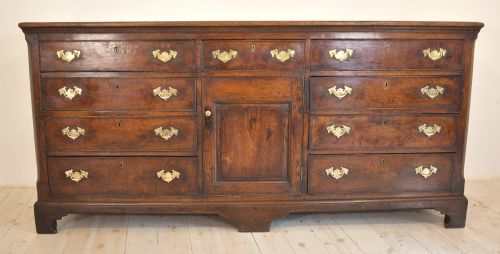
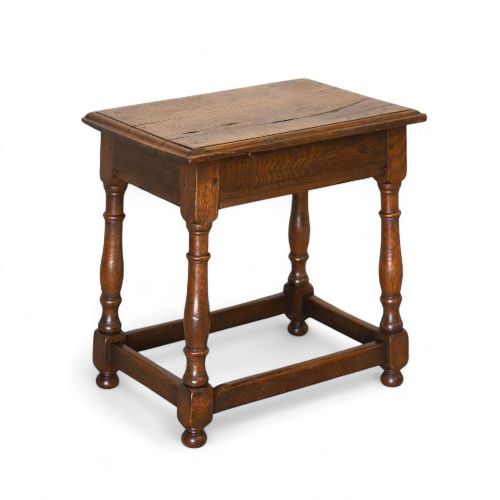
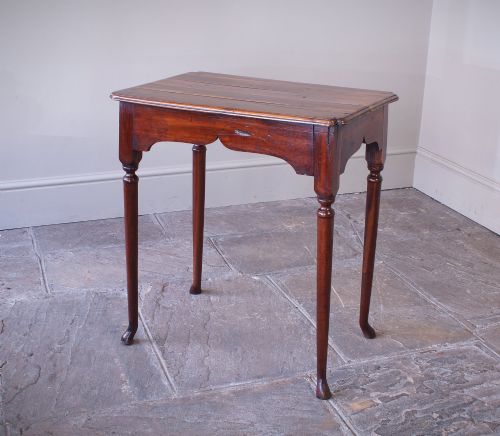


Georgian Provincial Table
A georgian provincial table brings honest regional craftsmanship into a room, offering sturdy timber surfaces shaped far from London workshops.
Georgian Provincial Table
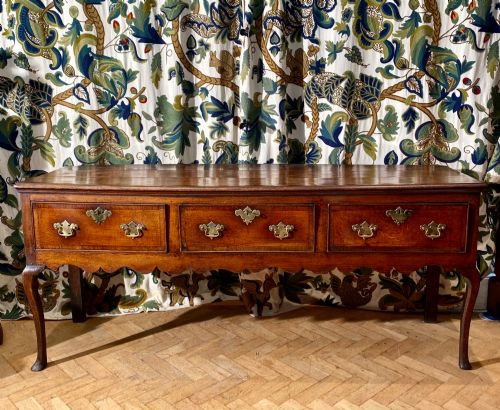
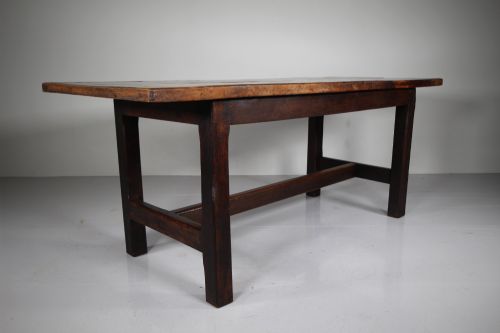
When you search for a georgian provincial table, you encounter domestic furniture made across the British regions during the eighteenth and early nineteenth centuries. These pieces encompass side tables, lowboys, occasional tables, and dining forms produced outside metropolitan centres to serve everyday rural households.
The version you are most likely to meet on this page is constructed from native hardwoods such as oak, elm, or fruitwood, often featuring straightforward lines and functional drawer configurations. They reflect the local materials and practical needs of the shires rather than courtly London fashions.
What varies in quality
The character of the timber and the depth of surface patination largely distinguish one georgian provincial table from another. Examples retaining their original unstripped finish and untouched structural framing carry greater visual integrity.
Proportion and regional idiosyncrasies also set individual pieces apart, as distinct local traditions yielded varying degrees of refinement in leg turnings and drawer construction.
Several tables show centuries of old paint flakes, proving that country furniture often received a fresh coat whenever fashions or moods shifted.
The Georgian Provincial Table Glossary
- Lowboy
- A small side table or dressing table featuring one or more drawers, standing on relatively tall legs. These practical pieces were commonly used in bedrooms or parlours.
- Potboard
- An open slatted lower shelf fitted between the legs of a serving table or dresser base. It provided convenient storage for heavy crockery and cookware.
- Joint stool
- A sturdy wooden stool constructed with pegged mortise and tenon joinery rather than turned legs alone. They served as versatile seating or small auxiliary surfaces.
- Refectory table
- A long dining table traditionally built for communal dining halls. Provincial versions utilise robust timber framing with stretcher rails for added stability.
- Patina
- The surface sheen and colour developed by wood over long periods through handling, polishing, and oxidation. A rich patina indicates age and continuous use.
Georgian Provincial Table: Frequently Asked Questions
What is a provincial table?
A provincial table is a domestic piece made in regional areas rather than capital city workshops. They use local timbers and simpler designs suited to country life.
These tables prioritise utility and robust construction over metropolitan decoration.
How do I date a table?
Dating relies on examining construction methods, timber types, and wear patterns. Hand-sawn marks and pegged joints often point towards earlier periods.
Hardware styles and secondary woods also help narrow down the decade of manufacture.
Where were they used?
These tables served in rural kitchens, farmhouses, estate halls, and provincial parlours. Their practical forms handled daily domestic labour and food preparation.
Today they fit easily into modern hallways, living rooms, and dining spaces.
What woods were used?
Regional makers utilised readily available native timbers such as oak, elm, fruitwood, walnut, and pine. The choice depended entirely on local forest resources.
Secondary woods like deal or pine often appear inside drawer linings and backing boards.