




Georgian Pot Commode
A georgian pot commode is a discreet piece of bedroom furniture designed to house a chamber pot, combining utility with fine cabinet-making.
Georgian Pot Commode
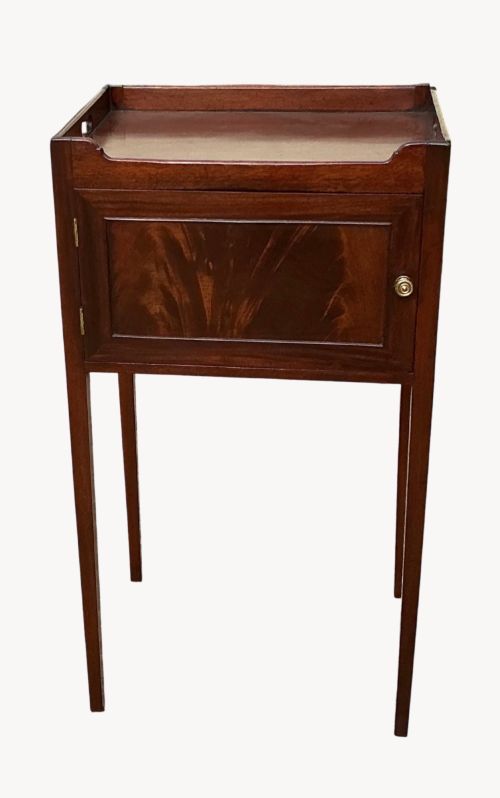
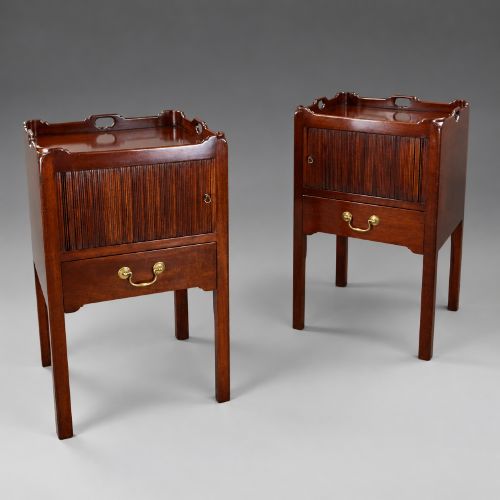
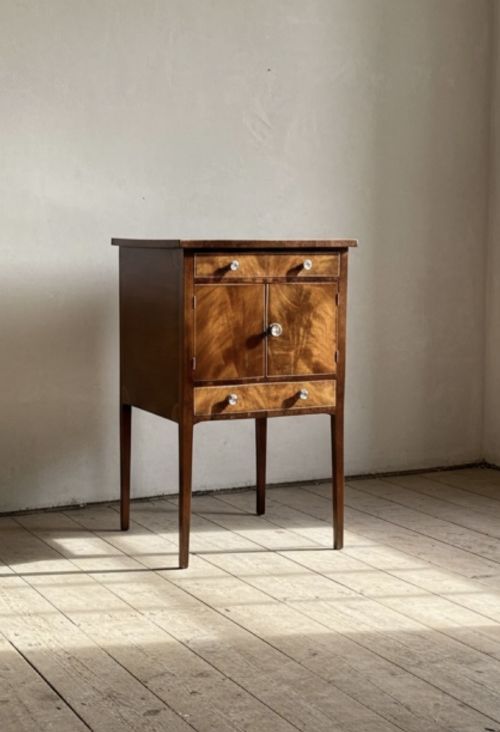
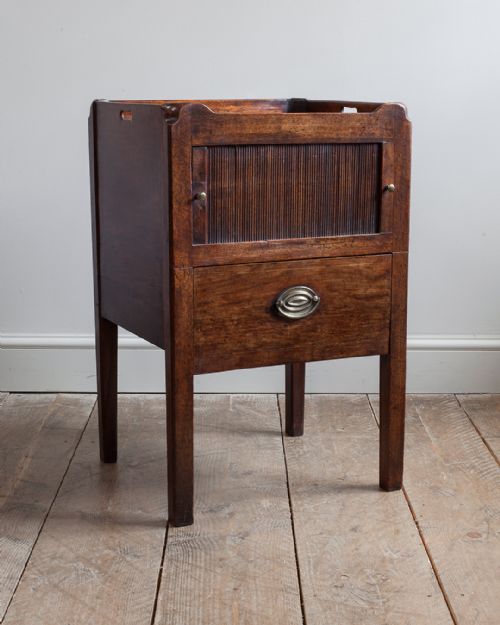
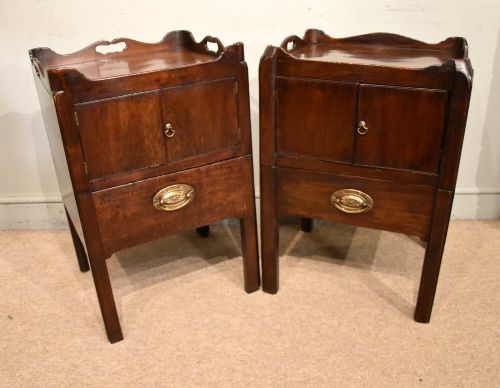
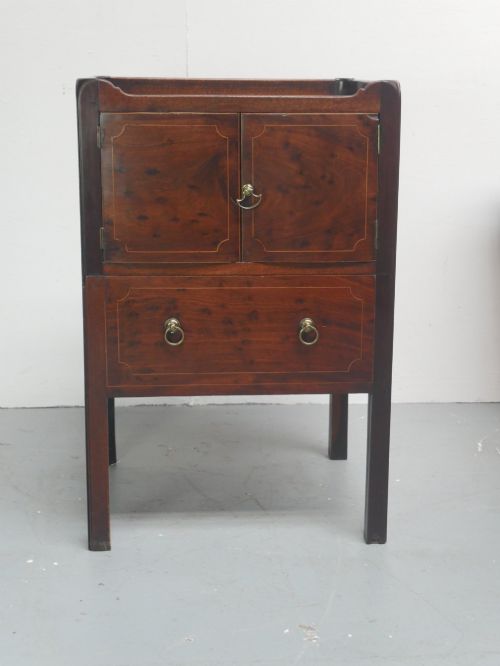
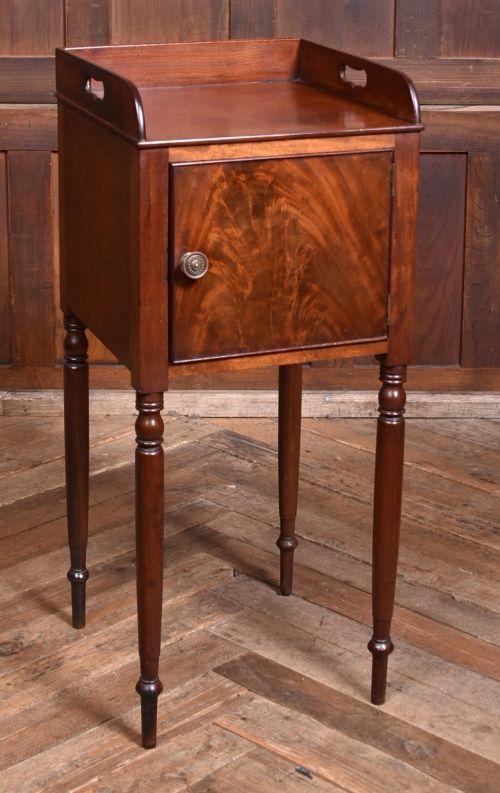
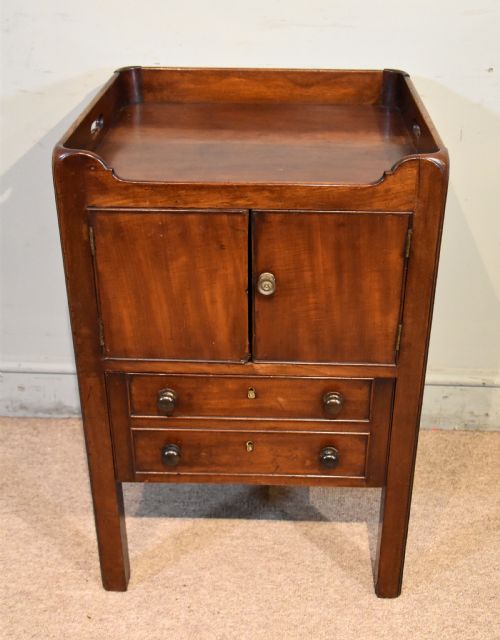
When you search for a georgian pot commode, you encounter a specialised form of bedside furniture originating in the eighteenth and nineteenth centuries. These pieces typically take the shape of small cupboards, nightstands, or close stools intended to conceal sanitary equipment within domestic bedchambers. The listings on this page most commonly present mahogany bedside cabinets and cupboards dating from the Georgian, George III, and Regency periods.
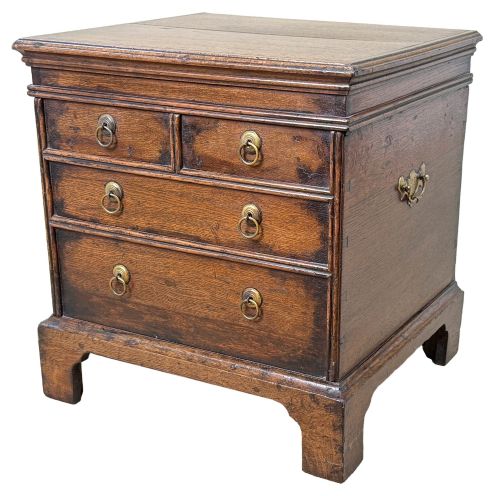
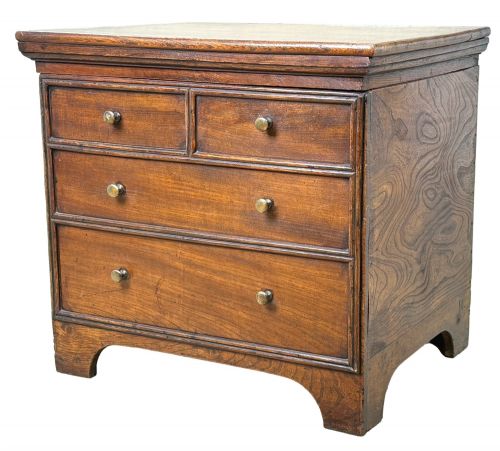
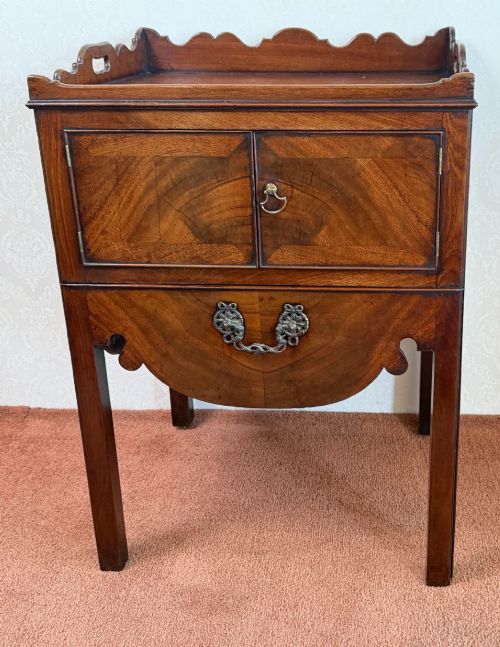
The forms vary from simple tray top designs to serpentine fronts, tambour doors, and cylindrical bodies. Alongside standard mahogany versions, you find examples executed in oak, elm, and flame mahogany veneer, reflecting the diverse material preferences of period cabinet-makers. Many serve equally well today as practical lamp tables or bedside storage units.
Makers of the period applied distinct regional styles, such as Irish interpretations and Lancashire bedside tables, alongside formal Sheraton and Chippendale aesthetic influences. While designed for a specific historical domestic function, these compact cabinets integrate smoothly into modern bedrooms as versatile standalone tables.
How they were made
Cabinet-makers relied primarily on solid mahogany and flame mahogany veneer, supported by secondary structural timbers such as oak and elm. They constructed doors, sides, and tray tops with careful attention to grain alignment, frequently incorporating satinwood and boxwood inlay for decorative contrast.
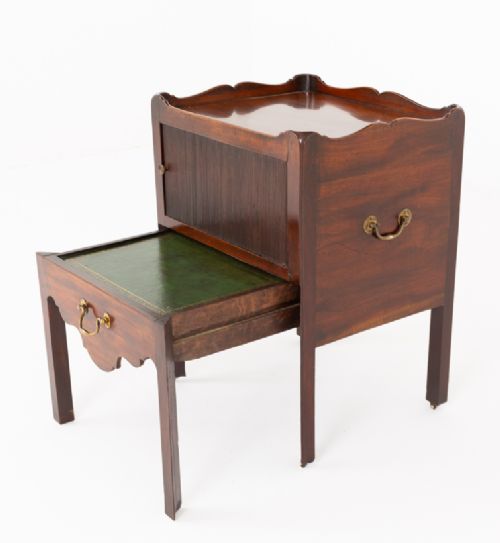
Functional hardware such as brass handles and hinges were standard, securing doors and pull-out sections designed to hide the interior pot. Joinery techniques ensured sturdy construction for daily domestic use, utilising panels and precise framing to maintain stability across centuries.
Listings feature mahogany, oak, elm, and satinwood across Georgian, Regency, and William IV periods.
What varies in quality
The distinction between standard examples and the finest pieces rests upon the selection of timber and the sophistication of the joinery. Superior items display matched flame mahogany veneers, crisp boxwood inlay, and intricate mouldings that elevate a utilitarian item into a refined piece of furniture.
Proportion and structural integrity also dictate quality, with better examples maintaining original brass fittings and harmonious drawer or door alignment. Pieces featuring specialised fronts, such as serpentine shapes or tambour mechanisms, represent a higher tier of period craftsmanship.
The Georgian Pot Commode Glossary
- Tray top
- A raised rim around the upper surface of a bedside cabinet designed to prevent items from rolling off. This feature is common on eighteenth-century examples.
- Close stool
- A piece of furniture enclosing a chamber pot, often disguised as a small chest or cupboard. These items represent the earlier utilitarian form of the commode.
- Tambour
- A sliding door made of narrow vertical strips of wood glued to a canvas backing. This mechanism allows access to enclosed cabinet spaces without swinging doors.
- Serpentine front
- A furniture front characterised by a wavy contour, curving outward in the centre and inward at the sides. It demonstrates advanced woodworking skill in Georgian design.
Georgian Pot Commode: Frequently Asked Questions
What is a georgian pot commode used for today?
Modern owners utilise these compact cabinets as bedside tables, lamp stands, or decorative side storage units in living spaces. Their enclosed shelving makes them practical for hiding small modern items while retaining historical character.
Because they were originally built to standard bedside heights, they sit comfortably alongside contemporary beds and seating arrangements without dominating a room.
How do I identify a George III bedside cabinet?
George III pieces typically feature solid mahogany construction, restrained classical proportions, and occasionally distinctive details like tray tops or subtle inlay. Examining the secondary timbers inside drawers often reveals period-appropriate oak or pine.
Stylistic markers such as bracket feet, cockbeaded drawer edges, and period brass hardware help confirm the eighteenth-century manufacturing era.
Are tambour doors common on these cabinets?
Tambour doors appear on select refined examples from the period, offering a smooth slatted sliding mechanism to enclose the lower cabinet space. They require precise joinery to function correctly over centuries of use.
When present, this feature indicates a higher grade of manufacture intended for fashionable bedchambers of the era.
Can I use a close stool as a normal table?
Close stools designed in the form of small chests function entirely as normal bedside cupboards once the internal sanitary fittings are removed or left empty. Their exterior appearance matches standard cabinet furniture of the period.
They provide identical surface space and enclosed storage to conventional bedside tables while offering a more unusual historical form.