
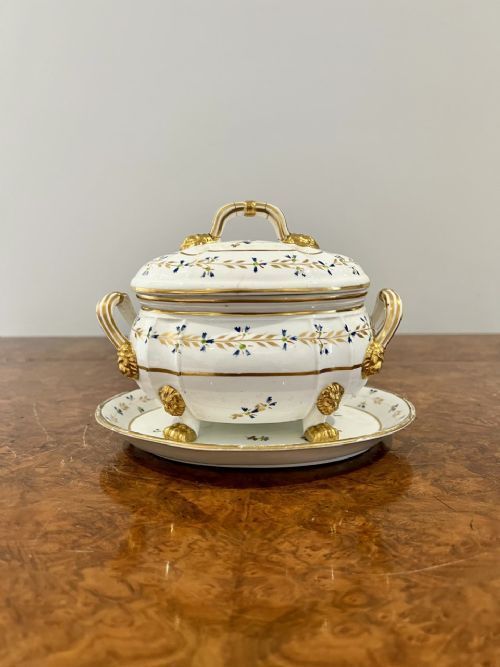


Georgian Porcelain Tureen Cover
These georgian porcelain tureen cover pieces are refined ceramic table elements designed to keep rich sauces and soups warm during formal dining.
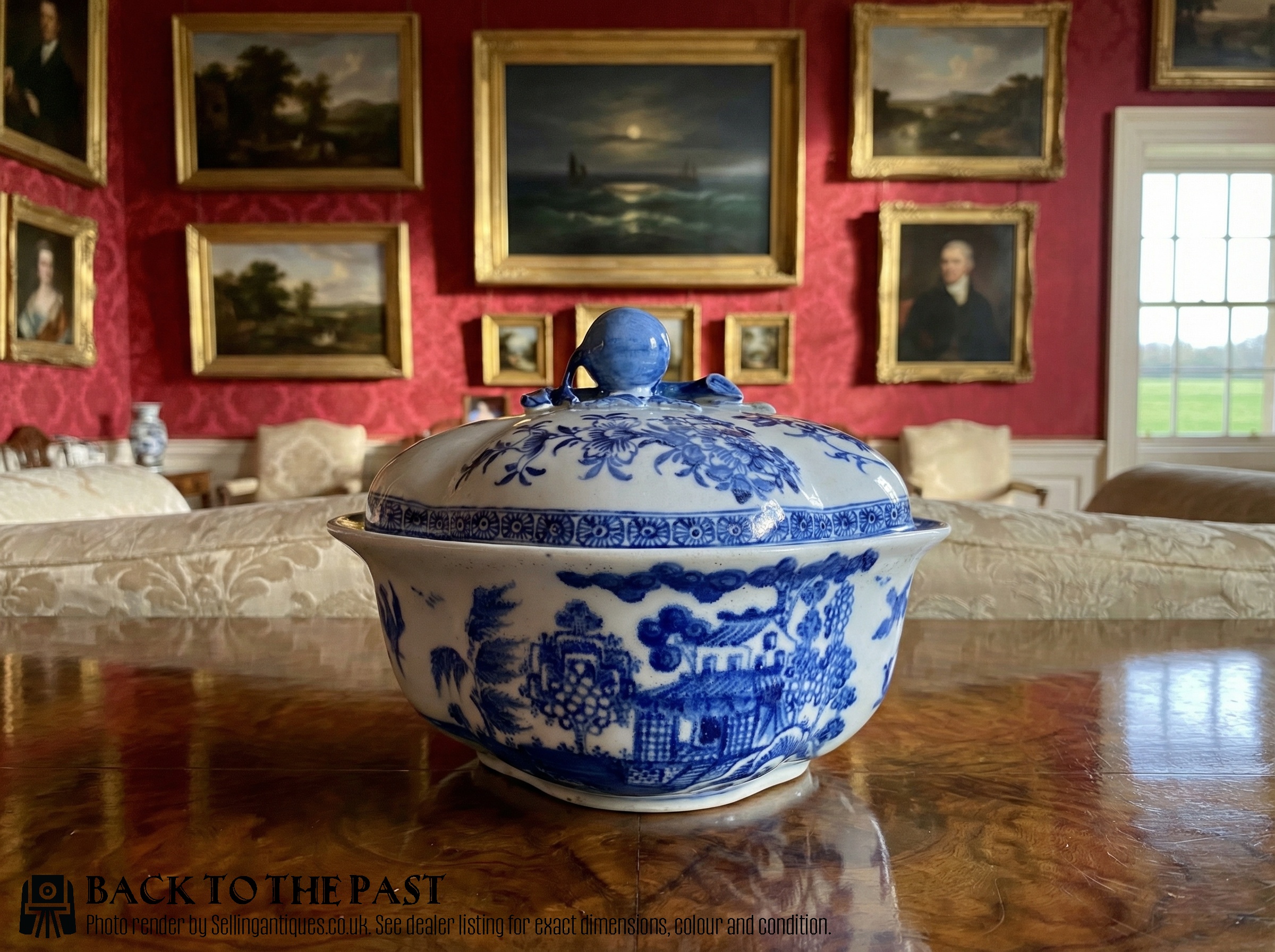
Georgian Porcelain Tureen Cover
A georgian porcelain tureen cover is a table vessel top encountered mostly across the eighteenth century and the nineteenth century, including the regency period and the year 1800. The forms span sauce tureens, centerpiece bowls, chestnut baskets and lids, and entrée dishes made for formal dining.
Most examples originate from English factories and workshops operating during the georgian era, utilising porcelain, soft-paste porcelain, ironstone, earthenware, and pearlware. These items served a functional role on the dining table before surviving as decorative ceramics and servingware.
How they were made
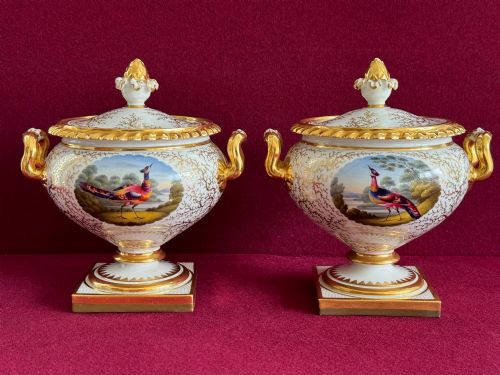
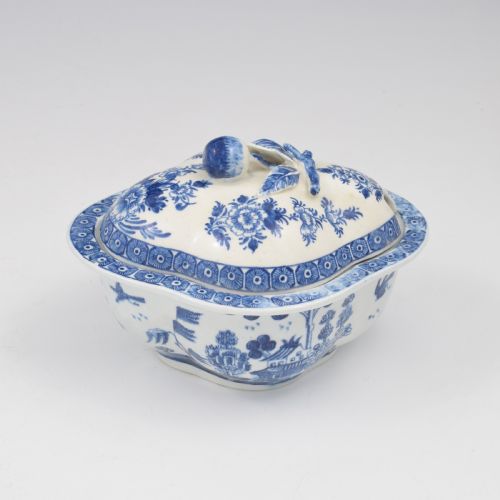
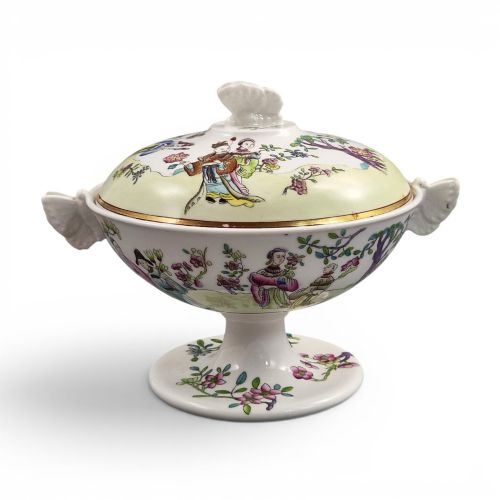
Makers shaped soft-paste porcelain and ironstone into complex vessel bodies and fitted them with matching lids, frequently applying gold leaf and enamel decoration by hand. Artisans utilised intricate moulding techniques to produce quatrefoil profiles, pedestal bases, and sculptural handles such as butterfly motifs.
Firing ceramic bodies required careful temperature control in kilns, followed by the application of underglaze blue painting or overglaze polychrome patterns like Chinoiserie Mandarin designs. Guilds and factories finished these pieces with delicate gilt accents and hand-painted botanical studies.
Several eighteenth-century soup vessels feature tiny butterfly handles that seem ready to flutter off the porcelain rim.
What varies in quality
The degree of artistic execution in hand-painted botanical motifs or Chinoiserie Mandarin patterns separates standard production from superior examples. Crispness in moulded details, such as butterfly handles and quatrefoil rims, indicates greater skill during the forming process.
The preservation of original gold leaf gilding and enamel colours without excessive rubbing affects the visual appeal of a tureen cover. Additionally, the precise formulation of soft-paste porcelain or ironstone influences the weight, translucency, and durability of the ceramic body.
Derby Porcelain·Swansea·Spode·Mason's Ironstone·Crown Derby·Worcester Dr Wall·Flight Barr And Barr·Coalbrookdale
The Georgian Porcelain Tureen Cover Glossary
- Soft-Paste Porcelain
- A ceramic composition made from glass frit and white clay rather than hard-paste ingredients. This formula fires at lower temperatures and appears on many eighteenth-century English vessels.
- Pearlware
- A refined earthenware developed in the late eighteenth century featuring a subtle bluish glaze that pooled in recesses. It bridges the gap between creamware and later white ironstone bodies.
- Ironstone
- A heavy, durable ceramic patent material introduced in the nineteenth century for utilitarian and formal tableware. It resists chipping better than traditional soft-paste porcelain.
- Quatrefoil
- A symmetrical shape composed of four overlapping circles or lobes, frequently utilised for tureen rims and dishes. This geometric outline provides both decorative flair and structural stability.
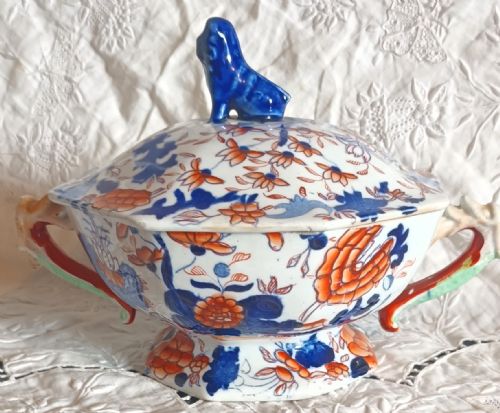
- Imari
- A decorative style inspired by Japanese export wares featuring iron red, cobalt blue, and gilt details. Factories in Worcester and elsewhere frequently adopted this palette for their sauce tureens.
Georgian Porcelain Tureen Cover: Frequently Asked Questions
What is a tureen cover used for?
A tureen cover served to trap heat and aroma above rich gravies, soups, and sauces during multicourse dining.
Placed over its matching base, the lid kept culinary preparations warm between the kitchen and the formal dining table.
How do I date a porcelain tureen?
Dating relies on examining the ceramic body, glaze characteristics, and factory marks underneath the base. Soft-paste porcelain and pearlware typically point towards the eighteenth century or early nineteenth century.
Stylistic cues such as Regency forms or Chinoiserie transfer prints help narrow the manufacturing window further.
Are ironstone and porcelain different?
Porcelain is a vitrified, translucent ceramic fired at high temperatures, whereas ironstone is a dense, opaque earthenware developed for durability. Ironstone offers greater resistance to heavy daily use.
Both materials received hand-painted enamels and gilt highlights during the Georgian era.
How should I display antique tureens?
Antique tureens and their covers display best on stable flat surfaces away from direct sunlight and heavy foot traffic vibrations. Keeping the lid resting securely on the base maintains the intended silhouette.
Proper cabinet lighting can highlight hand-painted botanical details and gilt handles without generating damaging heat.