





Georgian Porcelain Statues
These georgian porcelain statues bring mythological figures, allegorical seasons, and rustic subjects into sharp ceramic focus.
Georgian Porcelain Statues
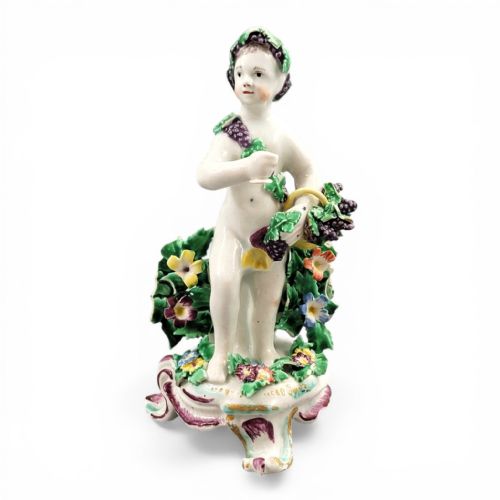
When you search for georgian porcelain statues, you encounter figures made primarily during the eighteenth and early nineteenth centuries. These pieces take the form of individual figurines, pairs of animals, and mythological groups representing deities or continents.
The versions you meet most frequently on this page originate from Derby and Bow. They depict subjects ranging from classical figures such as Jupiter and Juno to pastoral shepherds and musicians.
The manufacturing dates span the patch period and the Bloor period, reflecting shifts in ceramic bodies and modelling over several decades.
Materials and production methods
Makers utilised soft-paste porcelain as the primary body for the earlier figures, applying enamel colours and gold leaf highlights by hand. Gilding and enamel work define the surface detail on pieces from the patch period onward.
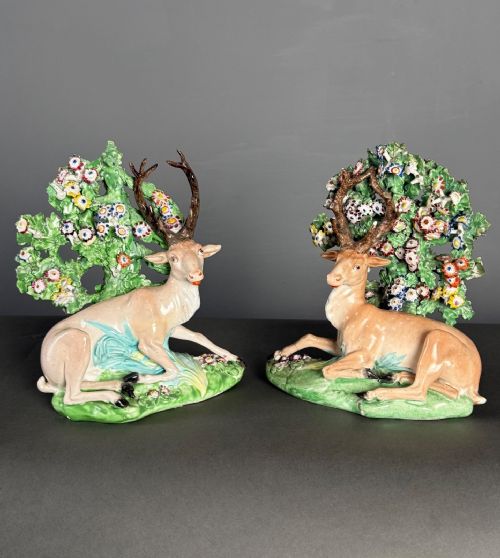
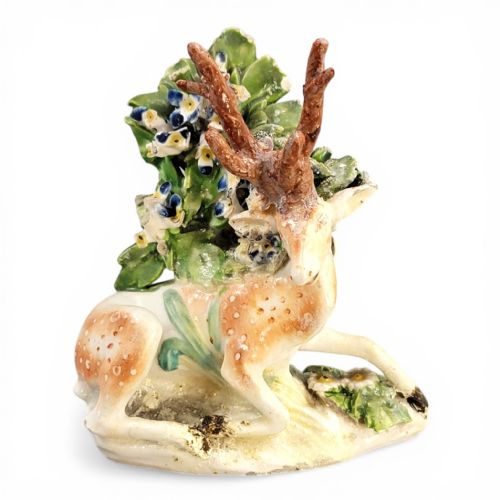
Early ceramicists occasionally modeled recumbent stags with such relaxed expressions that they appear to be dozing off mid-pasture.
Assessing quality in ceramic figures
The ambition of the composition dictates the grade of the piece. Single animals and basic figures contrast with large, multi-figure groups such as allegories of the continents or mythological scenes, which demand greater skill from both modeller and kiln worker.
Derby·Bow·Chelsea·Limbach·Minton·Ludwigsburg
The Georgian Porcelain Statues Glossary
- Soft-paste porcelain
- An artificial porcelain body composed of white clay, glass, and ground frit, fired at lower temperatures than hard-paste porcelain. This body provides the characteristic warm tone seen in early figures.
- Patch mark
- A small, unglazed scar on the underside of a porcelain figure left by the kiln support props during firing. These marks serve as indicators for dating eighteenth-century works.
- Gold anchor period
- A phase in porcelain production identified by a small gold anchor painted on the base. It denotes a period of rich gilding and refined enamel decoration.
- Bloor period
- An era of production associated with the Derby factory under the direction of Robert Bloor. Figures from this time typically display vibrant enamelling and heavier gilding.
- Blanc de chine
- A French term for white porcelain without coloured glaze. Pieces in this finish rely entirely on the purity of the ceramic body and the precision of the modelling.
Georgian Porcelain Statues: Frequently Asked Questions
What are georgian porcelain statues?
These pieces are glazed ceramic sculptures created in Britain and continental Europe during the eighteenth and early nineteenth centuries. They portray classical deities, allegorical representations of seasons and continents, and pastoral figures.
Makers shaped them to adorn formal dining tables and decorative mantelpieces in period interiors. Their scale allows them to function as cabinet displays rather than monumental sculptures.
How do I identify a patch period figure?
A patch period figure displays small, unglazed circular marks on the base where triangular kiln supports held the piece steady during firing. These marks appear frequently on eighteenth-century Derby items.
The presence of these scars points to early manufacturing techniques before more sophisticated kiln furniture and saggers became standard practice.
What subjects do these figures show?
The subjects divide into mythological figures, theatrical characters, allegories, and rustic characters. You encounter representations of Jupiter, Juno, Mars, and Bacchus alongside the four seasons and the four continents.
Other examples depict shepherds, musicians, and literary figures. These themes reflect the eighteenth-century taste for classical learning and idealized pastoral life.
How should I care for porcelain figures?
Keep these items away from direct sunlight to protect the enamel colours and gilding from fading over time. Dust them gently with a soft, dry brush rather than liquid cleaners.
Avoid moving them frequently, as fragile elements like fingers, musical instruments, and floral appliques are vulnerable to impact.
How do soft-paste and bone china differ?
Soft-paste porcelain is an early ceramic recipe containing glass and frit that yields a translucent body with a warm tone under the glaze. Bone china incorporates calcined bone ash, producing a harder and wheter material.
Figures from the eighteenth century primarily use soft-paste bodies, while nineteenth-century works increasingly utilise bone china.