



Georgian Porcelain Serving Dish
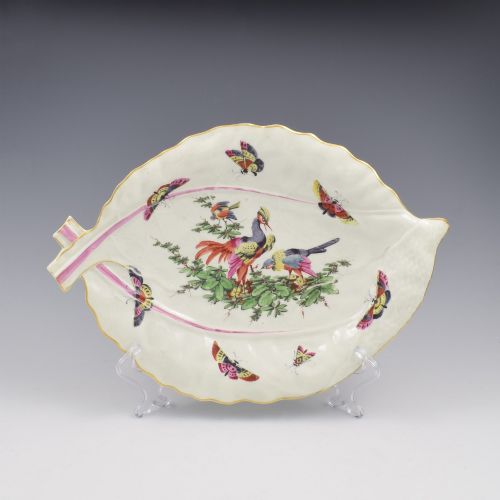
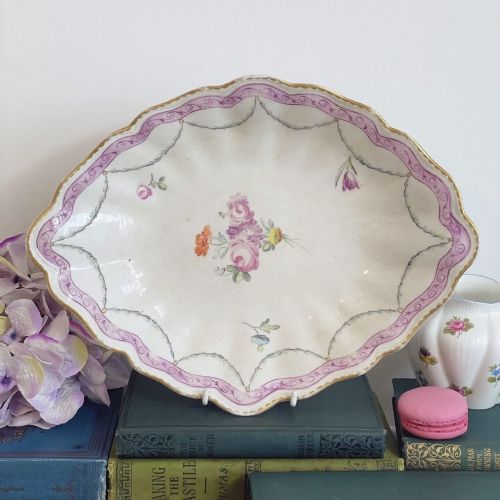
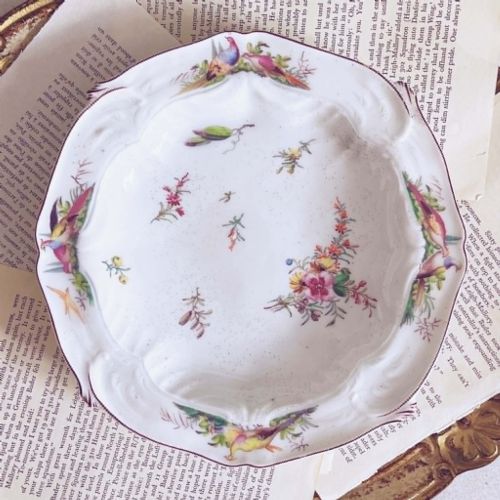
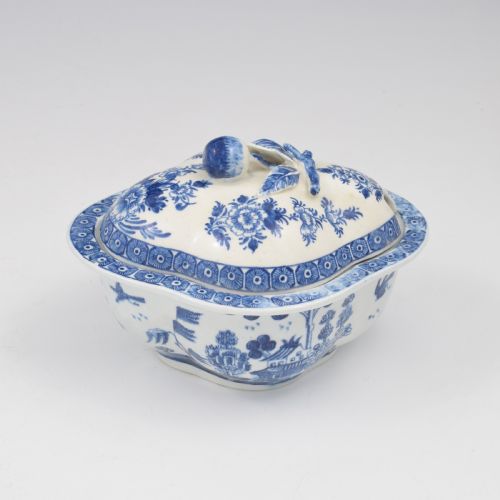
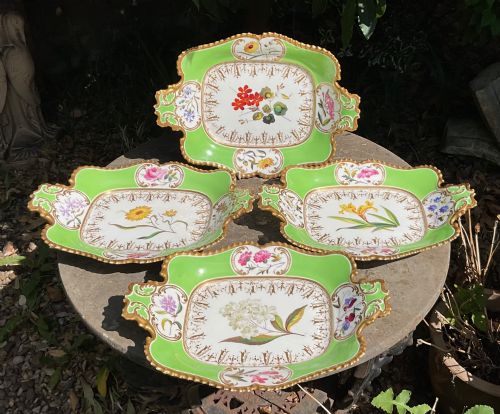
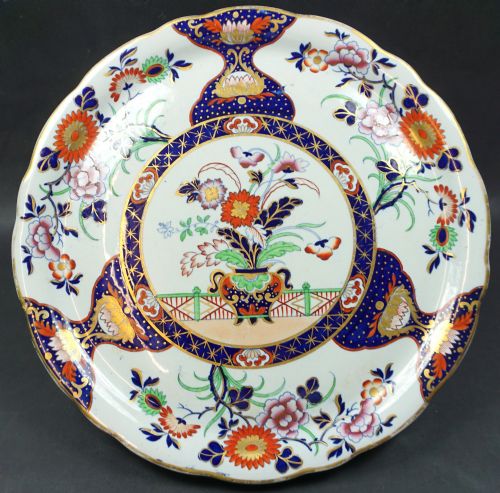
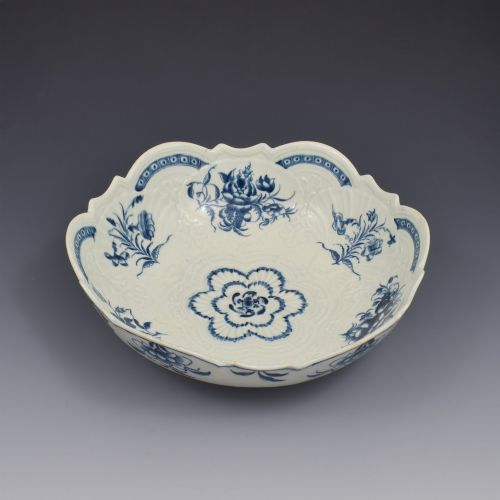
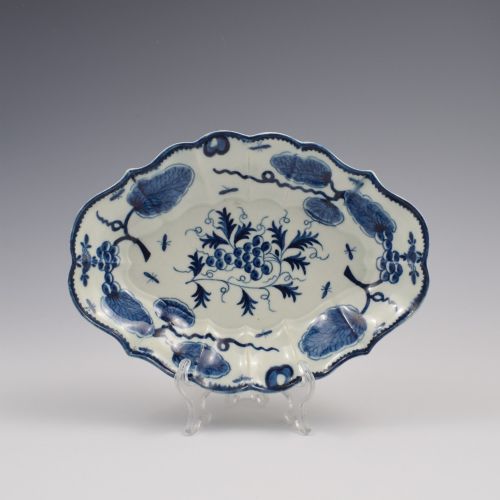
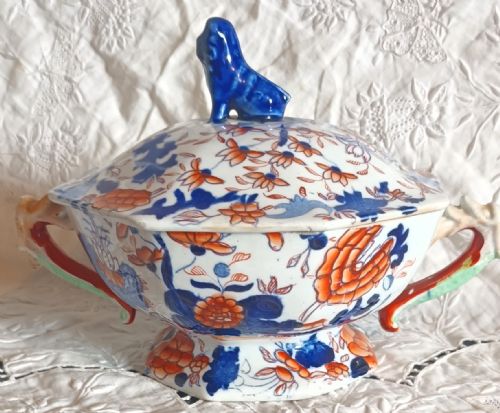
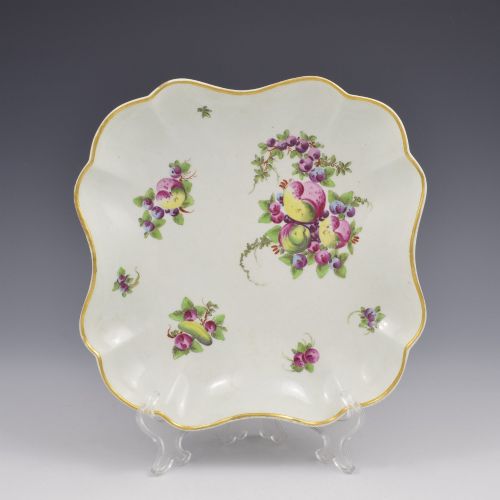
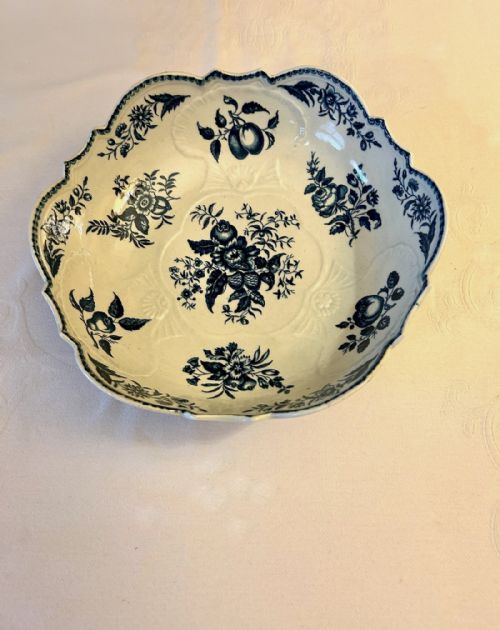
A georgian porcelain serving dish brings eighteenth-century dining tables to life with handpainted flowers and gilt detail.
What They Are
A georgian porcelain serving dish spans the eighteenth century, taking the form of serving dishes, dessert dishes, and decorative dishes used in polite dining. These pieces arrive from the eighteenth century, demonstrating the sophisticated table manners and decorative arts of the period.
How They Were Made
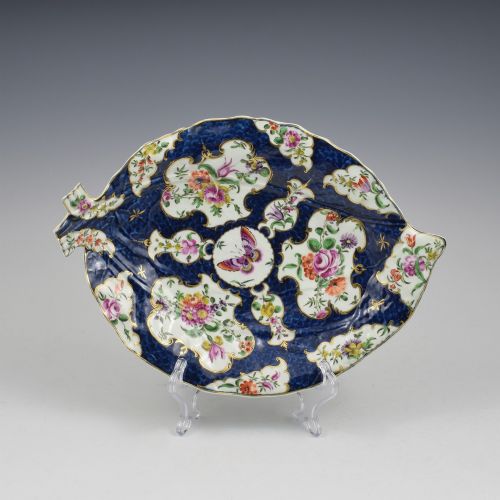
Potters utilised soft-paste porcelain and standard porcelain bodies, shaping them into specialised leaf dishes and serving vessels. These bodies received smooth glaze coats before skilled painters applied handpainted polychrome enamel designs.
Makers embellished the porcelain surfaces with intricate handpainted flower motifs and delicate gold leaf detailing. Kiln firing fixed the enamel colours and the precious gilding to the porcelain body.
Early porcelain makers occasionally painted rubber tree plants onto dessert dishes, bringing strange botanical specimens straight into the eighteenth-century dining room.
What Varies in Quality
Quality rests upon the skill of the handpainted decoration, distinguishing precise polychrome floral work from simpler application. The finesse of the gold leaf application and the preservation of the delicate glaze further elevate superior examples.
The artistic ambition of the moulding separates standard table wares from ambitious decorative dishes featuring complex botanical or exotic motifs. Superior pieces demonstrate complete control over both the ceramic body and the enamelling kiln.
Derby
The Georgian Porcelain Serving Dish Glossary
- Soft-paste porcelain
- An artificial ceramic composition fired at lower temperatures than true hard-paste porcelain. English factories favoured this material during the eighteenth century for its warm tone and receptive glaze.
- Polychrome
- Decoration employing multiple distinct enamel colours in the painted design. Eighteenth-century artists used these palettes to render naturalistic flowers and exotic patterns.
- Gold leaf
- Hammered gold beaten into extremely thin sheets and applied to porcelain surfaces as gilding. This precious metal detail was fixed during a secondary low-temperature firing.
- Glaze
- A glassy coating fused to the porcelain body during firing to seal the porous clay and provide a smooth surface. It protects the delicate handpainted enamel decoration beneath or beneath it.
- First period
- The foundational era of a porcelain manufactory's production, denoting early and often most collectible output. Pieces from this time carry specific factory marks associated with the initial decades of operation.
Frequently Asked Questions
What is a georgian porcelain serving dish?
These eighteenth-century ceramics served food at formal dining tables or functioned as decorative dessert vessels. They encompass serving dishes and specialised leaf-shaped forms.
Peculiarities of shape and decoration reflect the changing dining fashions of the Georgian era, when sweet courses required dedicated display wares.
How do I date these dishes?
Dating relies on stylistic markers, manufacturing composition, and factory marks recorded across the eighteenth century. Soft-paste porcelain bodies and specific handpainted motifs offer primary clues.
Comparison with documented factory output helps narrow the production window to specific decades within the Georgian period.
Can I use them for food?
While originally designed for eighteenth-century dining, these fragile soft-paste porcelain antiques require careful handling today. Most owners treat them as decorative display pieces.
Modern dishwashers and microwaves will damage the historic glaze, enamel, and gold leaf.
How should I clean my dish?
Dusting with a soft, dry cloth is usually sufficient for maintaining eighteenth-century porcelain display pieces. Harsh chemical cleaners and abrasive scrubbing must be avoided entirely.
If washing is necessary, use lukewarm water and mild soap without soaking the antique ceramic body.