




Georgian Plain Stem Glass
A georgian plain stem glass brings eighteenth-century dining tables to life with honest proportions and historic weight.

Georgian Plain Stem Glass
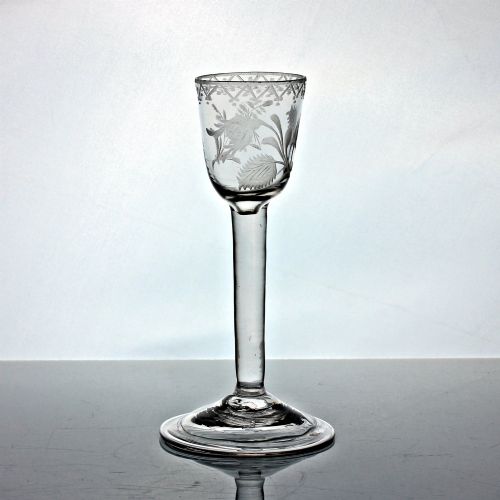
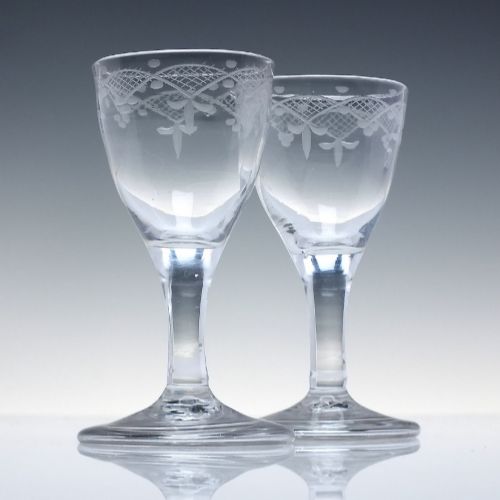
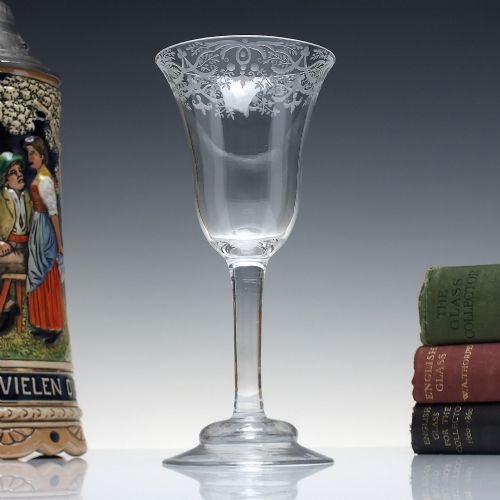
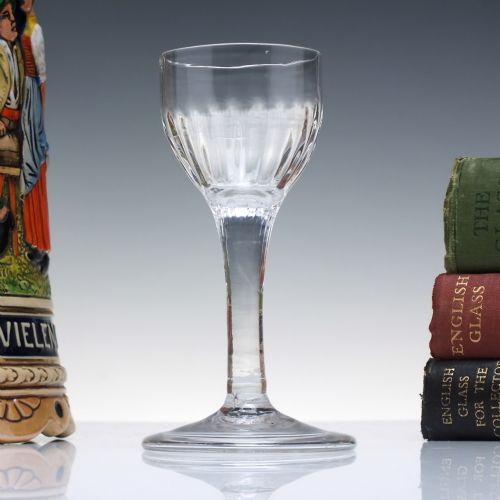
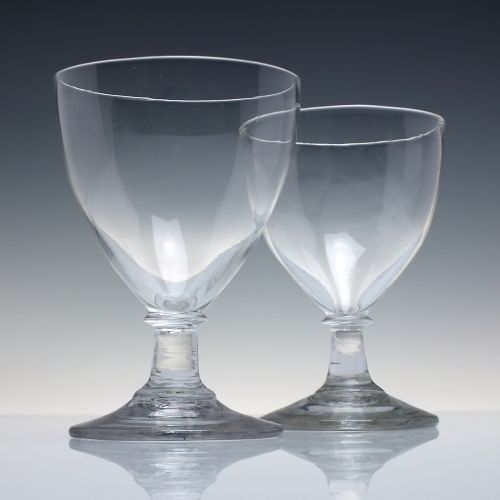
A georgian plain stem glass belongs to the eighteenth century, defined by straightforward vertical stems supporting bowls for wine, ale, cordial, or drams. The most common form on this page is the wine glass with a trumpet, ovoid, or cup bowl, often accompanied by ale glasses and heavy firing glasses.
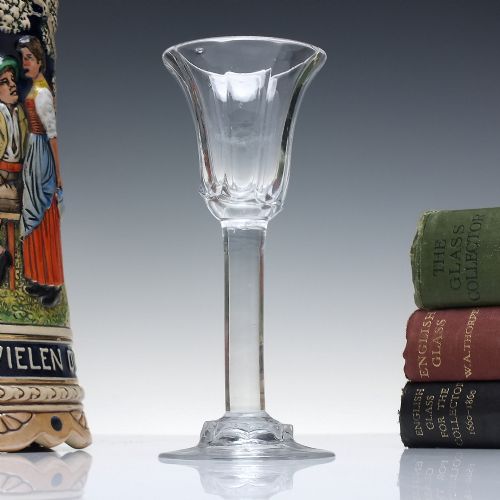
The archive shows that collectors encounter specialised variants alongside standard wine vessels, including toastmaster's glasses, short wine glasses, and tall goblets. Many examples feature folded feet or air tears trapped within the stem.
Engraved decoration appears frequently across the pieces, displaying motifs such as vines, hop and barley, six-petal roses, and hunting scenes with a fox and the text "Tally Ho". Plain stems also occur with facet-moulded or inverted petal-moulded bowls.
Materials and construction
Makers produced these drinking vessels using lead glass, lead crystal, flint glass, and clear glass. The adoption of lead flux gave the material greater weight and optical clarity than soda glass.
Artisans formed the objects using blown glass techniques, shaping bowls and drawing out cylindrical stems by hand. Feet were manipulated into folded rims or finished with undersewn and oversewn edges for stability.
Georgian Plain Stem Glass Retail Price Guide 2026
Typical asking prices for georgian plain stem glass among the pieces listed under this phrase on Sellingantiques today, from the lower quarter to the upper quarter. They describe what is for sale here now, not the wider market.
Listings for georgian plain stem glass heavily feature clear glass and lead crystal formed into wine, ale, and firing glass shapes.
Distinctions in quality
Quality rests on the balance of the vessel, the purity of the metal, and the crispness of any wheel-engraved detail. Superior examples display harmonious proportions between bowl, stem, and foot without awkward thickness.
The Georgian Plain Stem Glass Glossary
- Plain Stem
- A straight, unadorned cylindrical glass stem connecting the bowl to the foot. This form represents the primary focus of this page.
- Air Tear
- An elongated bubble intentionally trapped inside the stem during manufacture. It catches the light and adds a subtle decorative element.
- Folded Foot
- A base where the outer edge of the glass is turned underneath to create a thickened, rounded rim. This technique provided extra strength to the base.
- Firing Glass
- A heavy-footed drinking vessel designed with a thick, robust base for striking on a table instead of toasting. These were used during lodge meetings and gatherings.
- Lead Crystal
- A heavy glass composition containing lead oxide that increases brilliance and refractive index. It forms the primary material for eighteenth-century drinking vessels.
Georgian Plain Stem Glass: Frequently Asked Questions
What is a plain stem glass?
A plain stem glass is an eighteenth-century drinking vessel featuring an unadorned, straight cylindrical stem.
These pieces span wine glasses, ale glasses, and dram glasses produced during the Georgian period.
How were firing glasses used?
Firing glasses were manufactured with unusually heavy, solid feet to withstand being banged against wooden tables.
This action served as the eighteenth-century equivalent of applause during toasts and formal gatherings.
Why do some feet have folds?
Makers folded the outer edge of the glass underneath the foot during shaping to add structural reinforcement.
This technique protected vulnerable edges from chipping during daily use on tavern and dining tables.
What is an air tear?
An air tear is a small, elongated bubble caught inside the molten glass of the stem.
Glassmakers deliberately formed these air inclusions to catch candlelight and enhance the visual interest of the piece.