

Georgian Pine Storage
Georgian pine storage comprises sturdy wardrobes, mule chests and kitchen cupboards built to organise domestic spaces with honest utility.
Georgian Pine Storage
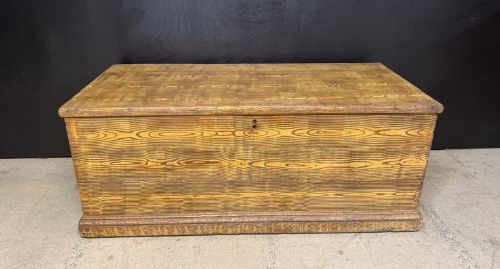
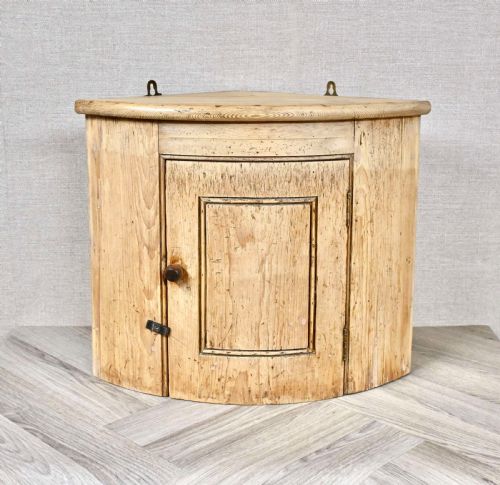
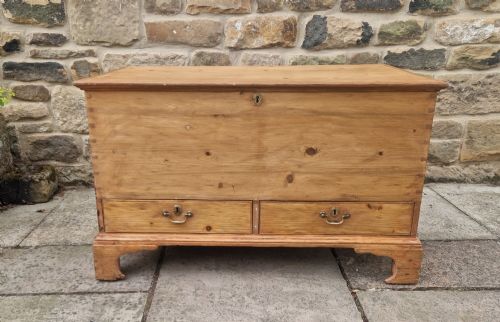
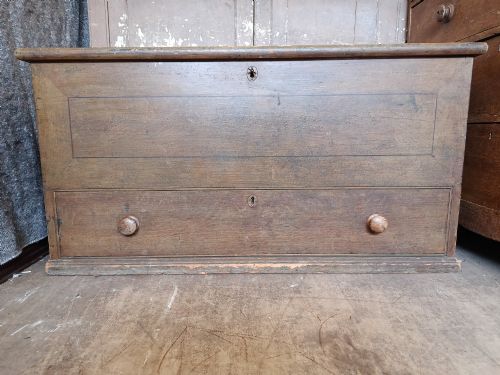
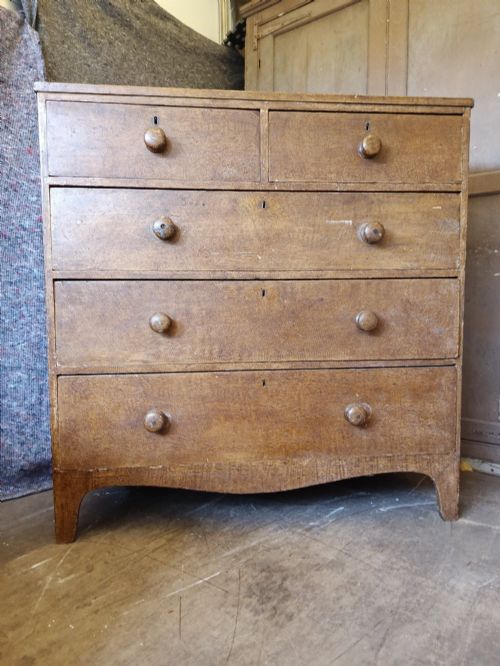
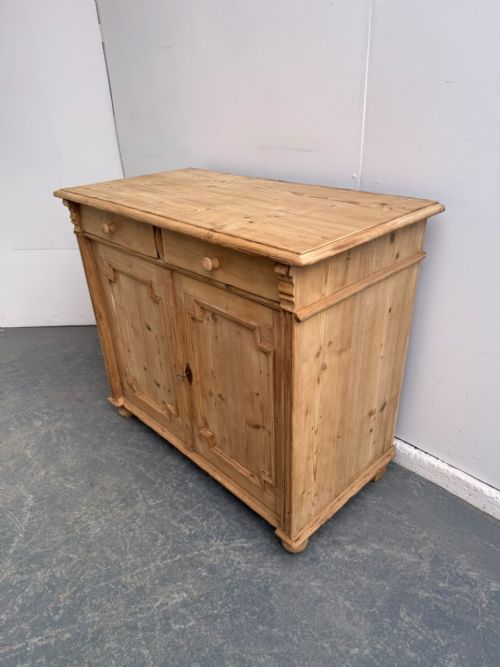
When you search for georgian pine storage, you encounter functional domestic furniture built from softwood during the eighteenth and nineteenth centuries. The pieces on this page span wardrobes, mule chests, kitchen dressers, food cupboards, benches and corner cabinets originating from English and continental workshops.
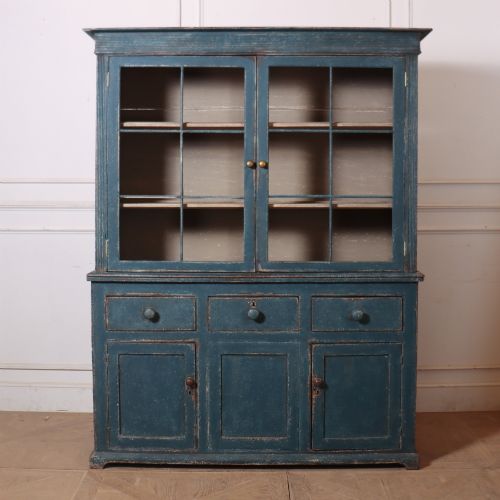
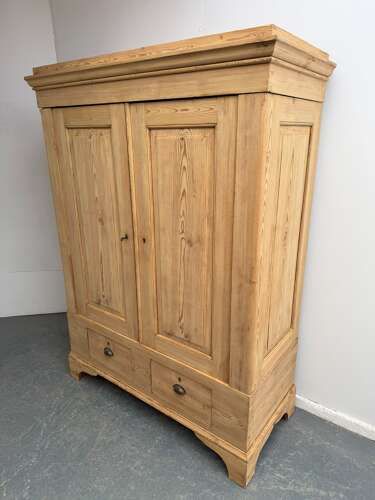
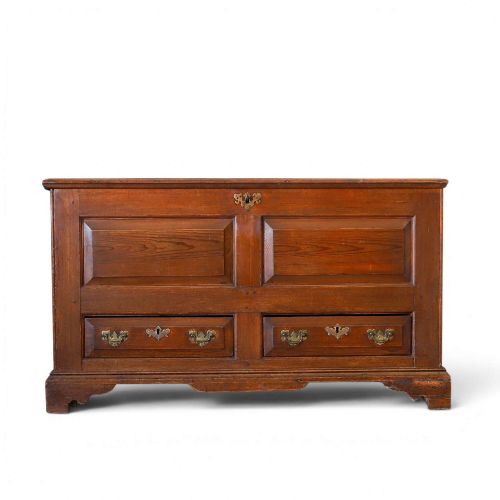
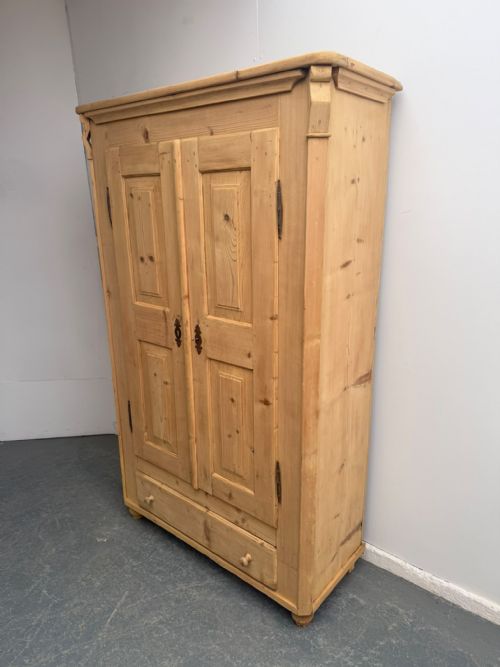
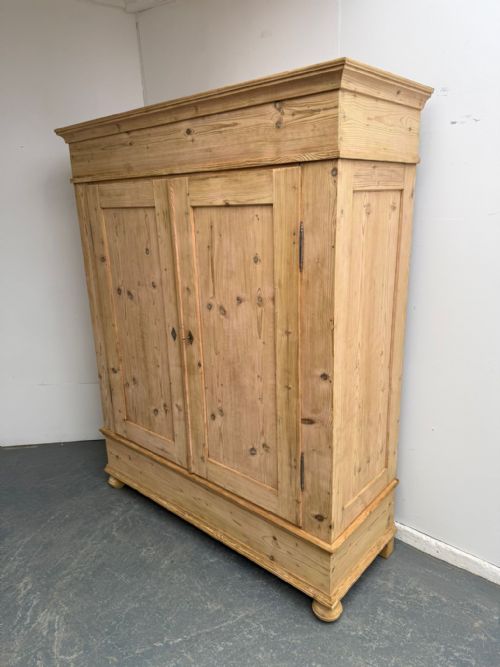
You are most likely to meet large two-door knockdown wardrobes, mule chests with lower drawers, and kitchen cupboards finished in wax or historic paint. These utilitarian items served everyday needs in country houses, cottages and farmhouse kitchens before finding a place in modern interiors.
How they were made
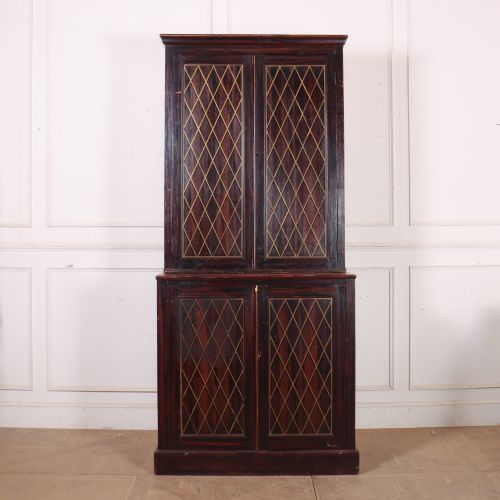
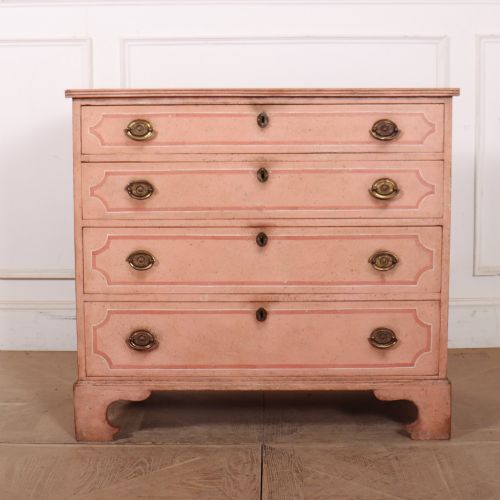
Joiners built these storage pieces primarily using pine, Oregon pine and occasional oak elements, fastened with iron and brass hardware. Surfaces frequently received coats of paint, ranging from blue and teal to black, or remained as waxed wood.
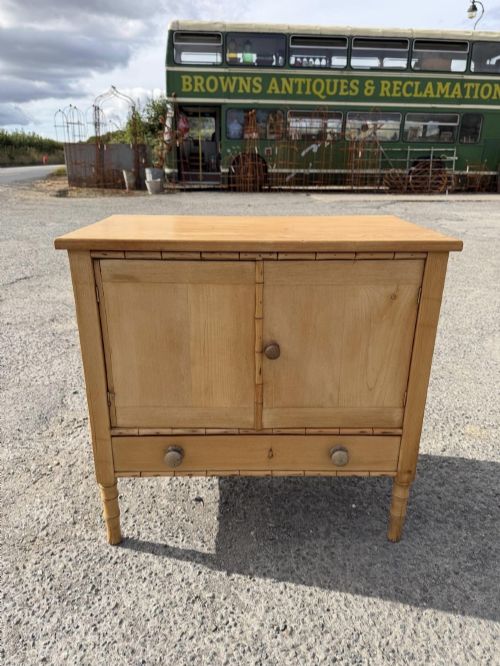
Construction methods prioritised practicality, seen in knockdown wardrobe frames designed for movement between rooms and mule chests fitted with internal compartments. Paint finishes were applied directly to timber, sometimes mimicking finer woods like bamboo.
Listings feature pine storage pieces from the Georgian, Regency and Victorian periods, alongside items dated specifically to 1850, 1880 and 1890.
What varies in quality
Quality rests upon the preservation of original surfaces, whether through untouched historic paint or honest patination on waxed softwood. Pieces retaining their original iron or brass hardware and structural integrity command greater attention from collectors.
Design sophistication also separates standard utility items from finer examples, such as those with bow fronts, breakfront drawers or regional stylistic details like Hungarian folk art decoration.
The Georgian Pine Storage Glossary
- Mule chest
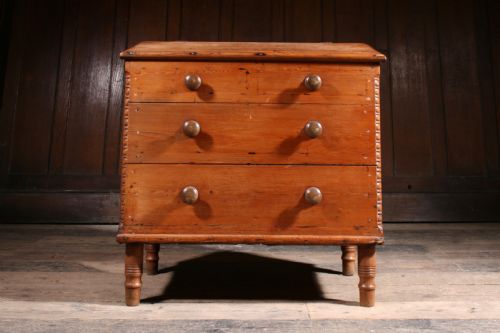
- A traditional storage chest featuring one or more drawers beneath the main lifting compartment. This form bridges the gap between a simple blanket box and a chest of drawers.
- Knockdown wardrobe
- A large wardrobe designed to be dismantled into component panels for transport and reassembly. This technique allowed bulky furniture to move easily between rooms and buildings.
- Dresser base
- The lower section of a kitchen dresser, typically fitted with cupboards and drawers. These sturdy units provided vital workspace and storage in domestic kitchens.
- Settle
- A wooden bench with a high back and solid arms, often incorporating a box seat for storage beneath. They were placed near hearths to block draughts in older homes.
- Faux bamboo
- A decorative technique where pine or other woods are carved and painted to imitate exotic bamboo stems. This nineteenth-century fashion added playful orientalist detail to functional cupboards.
Georgian Pine Storage: Frequently Asked Questions
What is a mule chest?
A mule chest is a traditional storage piece that combines a top-opening blanket box with one or more lower drawers. This design evolved during the eighteenth century to offer easier access to stored textiles without lifting the main lid.
These chests served households as practical linen storage and were frequently built from pine by regional joiners. Their dual storage format makes them versatile furniture items in contemporary bedrooms and hallways.
How do I care for waxed pine furniture?
Waxed pine requires gentle maintenance to preserve its soft sheen and protect the timber from drying out. Regular dusting with a dry cloth prevents particle buildup, while periodic applications of traditional beeswax feed the wood.
Avoid placing these pieces near direct heat sources or in damp conditions, as softwood responds quickly to environmental changes. Proper care enhances the natural patination built up over centuries of domestic use.
Were these cupboards painted originally?
Many pine storage pieces were painted during the eighteenth and nineteenth centuries to protect the softwood and suit prevailing domestic fashions. Paint colours ranged from simple utilitarian coats to decorative finishes like Hungarian folk art.
Some examples retain their original blue, teal, green or black paint, while others were stripped down to raw pine or rewaxed later in their history. Original surface treatments provide valuable evidence of a piece's age and regional origin.
What is a knockdown wardrobe?
A knockdown wardrobe is a large storage cabinet engineered to be easily assembled and dismantled without permanent fixings. This clever construction allowed bulky furniture to pass through narrow doorways and move between properties.
Joiners used peg joints, screws and slot-in panels to secure the frame. This practical feature means many surviving pine wardrobes can still be taken apart for transport today.