

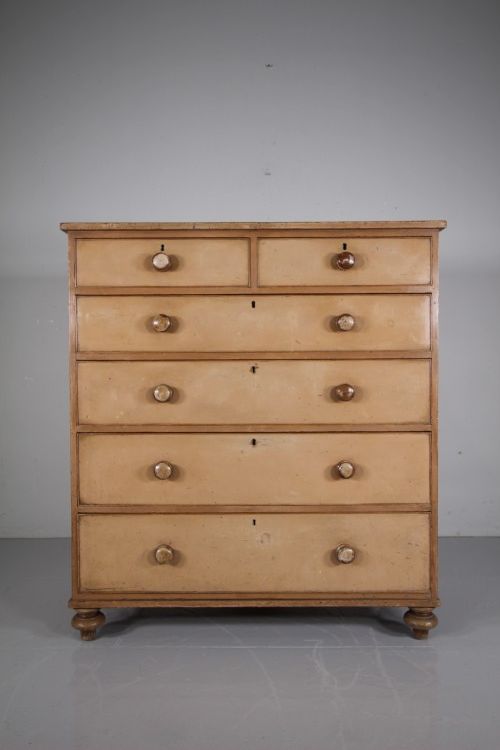


Georgian Pine Storage Chest
A georgian pine storage chest is a utilitarian domestic box built to secure linens and apparel, valued for honest regional craftsmanship and honest domestic timber.
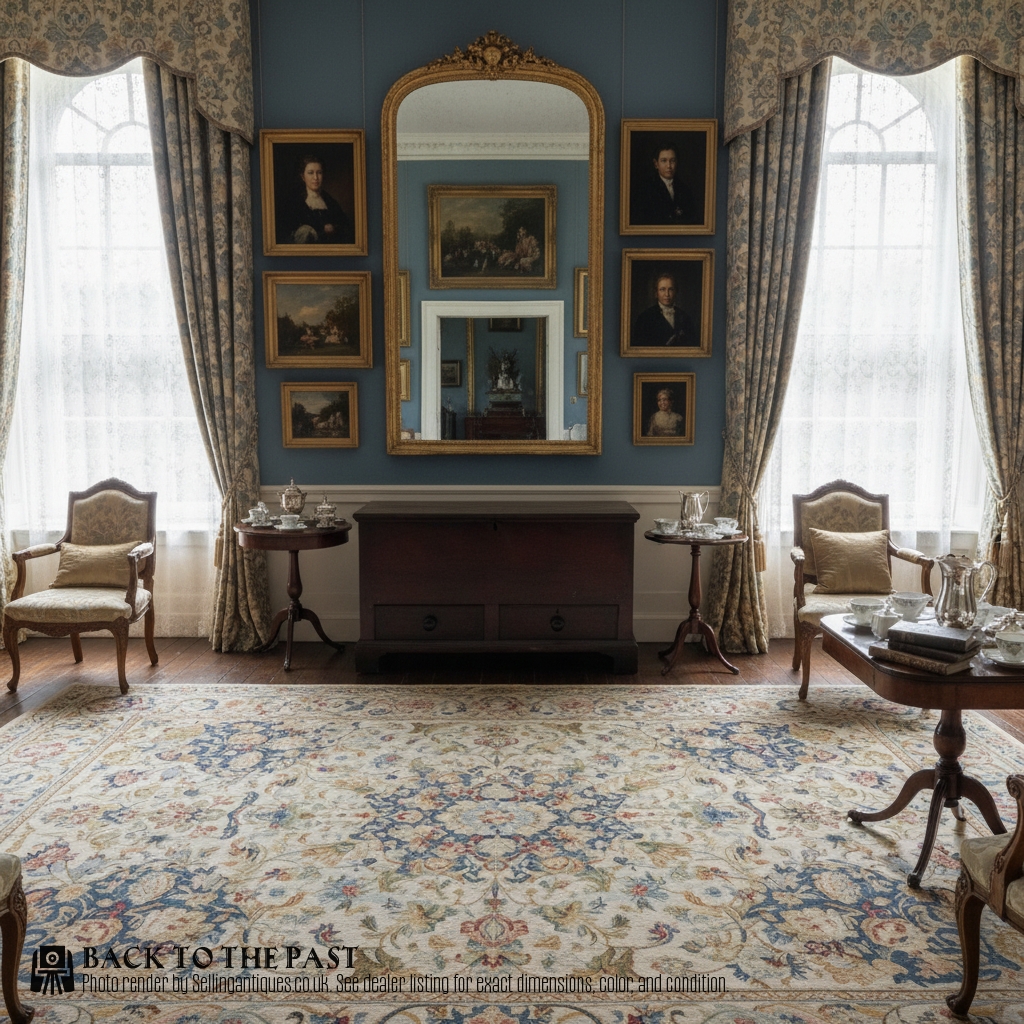
Georgian Pine Storage Chest
A georgian pine storage chest encompasses blanket boxes, mule chests, and coffers originating largely from the eighteenth and nineteenth centuries. These pieces reflect domestic storage needs across English, Welsh, and continental rural settings.
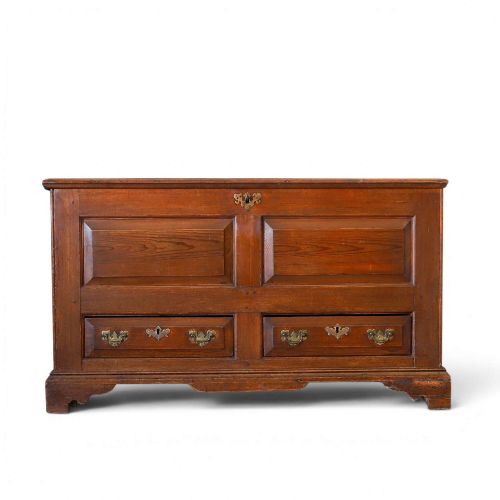
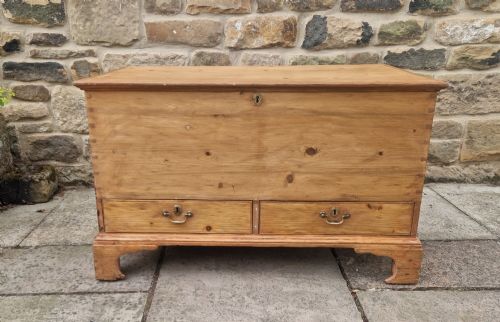
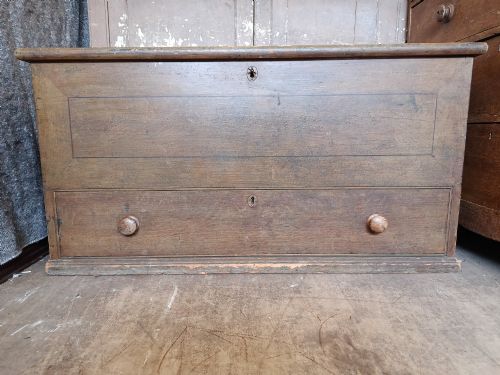
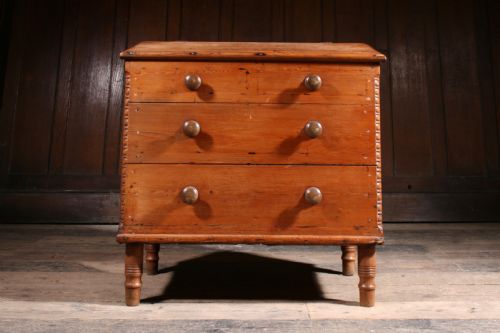
Buyers most frequently encounter mule chests fitted with lower drawer storage, alongside simple hinged blanket boxes. Examples range from plain waxed timber surfaces to pieces retaining original country house paints.
Construction spans regional workshops rather than metropolitan cabinet makers, yielding sturdy proportions designed for daily utility. Timbers lean heavily toward solid pine, occasionally augmented with oak or secondary woods.
Materials and construction
Makers relied on solid pine boards joined with dovetail corners, pegged joints, or simple panelled construction to withstand heavy domestic use. Iron and brass hardware, including strap hinges and carrying handles, provided essential structural reinforcement.
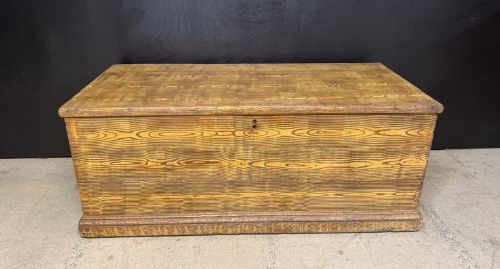
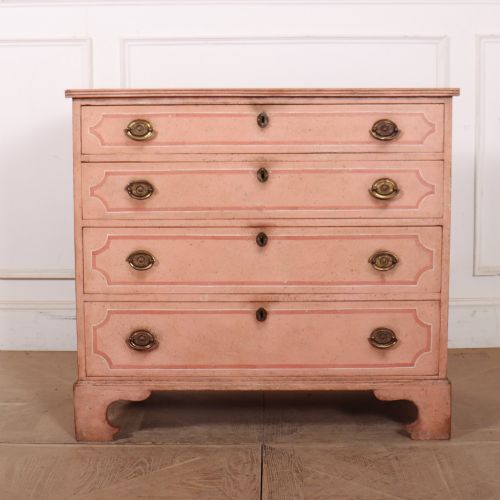
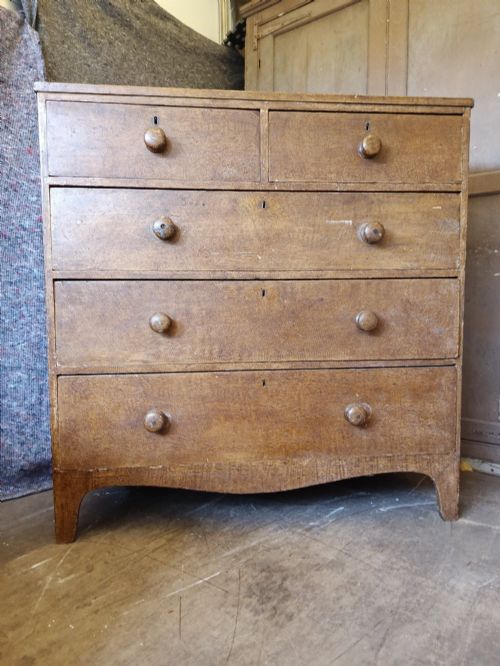
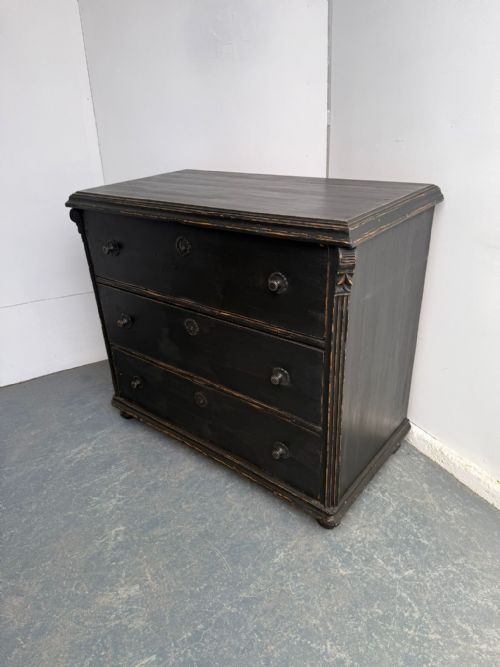
Surfaces were frequently finished with natural wax or layered with oil-based paints, scumble glazes, and folk art pigments. These coatings protected the softwood while recording the decorative tastes of successive generations.
Materials recorded across current inventory include solid pine, painted wood, oak, brass, iron, and ceramic elements.
Assessing quality and integrity
Quality rests in the survival of original surfaces, such as early paintwork or patinated wax, versus later stripped or repainted finishes. Structural survival of original bracket feet, bases, and heavy hardware dictates the piece's integrity.
The refinement of proportion and joinery distinguishes workshop skill, separating simple utilitarian crates from sophisticated regional cabinet work with panelled lids and functional lower drawers.
The Georgian Pine Storage Chest Glossary
- Mule chest
- A blanket box featuring one or more drawers built into the base beneath the main compartment. This form emerged to provide combined storage for hanging garments and folded linens.
- Coffer
- A heavy wooden chest traditionally used for storing valuables or dry goods. Early examples often feature simple boarded construction and robust iron locking mechanisms.
- Scumble paint
- A translucent decorative glaze manipulated with combs or rags to simulate the grain of more expensive hardwoods like oak or walnut. Country workshops utilised this technique on plain pine furniture.
- Bracket foot
- A structural support foot shaped like a small bracket, commonly found on eighteenth and nineteenth-century case furniture. It lifts the chest off damp floorboards.
- Blanket box
- A deep rectangular storage chest designed primarily for woollen blankets and household textiles. Lids were typically hinged with iron strap hinges.
Georgian Pine Storage Chest: Frequently Asked Questions
What is the difference between a blanket box and a mule chest?
A blanket box is a single compartment chest accessed entirely from a hinged top lid. A mule chest incorporates one or more drawers beneath the main box cavity for easier access to stored contents.
This drawer addition evolved during the eighteenth century to save users from unloading the entire top compartment to reach items stored at the bottom.
How do I care for a waxed pine chest?
Maintain waxed pine surfaces by applying a traditional beeswax polish sparingly and buffing with a soft cloth. Avoid placing these soft timber chests near direct heat sources or in damp environments.
Pine reacts to dramatic humidity shifts by expanding or contracting, so steady indoor conditions preserve the original joints and timbers.
Are painted finishes on these chests original?
Original paint surfaces show natural wear, stable craquelure, and layers of historical pigment consistent with the age of the pine timber. Secondary overpainting often hides earlier decorative schemes underneath.
Close inspection under natural light helps identify whether scumble glazes or folk art pigments date to the eighteenth or nineteenth century.
Where were these storage chests originally used?
These chests served primarily in domestic bedrooms, farmhouses, and linen rooms across Britain and continental Europe. Seaman's chests and travel trunks also saw service on maritime vessels.
Their robust construction allowed them to function as movable furniture before fitted wardrobes became standard household fixtures.