
Georgian Pine Furniture
Georgian pine furniture brings honest utility and vernacular charm into a room, offering practical storage through dressers, chests, and cupboards shaped by regional craft traditions.
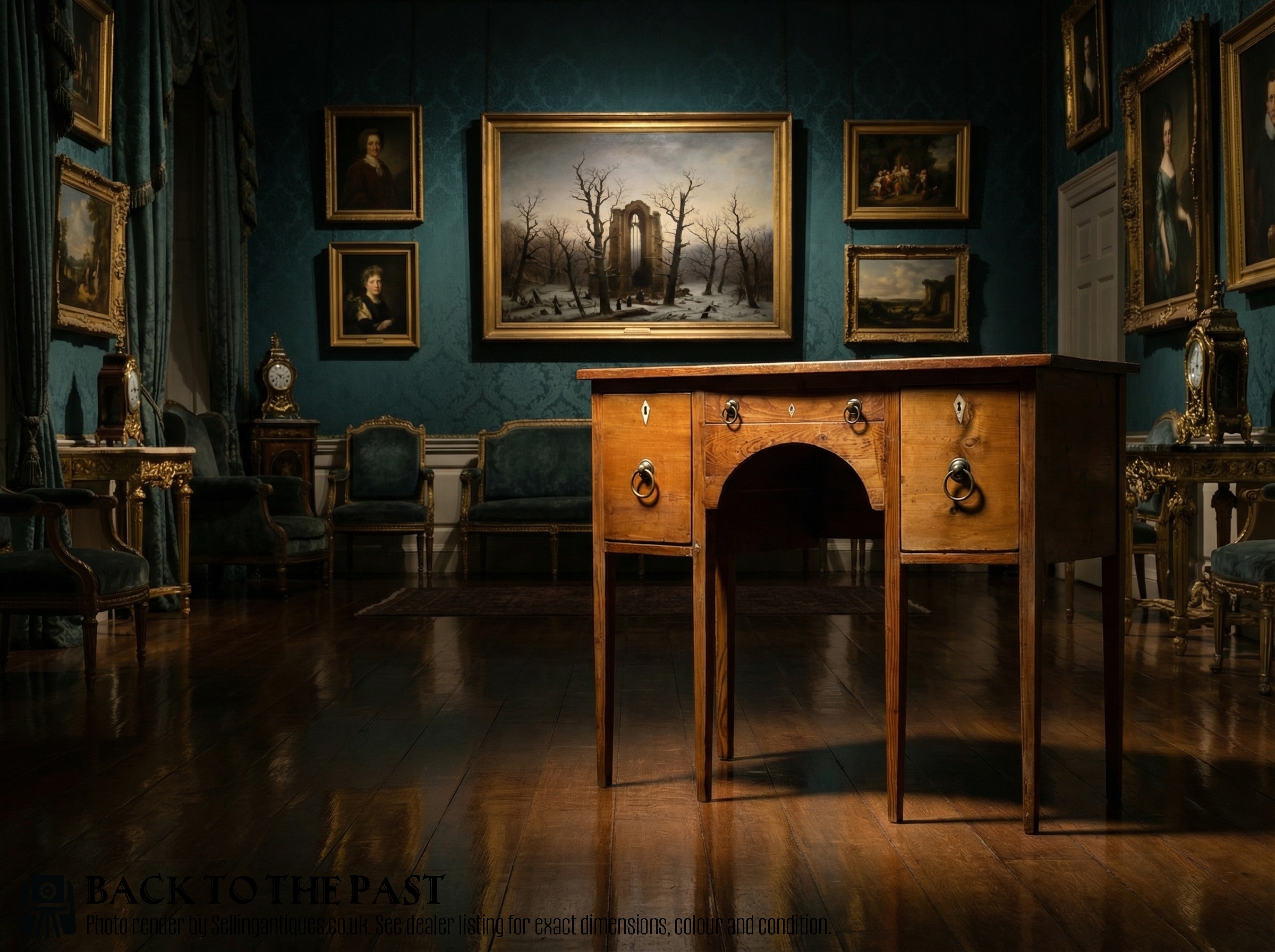
Georgian Pine Furniture
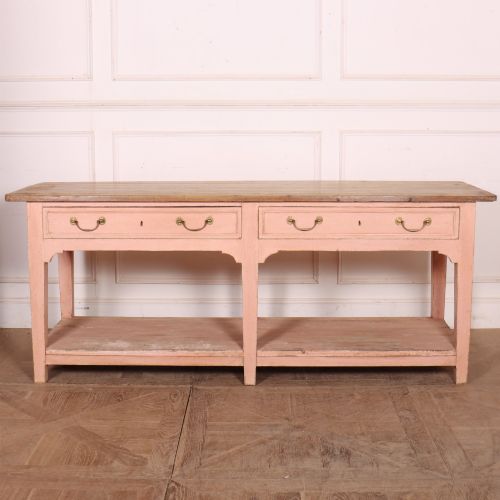
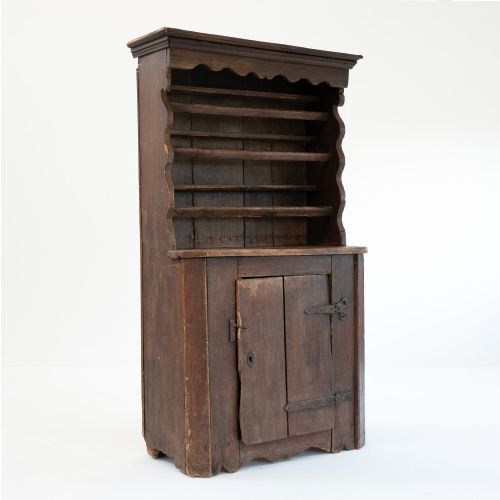
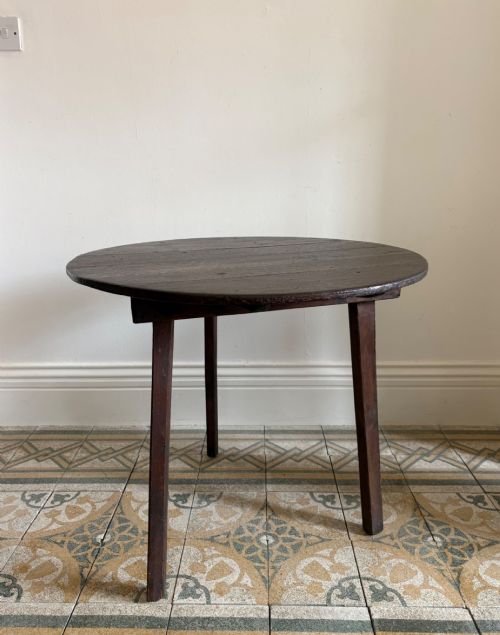
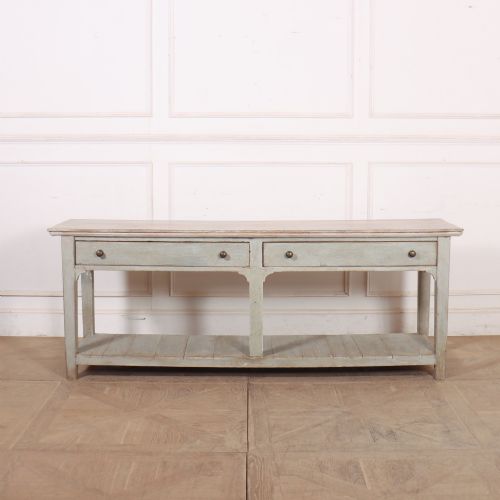
The pieces on this page lean heavily into regional vernacular styles, from West Country housekeepers' cupboards to Welsh potboard bases. Buyers frequently meet items shaped by country life, where pine served as a dependable, accessible timber for domestic and farmhouse interiors.
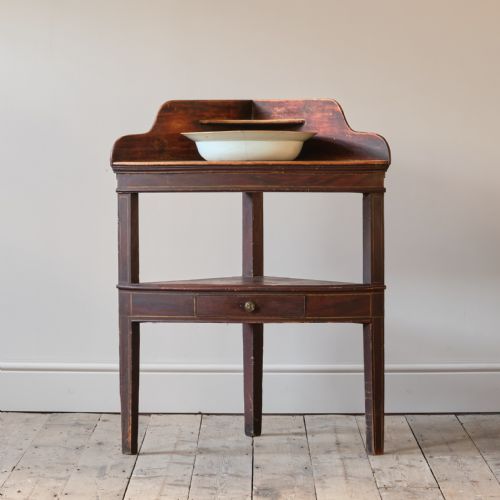
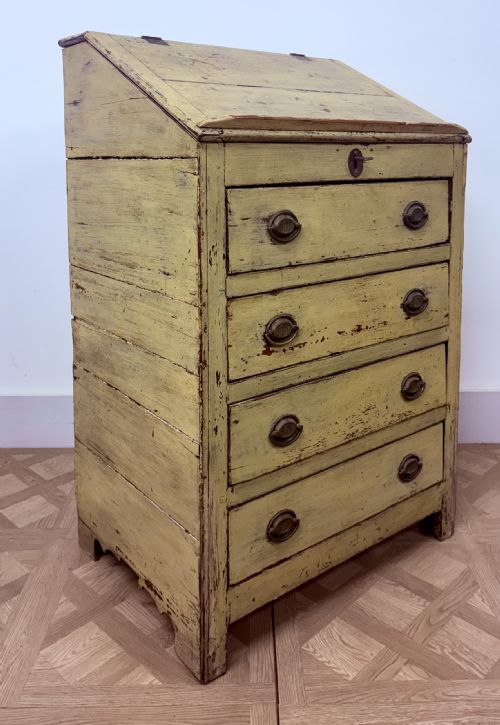
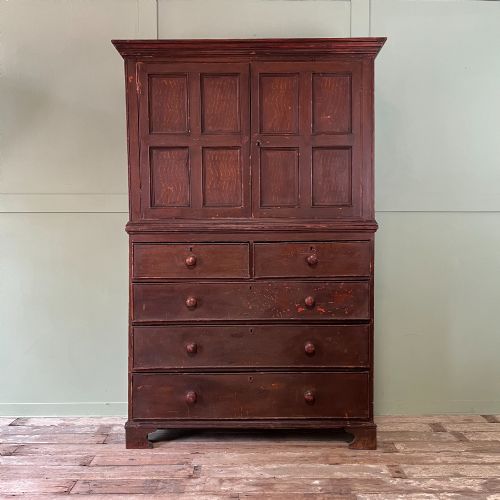
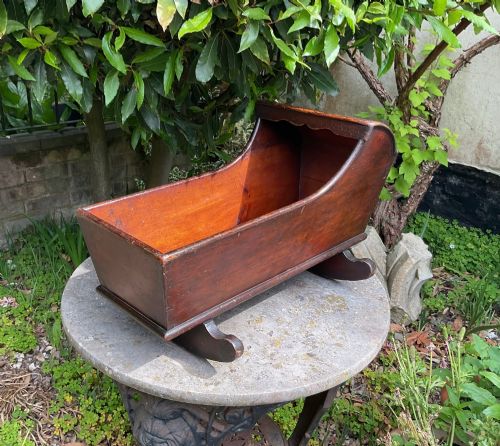
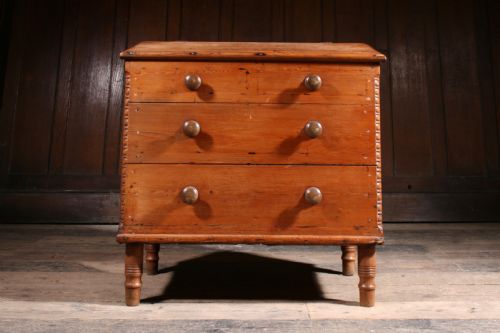
Forms range from compact washstands and doll's cradles to large multi-drawer chests and corner cupboards. Many examples retain historical finishes such as original paint, scumble, or warm wax patinas developed over centuries of household use.
How they were made
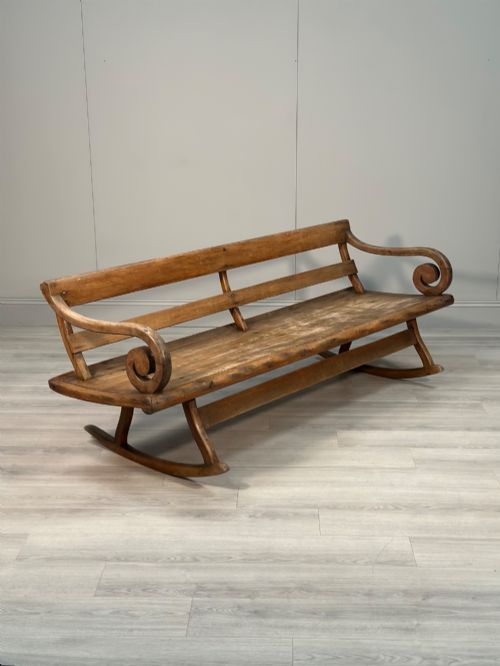
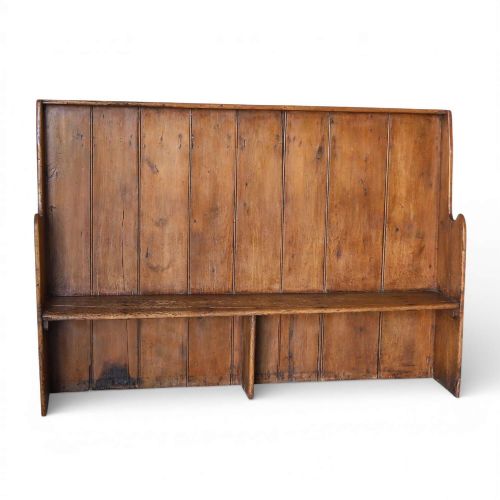
Makers relied primarily on solid pine, occasionally combining it with secondary timbers like sycamore or oak for structural elements such as plank tops. Construction methods prioritise straightforward joinery suited to utilitarian forms like dressers, benches, and box settles.
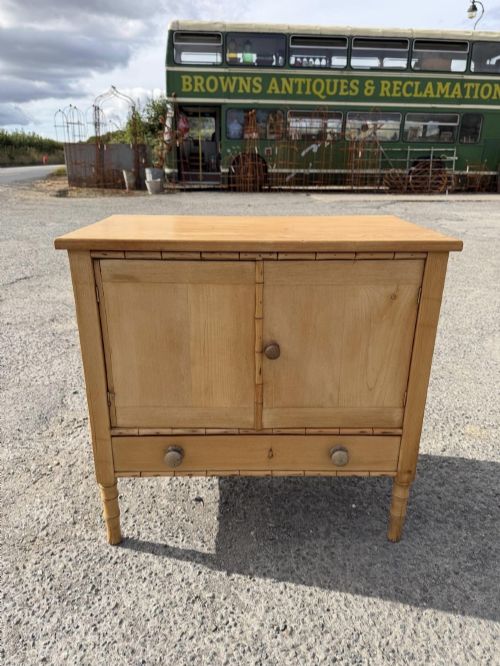
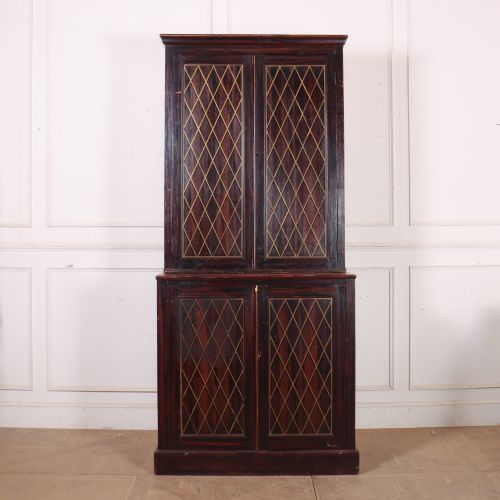
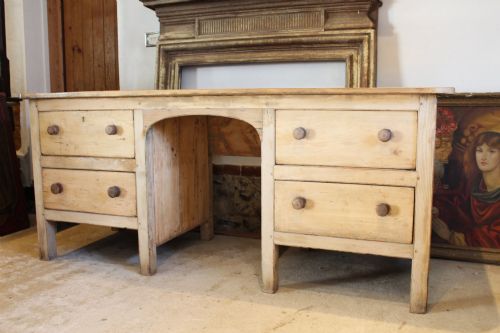
Surface treatments define much of the output, with cabinetmakers applying wax, clear polishes, or decorative finishes including painted schemes, faux bamboo effects, and scumble. Brass and iron hardware, such as bracket feet and drawer pulls, complete the construction of chests and cupboards.
Georgian Pine Furniture Retail Price Guide 2026
Typical asking prices for georgian pine furniture among the pieces listed under this phrase on Sellingantiques today, from the lower quarter to the upper quarter. They describe what is for sale here now, not the wider market.
Among the seating options lies a miniature doll's cradle crib, proving that Georgian infants required proper domestic styling too.
What varies in quality
Quality rests significantly on the survival of original surface treatments, distinguishing pieces that retain their early paint or honest wax patinas from those stripped or heavily refinished later. The integrity of regional proportions and uncompromised structural timbers also separates standard domestic items from finer vernacular examples.
The sophistication of the joinery and hardware choices, such as bracket feet or period brass pulls, marks the distance between basic utility items and more ambitious provincial cabinetmaking.
The Georgian Pine Furniture Glossary
- Settle
- A wooden bench with a high back, solid arms, and often a box seat underneath for storage. These pieces were placed near hearths to block drafts in older homes.
- Potboard
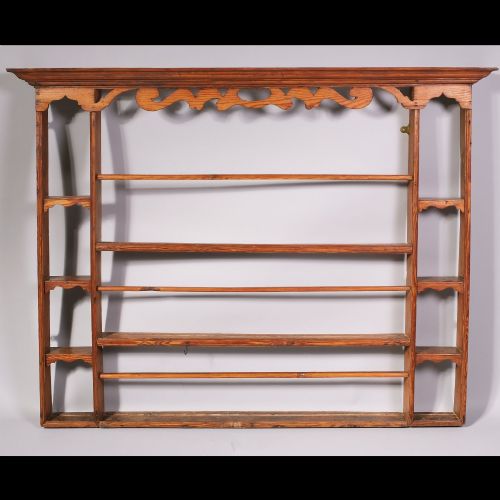
- An open slatted lower shelf on a kitchen dresser, originally designed for storing heavy pots and pans. This feature is particularly characteristic of Welsh and English vernacular furniture.
- Scumble
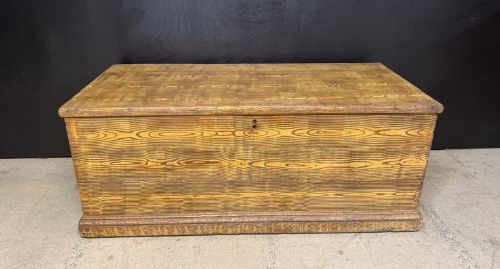
- A decorative painting technique involving a translucent glaze dragged over a base colour to imitate the grain of more expensive woods. It appears frequently on country house furniture.
- Mule chest
- A blanket chest fitted with one or more drawers at the bottom. It represents a transitional form between simple storage trunks and modern chests of drawers.
Georgian Pine Furniture: Frequently Asked Questions
How do I identify original paint?
Original paint exhibits natural wear patterns, craquelure, and subtle tonal variations that match the age of the timber beneath. Pigments should show deep integration with the wood rather than sitting as a modern flat coat.
Look for traces of earlier decorative schemes, scumble effects, or wax build-up in corners and crevices. These physical signs indicate a finish applied during the period of use.
Where were these pieces used?
These items served functional roles in farmhouses, country houses, and provincial homes across Britain and Europe. Kitchens, pantries, and sculleries housed dressers and potboards for daily food preparation and tableware storage.
Bedrooms and parlours accommodated chests of drawers, linen presses, and wardrobes for clothing. Settles and benches occupied hallways and kitchens to provide seating near fireplaces.
How should I care for waxed pine?
Waxed pine surfaces benefit from regular dusting with a soft, dry cloth to prevent dirt accumulation. Applying a quality beeswax periodically maintains the moisture and natural lustre of the timber.
Keep these items away from direct heat sources and strong sunlight to prevent the pine from drying out or splitting. Maintaining stable room humidity preserves the historical patina.