

Georgian Pierced Silver
Georgian pierced silver unites delicate openwork metal with the domestic rituals of tea, sugar and wine.
Georgian Pierced Silver
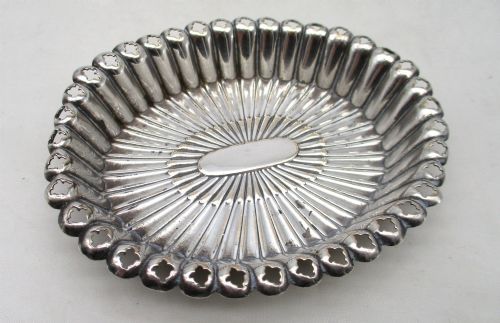
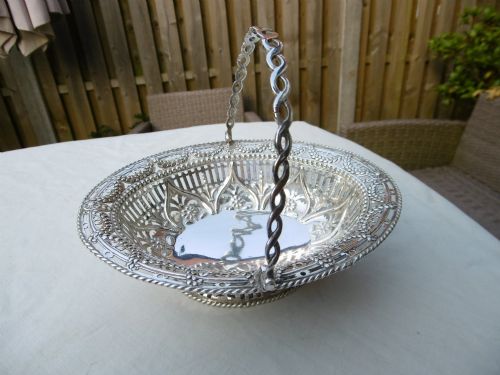
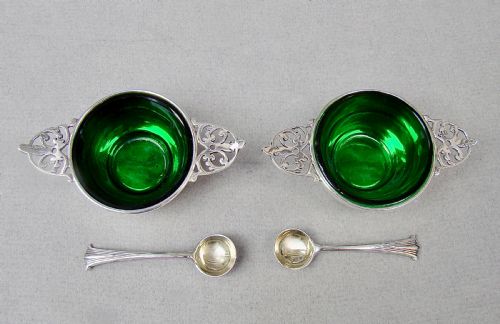
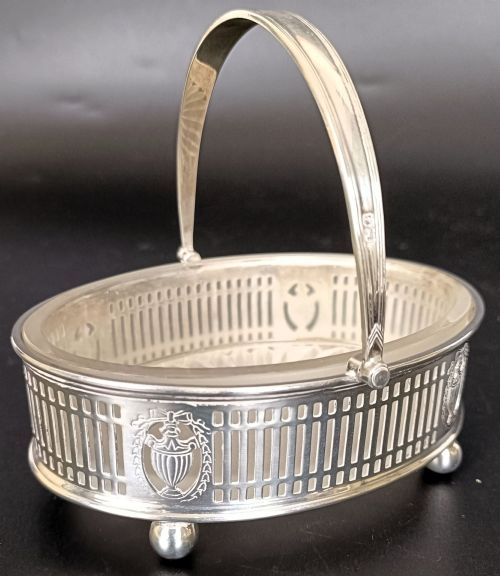
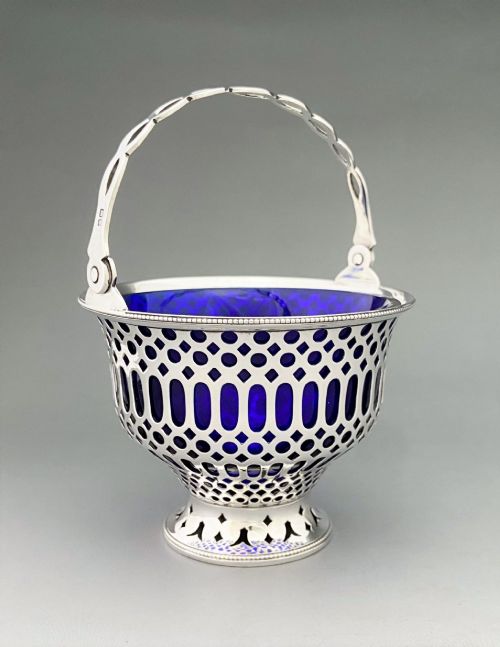
When you search for georgian pierced silver, you encounter functional items shaped by eighteenth-century dining and hospitality. The selection spans swing-handled baskets, mustard pots, caddy spoons, sugar baskets and wine coasters.
Most examples originate from the Georgian period itself, though later revivals also appear. These domestic objects demonstrate how openwork decoration transformed heavy metal into light, ornamental tableware.
How they were made
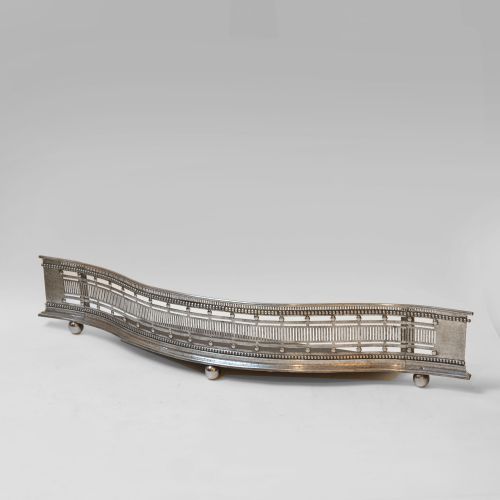
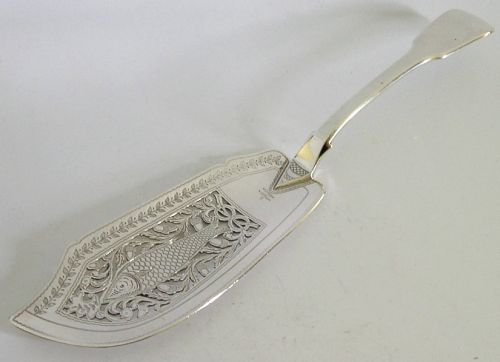
Silversmiths utilised sterling silver and Old Sheffield Plate alongside supplementary materials such as glass liners and turned mahogany bases. Piercing required meticulous hand-sawing or chiselling to remove metal in intricate geometric, heart or scroll patterns.
Casting and chasing frequently complemented the pierced work, adding cast borders, shell motifs and engraved details. Makers balanced structural integrity with the delicate negative space demanded by the design.
The listings combine solid sterling silver with Old Sheffield Plate across forms ranging from fireplace fenders to mote spoons.
What varies in quality
Quality rests in the precision of the piercing and the crispness of any applied cast decoration. Sharply defined apertures and balanced symmetry distinguish superior workshop output from softer, later revivals.
The integration of maker marks, clear assay office stamps and original components, such as blue glass liners or turned wooden inserts, elevates an object's integrity.
Aldridge And Green·Robert Hennell I·Samuel Herbert·Robert Garrard·Alfred Marston·Josiah Williams And Co·John Hunt·James Goodwin·Jeremiah Lee
The Georgian Pierced Silver Glossary
- Piercing
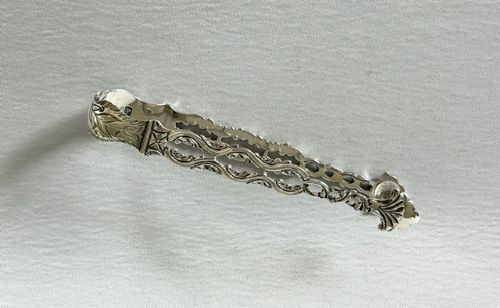
- The technique of cutting decorative patterns through sheet metal to create openwork designs. This method lightened the visual weight of silver baskets and casters.
- Old Sheffield Plate
- A fused composite material made by melting a layer of silver to a thicker copper base. It appears frequently in Georgian wine coasters and pin trays.
- Caddy Spoon
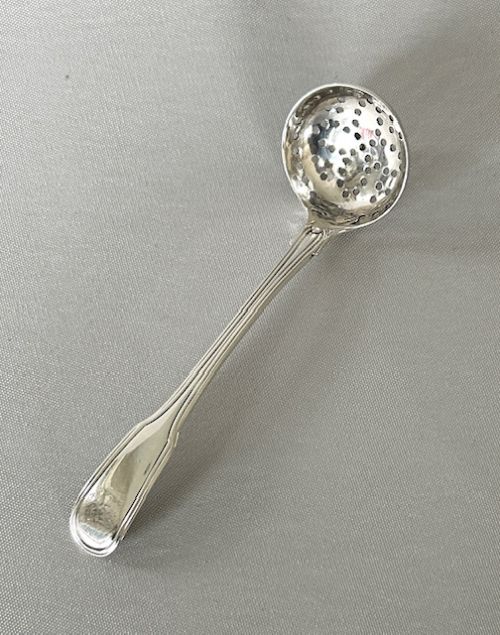
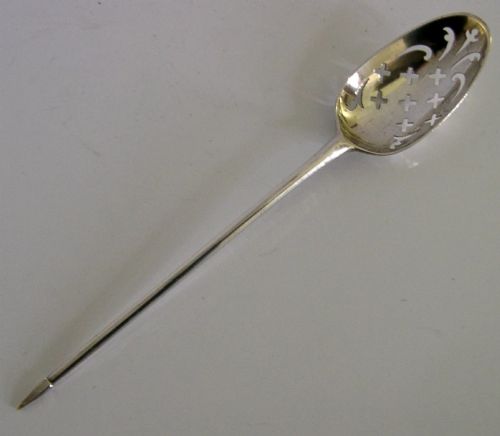
- A small specialised spoon designed for measuring tea leaves from a caddy. Georgian examples often feature pierced bowls.
- Pounce Pot
- A small container with a perforated lid used to sprinkle resin powder over unglazed paper. This prepared the surface for writing with ink.
- Assay Mark
- An official stamp indicating the purity of the metal and the testing office. These marks help determine the date and origin of silver items.
Georgian Pierced Silver: Frequently Asked Questions
How do I clean pierced silver safely?
Use a soft microfibre cloth and mild soapy water to remove dust from the intricate pierced apertures. Avoid harsh dips that can strip away original patination.
Dry the piece thoroughly with a lint-free cloth after washing. Store items in a dry environment to prevent tarnishing.
Were these baskets used for bread or fruit?
Georgian silver baskets served multiple dining purposes, including holding bread, cakes or fruit. Their pierced designs allowed air circulation around perishable food items.
Larger swing-handled examples sat centrally on the dining table as decorative centrepieces. Smaller versions functioned specifically as sugar baskets or cream pails.
How can I tell a true Georgian piece from a revival?
Examine the hallmarks carefully for town marks and date letters that correspond to the eighteenth century. Maker stamps and duty marks provide further chronological clues.
Construction methods also reveal age, as hand-piercing differs from later machine stamping. Revival pieces often display heavier casting and modern assay marks.
What is the purpose of the glass liners?
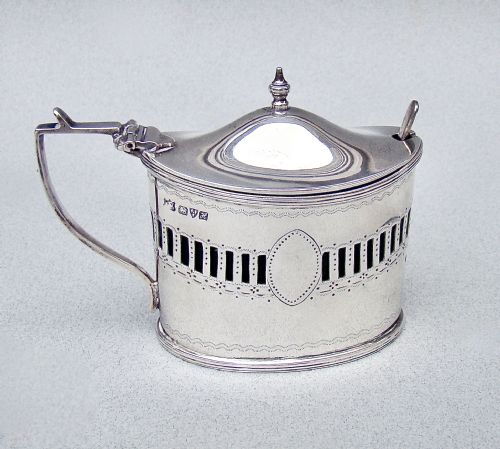
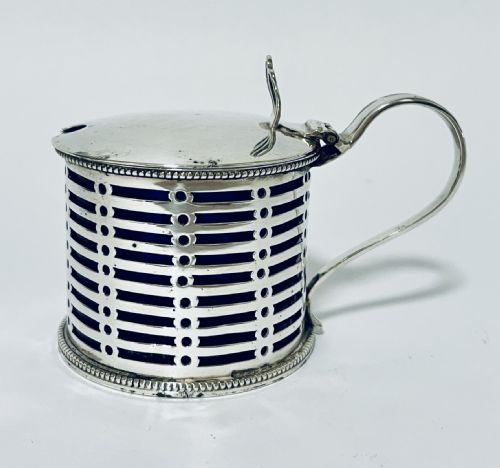
Glass liners protected the sterling silver framework from corrosive substances like mustard, vinegar or salt. Acidic condiments could pit and damage unprotected metal over time.
Original blue glass liners add considerable value to mustard pots and table salts. Replacements are common, so matching the glass to the period requires careful inspection.