








Georgian Pewter Vessel
A georgian pewter vessel carries the heavy utility of eighteenth-century taverns and churches into modern rooms through honest metalwork.
Georgian Pewter Vessel
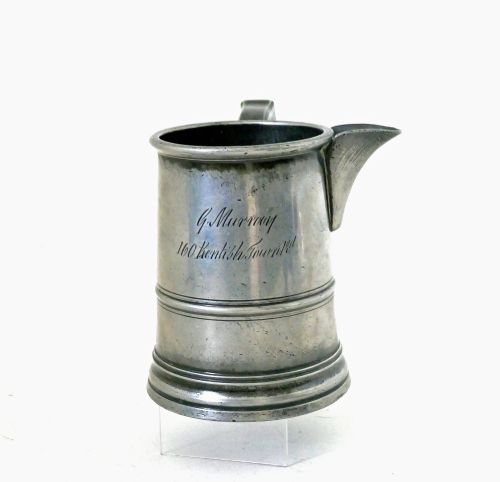
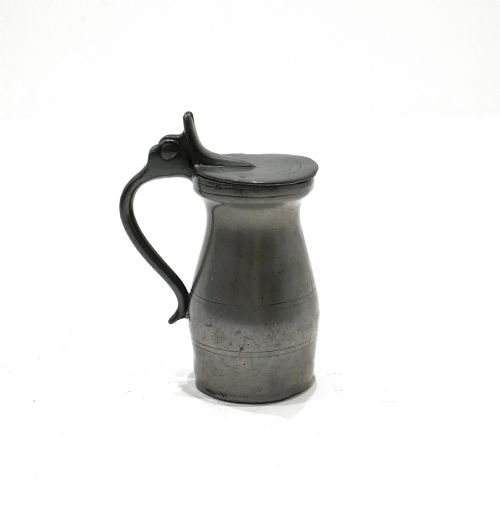
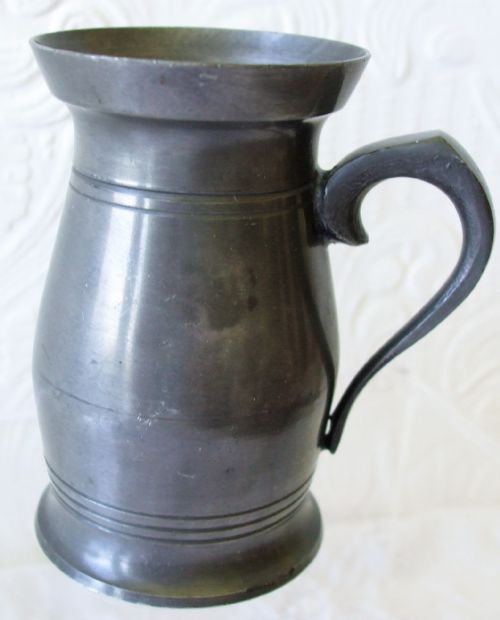
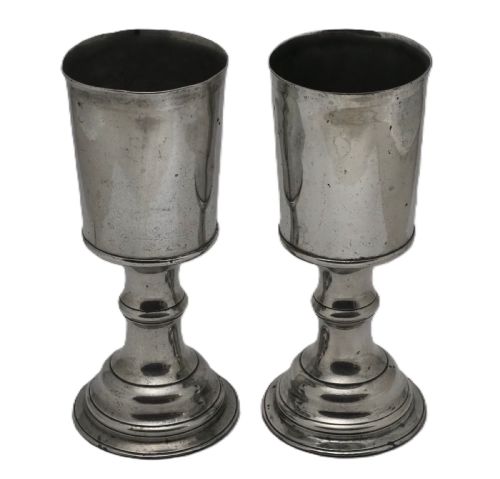
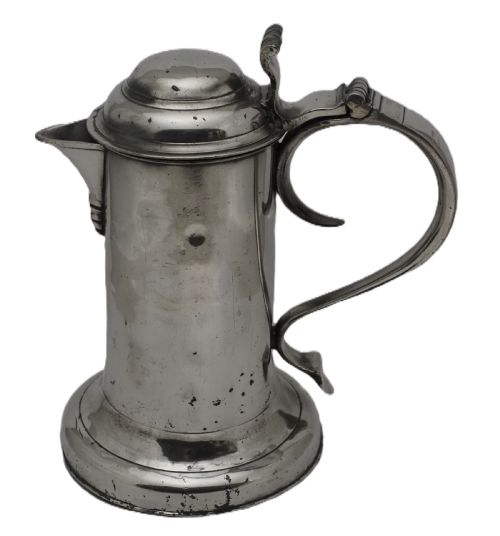
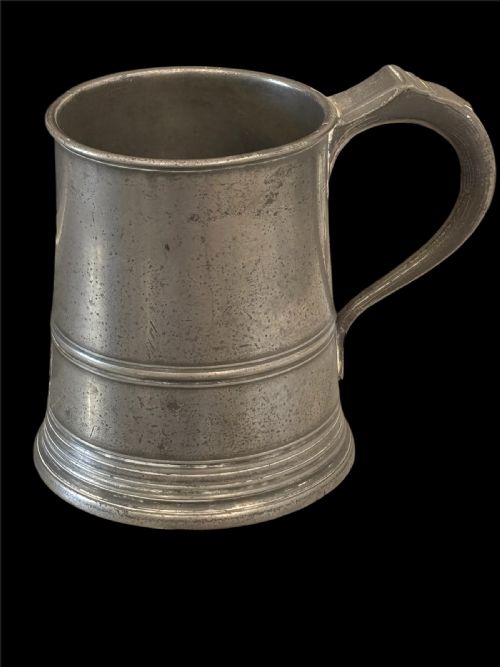
A georgian pewter vessel encompasses utilitarian drinkware and ecclesiastical forms, ranging from tavern tankards and ale jugs to church flagons and chalices. These pieces span the eighteenth and nineteenth centuries, reflecting the domestic and public drinking habits of the period.
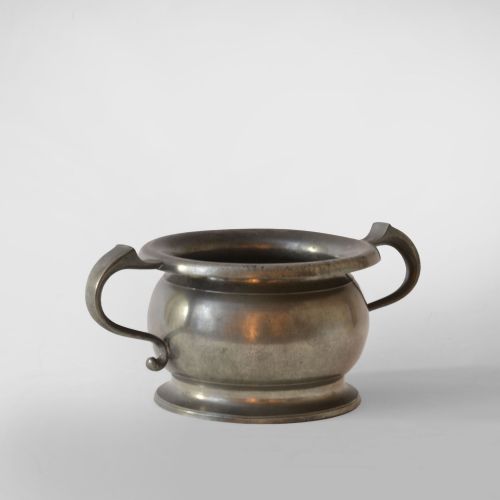
Tankards and spirit measures dominate the forms alongside spired flagons and chamber pots. Buyers encounter both English and Irish provincial examples, often bearing capacity marks or maker stamps upon the metal.
How they were made
Pewter forms were cast in metal or brass moulds, utilising an alloy primarily composed of tin with additions of copper or lead. Makers then turned these cast bodies on a lathe to refine the thickness and smooth the surface.
Handles, lids and thumbpieces were cast separately and soldered to the main body using a lower-melting-point solder. Engraving and touchmarks were applied by hand once the vessel had been assembled.
Georgian Pewter Vessel Retail Price Guide 2026
Typical asking prices for georgian pewter vessel among the pieces listed under this phrase on Sellingantiques today, from the lower quarter to the upper quarter. They describe what is for sale here now, not the wider market.
Some vessels carried enough ale to satisfy a thirsty parish before morning prayers.
What varies in quality
The weight and thickness of the metal dictate the structural integrity of the piece, with heavier quart and pint tankards showing superior substance. Thinner walls tend to distort more easily over centuries of use.
Crispness in the casting of thumbpieces and hinges separates utilitarian items from finer workshop output. Clear touchmarks and legible ownership or tavern engravings add distinct character to the surviving metal.
W.Scott of Edinburgh·John Heaney of Dublin·Richard Morton·Robert Iles of London·Burgum & Catcott of Bristol
The Georgian Pewter Vessel Glossary
- Flat lidded
- A style of lid constructed without a dome, commonly found on early eighteenth-century measures and tankards. This profile offers a distinct silhouette compared to later raised covers.
- Spire flagon
- A tall church vessel featuring a conical lid resembling a spire. These impressive ecclesiastical pieces often hold large volumes of sacramental wine.
- Spirit measure
- A small vessel designed to hold precise tavern quantities of alcohol below pint capacity. They frequently display pre-imperial touchmarks and ownership initials.
- Touchmark
- A maker's stamp pressed into the pewter surface to indicate the workshop of origin. These marks act as signatures for identifying makers and assay standards.
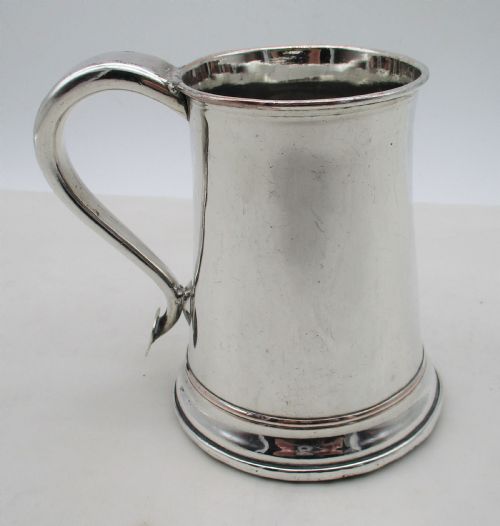
- Old Sheffield Plate
- A composite material formed by fusing a thin sheet of silver to a thicker copper base. It appears alongside traditional pewter in eighteenth-century drinking vessels.
Georgian Pewter Vessel: Frequently Asked Questions
How do I clean old pewter?
Historic pewter requires minimal intervention to preserve its stable dark patina and surface texture. Washing gently in warm soapy water and drying thoroughly is usually sufficient.
Harsh metal polishes strip away the centuries of oxidation that collectors value. Soft cloths and gentle handling protect the integrity of soft metal and old touchmarks.
Are these vessels safe for drinking?
Many eighteenth-century pieces contain lead in the metal alloy, making them unsuitable for modern consumption of acidic beverages or daily use. They are best appreciated as decorative historical objects.
Displaying them on shelves or tables allows you to enjoy their form without risking chemical interaction with modern liquids.
What is a touchmark?
A touchmark is an official stamp impressed by a pewterer to guarantee the quality of the tin alloy. These small marks often include initials, symbols or town names.
Finding a clear touchmark helps historians trace the geographic origin and approximate date of the vessel.
Why do some tankards have glass bottoms?
Glass-bottomed tankards emerged later to allow drinkers to keep an eye on companions or potential threats while drinking. This clever addition combined traditional metal bodywork with a clear viewing pane.
They represent a fascinating evolution in tavern culture during the Georgian era.