

Georgian Period Hall Furniture
Georgian period hall furniture gathers sturdy oak lowboys, mahogany side tables, and practical benches that welcome guests with period character.
Georgian Period Hall Furniture
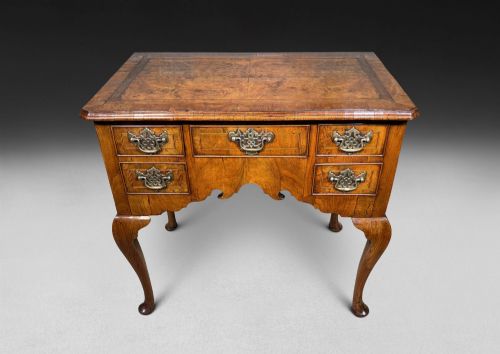
Georgian period hall furniture encompasses the diverse practical items positioned in entrance spaces and reception areas during the eighteenth and early nineteenth centuries. These survivors include side tables, lowboys, settles, benches, and chairs designed to serve incoming visitors.
The pieces appearing most frequently on this page span the 18th century, Georgian, and Regency eras. Oak and mahogany dominate the structural forms, while walnut, fruitwood, and rosewood appear in smaller quantities.
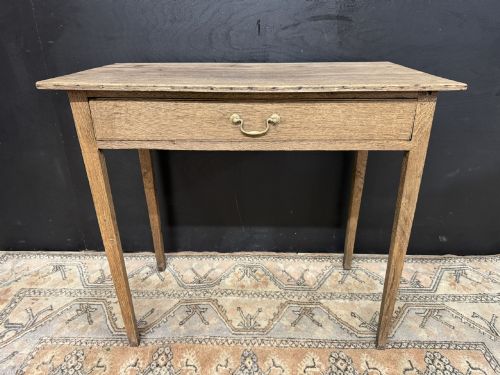
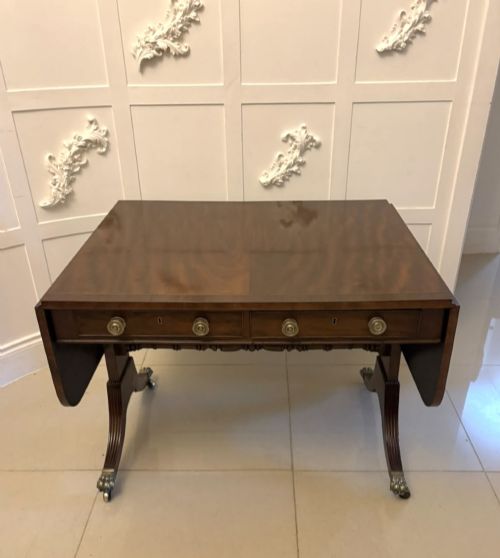
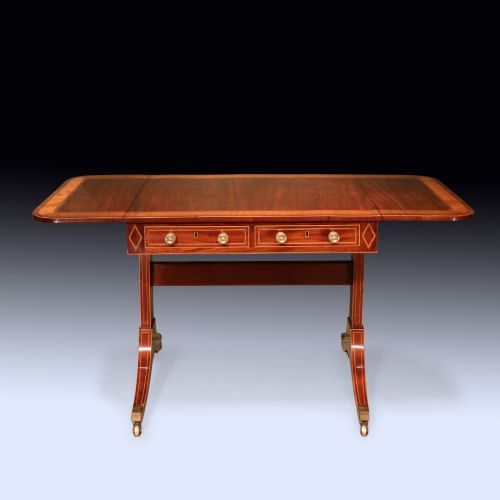
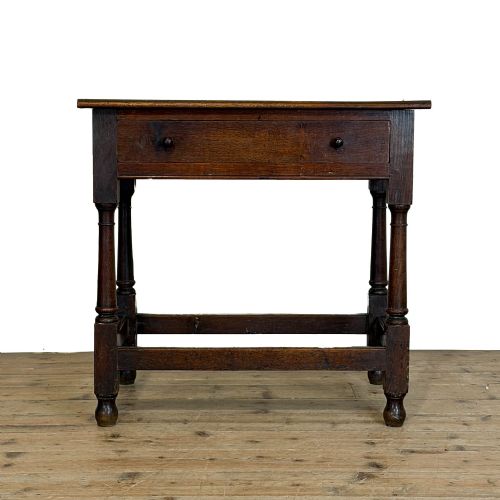
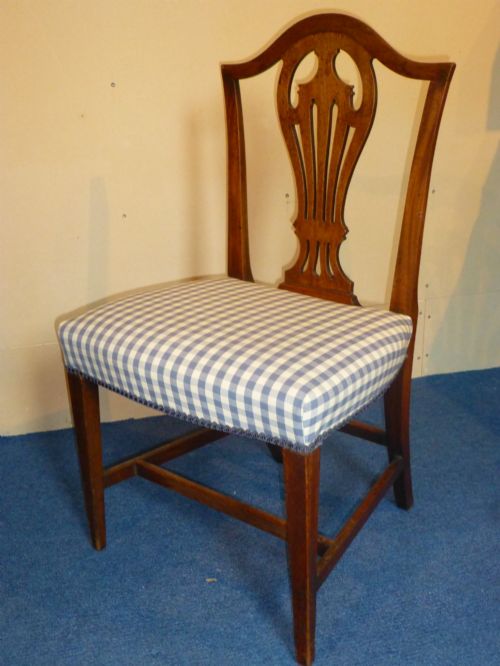
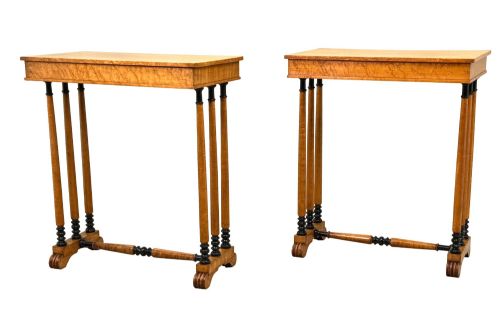
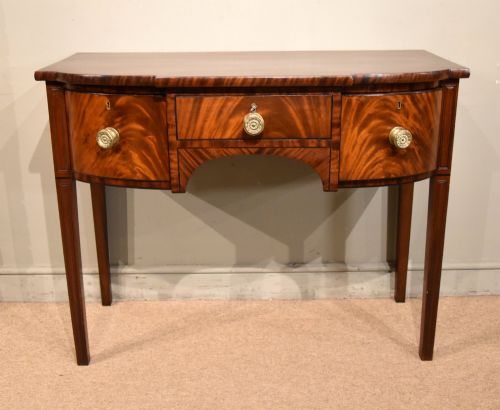
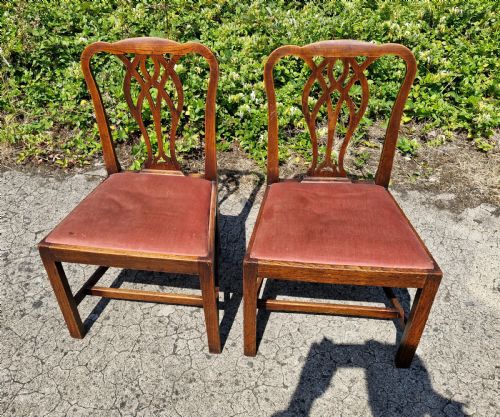
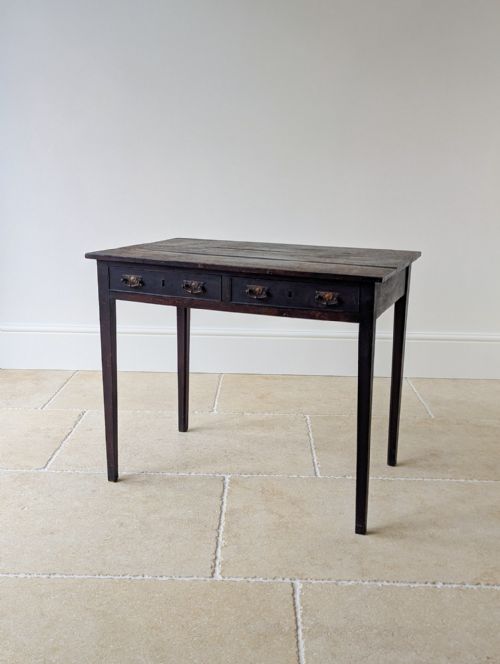
Forms range from simple country house oak side tables and lowboys to painted bamboo chairs and brass-inlaid rosewood tables. Each item served a functional purpose in an entrance hall, parlour, or reception room.
How These Pieces Were Made
Cabinet makers utilised solid timbers like oak, mahogany, and walnut for the primary framework of tables and seating. Carpenters joined panels and frames using traditional methods suited to domestic furniture production.
Decorative surfaces frequently incorporated burr veneers, geometric moulding, oyster olive inlay, and holly stringing to enhance visual depth. Metal elements such as brass fixtures and inlays added contrasting detail to rosewood and mahogany pieces.
Georgian Period Hall Furniture Retail Price Guide 2026
Typical asking prices for georgian period hall furniture among the pieces listed under this phrase on Sellingantiques today, from the lower quarter to the upper quarter. They describe what is for sale here now, not the wider market.
Listings span the 17th, 18th, and 19th centuries, featuring oak, mahogany, walnut, rosewood, fruitwood, and fabric.
What Varies in Quality
Selection of timber grain and veneer figuring separates standard utility items from finer examples. Burr walnut, figured mahogany, and burr elm display deliberate choice of decorative wood figures by the maker.
Refinement of carving and inlay execution determines the upper tier of craftsmanship. Hand-cut dovetails, crisp geometric mouldings, and precise brass inlays distinguish superior production.
The Georgian Period Hall Furniture Glossary
- Lowboy
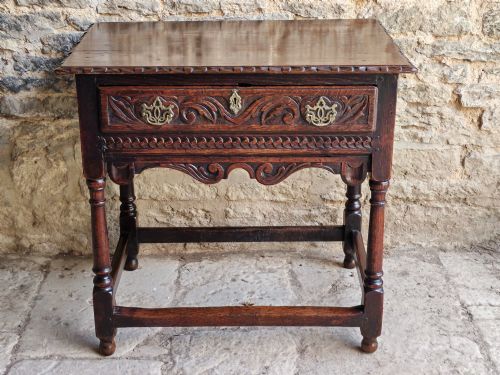
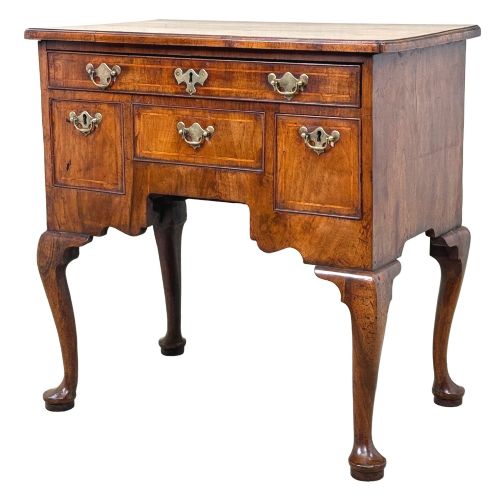
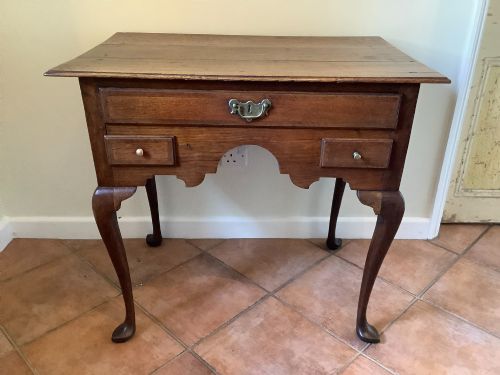
- A small dressing or side table featuring one or more rows of drawers beneath the working surface. These compact tables frequently appear in oak and walnut across the eighteenth century.
- Settle
- A wooden bench featuring a high solid back, solid arms, and often a storage compartment beneath the seat. This form provided draught protection in entrance halls and living spaces.
- Occasional Table
- A small, movable table intended for versatile placement within a room. Regency examples often incorporate rosewood, brass inlay, or exotic hardwoods.
- Geometric Moulding
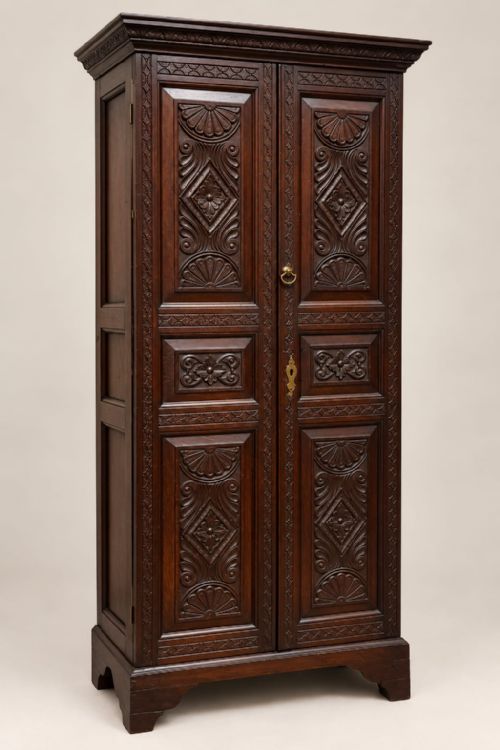
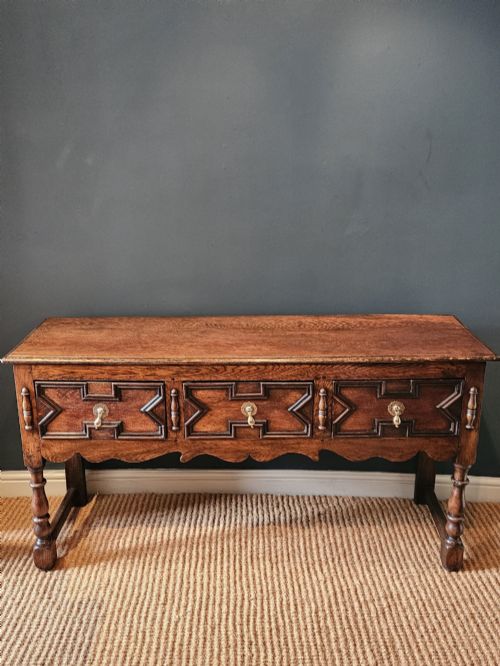
- Relief decoration shaped in repeating geometric patterns applied to drawer fronts or cabinet doors. This technique appears on early pieces from the seventeenth and eighteenth centuries.
- Window Seat
- An upholstered bench designed specifically to fit the recess of a window. Regency versions often utilise mahogany framing and long bench proportions.
Georgian Period Hall Furniture: Frequently Asked Questions
Where did these pieces stand?
These items stood in entrance halls, reception rooms, and corridors to greet visitors and hold hats, gloves, or lamps.
Larger items like settles offered seating near hearths or doorways, while side tables and lowboys served functional display purposes.
How do I identify a lowboy?
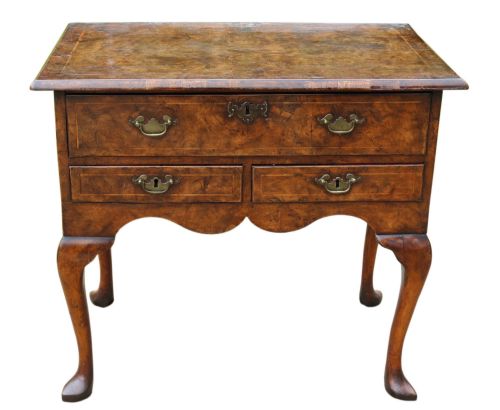
A lowboy is a low wooden table with drawers, typically standing on four slender legs. They served multiple domestic roles including dressing and writing.
They appear primarily in eighteenth-century oak, walnut, and fruitwood.
What woods were used?
Cabinet makers relied heavily on oak and mahogany for structural strength and domestic durability. Walnut, fruitwood, rosewood, and elm provided alternative surfaces for decorative effect.
Inlays occasionally incorporated holly, ebony, and satinwood.
How do I date a piece?
Dating relies on observing construction methods, timber choices, and stylistic traits associated with specific periods like George II, George III, or the Regency era. Secondary woods and hardware also offer clues to age.
Subtle shifts in leg profiles and moulding designs distinguish eighteenth-century work from nineteenth-century pieces.