


Georgian Pastel Portrait Artwork
Georgian pastel portrait artwork captures a likeness in soft, powdered pigments upon paper, offering an intimate window into the faces of the past.
Georgian Pastel Portrait Artwork
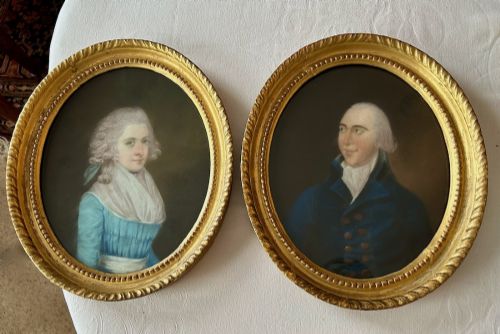
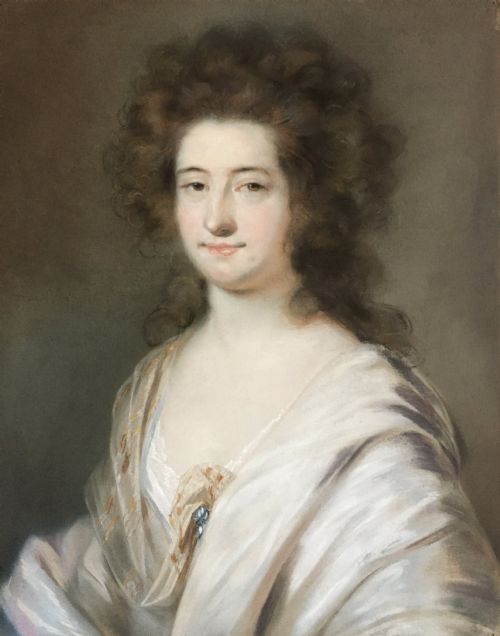
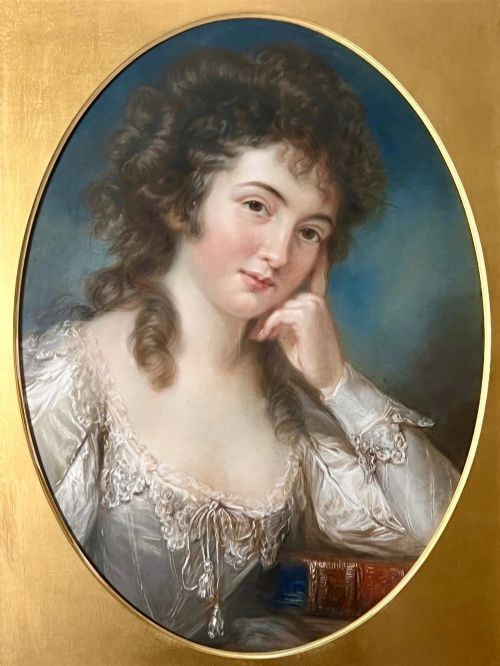
When you search for georgian pastel portrait artwork, you encounter works spanning the eighteenth century, the regency era, and the nineteenth century. These pieces record sitters ranging from young boys in red jackets and elegant young ladies to notable figures and pairs.
The objects appear primarily as pastel portraits and pastel portrait paintings executed on paper. You meet works attributed to specific schools, followers of known masters, and individual artists working within these periods.
How they were made
Artists create these works using pastel and gouache applied directly to paper. The medium yields a matte, velvety texture that captures the delicacy of skin tones and fabrics.
Finished works find protection beneath glass and are typically housed within giltwood and wood frames finished with gold leaf. The framing elements match the period aesthetic of the portraits themselves.
A young boy's striking red jacket catches the eye across centuries.
What varies in quality
The distinction between works rests upon the skill of the draughtsman in rendering expression, anatomy, and drapery with conviction. Stronger examples display a confident handling of pigment that brings the sitter to life.
Condition and preservation under glass significantly influence the character of a piece. Works that retain the vibrancy of their original pastel pigments stand apart from those showing heavy fading or surface disruption.
John Russell R.A.·Gerrit Schipper·John Raphael Smith·Arthur Pond
The Georgian Pastel Portrait Artwork Glossary
- Pastel
- A dry painting medium composed of powdered pigment bound with a gum or resin. It is applied directly to paper to create a soft, luminous surface.
- Gouache
- An opaque water-based paint often used alongside pastel to add highlights and body to details within a portrait.
- Giltwood
- Wood carved and coated with gold leaf or gold paint, forming the traditional framing for eighteenth and nineteenth century works on paper.
- Circle of
- A term used when a work shows the distinct manner of a master without being by their own hand, often indicating a contemporary working closely in that style.
- Regency
- The period spanning the early nineteenth century, characterised in these works by specific shifts in costume, hair styling, and framing tastes.
Georgian Pastel Portrait Artwork: Frequently Asked Questions
What is a pastel portrait?
A pastel portrait is a work of art created using powdered pigment sticks on a paper support. Artists utilise this medium to achieve subtle gradations of tone and lifelike skin textures.
These pieces capture individual sitters from history, ranging from commissioned likenesses of nobility to studies of children and anonymous subjects.
How should I frame pastel art?
Pastel works require framing behind glass to protect the delicate pigment from dust, moisture, and touch. The glass must be spaced away from the paper surface so the pastel particles do not adhere to it.
Traditional framing often incorporates wood mouldings finished with gold leaf or gilt details appropriate to the period of the artwork.
How do I date these portraits?
Dating relies upon stylistic clues such as the sitter's costume, wig style, and headdress, alongside the physical characteristics of the paper and frame. Regency works show distinct sartorial changes compared to earlier eighteenth-century pieces.
Inscriptions on the reverse or historical documentation often provide further confirmation of the period and occasionally identify the sitter or artist.
Are pastels fragile?
Pastel on paper is inherently delicate because the pigment sits loosely on the support without heavy binders. Movement or vibration can cause minute particles of pigment to detach if the piece is handled roughly.
Properly sealed frames with protective backing boards keep the works stable for display in domestic settings away from direct sunlight.