

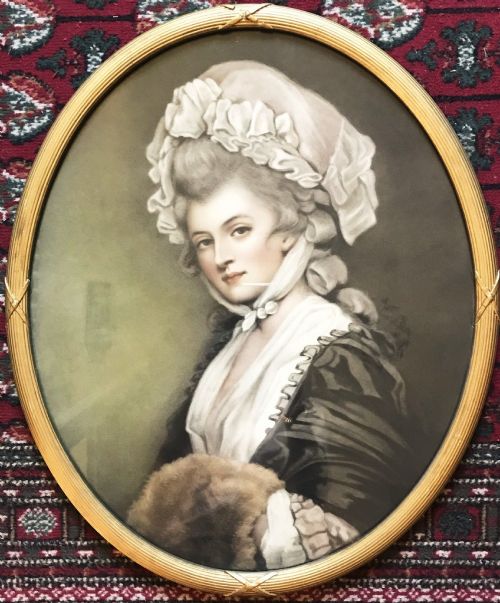
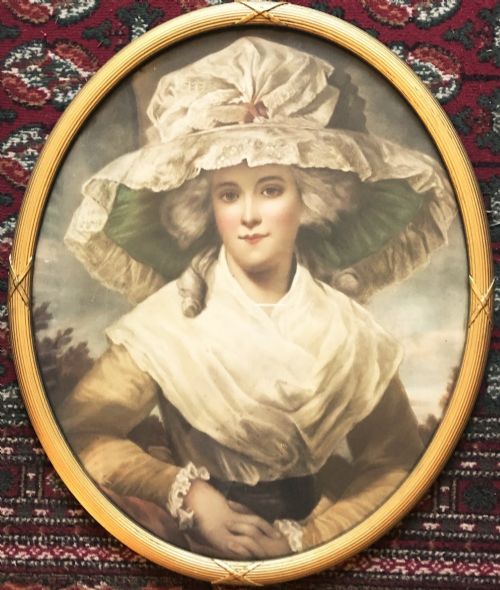
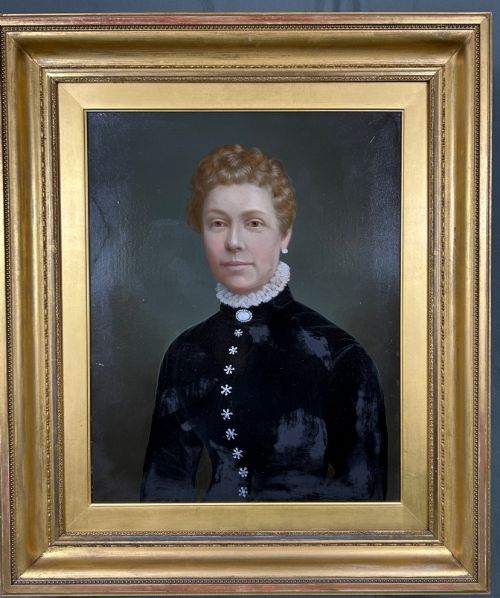
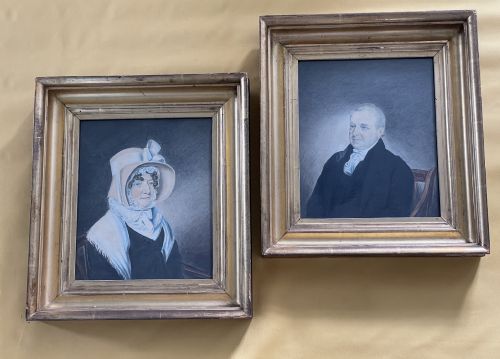
19th Century Lady Portrait
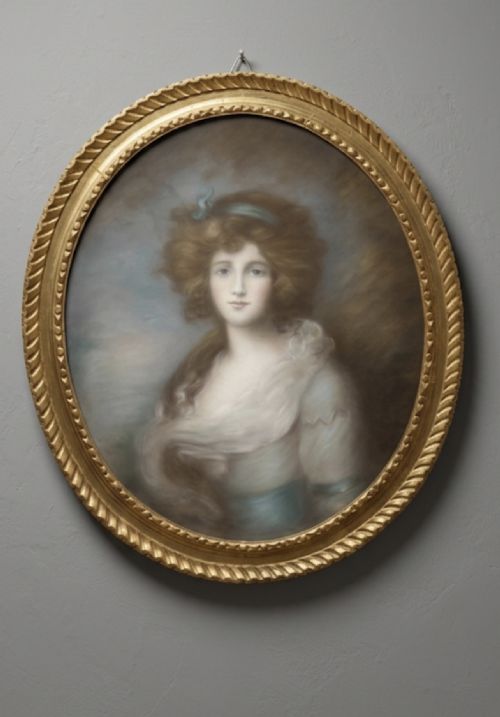
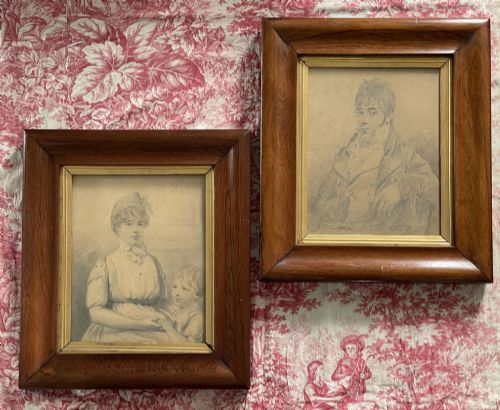
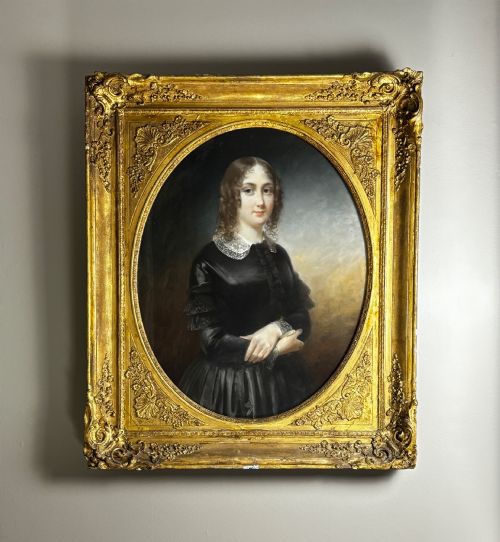
A 19th century lady portrait captures the distinct likeness, character and fashion of women from the Georgian, Regency and Victorian eras through enduring painted and drawn mediums.
19th Century Lady Portrait
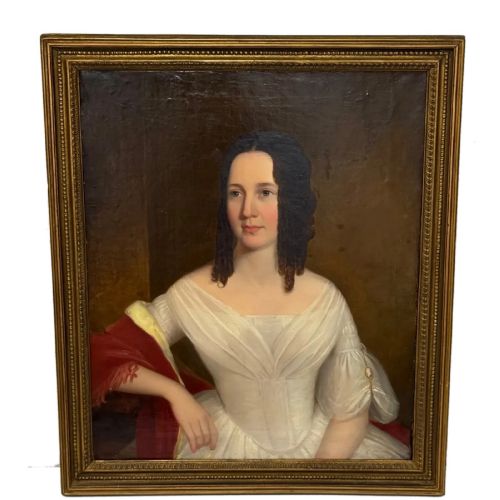
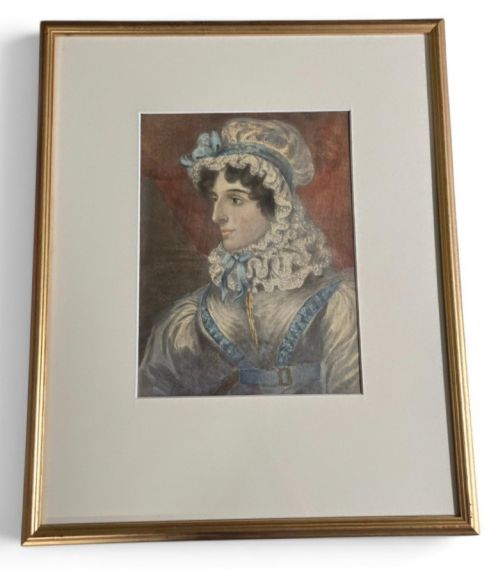
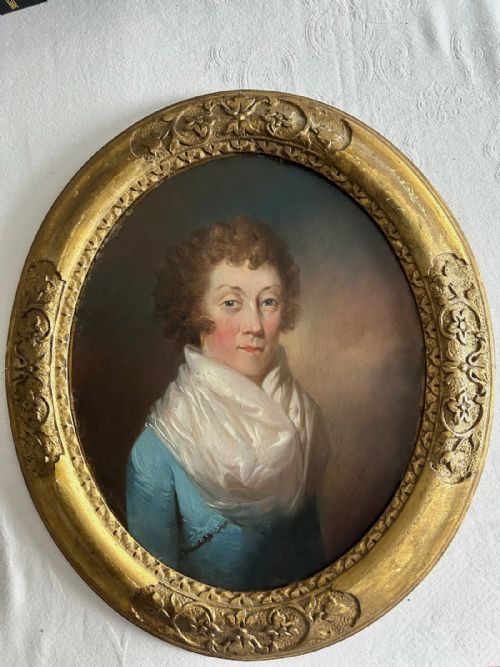
A 19th century lady portrait encompasses a rich variety of artistic expressions, ranging from large oil paintings on canvas to intimate miniature watercolours and delicate pastel drawings. These works capture individual sitters in diverse settings, depicting society ladies, historical figures and everyday women with distinct personal accessories and dress.
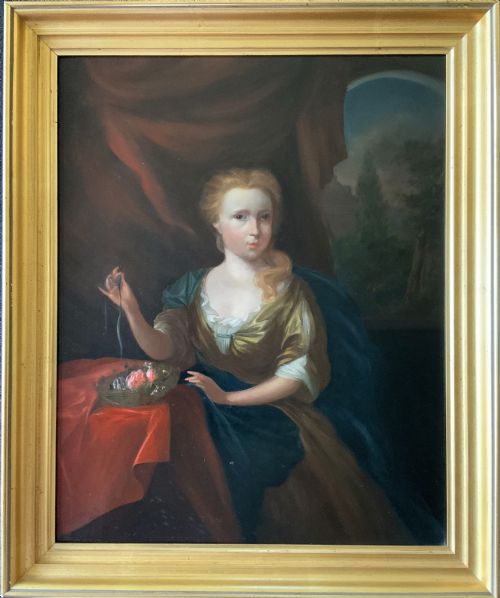
The selections available reflect multiple aesthetic movements including French School, Rococo Revival and 19th Century Romanticism. Buyers encounter works produced by regional British schools as well as broader European makers, displaying subjects holding books, wearing bonnets or posed against pastoral backdrops.
Oil paintings on canvas and wood panel appear frequently alongside works on paper, framed silhouettes and gouache studies. Each piece preserves the physical likeness and social attire of female subjects from specific decades across the nineteenth century.
How They Were Made
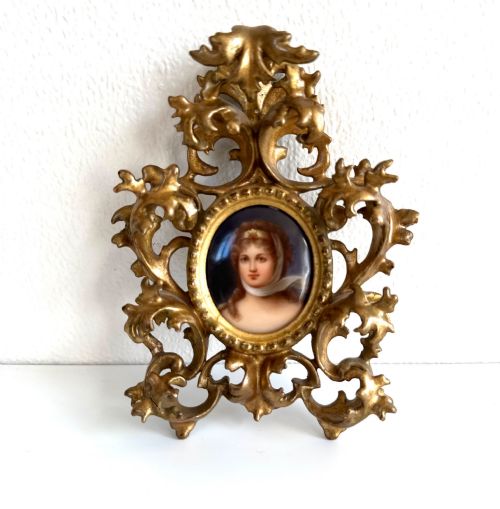
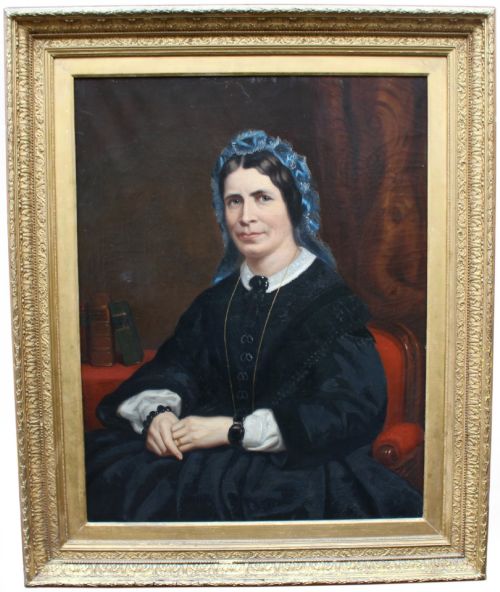
Artists of the period built their compositions using oil paints applied to stretched canvas, wooden boards or zinc panels, often framing the finished works in giltwood, ebonised wood or maple. Miniature portraits utilised delicate watercolours, gouache and pencil on paper or metal panels, protected behind glass.
Represented periods span from the Georgian and Regency eras through the extensive Victorian decades into the closing years of the nineteenth century.
What Varies in Quality
The preservation of the original support, whether canvas, paper or wood panel, alongside the survival of period frames such as gilded moulding, significantly influences the overall integrity of the piece.
John Maler Collier·Edward Bradford·W R Waters·Alice Anne Renshaw·H Bayly·William Henry Knight·Costantino Frixione·Samuel Raven·Louis William Desanges·August Heinrich Riedell·Jean Baptiste Discart·G E Boyes·Franz Niklaus König·W R Seel
The 19th Century Lady Portrait Glossary
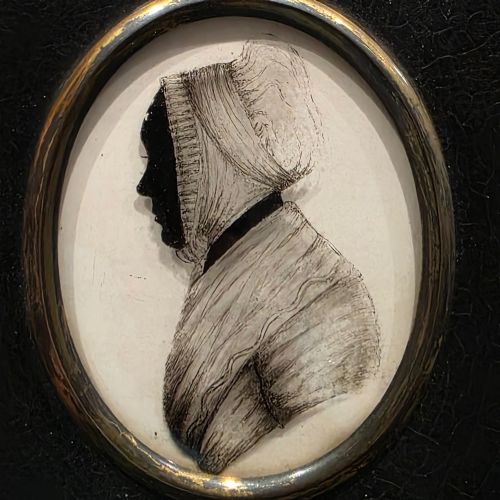
- Silhouette
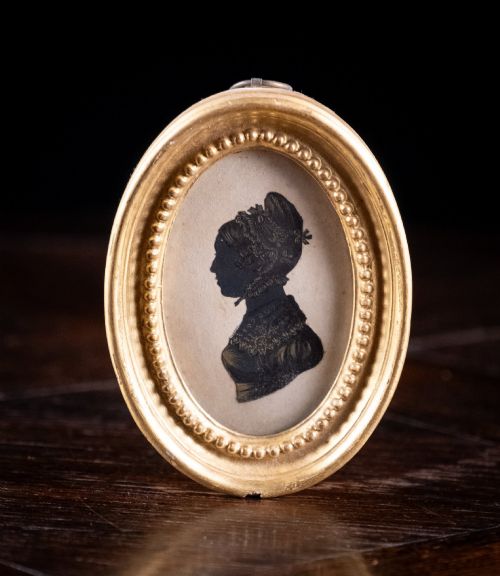
- A solid profile portrait, typically filled in with dark pigment or cut from paper, often enhanced with delicate highlights. These works gained widespread popularity during the Georgian and Regency periods.
- Miniature
- A small-scale portrait painted with exceptional precision on ivory, paper, metal or vellum, frequently designed to be held in the hand or worn as a pendant. Such pieces required miniaturists to utilise magnifying glasses and extremely fine brushes.
- Giltwood
- Wood carved and coated with gold leaf or metallic paint to create an ornate decorative frame. These frames frequently complement oil paintings and watercolours from the Victorian era.
- Provenance
- The documented history of ownership that traces a artwork from its creation to the present day. Detailed provenance often reveals the identity of the sitter and the commissioning patron.
19th Century Lady Portrait: Frequently Asked Questions
What clothing do sitters usually wear?
Female sitters wear fashions that reflect their specific decade, ranging from high-waisted Regency muslin dresses to elaborate Victorian silk gowns adorned with lace collars, velvet ribbons and intricate bonnets. Accessories such as pearls, gold tiaras and carried posies frequently indicate the social standing or marital status of the lady.
Changes in sleeve volume, neckline styles and hair arrangements across the 19th century help modern viewers date individual portraits accurately based on historical costume.
How do I identify a silhouette?
Silhouettes are characterised by solid profile outlines of a sitter's head and shoulders, most commonly rendered in black against a pale background or reverse-painted on convex glass. Makers achieved these crisp contours through careful observation and hand-cutting or delicate brushwork.
Many antique examples retain their original ebonised wood frames and backing papers which often bear handwritten notes naming the sitter and the date of creation.
Where should I hang these portraits?
These works suit traditional reception rooms, studies and hallways where they can be displayed at eye level to appreciate the fine brushwork and facial expression. Grouping several framed watercolours or oil paintings together creates a striking gallery wall reminiscent of historic domestic interiors.
Care should be taken to site pieces away from direct sunlight and excessive humidity, particularly for works on paper, pastel drawings and fragile watercolours.