
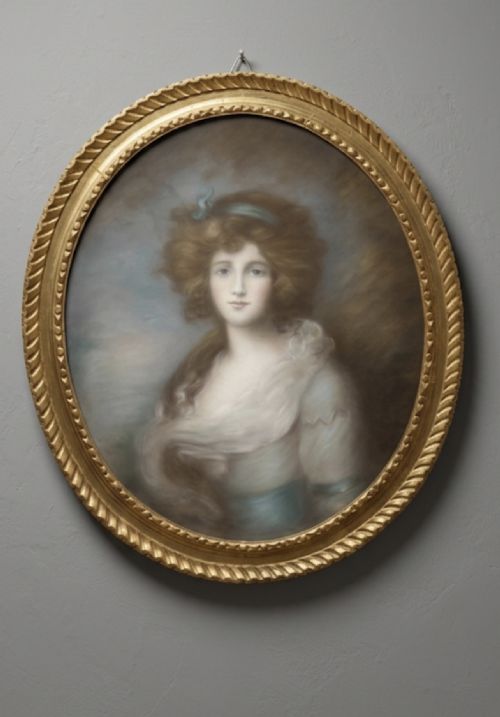
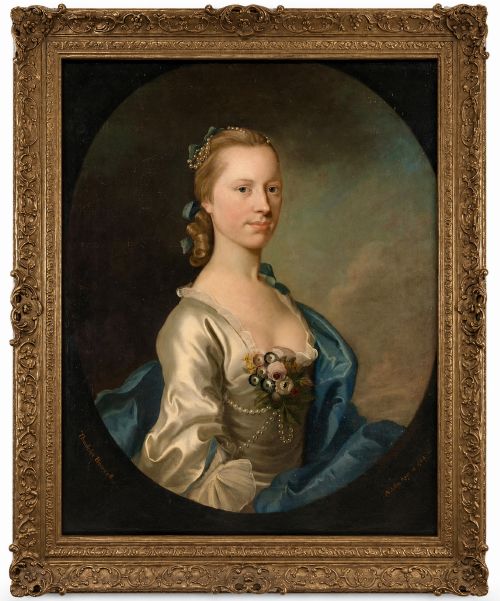
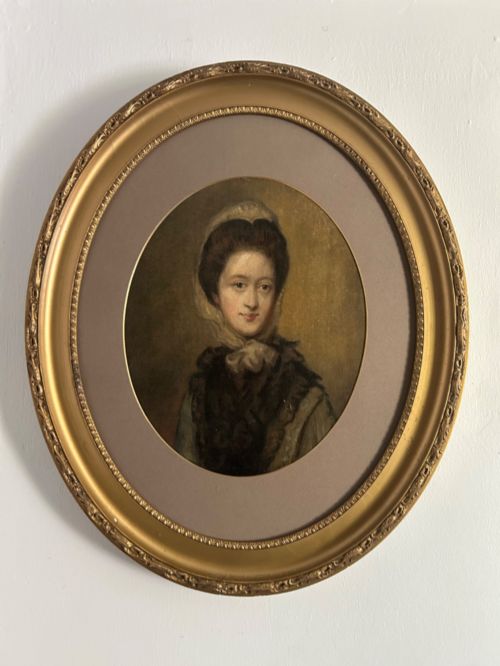
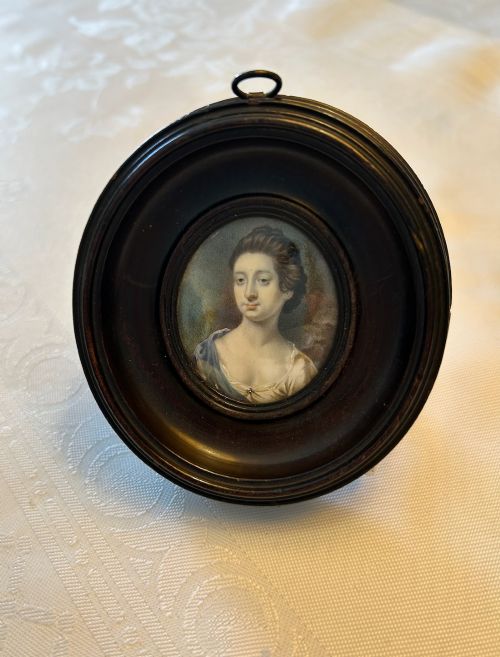
Georgian Oval Lady Portrait
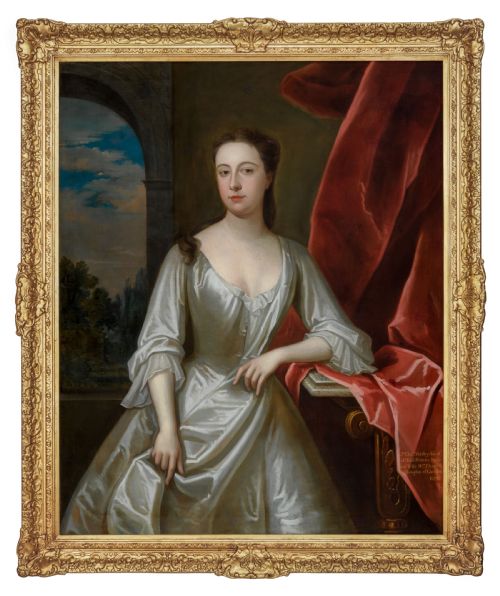
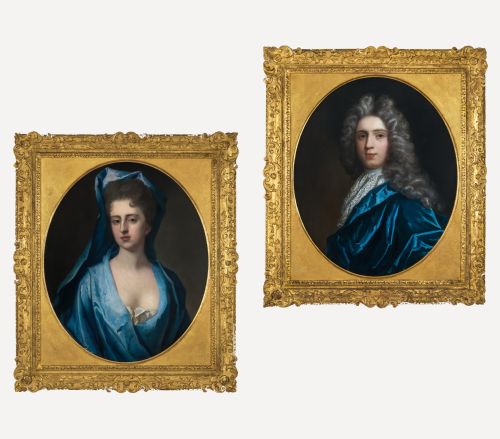
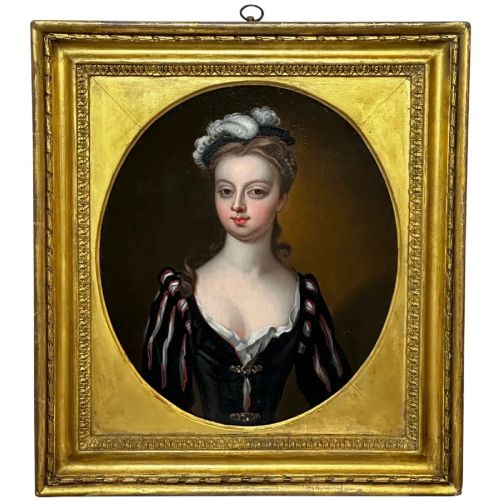
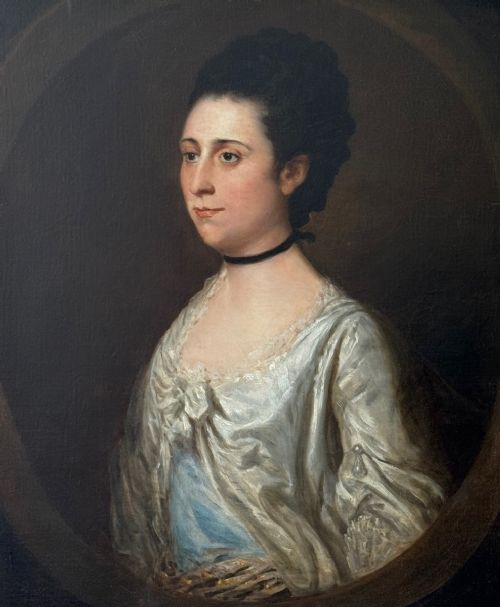
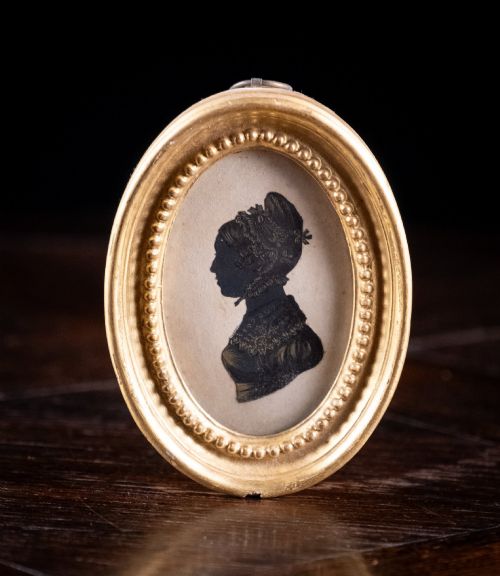
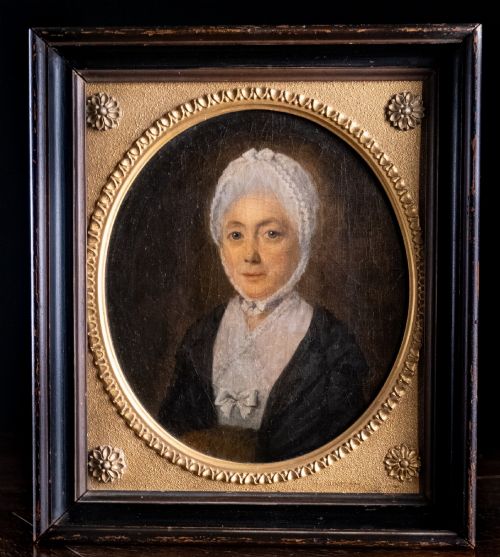
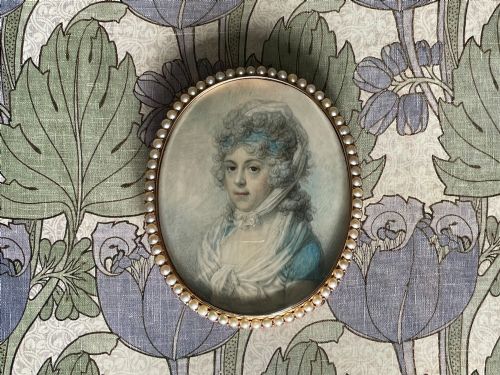
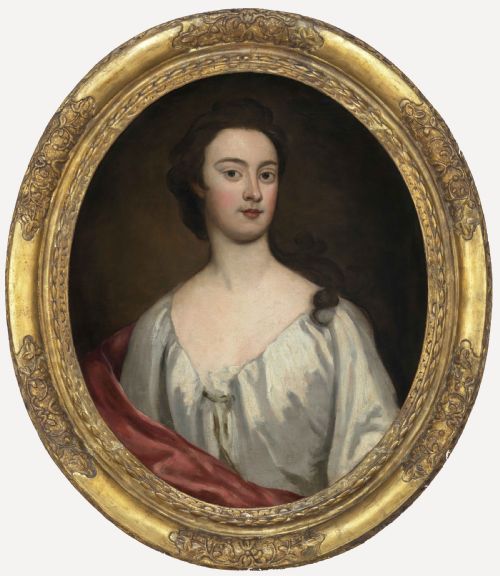
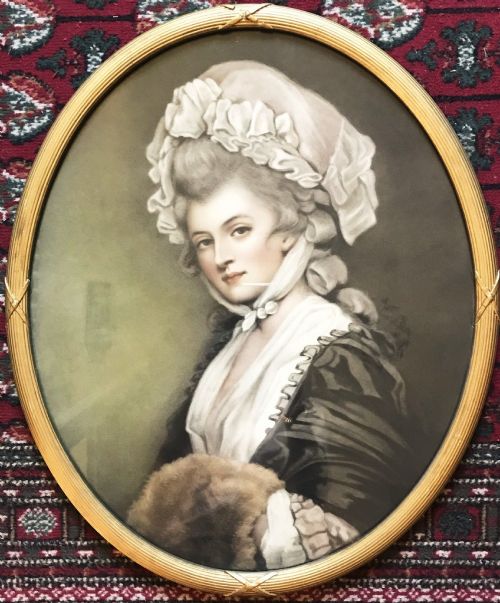
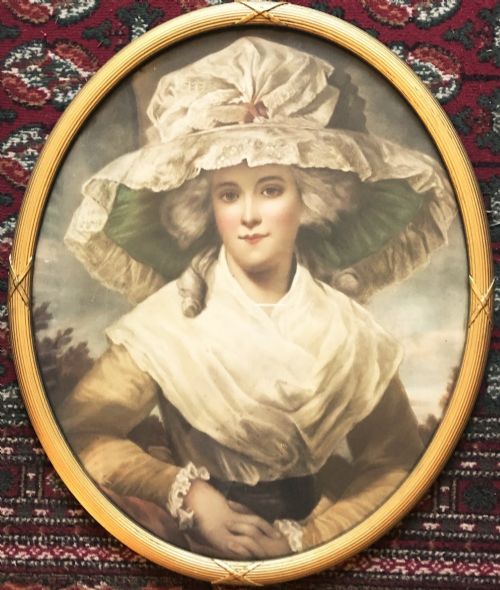
A georgian oval lady portrait captures the refined likeness of female sitters in intimate formats suited to domestic display.
Georgian Oval Lady Portrait
A georgian oval lady portrait encompasses small-scale works depicting female subjects, predominantly originating from the eighteenth and early nineteenth centuries.
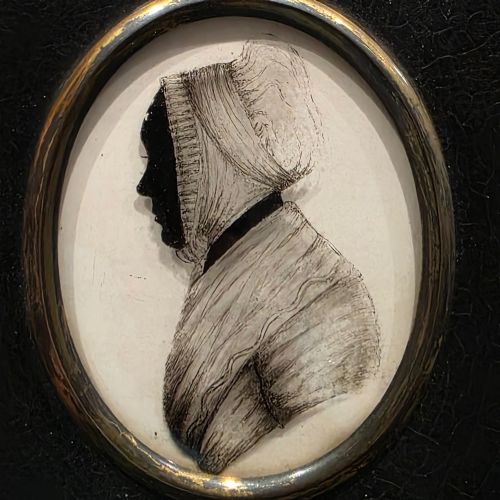
Collectors encounter diverse mediums within these listings, ranging from oil on canvas and delicate watercolours to reverse painted silhouettes.
Many examples are housed in original protective glass mounts or ebonised wood frames designed to highlight their distinct curved boundaries.
Materials and Construction
Frames were constructed from timber such as ebonised wood or giltwood, often incorporating brass details and glass glazing to protect the delicate painted surfaces.
Listings feature works spanning the 17th century through the Victorian era, executed in oil, watercolour, pastel, and glass.
Judging Quality
The finesse of brushwork and the precision in capturing facial expression distinguish superior examples from standard workshop productions.
Original frames and unaltered glass elements contribute significantly to the integrity and desirability of individual pieces.
Sir Godfrey Kneller·Michael Dahl·Thomas Murray·John Vanderbank·Thomas Beach·Richard Cosway·Jeremiah Davison·Allan Ramsay·William Naish·Nicolas Freese·George Atkinson·George Hargreaves·Archibald Skirving·William Grimaldi·Henry Jacob Burch·Ozias Humphry·Isaac Wane Slater·Jeremiah Steele
The Georgian Oval Lady Portrait Glossary
- Portrait Miniature
- A small-scale painting or likeness, typically executed on ivory, vellum, or paper during the eighteenth and nineteenth centuries.
- Reverse Painted Silhouette
- A technique where the profile is painted directly onto the reverse side of glass, often backed with metallic foil for contrast.
- Ebonised Wood
- Timber treated with a finish to imitate expensive ebony, frequently utilised for dark, contrasting picture frames.
- Giltwood
- Wood carved and coated with gold leaf or gold paint, popular for ornate Regency and Georgian frames.
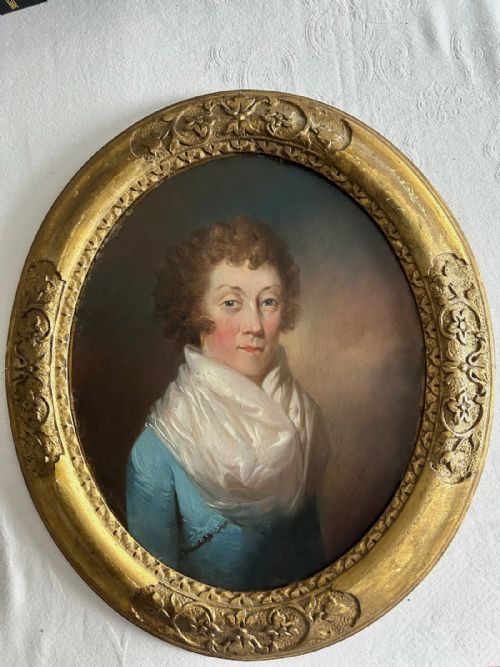
- Pastel Painting
- Works created using powdered pigment sticks, prized for their soft texture and matte finish.
Georgian Oval Lady Portrait: Frequently Asked Questions
How were these portraits originally displayed?
These pieces were typically hung in private chambers, parlours, or intimate drawing rooms alongside other family likenesses.
Their compact size allowed owners to arrange them in close groupings on panelled walls or keep them protected within travelling cases.
What materials are common in these frames?
Makers frequently employed ebonised wood, giltwood, and brass to enclose and protect the delicate painted or drawn surfaces.
Glass glazing was essential to shield the paper, pastel, or watercolour works from dust and atmospheric damage over the centuries.
How can one identify a Regency piece?
Regency examples often display specific stylistic markers in the sitter's attire, such as high-waisted muslin gowns, elaborate turban caps, or coral bead necklaces.
The framing styles of this period also tend to feature leaner profiles and distinct gilding techniques compared to earlier Georgian formats.