


Antique English Portrait Drawing
An antique English portrait drawing captures a likeness in paper and pigment, offering a direct encounter with faces from past centuries.
Antique English Portrait Drawing
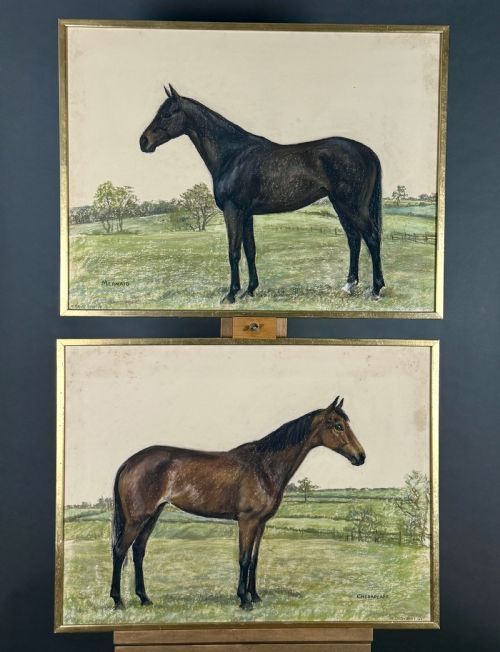
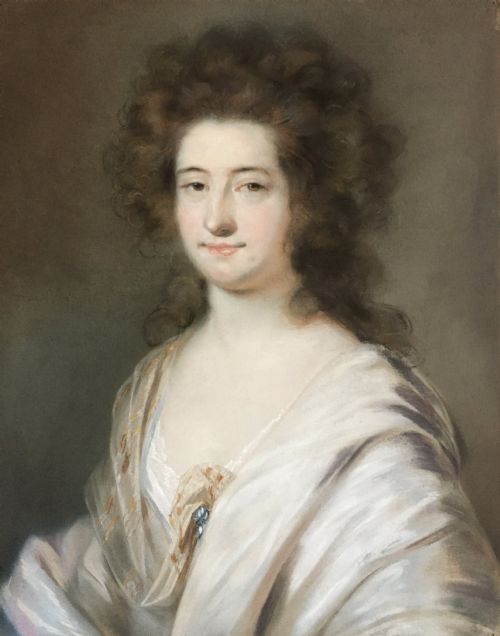
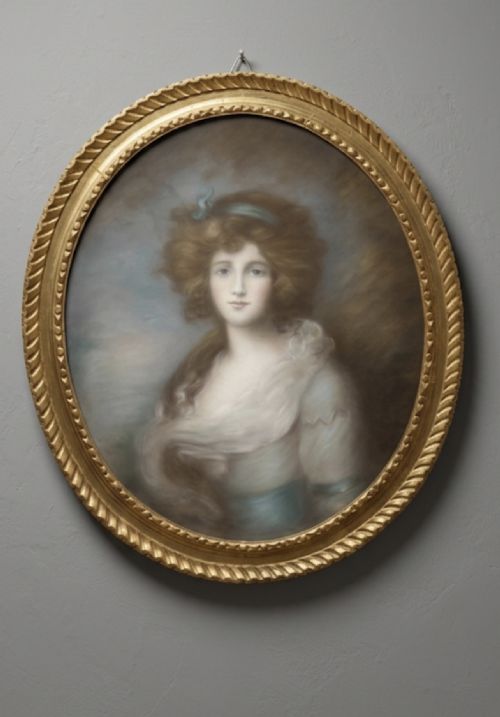
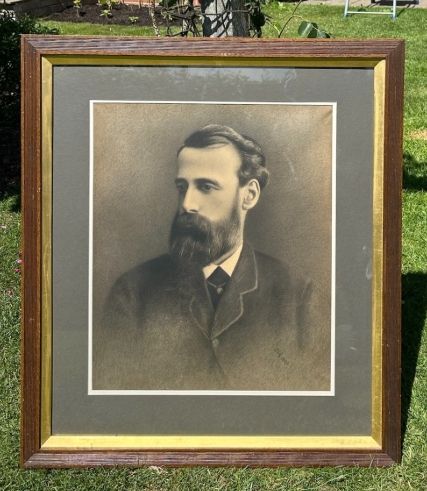
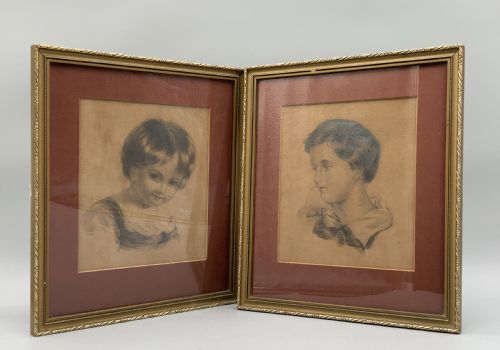
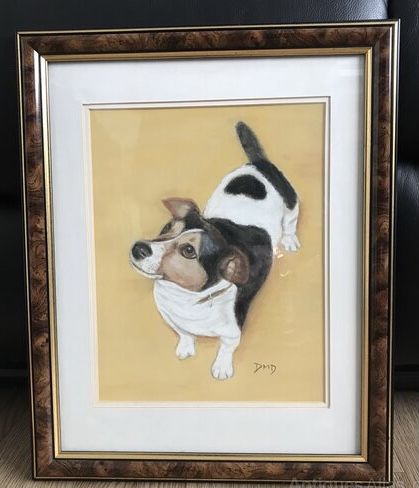
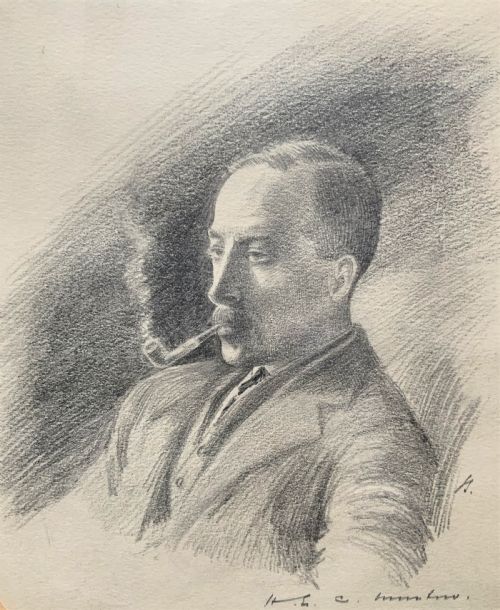
The version most frequently met on this page is the nineteenth-century pastel or pencil study, often attributed to the English School. These works range from intimate head-and-shoulders depictions of ladies to larger equestrian or family groupings.
Earlier examples frequently reflect the stylistic influence of prominent portraitists of the Georgian era. Whether signed by a named hand or remaining anonymous, these drawings preserve the likenesses of historical sitters in monochrome or soft colour.
Assessing quality and execution
Quality in these works rests upon the surety of the draughtsmanship and the psychological depth achieved by the artist. A superior drawing captures expression and anatomy with convincing weight, whereas lesser examples rely on stiff outlines and flat shading.
The preservation of the delicate surface materials significantly influences the standing of a piece. Works retaining their original pastel bloom or crisp graphite lines without excessive smudging or fading represent the higher tier of survival.
Listings feature works spanning the eighteenth and nineteenth centuries, executed in pastel, charcoal, graphite, and watercolour on paper.
John Russell·Thomas Gainsborough·Sir Thomas Lawrence·John Hoppner·Arthur Pond
The Antique English Portrait Drawing Glossary
- English School
- A term used to describe artists working in Britain who shared prevailing national styles without necessarily belonging to a specific academy or formal movement.
- Pastel
- A dry painting medium consisting of powdered pigment and a binder, highly favoured for its velvety texture and blended skin tones.
- Graphite
- A form of carbon used as a drawing material in pencils, allowing for fine, silvery-grey lines and delicate tonal hatching.
- Giltwood
- Wood that has been coated with a thin layer of gold leaf or gilt, commonly used for framing fine art in the eighteenth and nineteenth centuries.
Antique English Portrait Drawing: Frequently Asked Questions
How do I care for an antique pastel drawing?
Keep the drawing away from direct sunlight to prevent the pigments from fading over time.
Ensure the frame remains properly sealed to prevent dust and humidity from damaging the delicate paper surface.
Were these drawings meant for display?
Portrait drawings served as personal mementoes and significant parlour decorations in prosperous British homes.
They allowed families to record their lineage and social standing before the widespread adoption of photography.
What is the difference between pastel and pencil portraits?
Pastel works utilise soft, blended coloured pigments to create painterly portraits with rich tones and soft complexions.
Pencil and charcoal drawings rely on monochrome line and shadow to define form with crisp graphical precision.
How can I tell a Georgian portrait from a Victorian one?
Georgian portraits often reflect the softer, idealised sensibility of the eighteenth-century British portraiture tradition.
Victorian examples frequently display a sharper realism and stricter attention to contemporary dress and domestic context.