
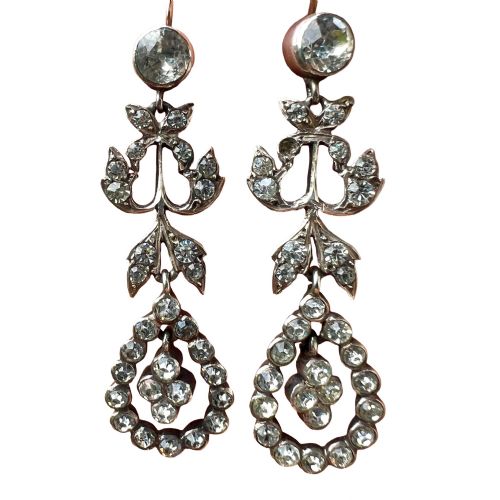
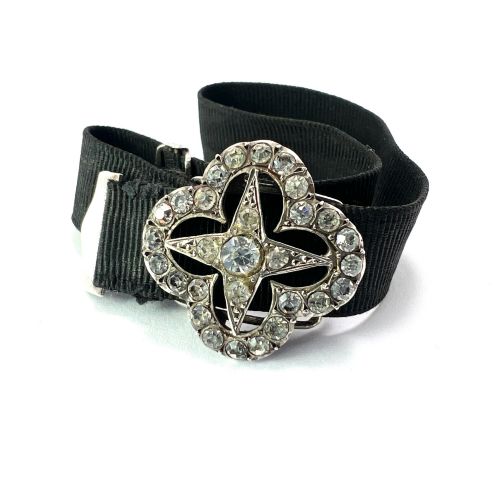
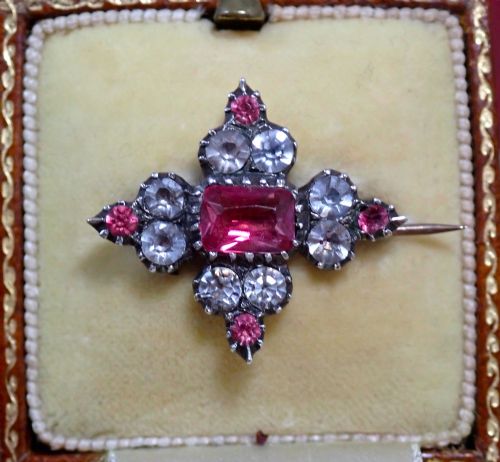


Georgian Paste Jewellery
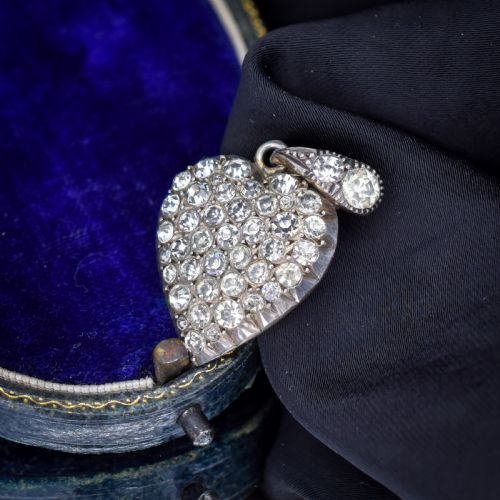
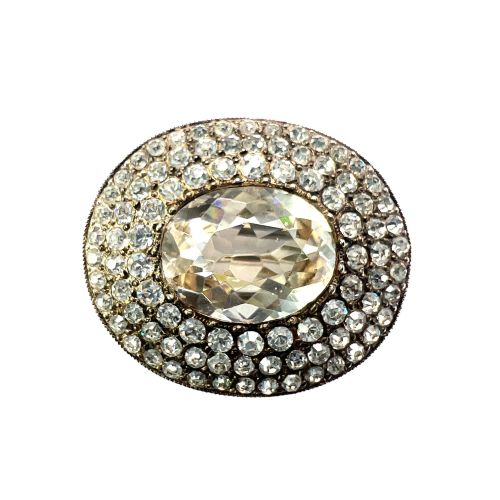
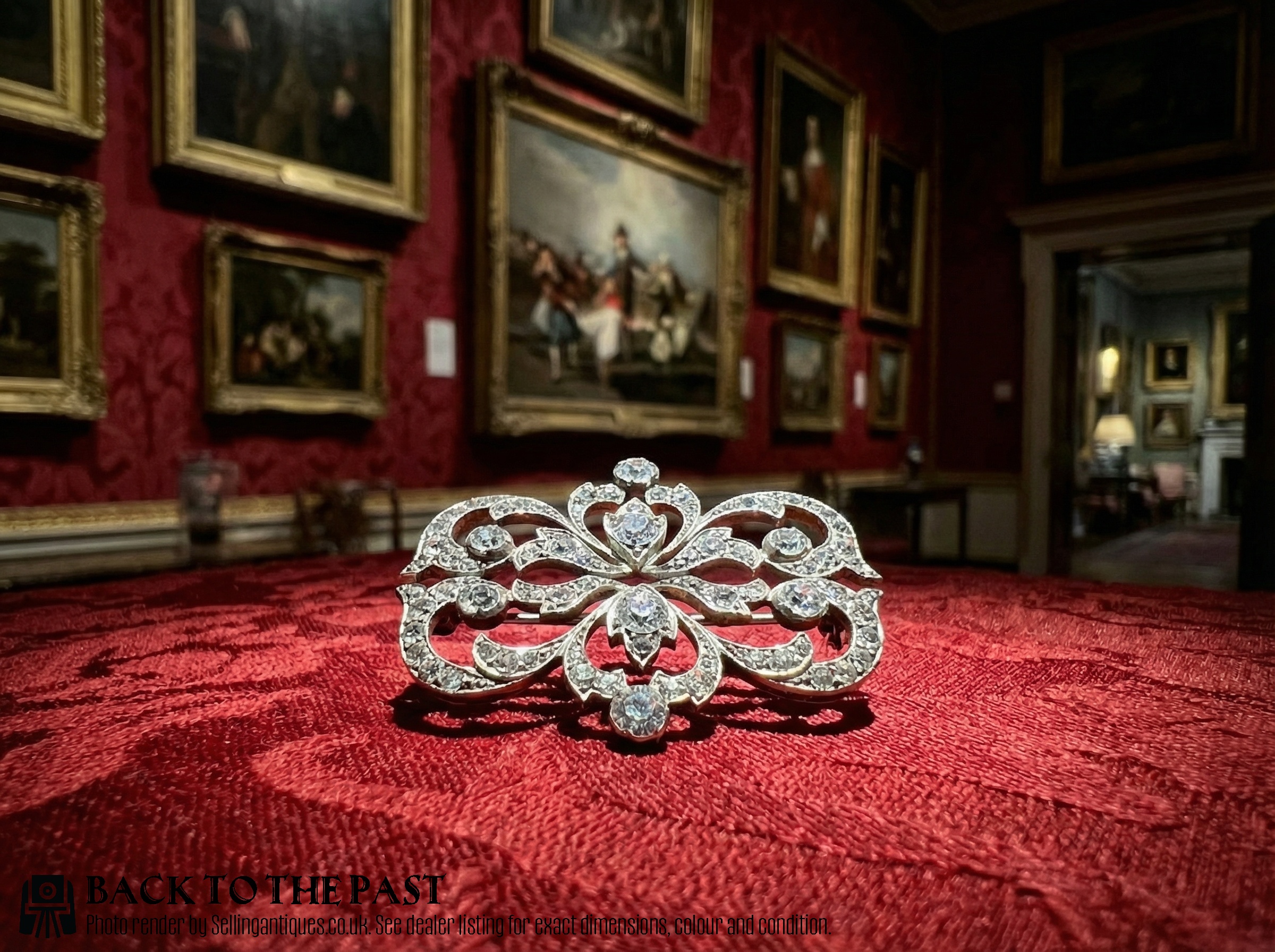
Georgian paste jewellery captures the brilliance of diamond and precious stone work through finely cut lead glass set in silver and gold.
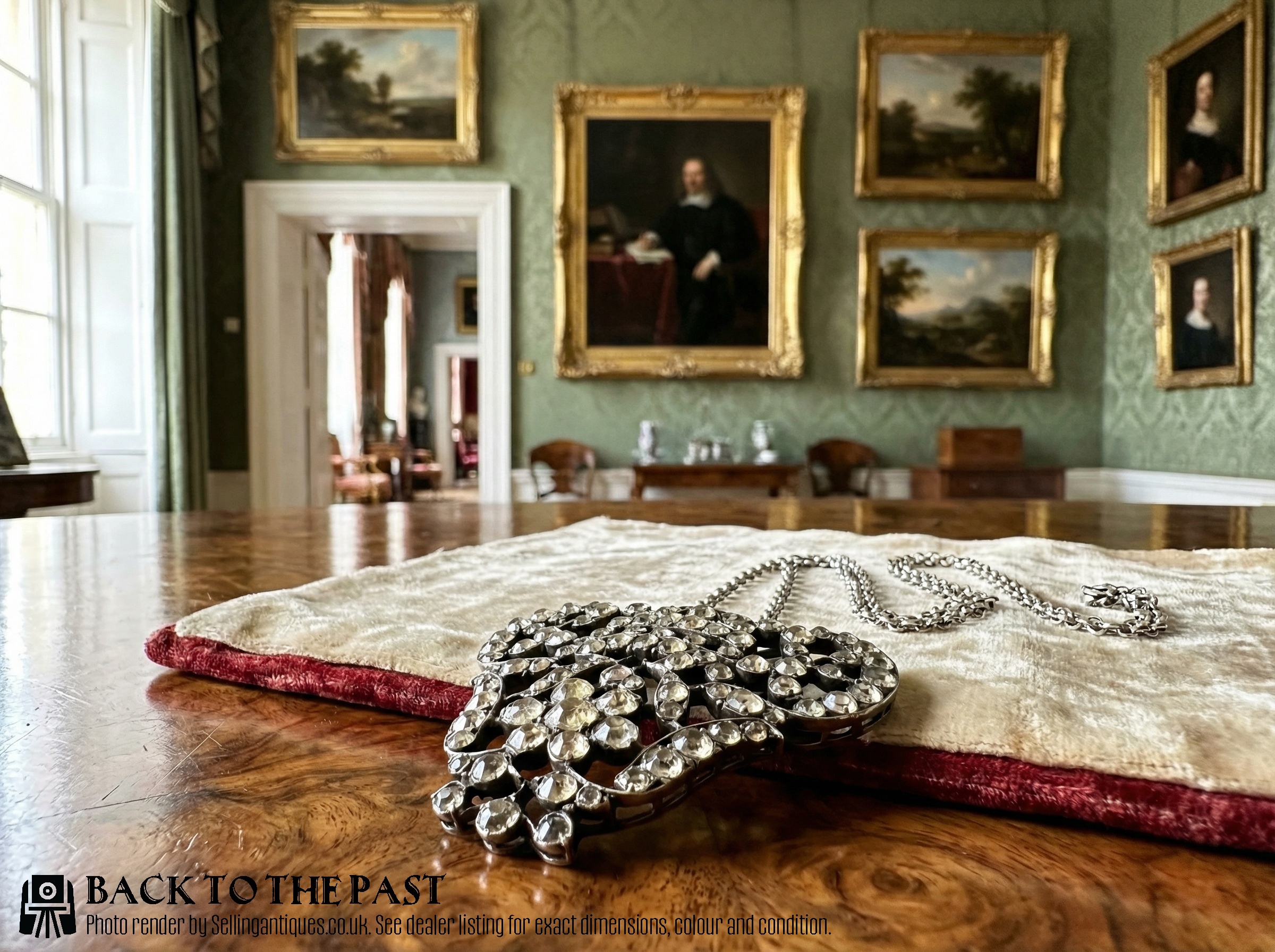
Georgian Paste Jewellery
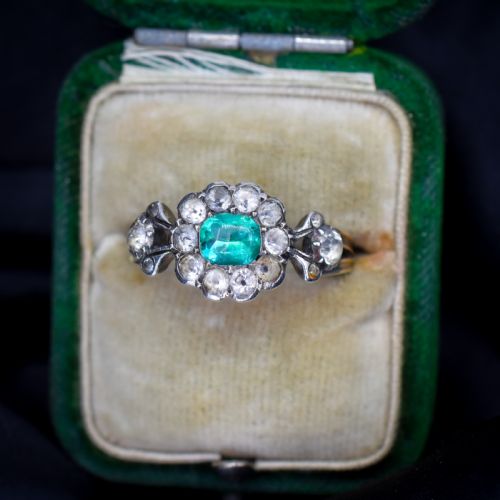
When you examine georgian paste jewellery, you encounter hand-cut glass stones designed to imitate genuine gemstones for high-society wear. The pieces on this page span several eras, with Georgian, Victorian, and Edwardian examples appearing regularly.
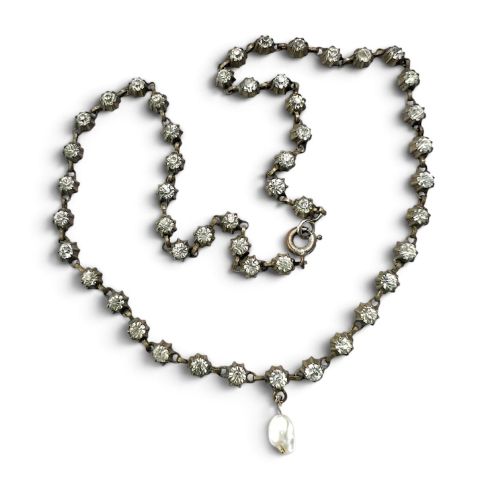
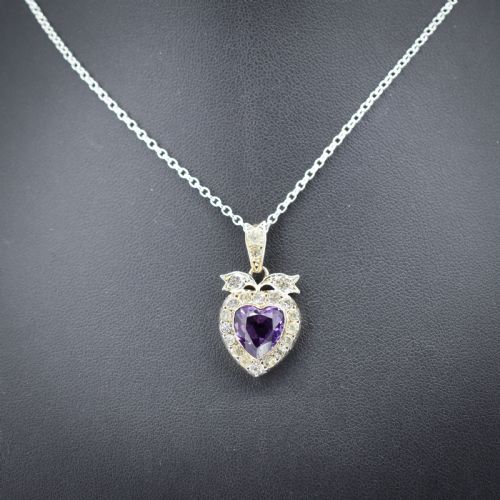
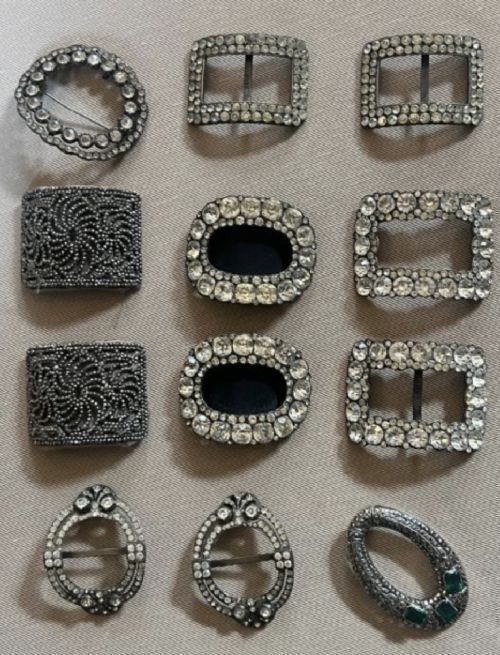
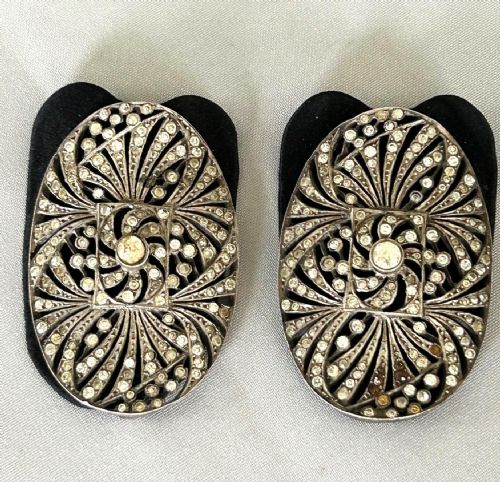
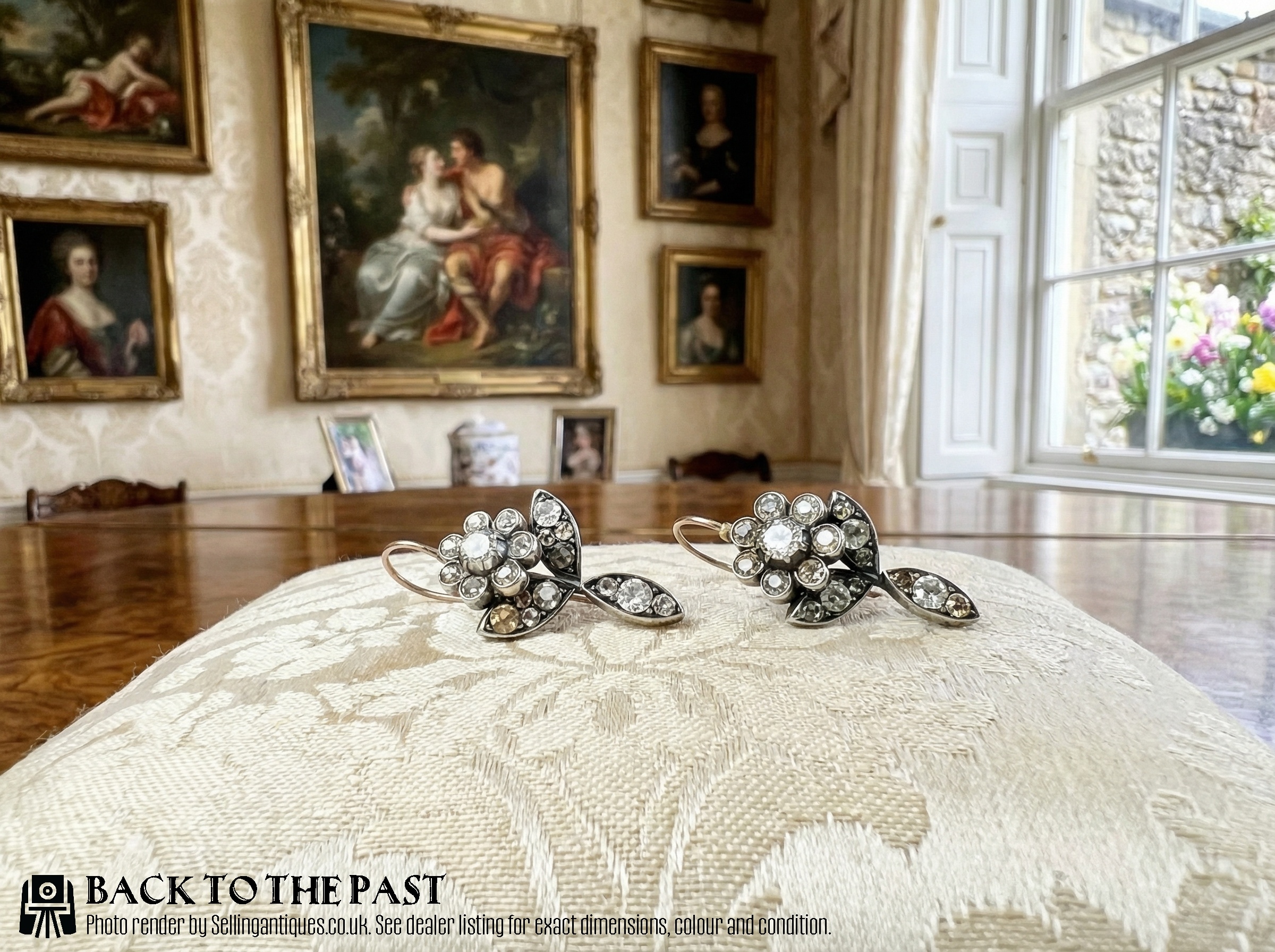
Forms include rings, brooches, necklaces, pendants, earrings, shoe buckles, and bracelets. You are most likely to meet silver and gold settings holding foiled or clear paste stones, alongside coloured variations that mimic emerald, ruby, sapphire, and amethyst.
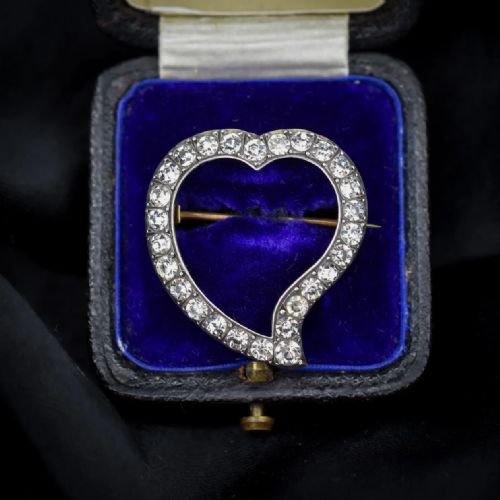
The aesthetic ranges from delicate floral clusters and heart motifs to substantial shoe buckles and rivière necklaces. These ornaments served as fashionable evening wear rather than mere economical substitutes for genuine gems.
How they were made
Maker-artisans cut high-lead glass by hand to achieve facets that captured candlelight, mounting the stones in silver or gold settings. Many stones incorporated coloured foil backing to intensify their depth and hue.
Techniques such as black dot paste involved placing a minute dark spot behind the stone to simulate the culet of a natural diamond. Metalwork often utilised fine silver backed by gold, steel filigree, or solid 9ct and 15ct gold.
Georgian Paste Jewellery Retail Price Guide 2026
Typical asking prices for georgian paste jewellery among the pieces listed under this phrase on Sellingantiques today, from the lower quarter to the upper quarter. They describe what is for sale here now, not the wider market.
Listings feature silver, gold, and foil alongside glass paste, spanning the Georgian, Victorian, and Edwardian periods.
What varies in quality
Quality rests in the precision of the stone-cutting and the integrity of the foil backing. Stones that retain their original crisp facets and unblemished foil show superior craftsmanship compared to those with dull or oxidized interiors.
The delicacy of the metalwork also divides the standard of production. Finer items display intricate wirework, secure collet settings, and well-preserved silver or gold structure that holds each glass paste stone firmly.
The Georgian Paste Jewellery Glossary
- Paste
- Hand-cut lead glass used to imitate gemstones in historic jewellery. It was prized for its high refractive index.
- Foil
- A thin reflective metallic sheet placed beneath a paste stone to enhance its colour and brilliance. It requires protection from moisture.
- Rivière
- A necklace composed of a continuous line of stones of similar size or graduating smoothly. They were popular in the eighteenth and nineteenth centuries.
- Giardinetti
- A jewellery design depicting a small garden flower pot or basket filled with blooms. These pieces often feature multi-coloured paste stones.
- Black dot paste
- A technique where a tiny dark spot is painted on the culet of a paste stone to mimic old-cut diamonds. This feature points to Georgian origin.
Georgian Paste Jewellery: Frequently Asked Questions
How do I clean georgian paste jewellery?
Clean paste items with a dry or barely damp soft cloth, avoiding liquid immersion entirely. Moisture can seep behind the stones and ruin the delicate metal foils.
Harsh chemical dips and ultrasonic cleaners will strip the foil and damage the soft glass surfaces. Gentle care preserves the historical integrity of the piece.
Are paste stones made of glass?
Paste consists of heavy, high-lead glass that is hand-cut and polished. This material allows the stones to achieve a high level of brilliance.
Historical paste differs from modern synthetic stones through its handmade facets and chemical composition. Artisans shaped each piece individually to fit custom metal mounts.
Why do some paste stones look dark?
Dark centres often result from the black dot technique used by Georgian makers to imitate genuine diamonds. The spot creates an illusion of depth within the stone.
Alternatively, darkening can occur when moisture degrades the foil backing over time. This age-related change is typical in untreated antique specimens.
Can I wear these pieces every day?
Historic paste items require gentle handling due to the softness of lead glass and delicate metal settings. Occasional evening wear suits them better than constant daily use.
Proper storage away from other items prevents scratching on the glass facets. Treating the jewellery with care ensures the stones and foil remain intact.