

Georgian Paper Portrait Artwork
Georgian paper portrait artwork captures likenesses through silhouette, engraving, watercolour and pastel from the eighteenth and nineteenth centuries.
Georgian Paper Portrait Artwork
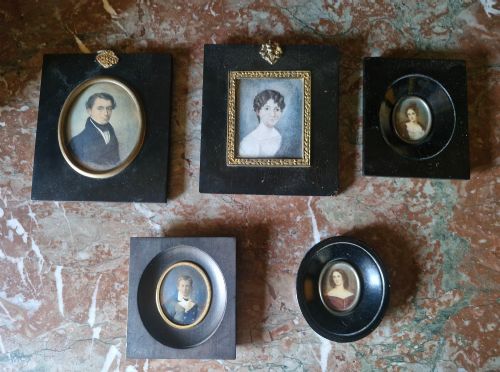
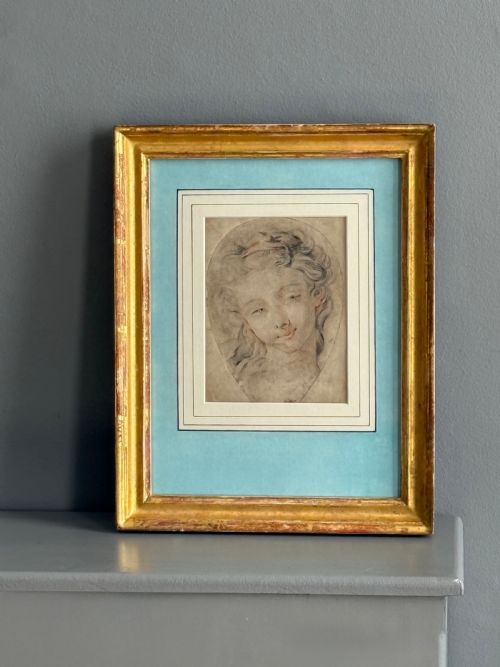
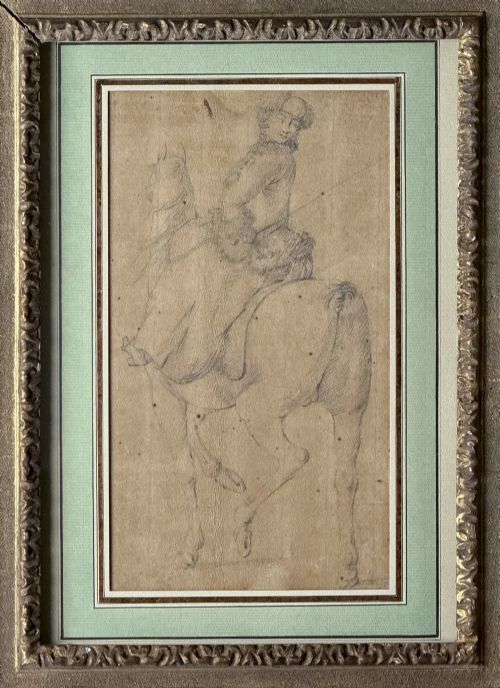
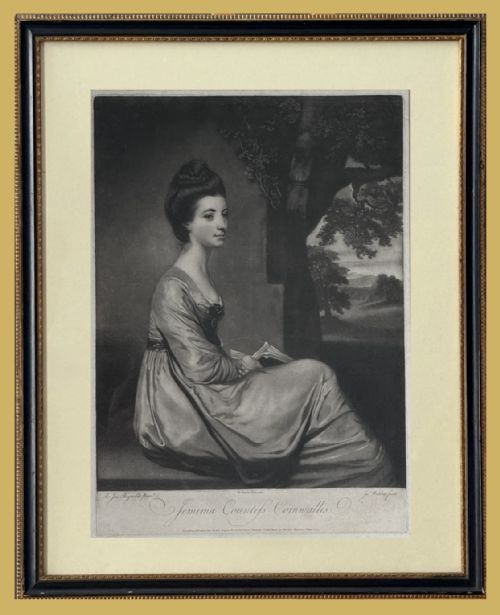
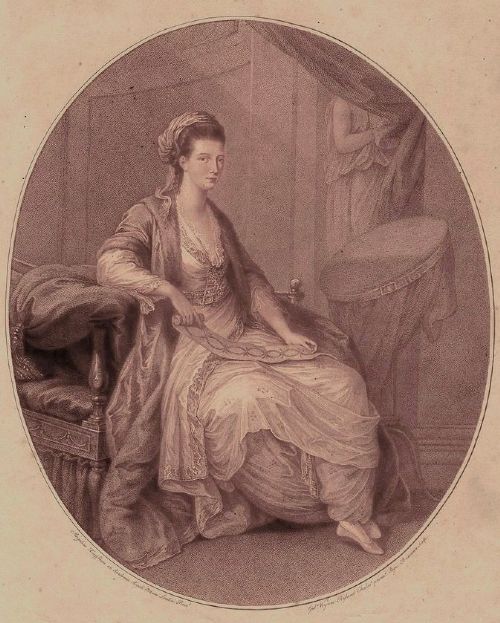
When searching for Georgian paper portrait artwork, buyers encounter framed works on paper spanning the eighteenth and nineteenth centuries. These pieces encompass silhouettes, mezzotints, line engravings, pastels and watercolours.
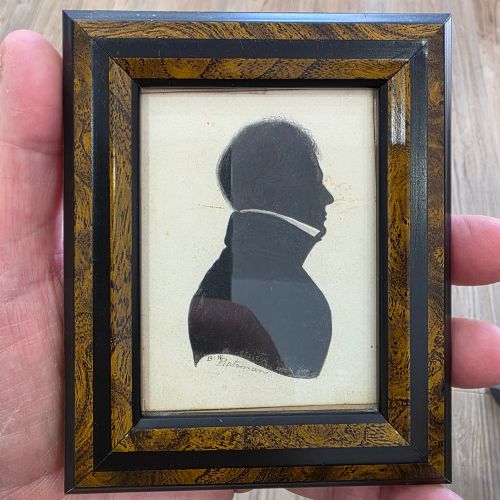
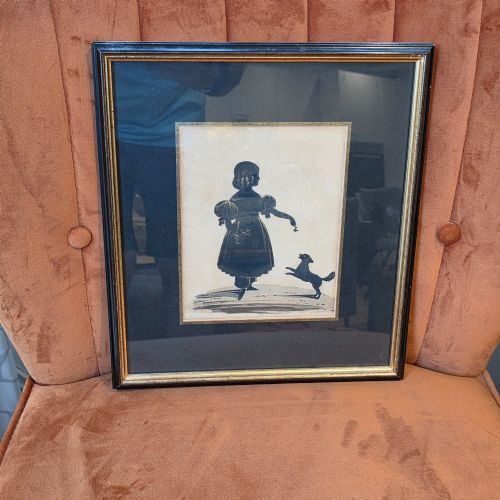
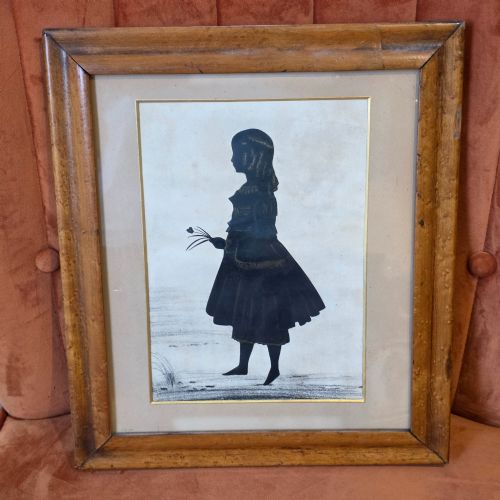
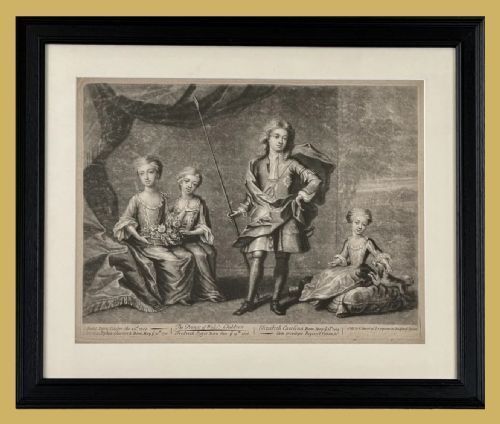
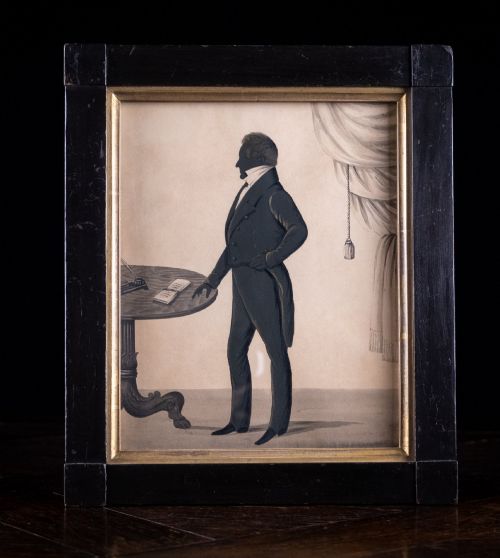
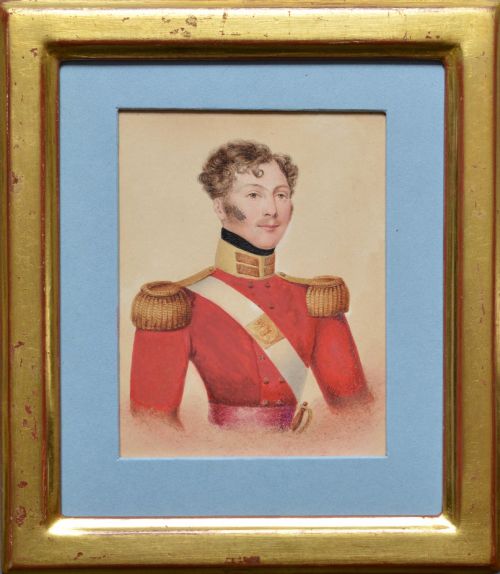
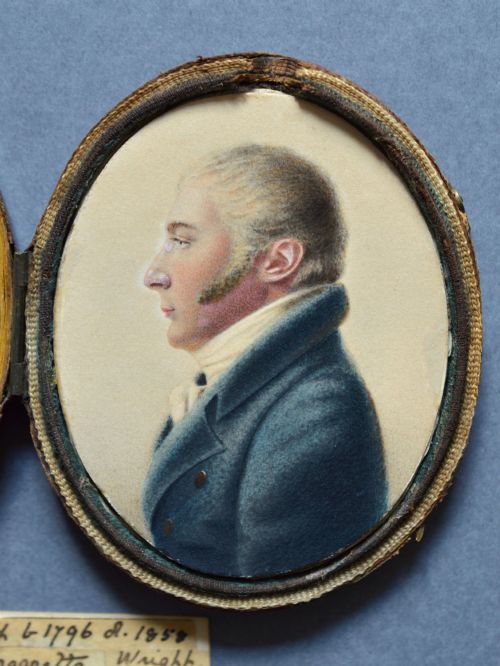
The selections on this page lean heavily towards profile silhouettes cut from paper, alongside copperplate engravings and delicate watercolours of individuals and family groups.
Subjects range from named historical figures and military officers to children and untitled sitters captured in intimate domestic settings.
Materials and technique
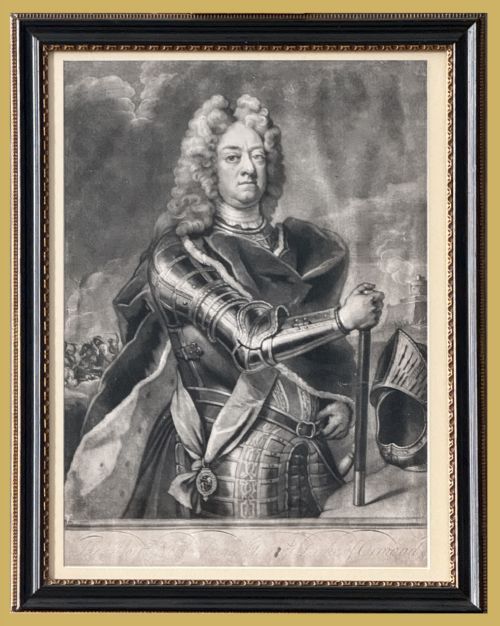
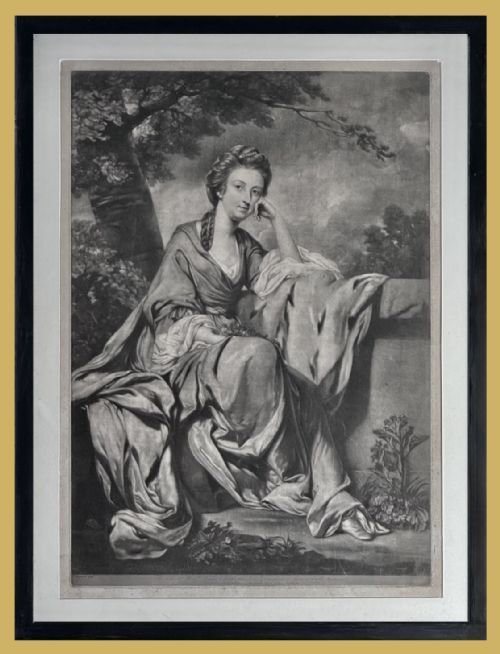
Printmakers relied on copper plates to produce mezzotints and line engravings, working with ink on paper and occasionally housing the resulting prints in simple wood frames beneath glass.
One unusual Regency portrait on offer includes fourteen interchangeable costume overlays to alter the sitter's outfit.
Evaluating quality and execution
Quality rests in the precision of the hand, whether through the deft scissor work of a silhouette cutter or the tonal depth achieved by a mezzotint engraver. Finer examples display subtle washes of watercolour, delicate gold leaf embellishments and crisp, unblemished paper.
The skill of the original draughtsman dictates the liveliness of the pose, distinguishing mechanical reproduction from expressive portraiture executed by named practitioners.
William James Hubard·Augustin Edouart·Jacobus Houbraken·John Simon·Thomas John Horsley
The Georgian Paper Portrait Artwork Glossary
- Mezzotint
- A printmaking process where the copper plate is roughened to produce dark tones, allowing smooth gradations of light and shade. This technique was widely employed for reproducing painted portraits.
- Silhouette
- A portrait profile filled in with a solid colour, typically black, cut from paper or painted. These pieces gained immense popularity during the eighteenth and nineteenth centuries.
- Engraving
- An intaglio printmaking method where designs are cut directly into a metal plate with a burin. The resulting lines hold ink for transfer onto paper.
- Pastel
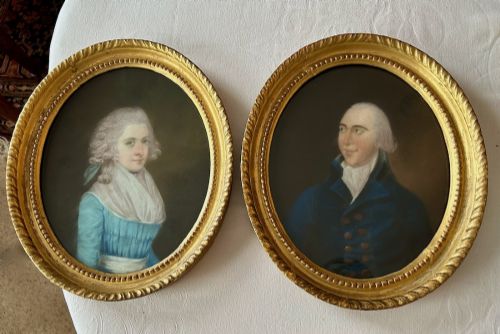
- A dry drawing medium composed of powdered pigment and a binder, frequently utilised on paper for soft-toned portraits during the eighteenth century.
Georgian Paper Portrait Artwork: Frequently Asked Questions
What is a cut paper silhouette?
A cut paper silhouette is a profile portrait meticulously snipped from dark paper using small scissors or blades. These likenesses were often mounted on a contrasting pale background and framed.
Many examples date from the Regency and early Victorian periods, capturing sitters with surprising economy of line and detail.
How do I date a paper portrait?
Dating relies heavily on costume, hair styling, framing materials and any inscribed signatures or dates on the reverse. Regency pieces often feature high-waisted dresses and distinctive hairstyles.
Paper quality and engraving techniques also provide reliable clues for separating eighteenth-century works from later Victorian productions.
Were these portraits meant to be framed?
Yes, works on paper required protection from dust and moisture, leading contemporary owners to place them behind glass within timber frames. Many retain their original giltwood or simple moulded frames.
Original framing helps preserve the delicate paper surface and any accompanying watercolours or gold leaf embellishments.
What subjects appear in these artworks?
Subjects include nobility, military officers, children and ordinary citizens whose identities are occasionally recorded in contemporary handwriting. Political figures and literary subjects also feature prominently in engraved formats.
Group portraits and conversation pieces frequently depict family members engaged in everyday domestic activities.