





Georgian Painted Pedestal
A georgian painted pedestal offers a striking architectural silhouette and decorative surface, bringing classical proportion and hand-finished colour to interior spaces.
Georgian Painted Pedestal
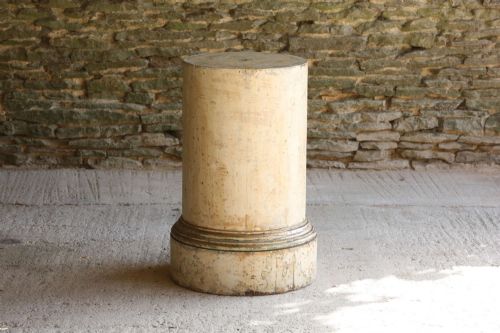
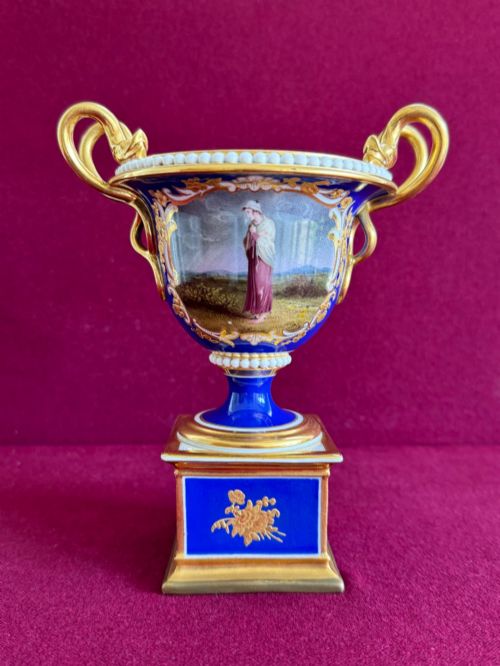
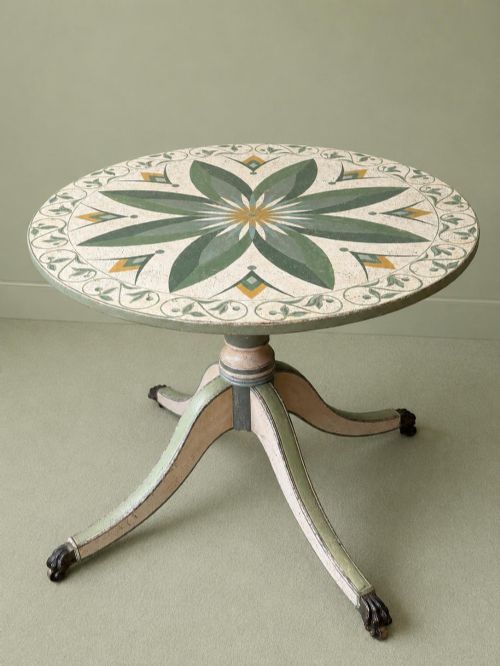
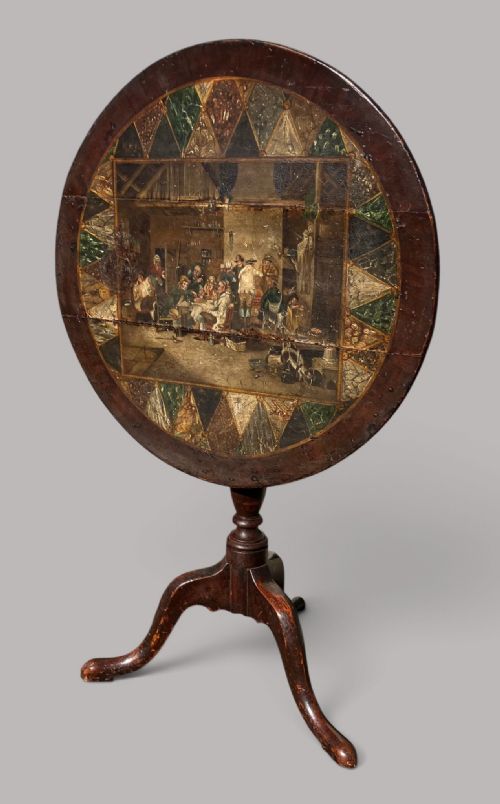
When searching for a georgian painted pedestal, buyers encounter architectural columns, plinths, and display stands originating from the Georgian, Regency, and later revival periods. These forms range from large pine column pedestals to faux marble wooden display columns and tripod tables designed to elevate decorative objects or urns.
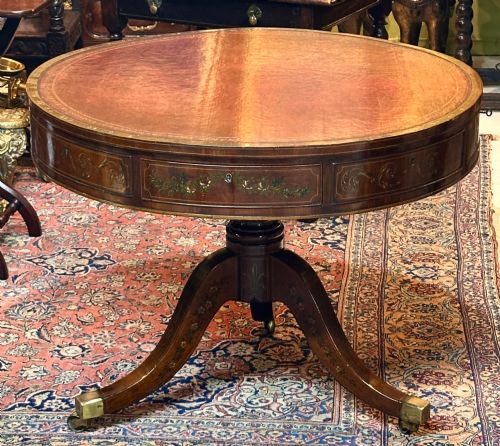
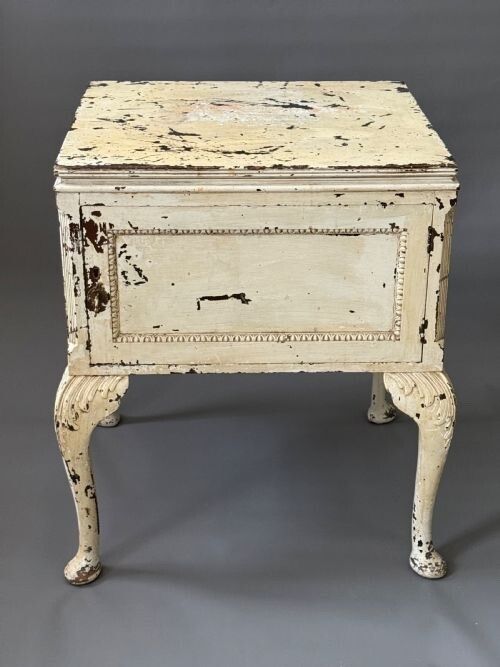
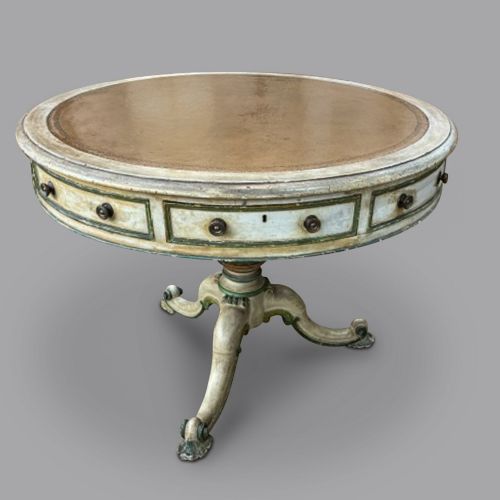
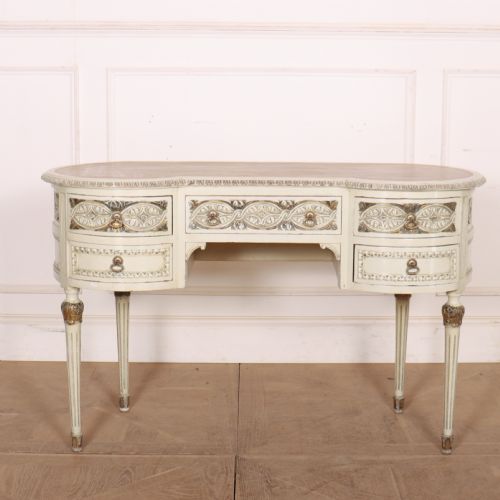
The pieces on this page span several centuries, including 18th-century vernacular oak examples alongside 19th-century and later interpretations influenced by neoclassical and Sheraton styles. While many function primarily as display surfaces, related forms such as drum tables, bedside cabinets, and occasional tables also appear under this grouping.
The predominant aesthetic relies on painted finishes, encompassing naïve original paintwork, simulated marble, and japanned decorations. Buyers generally select these pieces to anchor a corner of a room or to provide a raised platform for sculpture, porcelain, and plants.
Materials and construction
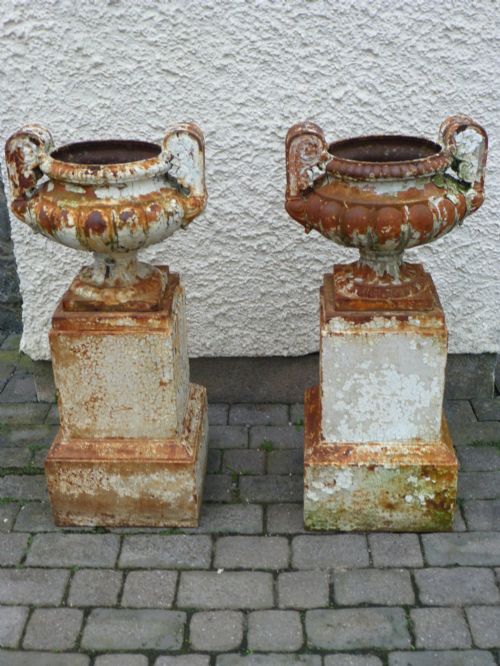
Makers utilised solid timbers such as pine, oak, mahogany, and satinwood as the structural foundation for these pieces, often combining them with turned or carved details. Iron, tin-ware, and cast elements also occur in heavier urns and plinths.
The decorative surfaces rely heavily on applied paint, gilt, brass mounts, and specialised techniques like japanning or ink work to simulate stone, marble, or exotic lacquer. Finishers applied successive coats of paint and clear mediums to achieve depth and durability on both wood and metal.
Georgian Painted Pedestal Retail Price Guide 2026
Typical asking prices for georgian painted pedestal among the pieces listed under this phrase on Sellingantiques today, from the lower quarter to the upper quarter. They describe what is for sale here now, not the wider market.
Some pedestals pretend to be solid marble until you lift them and discover they are simply clever pine in disguise.
Distinctions in quality
Quality rests upon the integrity of the original surface finish, distinguishing pieces retaining untouched naïve or decorative paint from those with later overpainting or heavy restoration. The crispness of carved mouldings and the stability of the underlying timber structure further define the standard of the piece.
Proportion and scale dictate the visual success of an architectural pedestal, separating utilitarian stands from finely balanced neoclassical compositions designed with classical restraint. Superior joinery, such as well-fitted tripod bases and stable column construction, ensures the piece performs its function securely.
Flight Barr And Barr·Falkirk Carron Foundry·Spode
The Georgian Painted Pedestal Glossary
- Japanned
- A European imitation of East Asian lacquerwork produced using successive layers of varnish and heat-cured finishes. This technique was frequently applied to tin-ware, furniture, and decorative accessories.
- Neoclassical
- A style spanning the 18th and 19th centuries drawing inspiration from the classical art and architecture of ancient Greece and Rome. It emphasises symmetry, straight lines, and classical motifs.
- Plinth
- The lower square block serving as the base of a column or pedestal. It provides stability and visual grounding to the entire structure.
- Tripod
- A three-legged support base commonly found on occasional tables and stands. This configuration ensures stability on uneven historical flooring.
Georgian Painted Pedestal: Frequently Asked Questions
How were these pedestals used historically?
Historically, pedestals served to display sculptures, vases, lighting, and decorative urns within grand reception rooms or hallways. They elevated objects to eye level to showcase artistic collections and enhance interior symmetry.
Over time, smaller variations transitioned into domestic settings as lamp stands, wine coolers, or occasional tables supporting daily household items.
How do I care for original painted surfaces?
Preserving historic paint requires keeping pieces away from direct sunlight and maintaining stable indoor humidity levels. Dusting should be done gently with a dry, soft cloth without applying liquid cleaning agents.
Wax or modern polishes can damage fragile, unsealed historic paintwork, so consult a conservator before attempting any surface cleaning.
Are these pedestals structurally stable for daily use?
Most pedestals are built from solid hardwoods or heavy cast materials designed to bear weight vertically. However, tripod bases and taller column structures require careful placement on level surfaces to prevent tipping.
Heavier items like marble-topped stands or iron urns offer considerable stability, but lighter pine or satinwood versions should be placed away from heavy household traffic.
How can I distinguish a genuine antique finish?
Genuine early painted finishes exhibit natural craquelure, subtle wear patterns, and pigment layering consistent with age and hand application. Under close inspection, older surfaces integrate organically with the wood or metal substrate beneath.
Modern reproductions or later decorative campaigns often display uniform brushwork, synthetic binders, or artificial distressing that lacks the depth of genuine period pieces.