






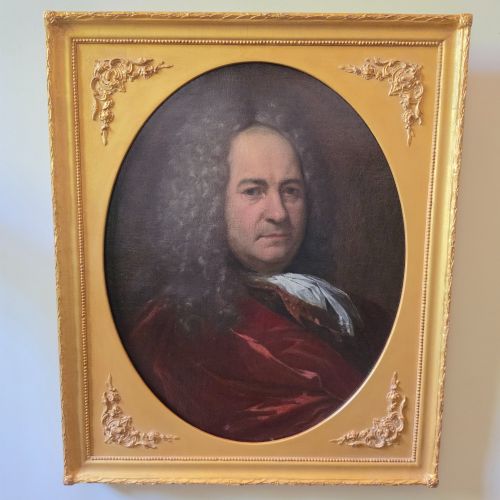
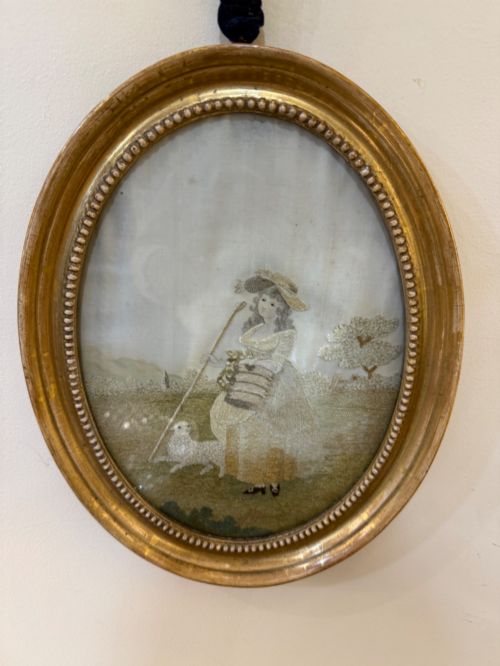
Georgian Oval Gilt Frame
When you search for a georgian oval gilt frame, you encounter the gleaming borders that house centuries of portraiture and needlework.
Georgian Oval Gilt Frame
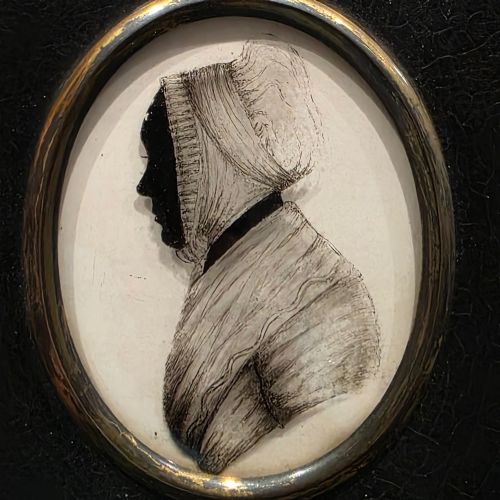
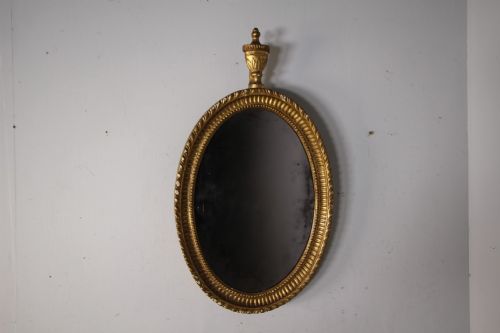
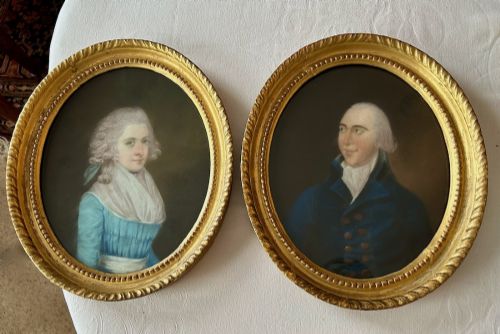
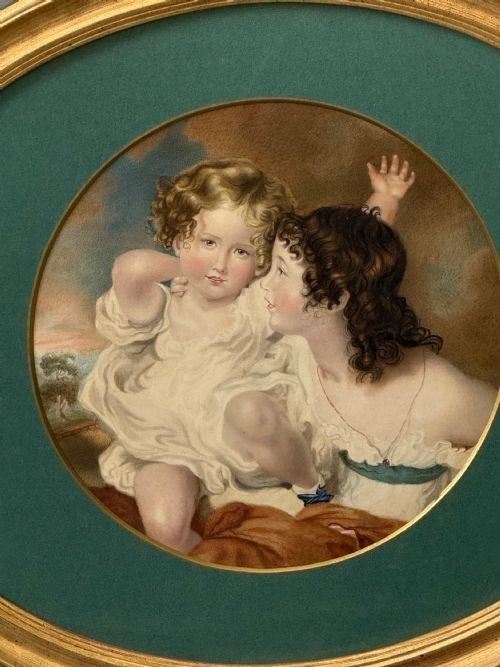
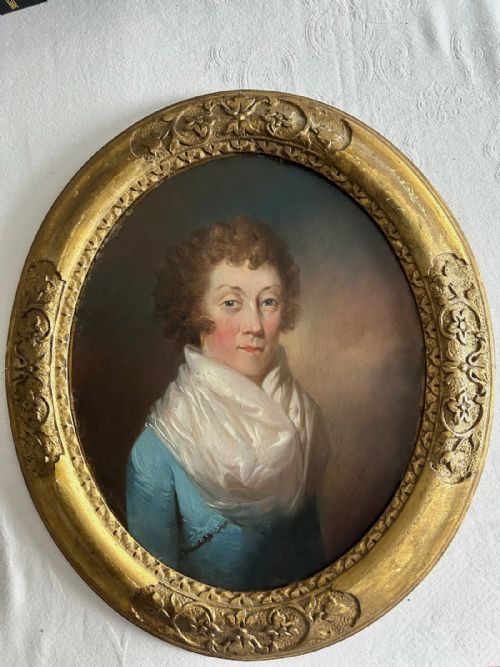
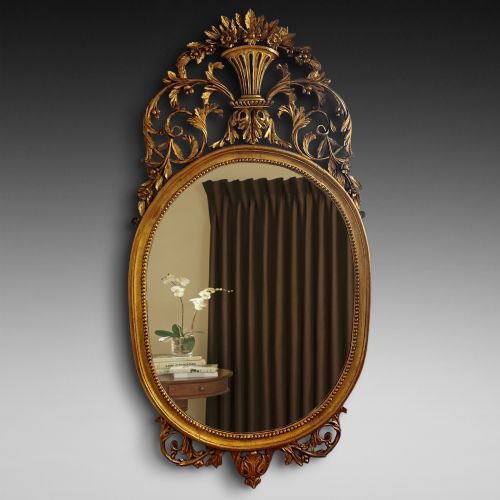
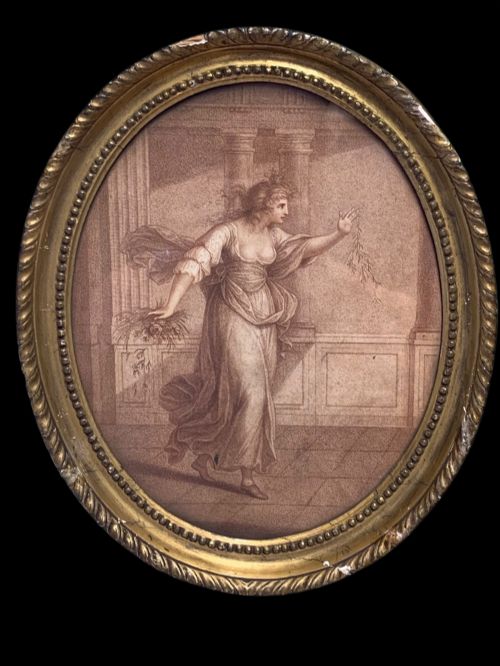
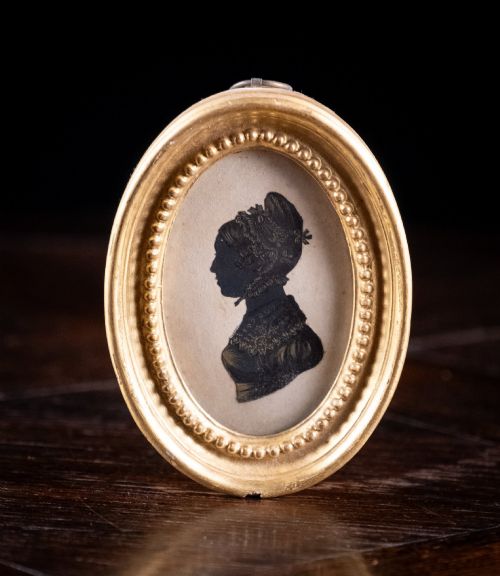
A georgian oval gilt frame encompasses wall mirrors and portrait enclosures designed during the eighteenth and early nineteenth centuries. These items serve to showcase oil paintings, watercolours, silhouettes, and textile art within domestic spaces.
The version most likely encountered on this page includes carved wooden structures finished in gold leaf or gesso, often housing period portraits or samplers. Pieces range from British Baroque and Regency examples to later interpretations.
The category bridges functional wall furnishings and fine art presentation. Buyers encounter everything from grand wall mirrors to intimate portrait miniatures housed in polished surrounds.
How they were made
Maker's hands shaped these items primarily from wood, applying layers of gesso to build up decorative contours before laying down fine gold leaf. Artisans carved intricate details directly into the timber or moulded composition ornaments to achieve the desired neoclassical or baroque profiles.
Surrounds frequently enclose delicate materials such as oil on canvas, paper, silk, and glass, protecting fragile watercolours, pastels, and needlework. The combination of gilded wood and protective glazing ensures the longevity of the artwork contained within.
What varies in quality
The standard of a georgian oval gilt frame rests upon the depth of the carving and the preservation of the original gold leaf surface. Finer examples display crisp, hand-carved ornamentation rather than heavily moulded composition details.
The relationship between the frame and its enclosed portrait, mirror glass, or silk work dictates the integrity of the piece. Uniformity in the gilding and the retention of period components elevate the overall character.
James Sharpes·John Russell·Arthur William Devis·Charles Hayter
The Georgian Oval Gilt Frame Glossary
- Giltwood
- Wood that has been coated with gold leaf. This material provides the brilliant metallic finish characteristic of period frames.
- Gesso
- A plaster-like mixture applied to wood surfaces. Artisans use this substance to create smooth bases for subsequent gilding or to model relief decoration.
- Regency
- A period spanning the early nineteenth century. Pieces from this era often exhibit clean neoclassical lines and restrained ornamentation.
- Silhouettes
- Profile portraits cut from paper or painted onto glass. These items frequently appear within small oval frames.
- Neoclassical
- A style drawing inspiration from classical antiquity. This aesthetic influences the symmetry and decorative motifs found on many frames and portraits.
Georgian Oval Gilt Frame: Frequently Asked Questions
How do I date a gilt frame?
Dating relies upon examining the construction techniques, the composition of the gesso underneath, and the style of the woodcarving. Earlier examples often feature hand-carved timber, whilst later versions incorporate moulded ornament.
The backing boards, fixings, and the nature of any enclosed artwork also offer chronological clues. Comparing the profile against documented historical styles confirms the era.
Can I replace the mirror glass?
Replacing original glass is generally discouraged by collectors because period mirror plates exhibit characteristic foxing, distortion, and age that define their authenticity. Retaining the original glass preserves the historic integrity of the object.
If the glass is entirely missing, replacement with hand-poured or mouth-blown antique glass is preferred over modern float glass. This maintains the visual harmony between the frame and the reflective surface.
How should I hang a heavy wall mirror?
Secure hanging requires locating a wall stud or utilising heavy-duty fixings rated for the weight of the timber and gesso. Professional framing hooks and steel wire attached firmly to the primary frame structure ensure stability.
Avoid relying solely on decorative rings attached to the top edge of the frame. Distributing the weight evenly across multiple points protects the antique structure from strain.
What is the difference between gesso and carved wood?
Carved wood involves shaping the actual timber foundation into decorative patterns using chisels and gouges. This technique represents higher craftsmanship and greater durability.
Gesso is a fluid mixture applied over a simpler wooden core and then moulded or stamped to simulate carving. Combinations of both methods appear frequently in Georgian and Regency decorative arts.