

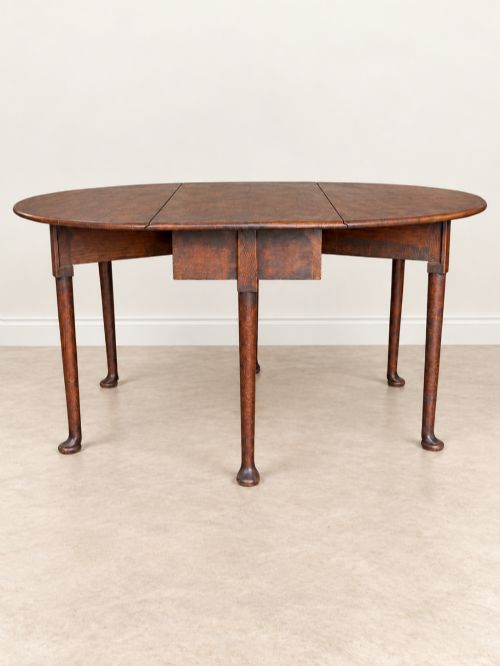
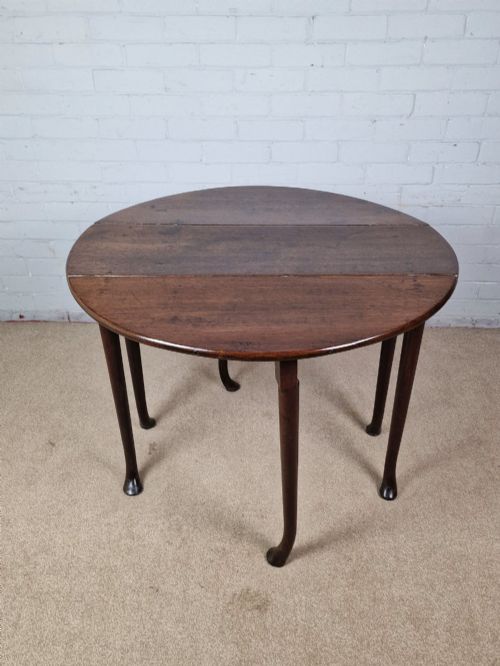

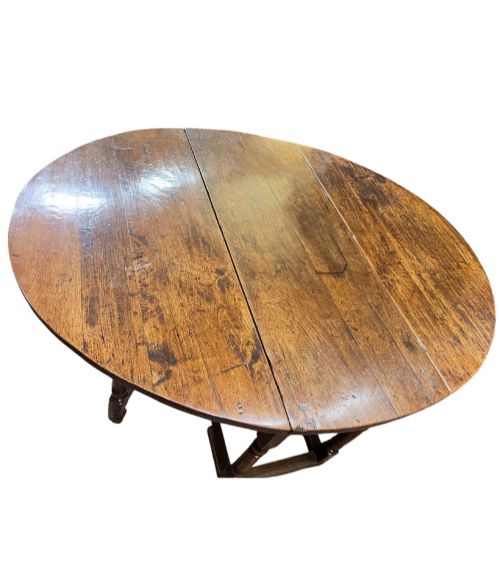
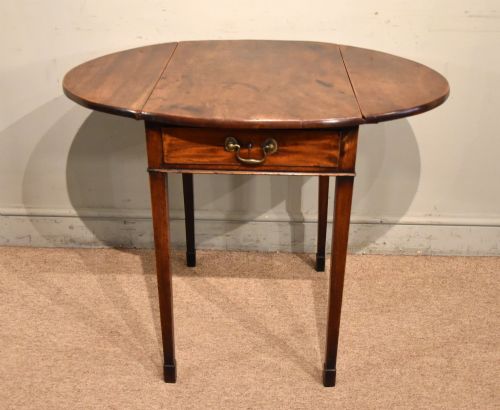
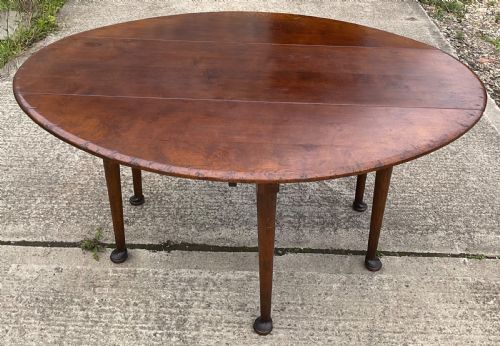
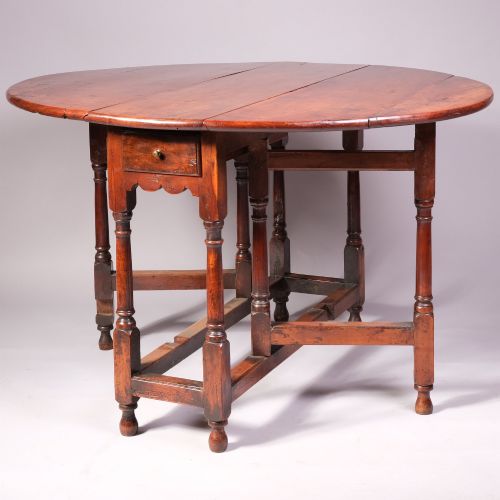
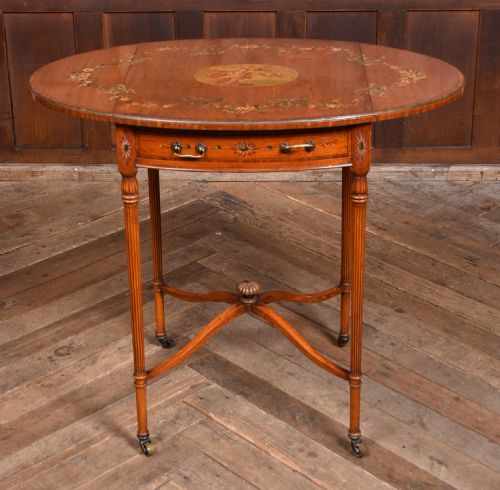
Georgian Oval Drop Leaf Table
A georgian oval drop leaf table offers clever folding versatility and rich timber warmth, making it a timeless centrepiece for dining rooms large and small.
Georgian Oval Drop Leaf Table
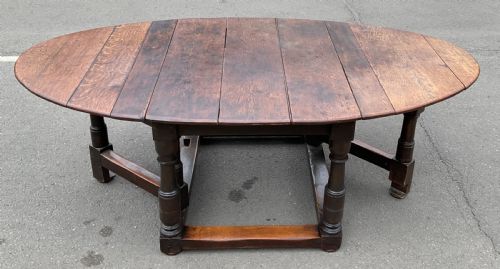
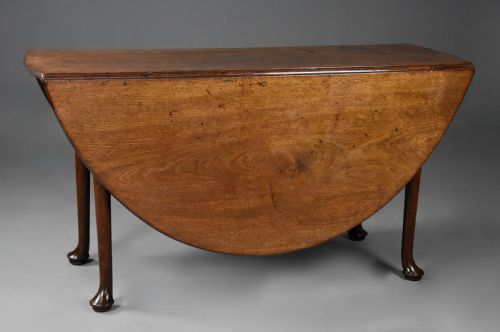
When searching for a georgian oval drop leaf table, a buyer encounters flexible timber furniture designed to expand for dining and fold compactly against a wall when not in use. These pieces bridge the gap between practical domestic utility and refined period cabinet-making.
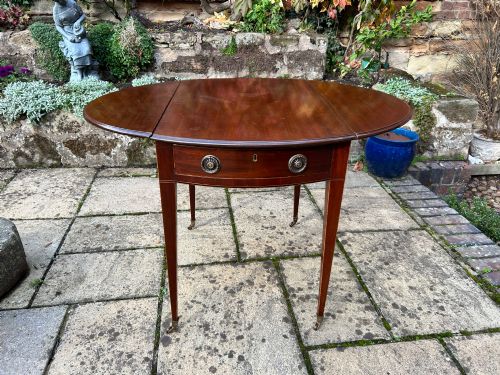
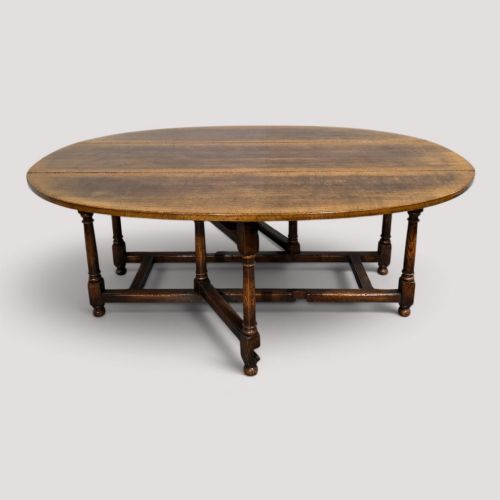
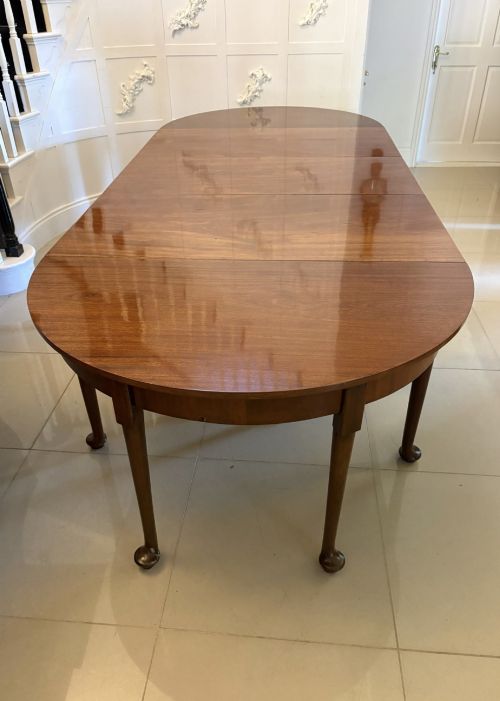
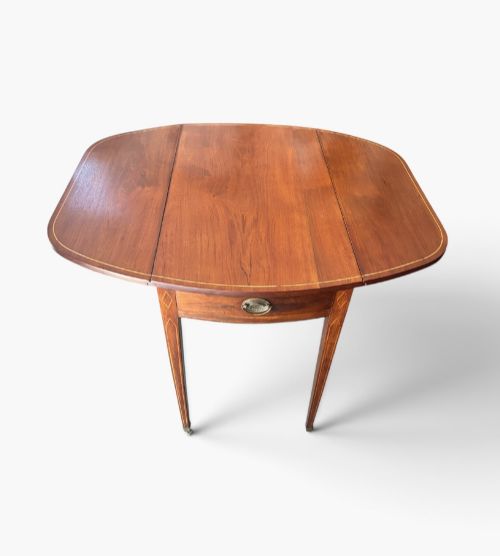
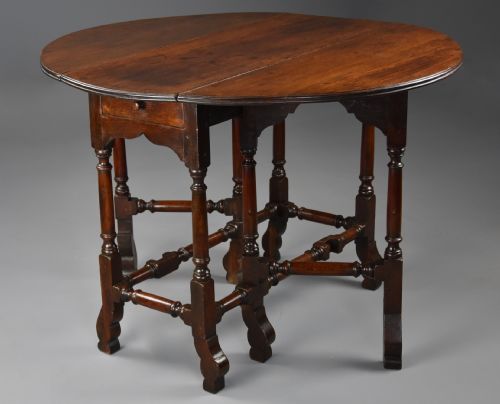
The versions most frequently met on this page span the eighteenth and nineteenth centuries, taking the form of substantial mahogany dining tables, walnut gateleg designs, and smaller satinwood or mahogany Pembroke tables. They emerge from Georgian, Sheraton, and Regency design traditions, reflecting both formal urban elegance and sturdy country craftsmanship.
Materials and construction
Cabinet-makers relied heavily on rich timbers such as mahogany, walnut, and oak, frequently embellished with boxwood, satinwood, and kingwood banding or inlay. Solid construction methods allowed the hinged flaps and supporting gate legs to bear significant weight during daily use.
Hinges and pivoting mechanisms utilise brass fittings, while structural joints frequently employ traditional pegging and dovetailing. The timber surfaces achieved their characteristic appearance through expert polishing and waxing, developing a deep, faded patina over centuries.
Georgian Oval Drop Leaf Table Retail Price Guide 2026
Typical asking prices for georgian oval drop leaf table among the pieces listed under this phrase on Sellingantiques today, from the lower quarter to the upper quarter. They describe what is for sale here now, not the wider market.
Secret drawers tucked inside Pembroke tables often still hold centuries-old stray pins and ink stains left by past letter writers.
Factors that separate the range
The distinction between ordinary and exceptional examples rests upon the selection of timber figures, such as highly grained Cuban mahogany or figured walnut. Superior pieces display thoughtful proportions, where the oval leaves create a balanced silhouette both open and closed.
Craftsmanship details also divide the range, including the finesse of carved cabriole legs with pad or hoof feet versus plain square supports. Intricate marquetry work, original brass hardware, and the preservation of a warm, undisturbed surface patina elevate an example to the top tier.
The Georgian Oval Drop Leaf Table Glossary
- Drop-leaf table
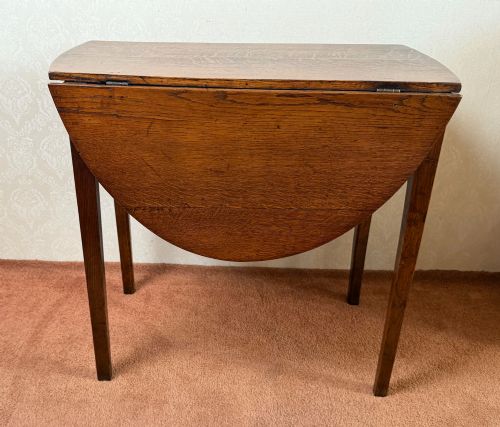
- A table with a fixed central section and hinged flaps that fold down at the sides. These flaps are supported by swing-out legs or brackets when raised for use.
- Pembroke table
- A small rectangular or oval table with two hinged drop leaves on opposite sides, usually featuring one or more small drawers. They originated in the eighteenth century as versatile breakfast or writing pieces.
- Patina
- The lustrous surface sheen developed over decades of handling, polishing, and natural ageing. Collectors prize an untouched patina for the visual depth it gives to old timber.
- Cabriole leg
- A furniture leg that curves outward in a convex arc and tapers inward in a concave arc, mimicking an animal limb. It typically terminates in a pad, claw, or hoof foot.
Georgian Oval Drop Leaf Table: Frequently Asked Questions
How do I seat guests around it?
Drop-leaf tables expand easily by raising the side flaps and swinging the supporting legs or gates into position. This adaptability allows a compact side table to transform into a dining surface seating several people.
When the meal concludes, simply lower the leaves and push the table back against the wall to reclaim valuable floor space. The folding mechanism makes them particularly useful in rooms that serve multiple functions.
Are these tables sturdy enough for daily dining?
Solidly constructed period tables utilise robust timber frames and strong pivoting joints designed for heavy everyday use. The gateleg and Pembroke variations distribute weight effectively across multiple legs when fully extended.
Care should be taken not to lean excessive body weight directly onto the unsupported edges of raised leaves. With sensible treatment, these historic pieces handle regular family meals quite comfortably.
How can I tell a Georgian table from a later copy?
Examining the timber undersides, drawer linings, and secondary woods reveals construction methods consistent with eighteenth-century workshops. Hand-cut joinery, older fixings, and natural timber shrinkage offer reliable clues to period authenticity.
Later Victorian or Edwardian revival pieces often display machine-tooled uniformity, different secondary woods, or modern hardware. Comparing the patination and wear patterns across the frame helps clarify the true age of the piece.
How do I care for antique wood surfaces?
Protect the timber by using mats under hot dishes or damp glasses to prevent ring marks and moisture damage. Regular dusting with a soft, dry cloth preserves the finish without building up heavy chemical residues.
Applying a traditional beeswax polish occasionally helps nourish the wood and maintain its natural lustre. Direct sunlight should be avoided to prevent the rich mahogany or walnut tones from fading unevenly.