




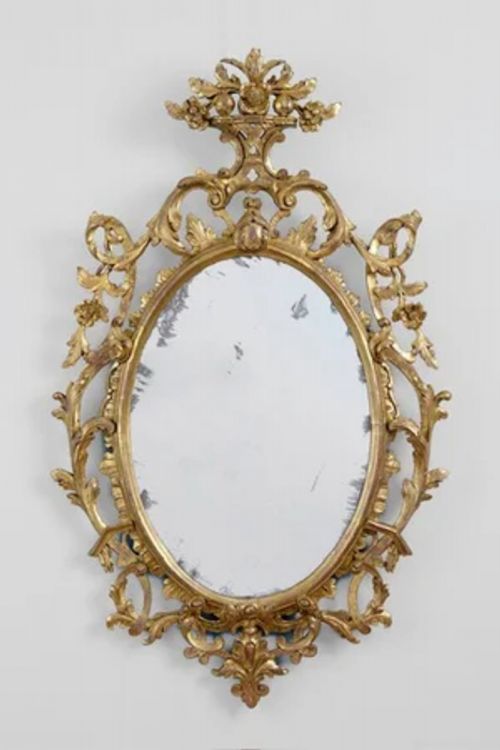

Georgian Ornate Mirror
A georgian ornate mirror brings depth to a room through gilded surfaces and intricate carved frames.
Georgian Ornate Mirror
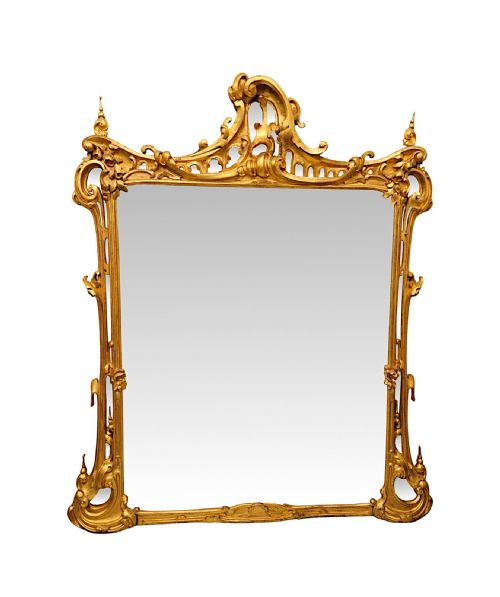
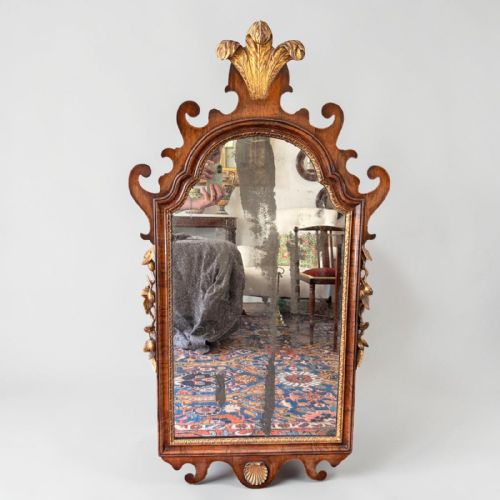
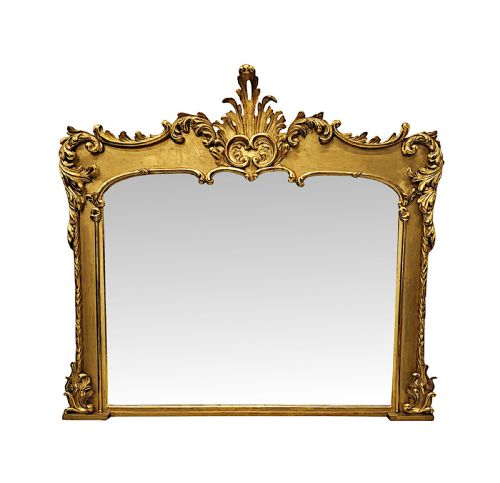
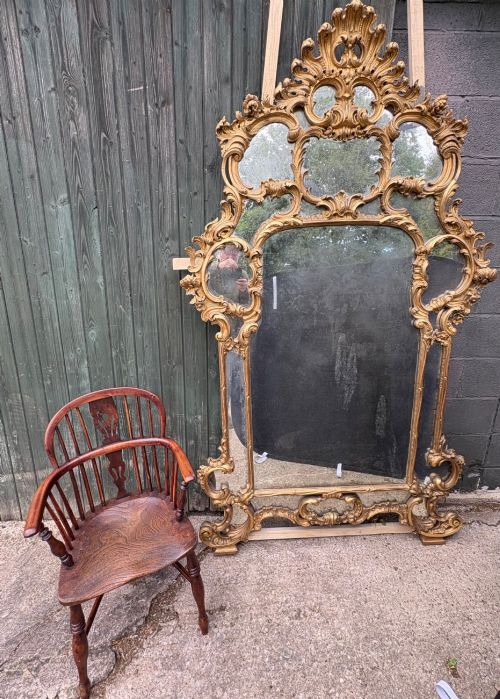
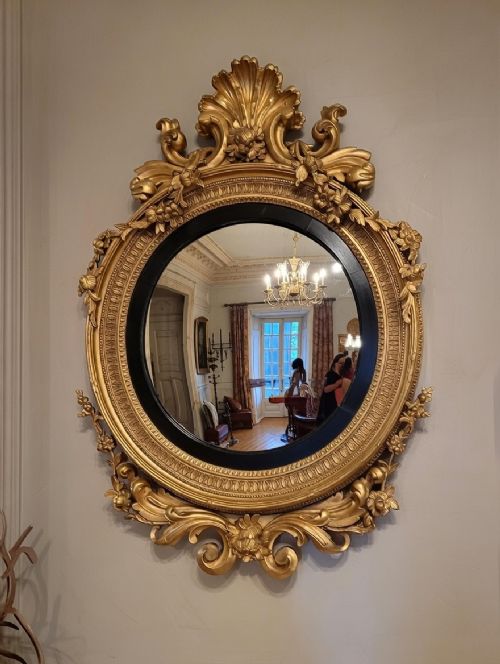
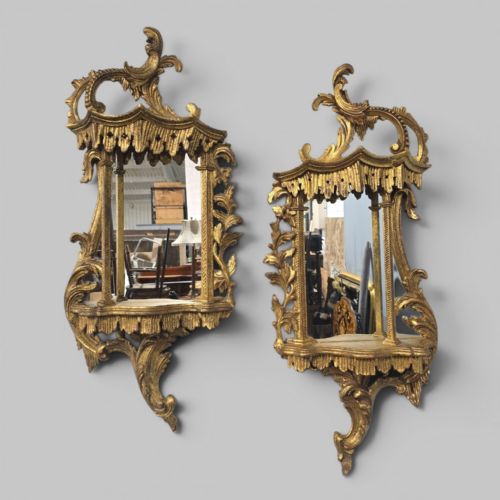
A georgian ornate mirror takes the form of wall mirrors and overmantel mirrors designed for formal rooms. Pieces on this page span the eighteenth and nineteenth centuries alongside later revivals, showing styles from rococo to neoclassical.
The most common examples combine carved timber or gesso frames with gilded surfaces. Makers worked within established idioms such as Chippendale and Regency to produce vertical wall pieces and wide overmantel designs.
Materials and construction
Frames rely on pine and carved wood as a base for gesso layers that take fine detail. Artisans applied gold leaf or silver gilt over these prepared surfaces to catch the light.
Original glass plates show distinct characteristics compared to later replacements. Joinery in the timber backing reveals the age of the structure.
Georgian Ornate Mirror Retail Price Guide 2026
Typical asking prices for georgian ornate mirror among the pieces listed under this phrase on Sellingantiques today, from the lower quarter to the upper quarter. They describe what is for sale here now, not the wider market.
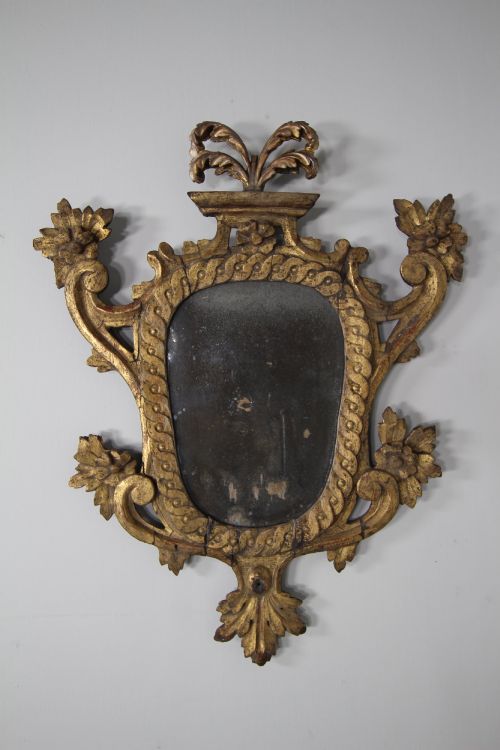
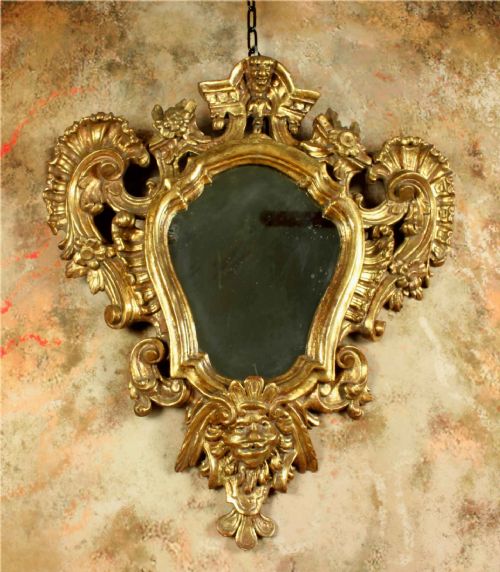
One exceptional piece carries a carved decorative mask hidden within the giltwood frame.
Distinguishing quality
The depth and crispness of the carving set fine examples apart from standard production. Superior pieces retain their original gilding and glass plate without heavy restoration.
Proportion and balance in the frame design dictate the visual impact of the piece. Subtle details in the foliate cresting reveal the hand of a skilled workshop.
Sir Willian Trotter
The Georgian Ornate Mirror Glossary
- Giltwood
- Timber coated with gold leaf over a prepared base. This finish provides a bright reflective surface that ages with a warm tone.
- Gesso
- A plaster mixture applied to wood frames before gilding. It allows carvers to shape intricate relief ornamentation.
- Overmantel mirror
- A large horizontal looking glass designed to hang above a fireplace. These pieces anchor the decorative scheme of a reception room.
- Pier mirror
- A tall vertical looking glass made to hang on the wall between windows. They reflect additional light into darker parts of the interior.
- Foliate cresting
- Carved leaf ornamentation at the top of a frame. This detail draws the eye upward and balances the proportions.
Georgian Ornate Mirror: Frequently Asked Questions
Where should I hang an overmantel mirror?
These large horizontal mirrors belong above a fireplace mantelpiece where they anchor the room's proportions.
Ensure the fixings are secured into solid wall studs to support the substantial weight of the timber and glass.
How do I identify a genuine period frame?
Examine the construction of the wooden backing and the application of the gesso layer beneath the gold leaf.
Period pieces show consistent signs of age in the materials without modern synthetic adhesives or machine-cut screws.
Can I clean the original glass plate?
Use a soft dry cloth to remove dust from the glass and the delicate gilded frame surfaces.
Avoid commercial liquid cleaners that might seep behind the plate and damage the historical silvering.
What is the difference between rococo and neoclassical styles?
Rococo frames feature asymmetrical C-scrolls, floral motifs, and dramatic organic movement.
Neoclassical designs return to symmetry with straight lines, urns, and classical architectural elements.