
Georgian Open Shelf Bookcase
A georgian open shelf bookcase offers accessible tiering and timber grain for a room, bringing structured display space to a collection of volumes.
Georgian Open Shelf Bookcase
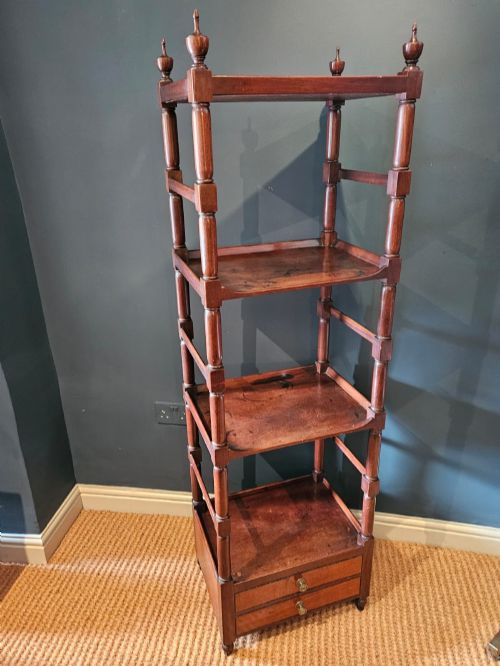
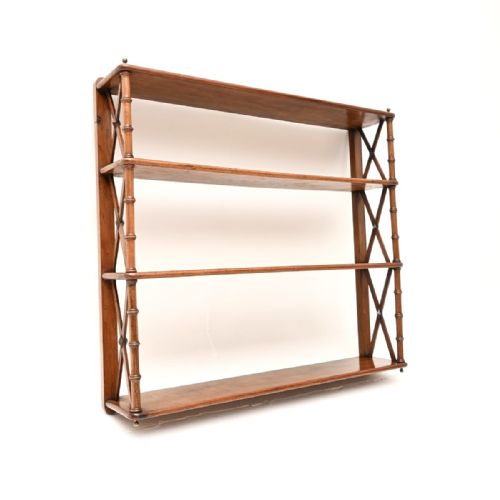
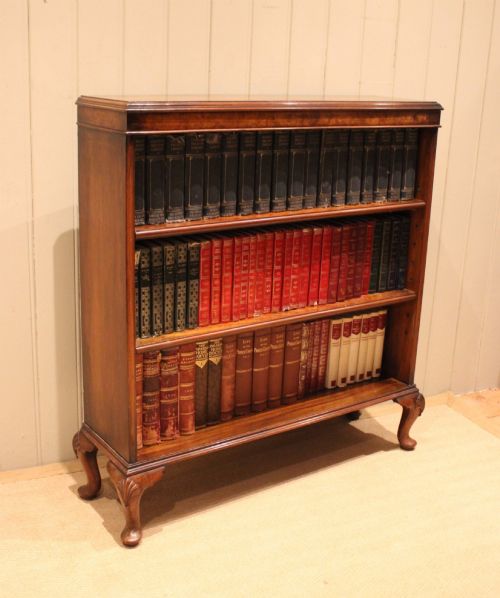
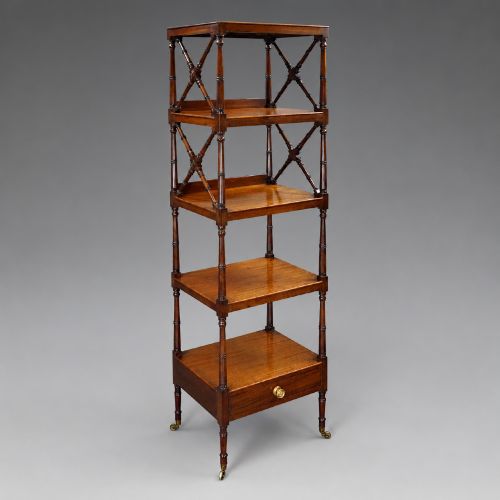
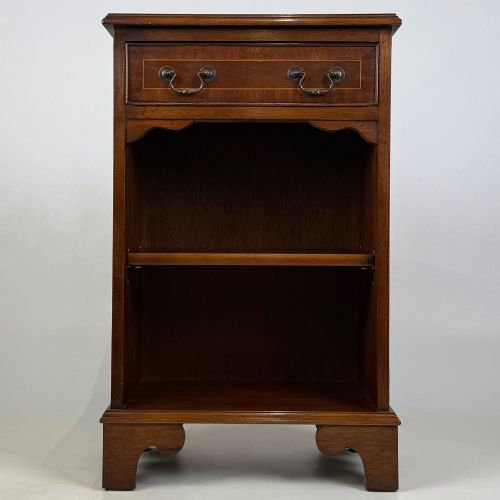
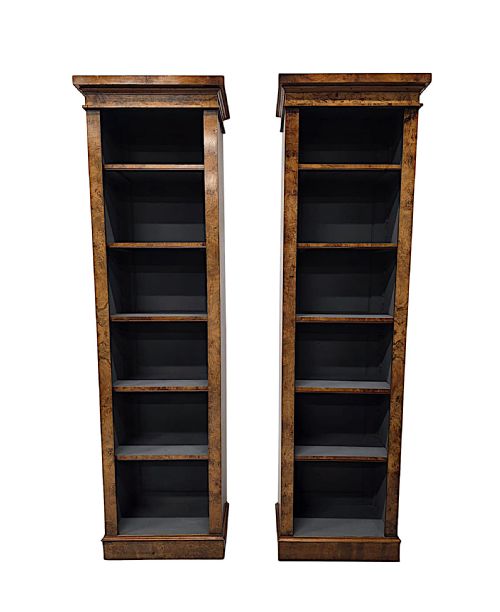
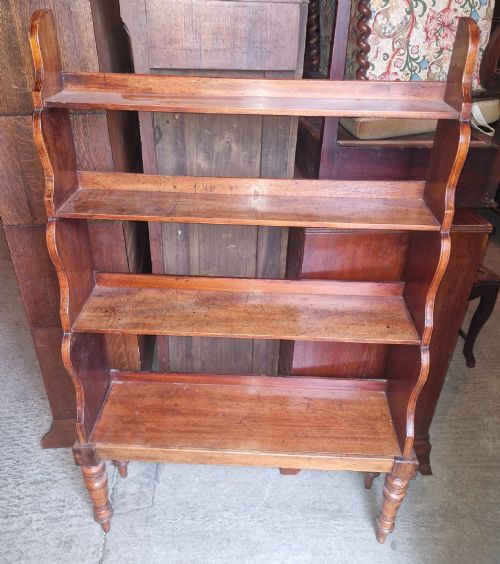
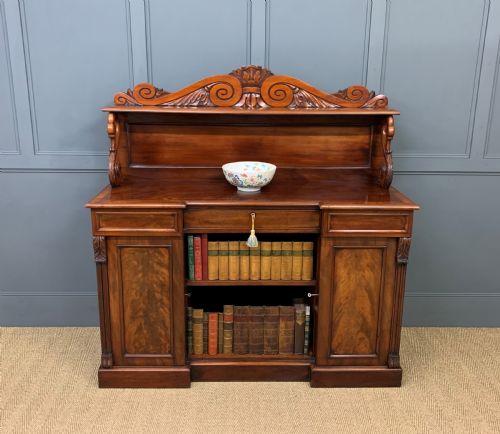
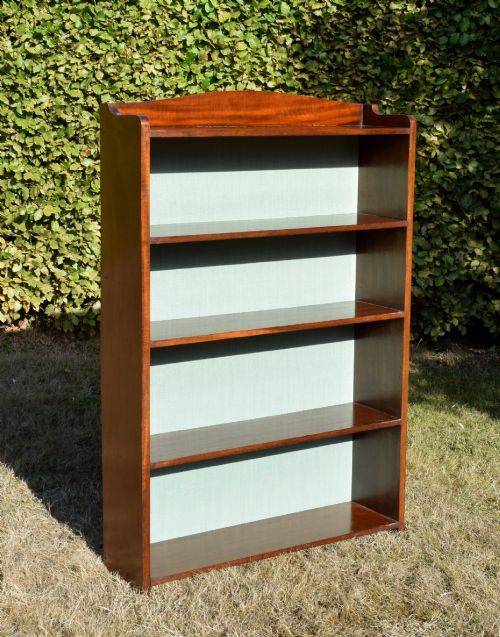
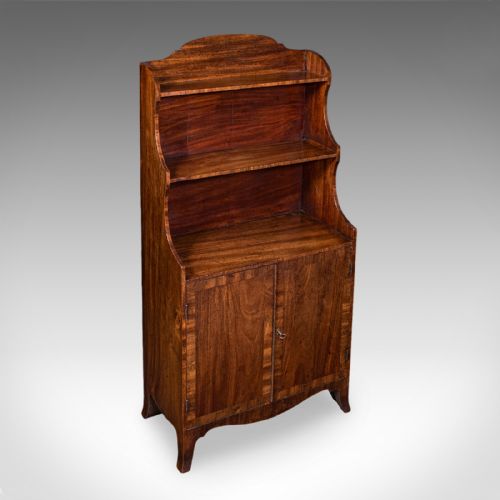
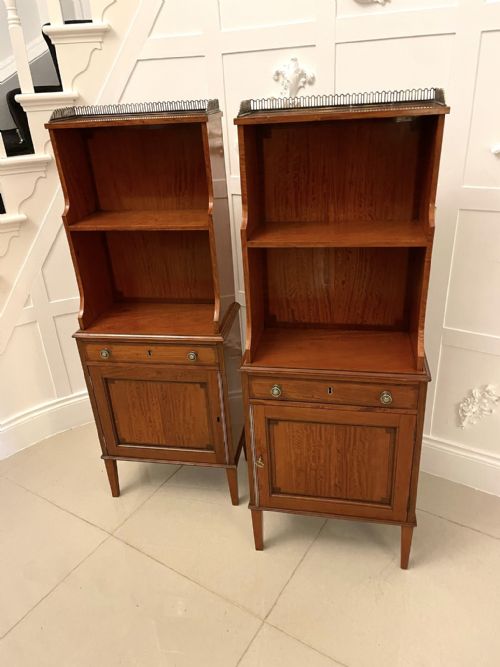
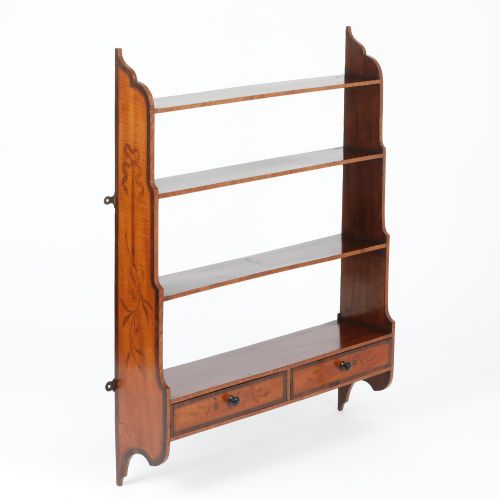
A georgian open shelf bookcase provides graduated or uniform tiers for displaying volumes without glass doors enclosing the contents. These pieces range from compact wall-mounted units and four-tier whats-it structures to tall freestanding library companions.
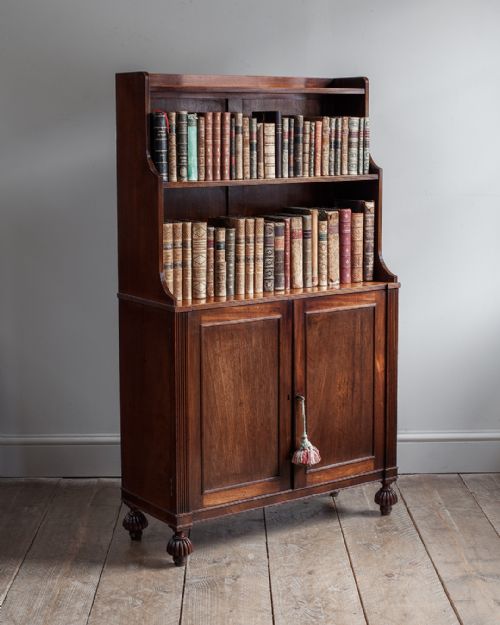
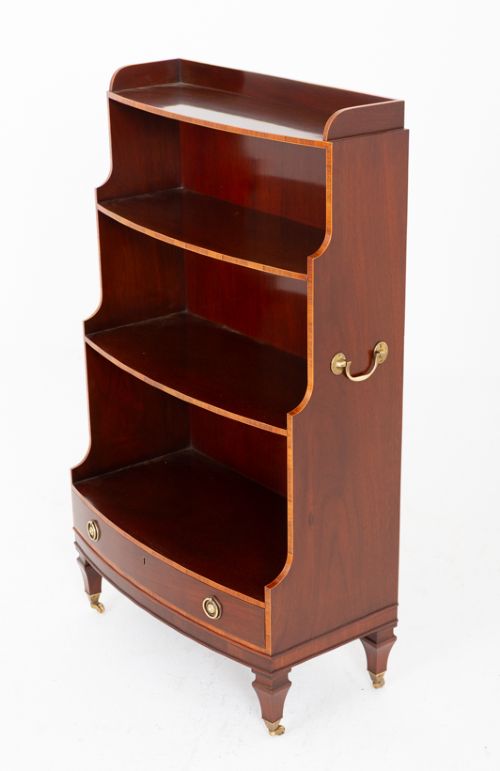
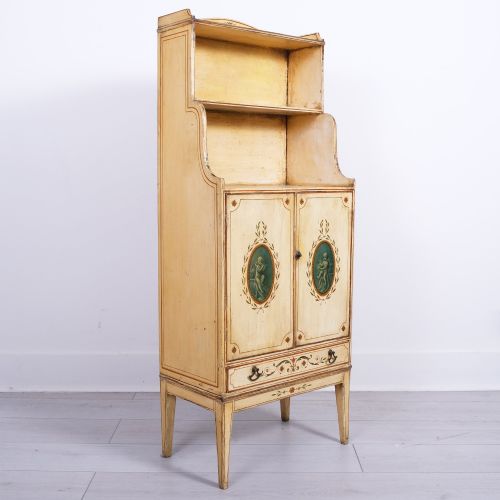
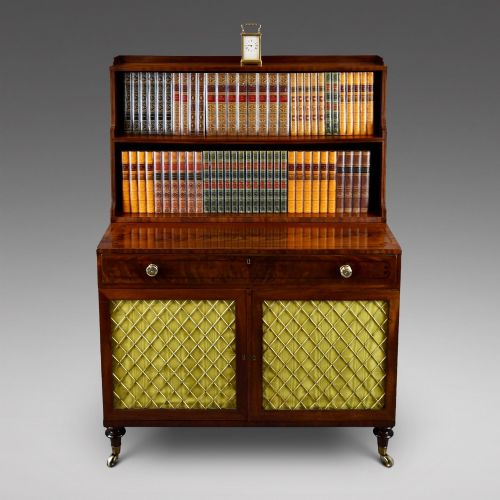
Mahogany and walnut predominate among the surviving examples, alongside satinwood, rosewood, and pine. Many adopt waterfall tiers or breakfront configurations, while later revivals from the twentieth century emulate earlier George III proportions.
Materials and construction
Makers utilised solid timbers alongside figured veneers such as flame mahogany, burr walnut, and satinwood to create decorative surfaces on shelves and friezes. Brass detailing appears on select Regency pieces as inlay or mounts.
Adjustable shelving systems and tiered cascading grades require precise joinery to support heavy volumes across open spans without sagging.
Listings feature mahogany, walnut, rosewood, satinwood, and pine across Georgian, Regency, Edwardian, and twentieth-century periods.
Judging quality and proportion
The refinement of timber selection separates standard examples from exceptional ones, particularly where figured veneers and balanced grain patterns dictate the visual weight of the furniture.
Proportion and scale govern the success of a piece, distinguishing neatly executed dwarf or waterfall configurations from heavy or awkwardly adapted structures.
Gillows·Waring and Gillows
The Georgian Open Shelf Bookcase Glossary
- Waterfall bookcase
- A tiered piece where each successive shelf steps back from the one below it in a cascading profile. This form gained popularity during the Regency period.
- Breakfront
- A piece where the central section projects forward from the flanking outer wings. This layout adds architectural depth to larger library furniture.
- What-not
- A multi-tiered shelving unit designed for displaying books or ornaments. These freestanding stands appear in various woods across the nineteenth century.
- Frieze
- The broad horizontal band situated beneath the top cornice of a bookcase. Makers frequently decorated this area with timber inlay or painted motifs.
- Dwarf bookcase
- A low-standing piece designed to sit beneath window height. These compact versions keep floor space open while holding moderate collections.
Georgian Open Shelf Bookcase: Frequently Asked Questions
How do I spot a true period piece?
Examine the timber shrinkage, joinery methods, and backboards to determine the age of the structure.
Compare the secondary woods used inside the carcass against known period benchmarks to confirm authenticity.
Are shelves usually adjustable on these?
Many examples feature movable shelves supported by wooden bearers or brass tracks.
Fixed shelving is equally common in smaller wall-hanging or simpler floor-standing variations.
Where should I place a waterfall bookcase?
These stepped pieces suit smaller alcoves or reading corners where standard depth furniture overwhelms the floor plan.
Keep them away from direct sunlight and heat sources to protect sensitive veneer surfaces.
What is the difference between George III and revival styles?
Original eighteenth-century pieces display period construction quirks, hand-cut joinery, and patinated timber surfaces.
Revival editions from the twentieth century show later manufacturing signatures and standardised internal hardware.