
Georgian Open Bookshelf
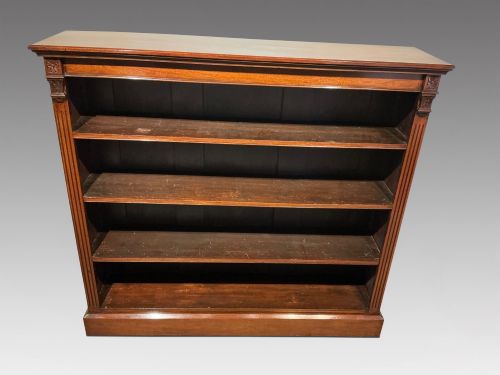
A georgian open bookshelf offers straightforward tiering for volumes, bringing period timber and clean lines into a room.
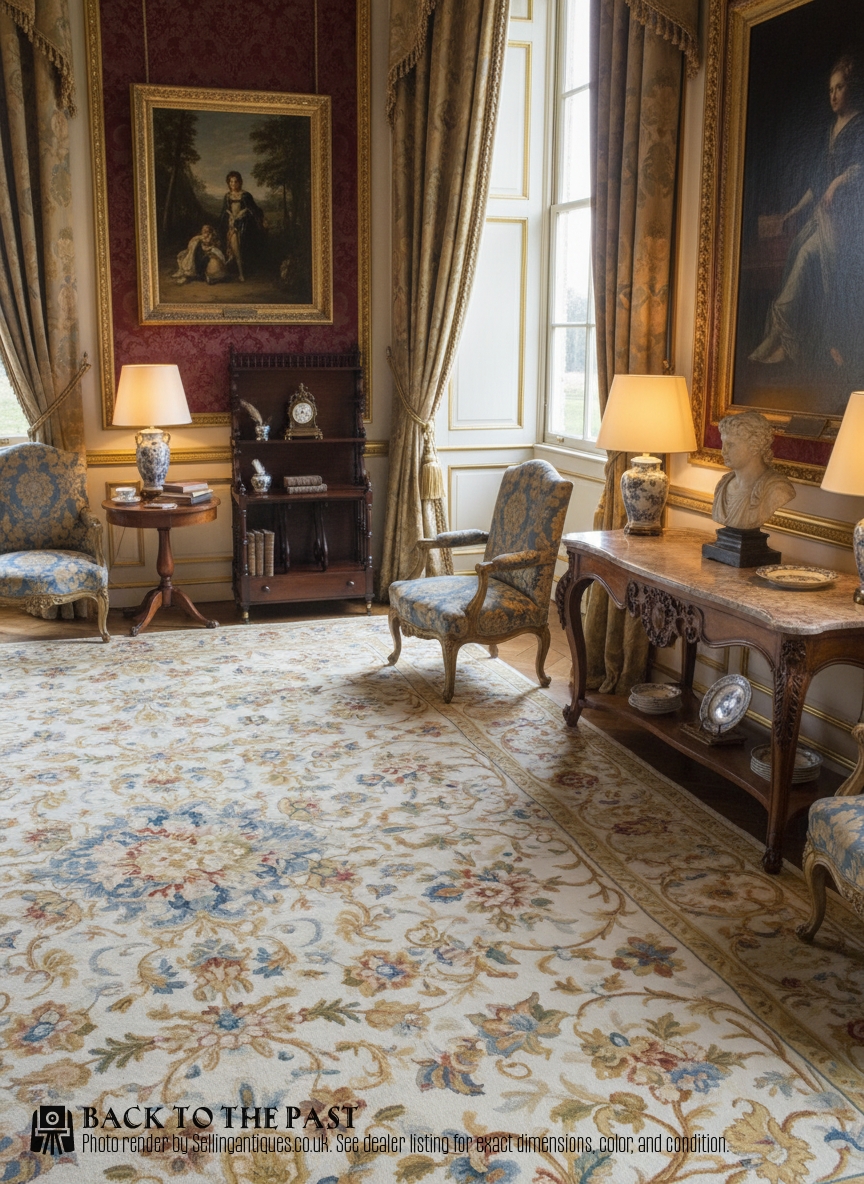
Georgian Open Bookshelf
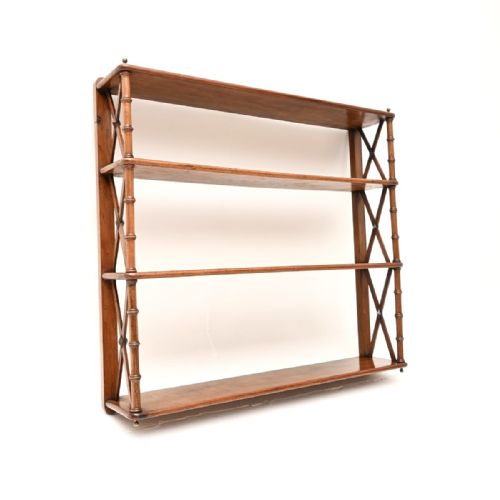
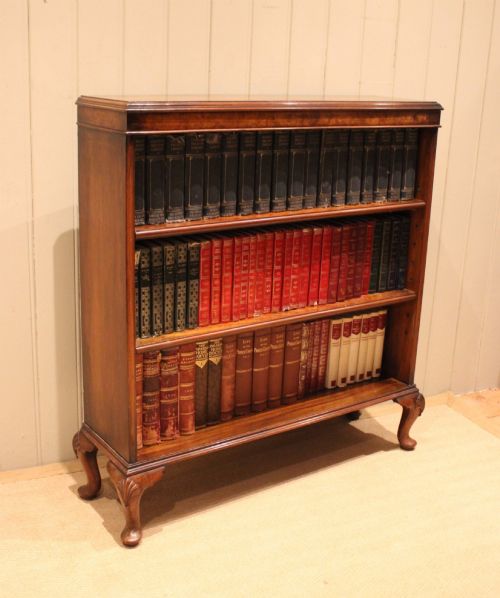
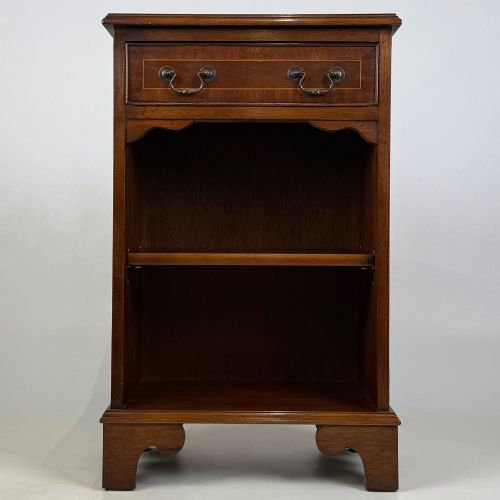
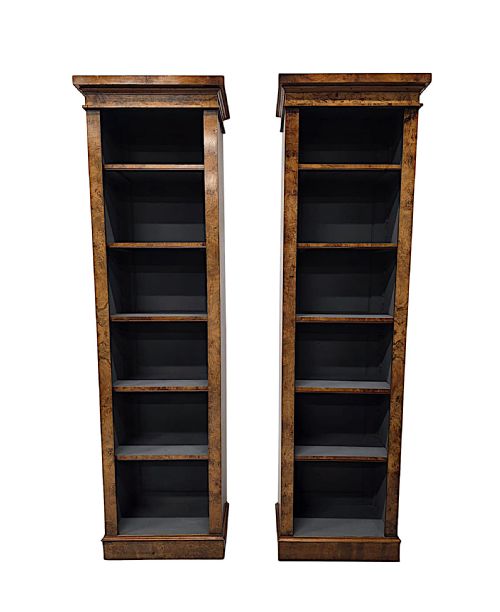
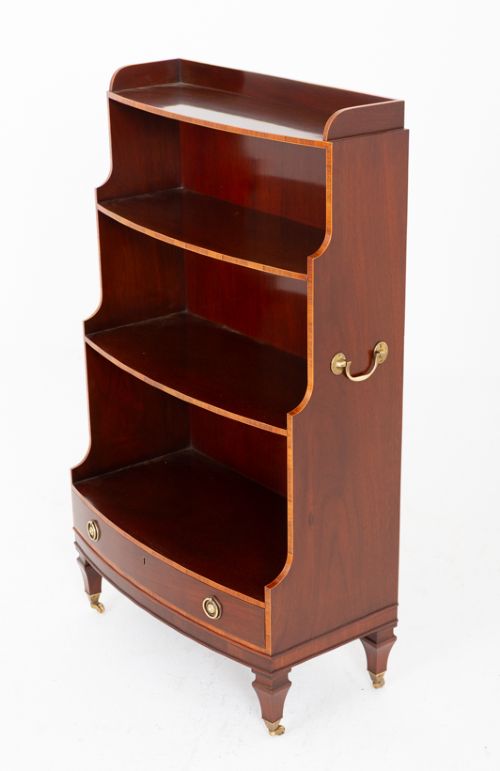
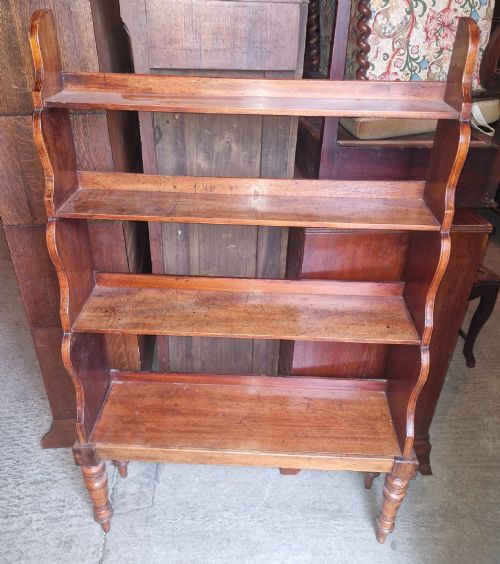
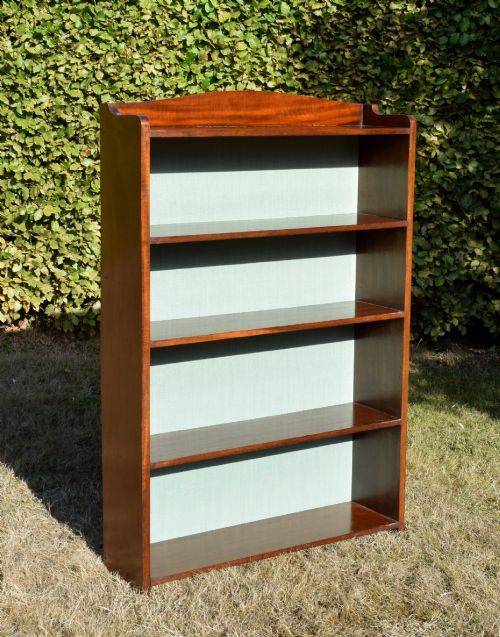
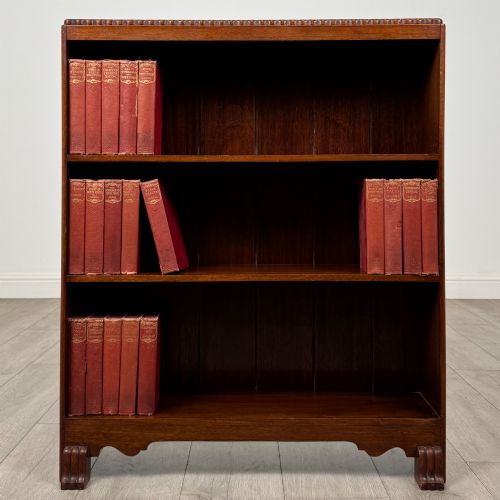
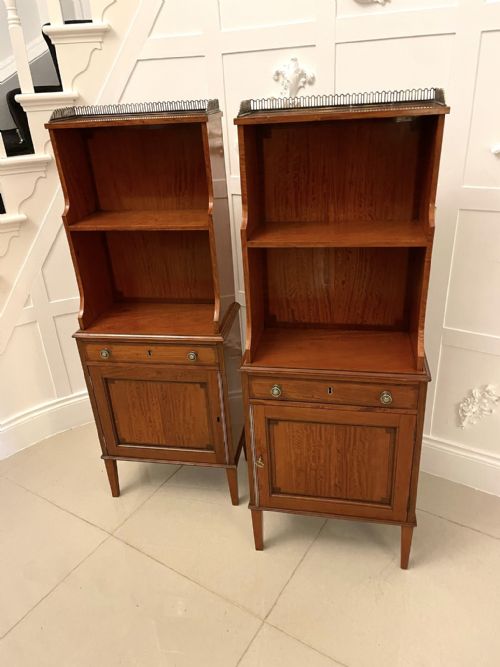
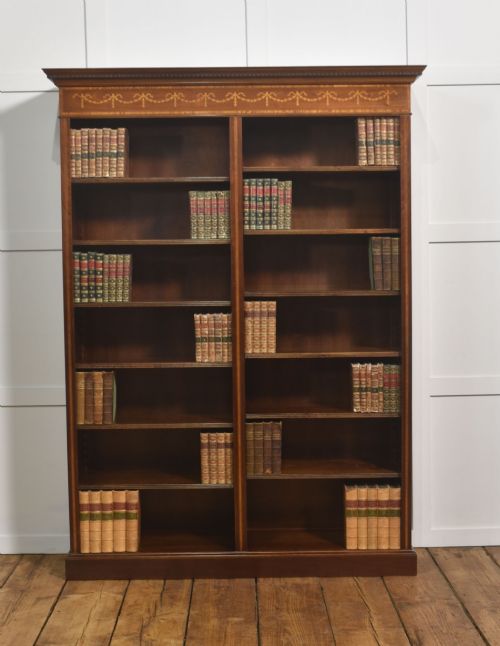
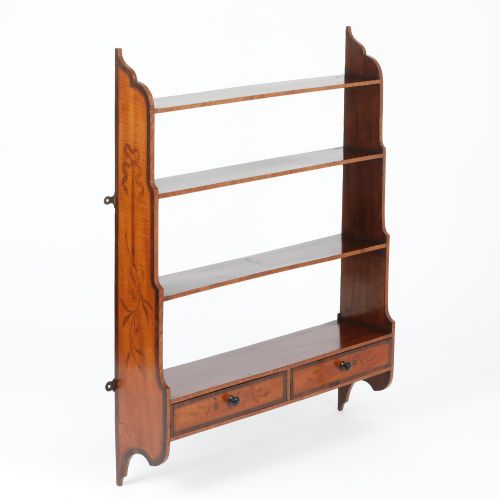
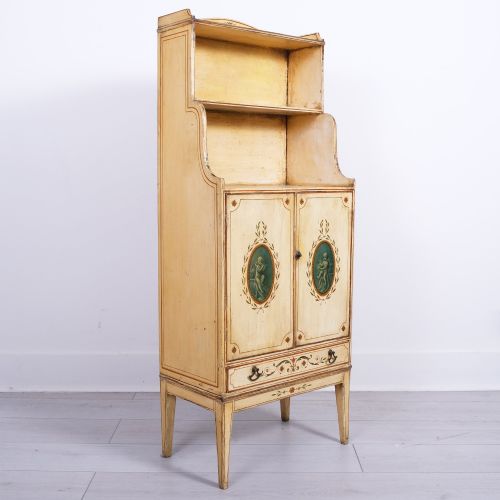
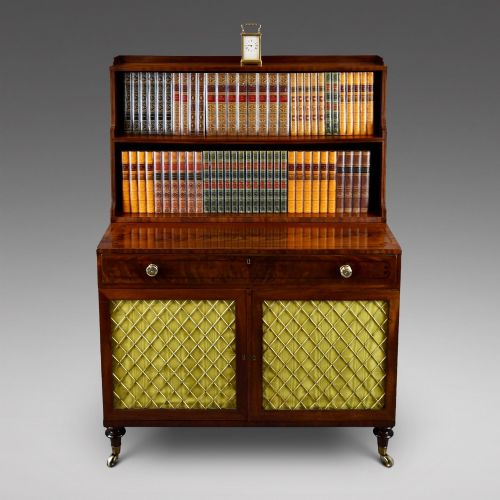
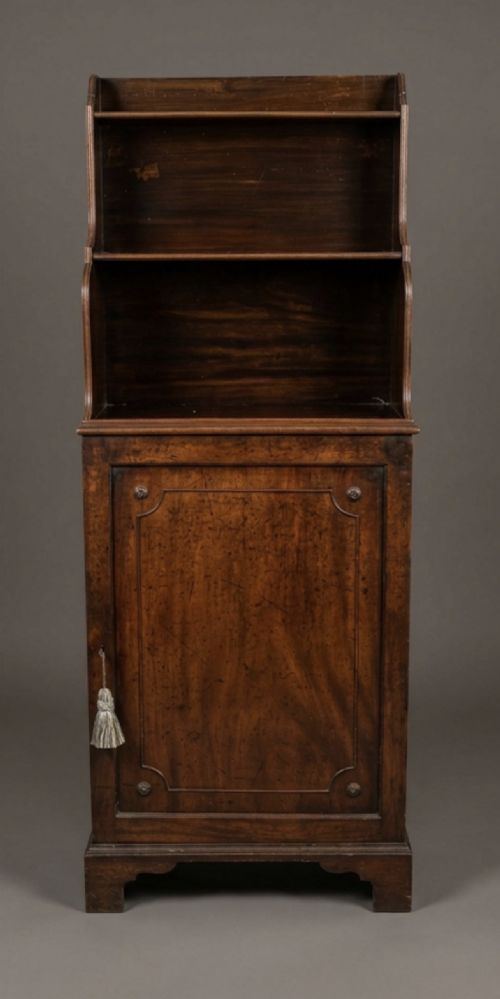
A georgian open bookshelf provides accessible shelving for collections, appearing in forms such as wall mounting bookcases, freestanding waterfall bookcases, and dwarf bookcases. The pieces found on this page span the 18th century, the Georgian period, Regency, Victorian, Edwardian, and later revival years up to 1930.
Most items you meet here are executed in mahogany, walnut, satinwood, and rosewood, with occasional examples in pine, boxwood, and brass. Alongside standard upright cases, the inventory includes wall shelves, corner cabinets, and whatnots.
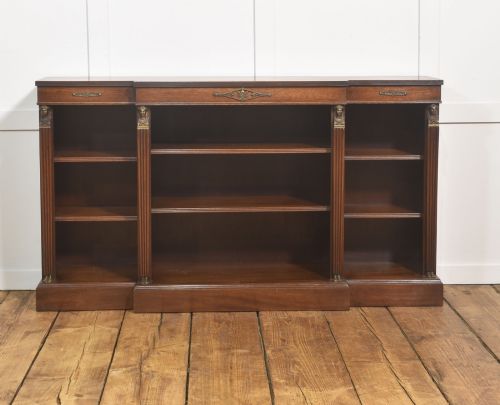
Makers and revivals of later centuries emulate the proportions of the Georgian era, producing breakfront formats, inlaid surfaces, and painted finishes. Buyers encounter everything from tall library bookcases to narrow hanging shelves.
Materials and construction
Cabinet makers relied primarily on solid mahogany, burr walnut, and satinwood, often employing flame veneers and decorative inlays of boxwood. Timber selection dictated the structural integrity and grain pattern of each shelf.
Construction techniques involved traditional joinery, housing joints for fixed tiers, and adjustable shelving mechanisms found in later iterations. Surfaces received polished finishes, original paint, or delicate inlay work.
Listings feature mahogany, walnut, satinwood, and rosewood across Georgian, Regency, Victorian, and Edwardian periods.
Qualities that separate examples
The distinction between standard utility items and finer pieces lies in the choice of timber figure, such as flame mahogany or burr walnut. Finer versions exhibit careful matching of veneer grains across the breakfront and crisp execution of inlaid details.
Proportion and scale heavily influence desirability, with neat, slim, or waterfall configurations demanding particular attention from makers. Original untouched surfaces and period hardware further elevate an example above later revivals.
Gillows·Waring and Gillows
The Georgian Open Bookshelf Glossary
- Waterfall bookcase
- A shelving unit featuring stepped tiers that recede progressively from bottom to top, often associated with the 19th century.
- Breakfront
- A cabinet design where the central section projects forward from the flanking wings, frequently seen in larger library bookcases.
- Dwarf bookcase
- A low-standing open bookcase designed to sit beneath dado height, keeping volumes within easy reach.
- Frieze
- The decorative horizontal band situated immediately beneath the top moulding of a bookcase, sometimes featuring inlay.
- Inlay
- A technique where contrasting woods such as boxwood or satinwood are embedded into the primary timber surface to create patterns.
Georgian Open Bookshelf: Frequently Asked Questions
How do I adjust shelves in an antique bookcase?
Many later or revived cases utilise wooden tooth mouldings or metal ratchets to support removable tiers.
Older examples often feature fixed shelves held by housing joints rather than mechanical adjustments.
Where should I place a wall mounting bookcase?
Wall mounted shelves require secure fixings into structural brickwork or stud framing to bear the weight of heavy volumes.
Ensure the wall space allows clearance above skirting boards and away from damp exterior surfaces.
What is the difference between dwarf and tall bookcases?
Dwarf bookcases stand low to the ground, keeping books at waist height and leaving upper wall space clear for art.
Tall bookcases maximise vertical storage capacity, anchoring large rooms and requiring step ladders for top shelves.
How do I care for walnut and mahogany finishes?
Dust surfaces regularly with a dry, soft cloth and avoid placing timber furniture in direct sunlight or near heat sources.
Apply occasional microcrystalline wax to nourish the grain without building up heavy chemical residues.