
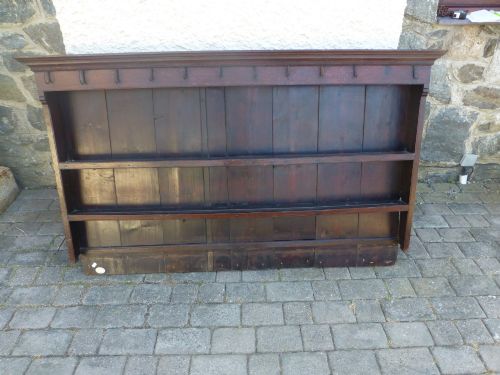
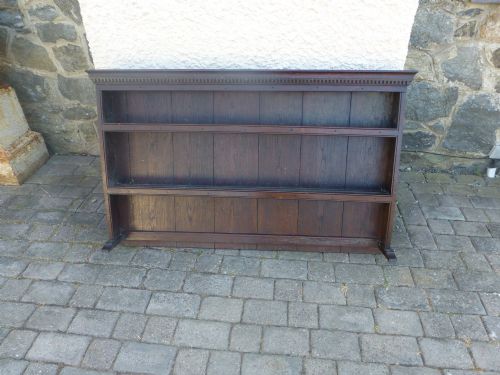
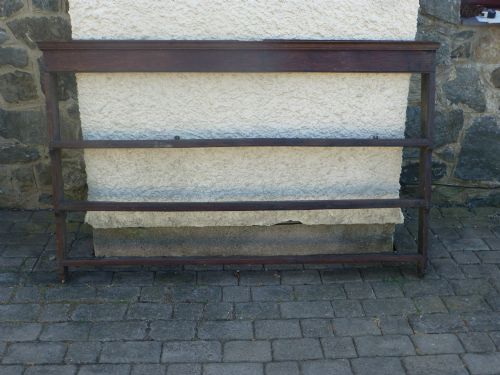
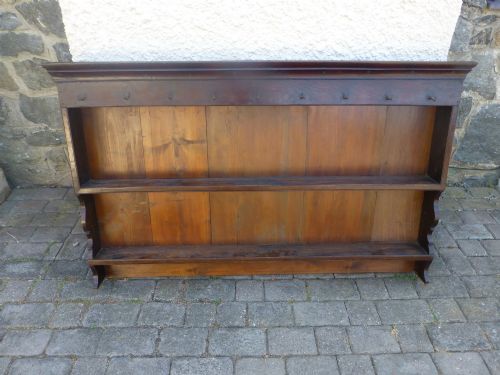



Georgian Oak Wall Shelf
These georgian oak wall shelf examples are honest domestic timber storage pieces that bring immediate warmth and practical character to a room.
Georgian Oak Wall Shelf
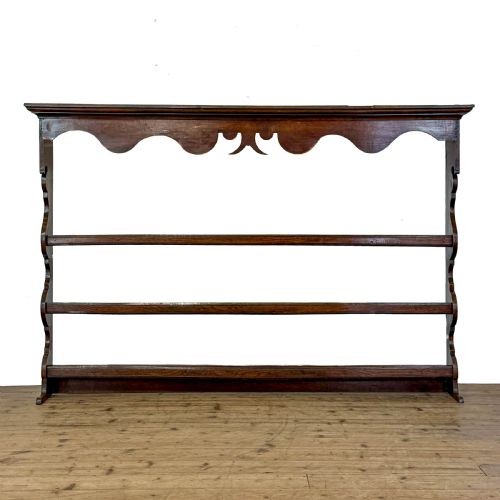
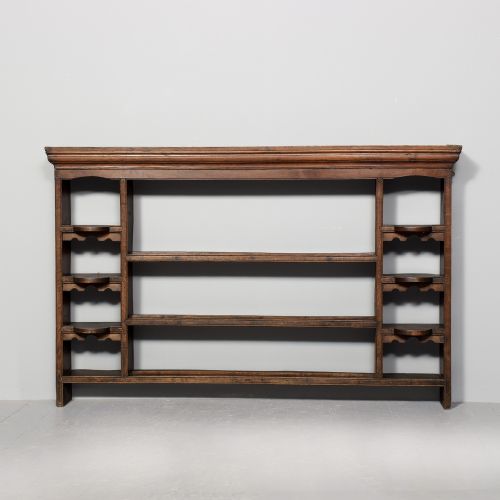
A georgian oak wall shelf search reveals primarily eighteenth-century country furniture, including delft plate racks, hanging racks, and corner shelves designed to mount directly to kitchen or dining room walls. Most examples span the georgian and george iii eras, showing the utilitarian domestic needs of the period.
The assortment on this page frequently includes dresser racks and wall-mounted cupboards constructed for displaying ceramics or storing kitchenware. Buyers will encounter both simple country oak formats and pieces enhanced with architectural details like corinthian columns.
Materials and construction
Construction relies heavily on solid oak timbers, often paired with secondary woods such as pine for internal backing or shelving components. Workshops utilised traditional joinery methods to build hanging racks capable of supporting heavy earthenware and delftware.
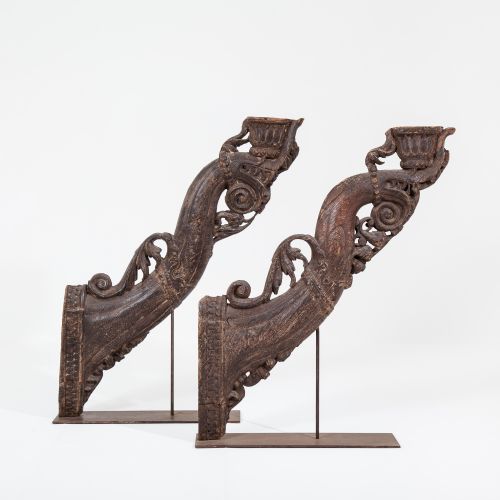
Hardware details involve functional iron, wrought iron, and brass fittings used for hinges, hanging loops, or structural reinforcement. Surface enrichment occasionally includes hand carving, as seen on large structural brackets.
Some provincial racks bear the ghosts of long-gone crockery through distinct wear patterns worn directly into the oak boards.
Assessing quality in country furniture
Quality differences emerge in the selection of timber grain and the integrity of the original construction rather than elaborate decoration. Pieces retaining authentic surface patination and minimal structural alteration stand apart from heavily restored alternatives.
Proportion and architectural detailing distinguish standard utility items from finer provincial workshop output. The presence of integrated elements such as carved brackets or columns elevates the character of an individual shelf.
The Georgian Oak Wall Shelf Glossary
- Delft rack
- A wall-mounted wooden shelving unit specifically designed with narrow plate grooves and protective front rails to display tin-glazed earthenware plates. These fixtures formed a central feature in eighteenth-century dining spaces.
- George III
- The period spanning from 1760 to 1820, defined in furniture by refined proportions while retaining robust provincial oak construction traditions. Pieces from this era often balance formal architectural influences with country practicality.
- Corner shelf
- A specialised storage unit engineered to fit snugly into room angles, maximising floor space utilisation in smaller domestic interiors. They frequently feature multiple graduated tiers for display.
- Architectural salvage
- Building elements or structural components rescued from older structures and repurposed. In this context, it refers to substantial carved wooden brackets removed from period interiors.
Georgian Oak Wall Shelf: Frequently Asked Questions
Where should I hang an oak wall shelf?
These shelves suit kitchens, dining rooms, or hallways where they can securely anchor into solid masonry or stud walls.
Ensure the wall fixings match the substantial weight of mature oak timber and ceramics.
How do I clean antique oak?
Dust the timber regularly with a dry, soft cloth to prevent a buildup of grime in the grain and carved details.
Avoid modern liquid polishes, applying traditional beeswax sparingly only when the wood appears dry.
Can these shelves hold heavy items?
Period wall racks were originally built to store heavy earthenware plates, platters, and kitchen provisions safely.
Check the condition of the hanging points and structural joints before loading them with heavy modern ceramics.
What is the difference between a plate rack and a wall shelf?
Plate racks specifically incorporate narrow grooves, slats, or wooden guard rails designed to hold plates upright without slipping.
Standard wall shelves offer flat horizontal surfaces intended for general display or small storage cupboards.