

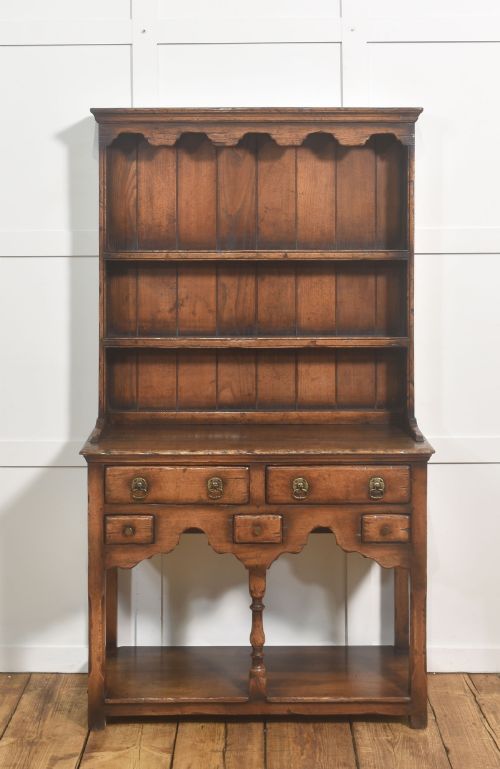
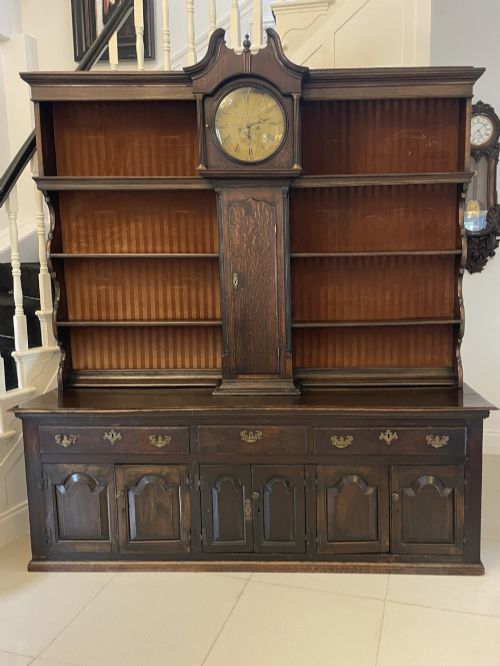
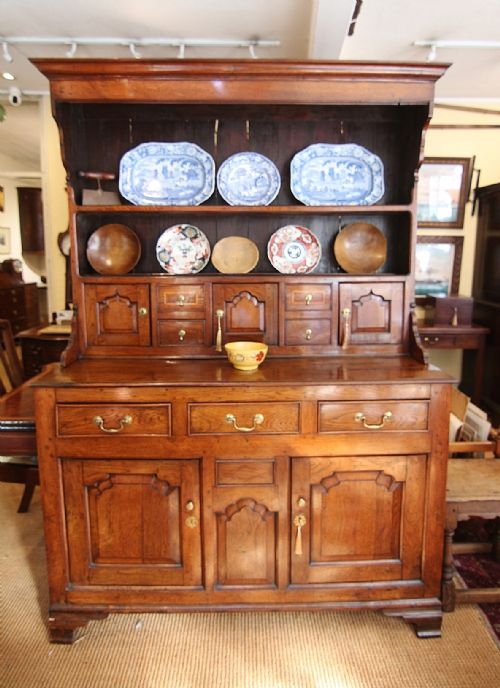
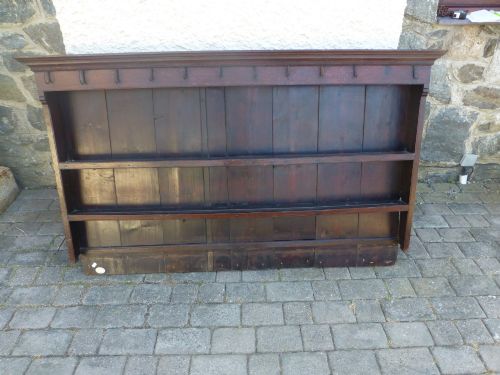
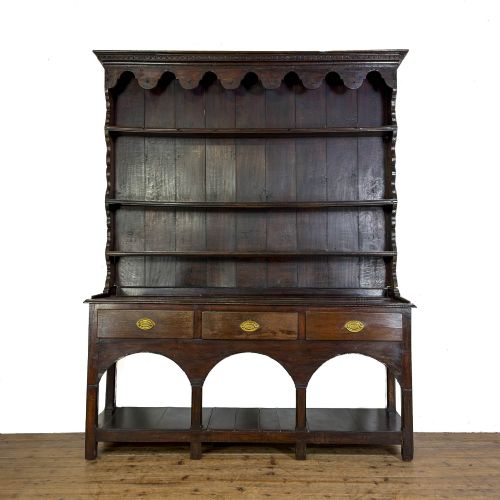
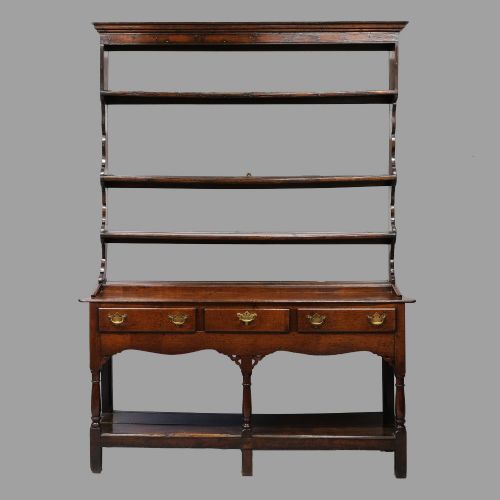
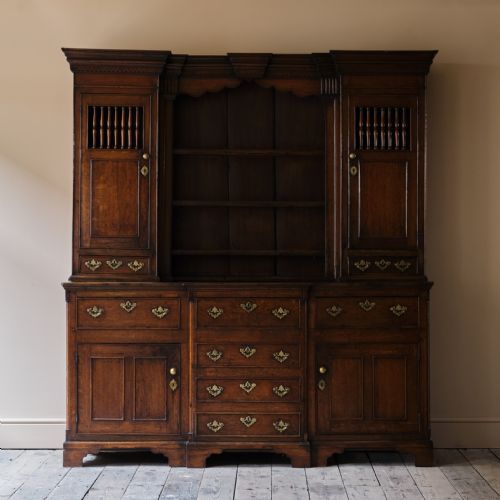
Georgian Oak Dresser Rack
A georgian oak dresser rack organises your kitchen crockery with the honest craft and warm timber tones of the eighteenth and nineteenth centuries.
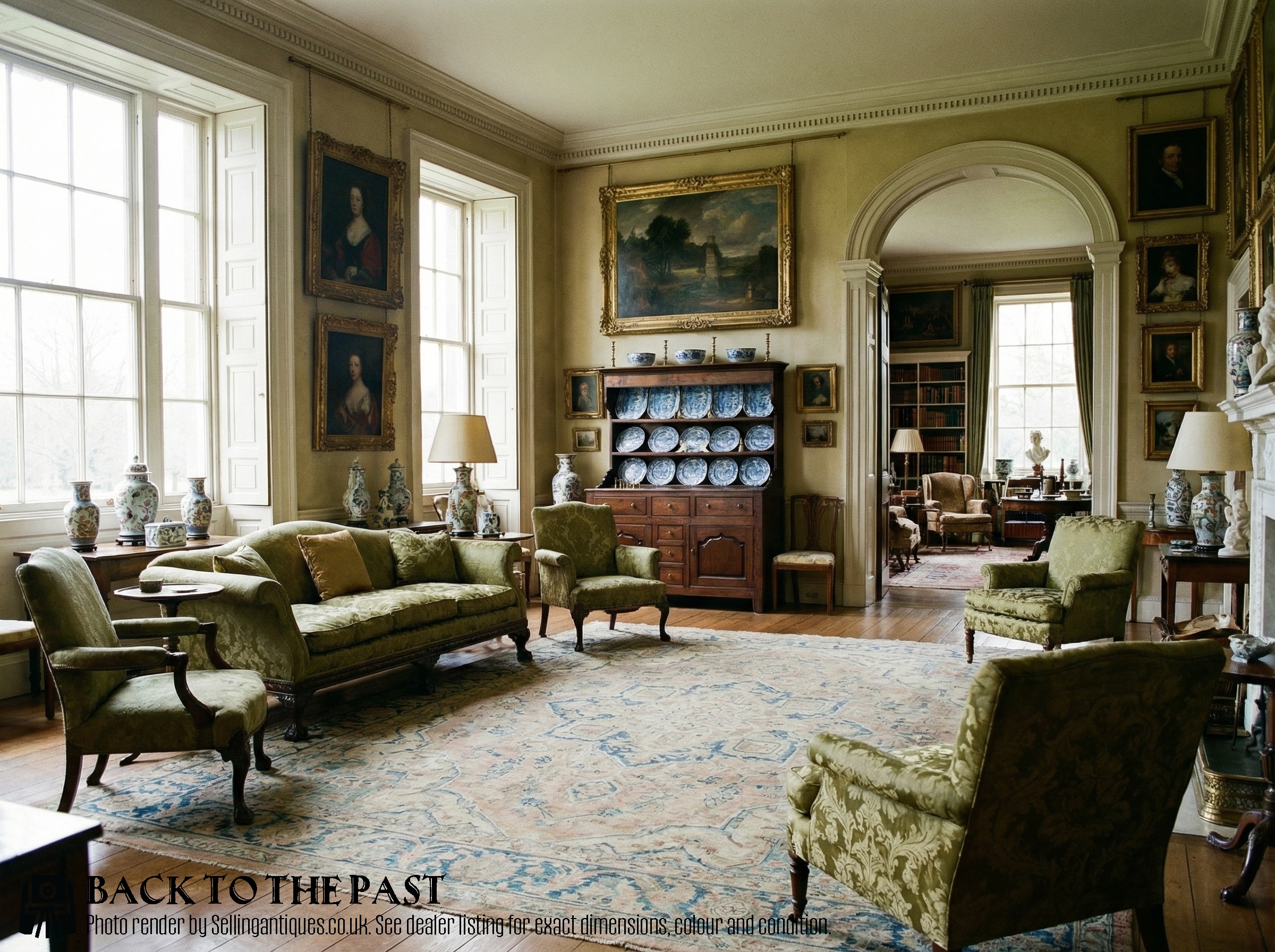
What a georgian oak dresser rack is
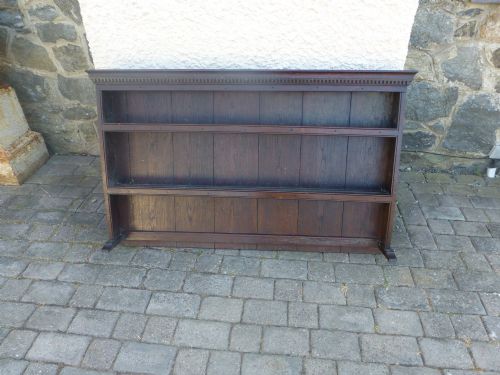
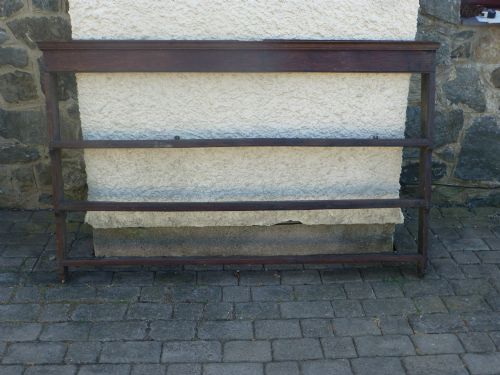
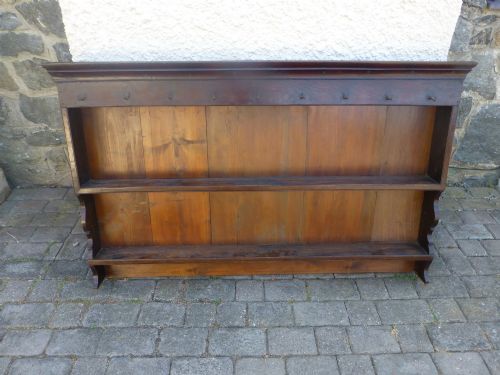
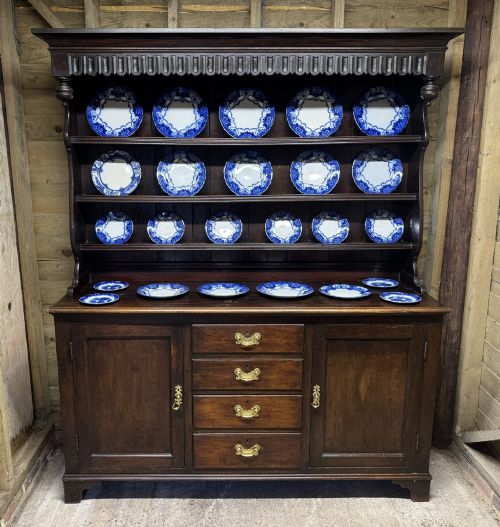
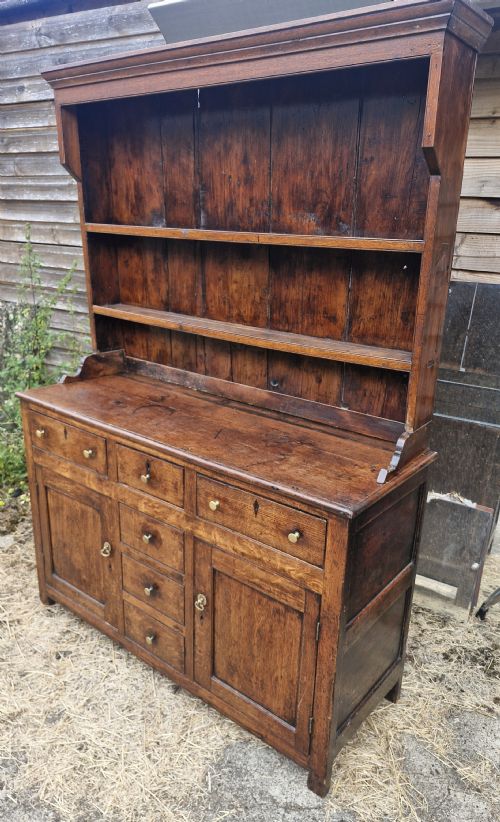
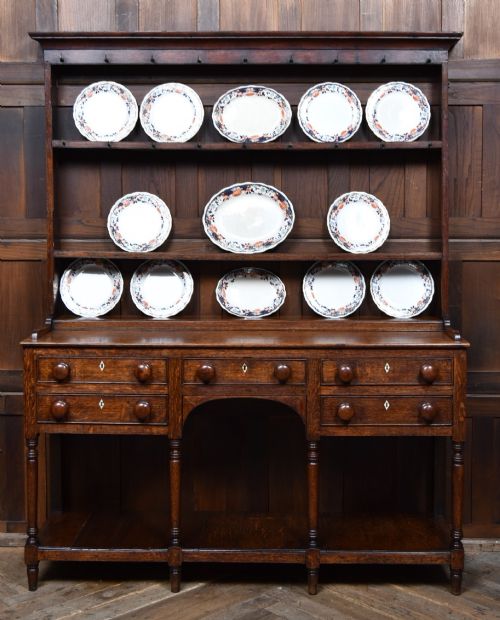
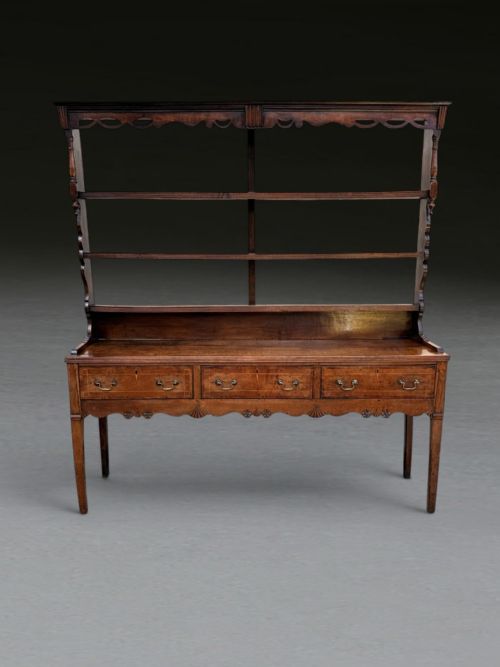
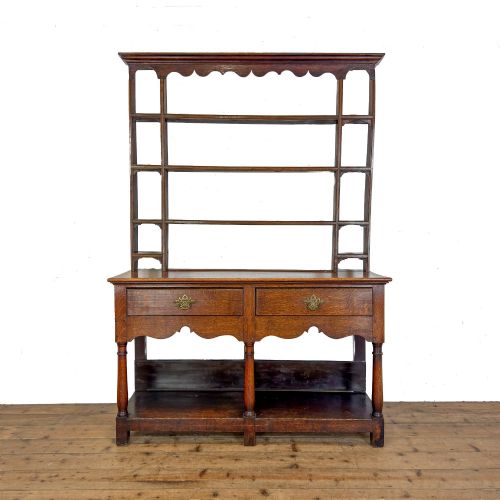
A georgian oak dresser rack forms the upper shelving tier of a traditional country sideboard or stands alone as an open wall unit designed for displaying plates and domestic pottery. These pieces originate from Welsh, English, and regional British workshops spanning the eighteenth and nineteenth centuries.
The form appears most frequently integrated with a dresser base or as an open back plate rack designed to hold ceramics securely in domestic interiors. Regional variations include high dresser backs from Snowdonia, Anglesey, and other distinct localities.
Surviving examples reflect the utilitarian needs of historical rural kitchens, where timber shelving displayed earthenware alongside everyday utensils.
How they were made
Joiners built these racks using solid oak boards, frequently incorporating brass hardware and joined construction methods suitable for domestic weight. Regional workshops relied on traditional hand tools to shape timber planks for plate rails and backboards.
Surviving pieces show construction details typical of English and Welsh country cabinetmaking, utilising pegged joints and panelled backs to support heavy ceramic plates.
Retail Price Guide 2026
Typical UK retail prices for georgian oak dresser rack, calculated from the Sellingantiques database of over a million retail prices indexed since 2003. This retail price guide relies exclusively on Sellingantiques data; no external sources or auction records are used, so the figures do not describe the wider market.
Some racks still retain faint paint spots from walls whitewashed generations ago.
What varies in quality
The harmony between the upper rack and the lower base, where present, dictates the structural balance and visual weight of the complete ensemble.
The Georgian Oak Dresser Rack Glossary
- Dresser rack
- The upper shelving component of a country dresser, built to hold plates upright.
- Pot board
- A low horizontal shelf positioned near the floor between the legs of a dresser base.
- Welsh country
- A regional style of vernacular furniture originating from Welsh workshops using local timber.
- George II
- An eighteenth-century design period associated with early furniture forms in oak and walnut.
Frequently Asked Questions
How do I hang a dresser rack?
These racks require secure wall fixings distributed across the structural framework to support the weight of the timber and displayed ceramics.
Professional installation ensures the piece remains stable against plaster walls.
Were racks made separately from bases?
Makers constructed many plate racks to sit directly upon matching dresser bases, while others functioned as independent wall-hung units.
Survivors frequently display evidence of marriage or original pairing through timber grain and construction marks.
What ceramics belong on these shelves?
Delftware and traditional earthenware complement the domestic character of eighteenth-century timber displays.
Collectors often use the shelving for historic plates matching the period of the rack.
How do I maintain oak timber?
Regular dusting with a dry cloth preserves the natural finish and patinated surface of antique oak.
Avoid excessive moisture and direct heat sources to prevent timber movement.