



Georgian Night Commode Table
A georgian night commode table is a compact bedroom cabinet designed for nocturnal convenience, prized for its clever concealed storage.
Georgian Night Commode Table
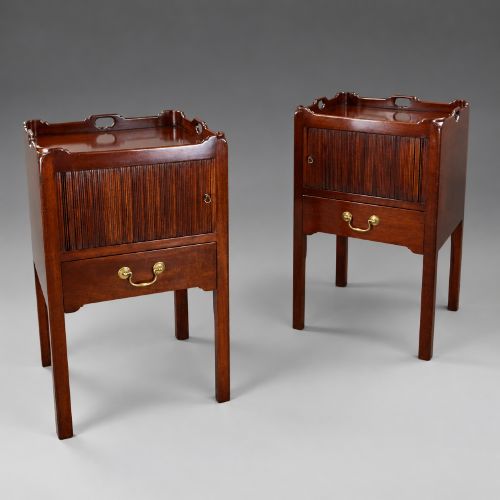
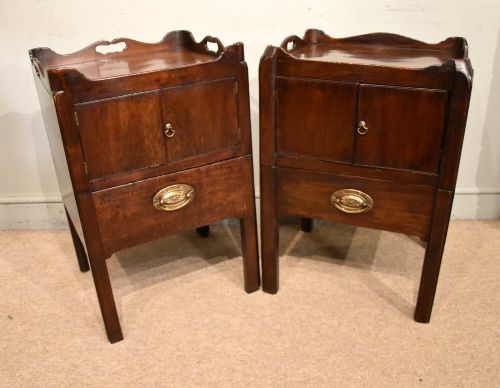
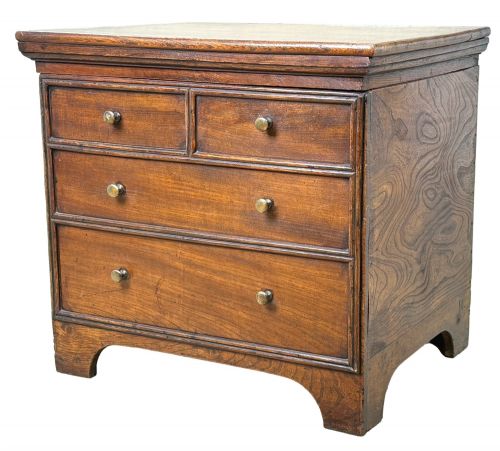
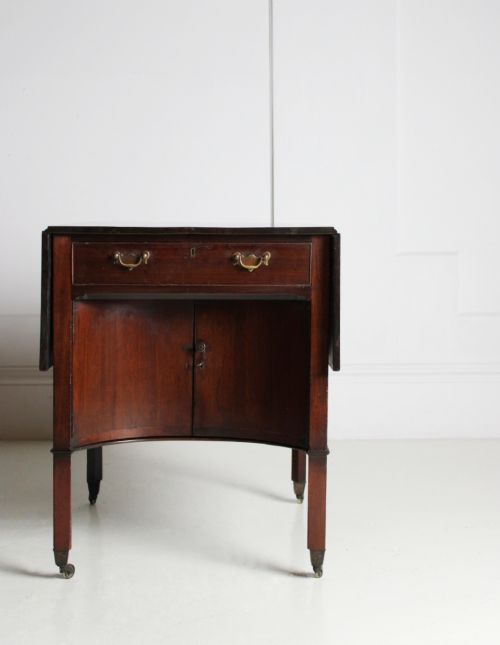
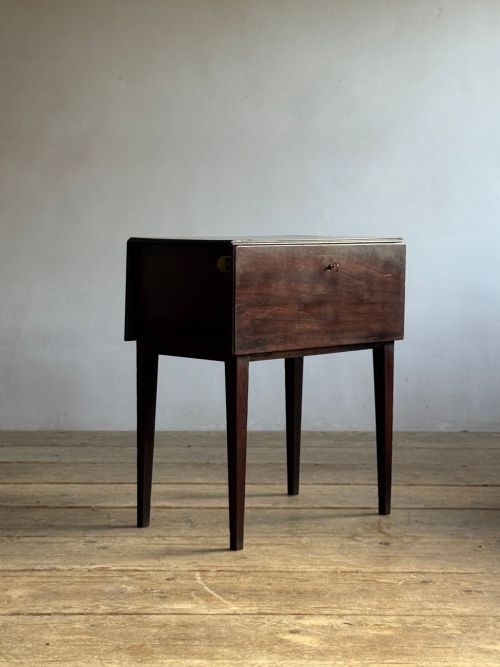
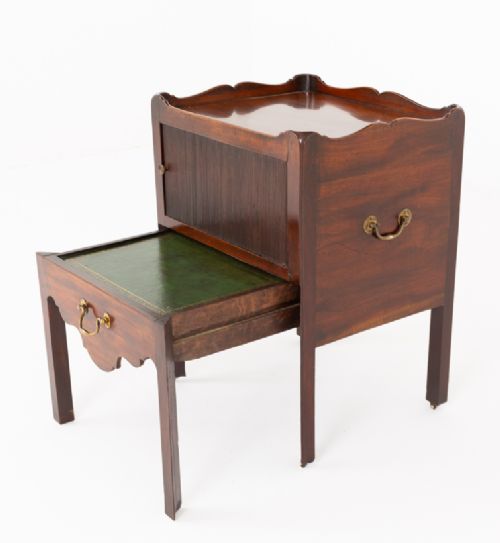
A georgian night commode table represents a functional piece of bedroom furniture designed during the eighteenth and nineteenth centuries to house chamber pots or serve as a bedside stand. Buyers seeking this phrase encounter various forms, including tray-top bedside cupboards, tambour-front cabinets, and serpentine commodes.
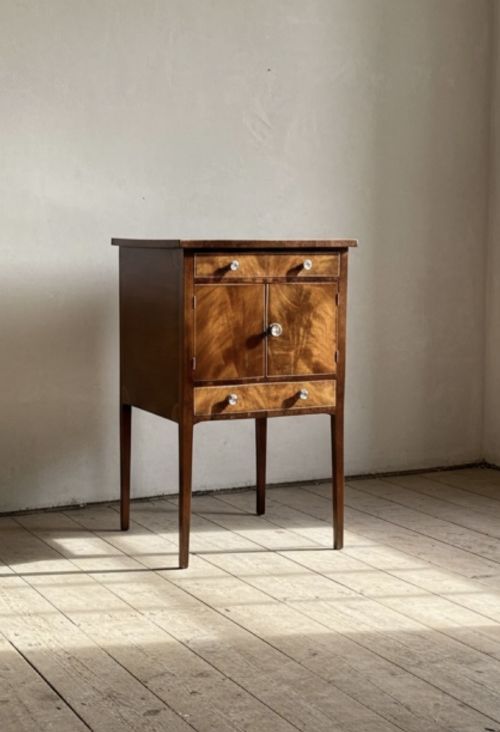
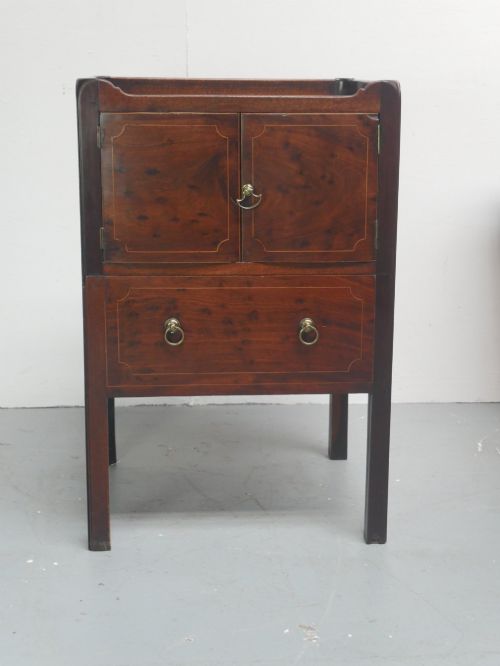
The pieces appearing on this page span the Georgian, George III, George II, and Regency periods, alongside later nineteenth-century interpretations and twentieth-century revival pieces. Mahogany predominates as the primary wood, frequently enhanced by flame veneers, boxwood inlay, or satinwood details.
Bedside cabinets and bedside cupboards emerge as the most frequent forms met in these listings, often featuring enclosed lower compartments or pull-out sections. Examples range from simple rectangular bedside tables to elaborate serpentine-front commodes and cylindrical Regency cupboards.
What varies in quality
The standard of timber selection sets individual pieces apart, distinguishing plain stock from richly figured flame mahogany or carefully matched veneers. Superior craftsmanship shows in the precision of the joinery and the restraint shown in inlay work.
Proportion and silhouette determine the visual success of the piece, separating standard utility items from refined serpentine or concave designs. Original brass handles and sound internal construction preserve the integrity of the piece over centuries of use.
Some Regency period examples include a pull-out step, designed to help aristocratic owners navigate high four-poster beds in the dark.
The Georgian Night Commode Table Glossary
- Tray top
- A raised rim surrounding the upper surface of a cabinet or table to prevent items from rolling off. This feature is common on eighteenth-century bedside commodes.
- Tambour
- A flexible shutter made of narrow strips of wood glued to canvas or leather, allowing smooth sliding enclosure of a cabinet opening. It provides neat access to interior storage without swinging doors.
- Commode
- A low enclosed cabinet or chest of drawers originally designed to conceal a chamber pot. In later usage, the term describes various small bedside cupboards.
- Flame mahogany
- A veneer cut from the fork of a mahogany tree where the grain diverges into a distinct flickering pattern. Cabinetmakers utilised this figuring on prominent surfaces like door panels and tabletops.
- Close stool
- An early form of enclosed commode stool containing a chamber pot within a wooden frame. These pieces often mimic the appearance of small bedside chests.
- Boxwood inlay
- Contrasting light-coloured wood inserted into recesses in a darker primary timber to create geometric lines or borders. This technique highlights the edges of drawers and tabletops.
Georgian Night Commode Table: Frequently Asked Questions
What was a night commode used for?
These cabinets served primarily as discrete bedside storage for chamber pots and personal night-time items during the Georgian and Regency eras. Their enclosed cupboards and drawers kept necessary comforts out of sight while offering a convenient surface for a candle or glass of water.
Over time, many of these pieces adapted to general bedside use as plumbing practices changed. Today they function perfectly as lamp tables or small bedside cupboards without losing their historical character.
How do I date a Georgian bedside cabinet?
Dating relies on observing structural characteristics, timber choices, and stylistic traits associated with specific reigns such as George III or the Regency period. Cabinetmakers of the eighteenth century utilised solid mahogany construction and subtle boxwood stringing, whereas later nineteenth-century pieces often introduced different veneer thicknesses and internal fittings.
Matching the overall form - such as a serpentine front or a galleried tray top - against known period styles helps narrow the decade of manufacture. Hardware styles and secondary woods inside drawers also provide reliable clues for chronological placement.
Where should I place a bedside commode?
These compact tables fit naturally beside a bed as functional nightstands or lamp tables where enclosed storage is useful. Their small footprints also suit narrow hallways, landings, or living rooms as occasional side tables.
Positioning them away from direct heat sources protects the mahogany timber and delicate veneer work from drying out. The flat top surface provides an ideal spot for lighting, books, or decorative objects.
What is the difference between a commode and a bedside table?
Historically, a commode specifically denoted a piece of furniture designed to enclose a chamber pot behind cabinet doors or a fall-front. A bedside table often referred to a simpler open-shelf or drawer stand without the specific sanitary function of a commode.
Many surviving pieces blur these distinctions because nineteenth-century conversions adapted original commodes into standard bedside cupboards. Both forms share compact proportions suited for placement next to a bed.