



Georgian Metal Drinking Mug
These georgian metal drinking mug examples offer solid heft and honest historical utility for any traditional table.
Georgian Metal Drinking Mug
A georgian metal drinking mug brings tangible domestic history to the modern tabletop, spanning the eighteenth and nineteenth centuries. Buyers searching this phrase encounter substantial vessels designed for hearty daily consumption rather than delicate display.
The selections available here lean heavily toward sturdy tankards and mugs formed from robust materials. Most examples date from the eighteenth century through to around eighteen hundred, capturing a distinct period of British metalwork.
Forms range from simple pint and quart measures to handsome dome lid tankards and paired small vessels. These sturdy drinking vessels reflect the robust tavern and household customs of their era.
Materials and construction methods
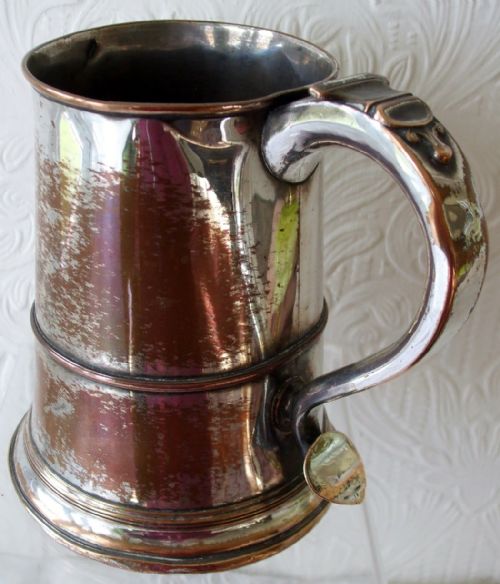
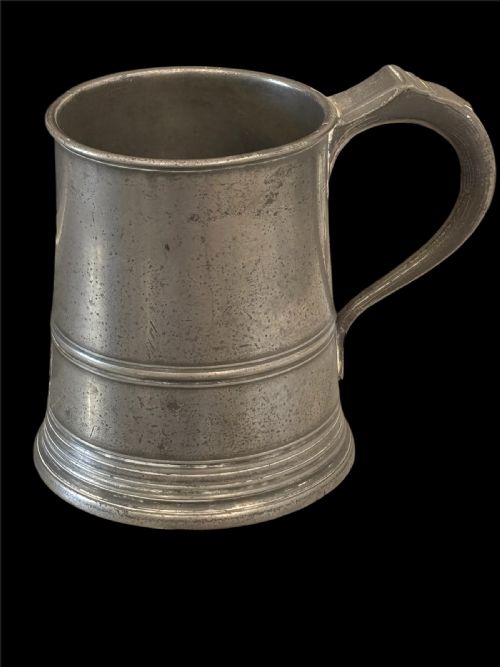
Makers fashioned these drinking vessels primarily from pewter, copper, and old Sheffield plate, often applying gilding or nickel plating for finish and durability. Pewter provided a durable, matte grey substance easily cast and shaped into heavy quart and pint tankards.
Old Sheffield plate combined copper and silver to create plated vessels that mirrored solid silver forms at a fraction of the weight and cost. Craftsmen also utilised plain copper and nickel plating on specific ale tankards to achieve resilience and visual contrast.
Current listings span the eighteenth century, the Georgian era, and the early nineteenth century around eighteen hundred.
Assessing quality and character
Quality in these drinking vessels rests upon the thickness of the metal, the crispness of any applied plating, and the structural integrity of the handle and base. Substantial weight and balanced proportions distinguish finer examples from standard utilitarian pieces.
The survival of original surface finishes, maker marks, and functional lids adds considerable substance to a piece. Plain execution executed with thick metal and clean joins often surpasses overly ornate work in practical longevity.
Burgum & Catcott of Bristol
The Georgian Metal Drinking Mug Glossary
- Tankard
- A tall drinking vessel featuring a single handle, frequently fitted with a hinged lid. These robust pieces served ale and beer in homes and taverns alike.
- Old Sheffield Plate
- A composite material formed by fusing a thin sheet of silver to a thicker copper base. This technique preceded modern electroplating and produced durable silver-faced wares.
- Pewter
- A malleable metal alloy consisting primarily of tin alloyed with copper and antimony. It lent itself well to casting heavy drinking vessels with a soft, dull lustre.
- Quart
- A traditional liquid capacity measure equivalent to two pints. Quart tankards provide an indication of the generous drinking scale typical of the period.
Georgian Metal Drinking Mug: Frequently Asked Questions
What were these metal mugs used for?
These vessels served primarily for consuming ale, beer, and other fermented drinks in homes, inns, and taverns. Their robust metal construction withstood daily washing and heavy handling.
Larger quart and pint sizes accommodated hearty portions during meals and social gatherings, functioning as essential daily utilities rather than decorative cabinet items.
How do I care for antique metal mugs?
Maintenance requires gentle washing with mild soap and warm water, followed by immediate drying with a soft cloth. Avoid abrasive cleaners that strip historic patinas or damage delicate old Sheffield plating.
Display or store them in stable environmental conditions away from excessive moisture to preserve the metal surfaces.
How can I tell pewter from plated pieces?
Pewter exhibits a consistent grey matte tone throughout the entire body and feels relatively heavy and soft to the touch. Old Sheffield plate often reveals a faint reddish copper core showing through where the silver layer has worn away.
Examining the rim or base edges under good light usually clarifies the underlying material structure.
What does a dome lid indicate?
A dome lid provided a practical cover to keep insects and debris out of ale during outdoor or tavern drinking. It also helped retain the head and temperature of the beverage.
Hinged lids secured securely to the handle were a common feature on better quality tankards of the period.