


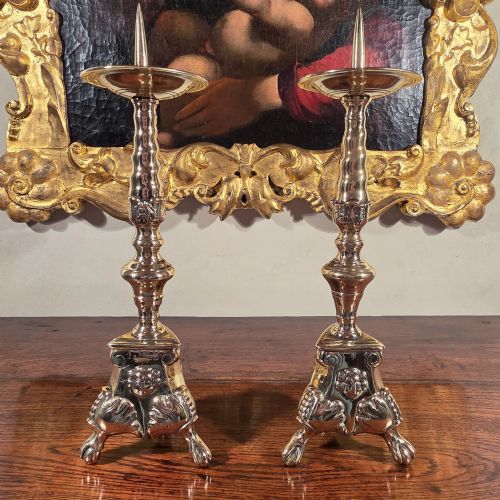


Georgian Metal Candlesticks
Georgian metal candlesticks bring weight and light to a room, cast in brass, bronze, copper and silver plate across the eighteenth and nineteenth centuries.
Georgian Metal Candlesticks
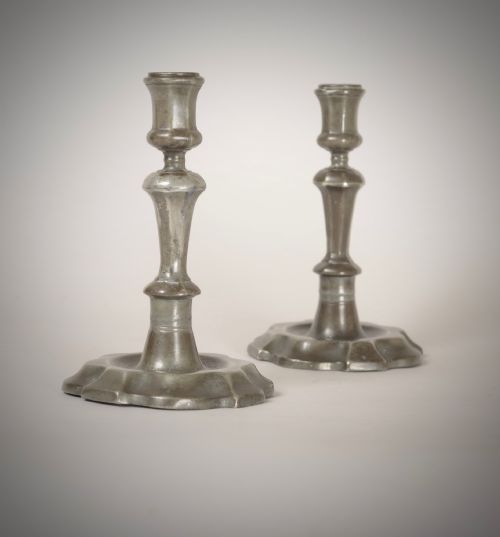
Georgian metal candlesticks encompass sturdy domestic lighting from the eighteenth and nineteenth centuries, including the Regency and Victorian eras. These pieces emerge in brass, bell metal, bronze, copper and silver plate, taking the form of pairs or single holders designed for the table or chamber.
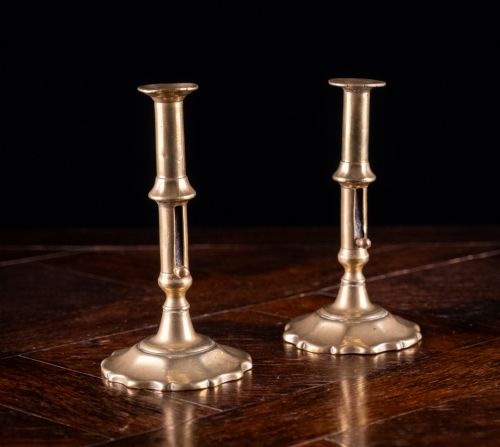
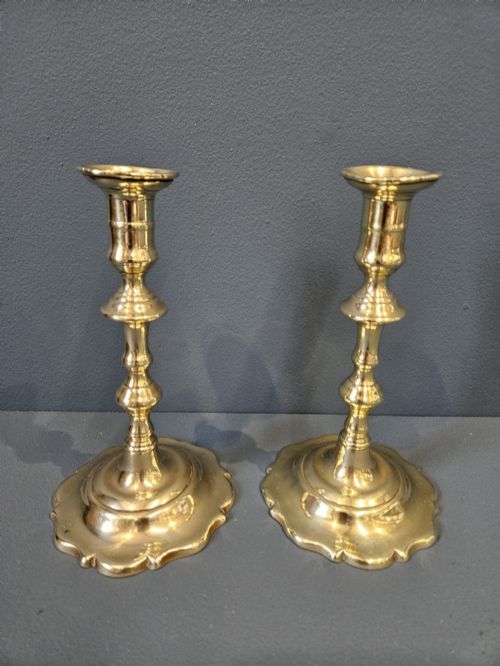
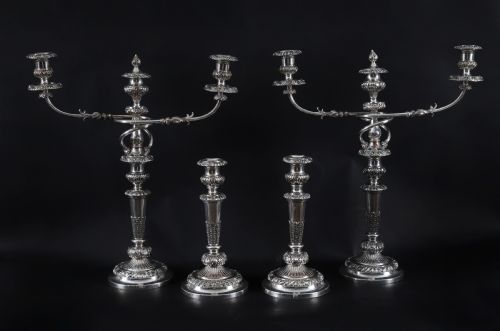
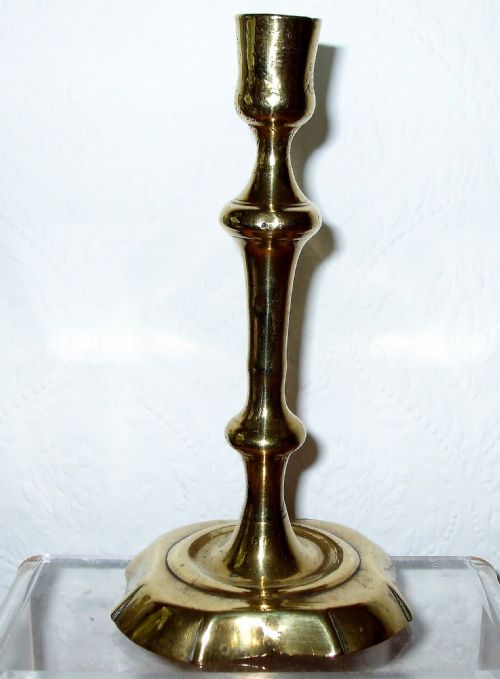
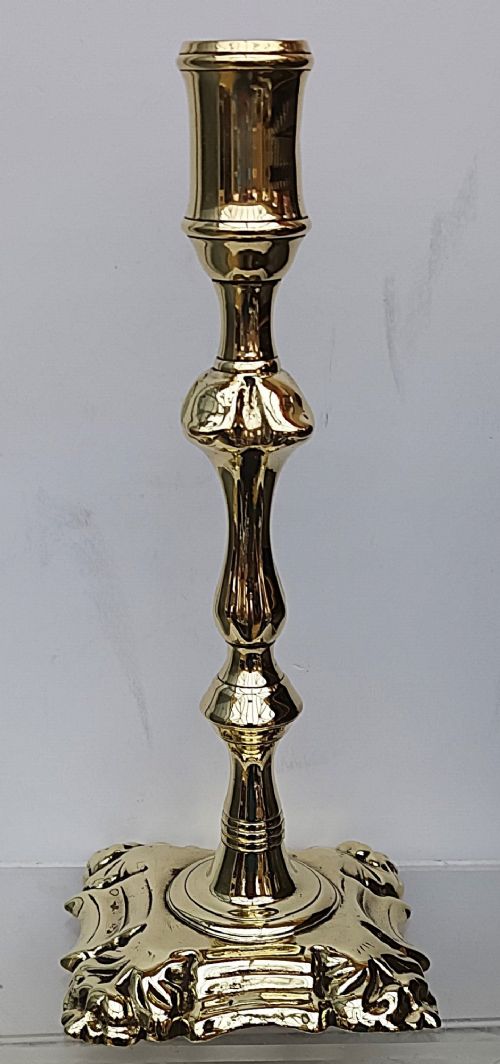
The commonest examples met on this page are cast brass pairs from the mid-eighteenth century, often featuring petal bases or ejector mechanisms to clear spent wax. Buyers also encounter Regency bronze designs, iron spiral stems and silver plated candelabra suites intended for formal dining.
Materials and Construction Techniques
Foundry work relied on casting metals in sand or loam moulds, producing the thick stems and heavy square or round bases characteristic of the period. Seamed brass and bell metal items reveal vertical joins from sheet metal manipulation or two-part moulds before finishing on the lathe.
Surface treatments range from fire gilding on bronze to silver plating over copper bases in Old Sheffield Plate. Mechanisms such as the Harrison patent introduce internal threading for telescopic height adjustment.
Georgian Metal Candlesticks Retail Price Guide 2026
Typical asking prices for georgian metal candlesticks among the pieces listed under this phrase on Sellingantiques today, from the lower quarter to the upper quarter. They describe what is for sale here now, not the wider market.
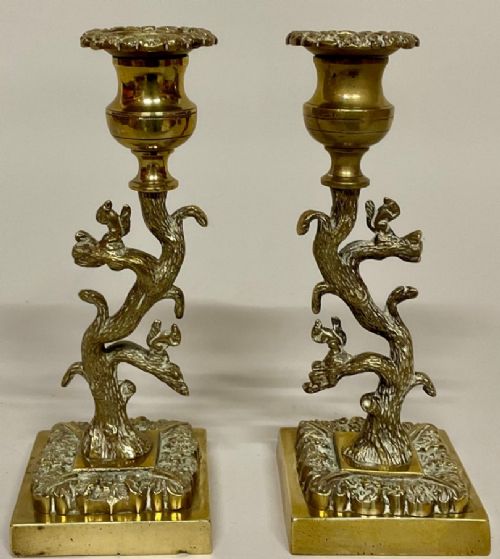
Regency bronze candlesticks cast as branching trees populated by squirrels bring unexpected wildlife indoors.
Evaluating Metal Candlesticks
Weight and thickness determine the substance of a casting, as thinner examples lack the physical gravity of early pieces. Crispness of detail in the moulded shoulders and drip pans separates standard production from finer foundry output.
Original components dictate integrity, preservation showing in untouched patination rather than over-polished brass surfaces. The presence of matching hallmarks on plated items or functioning ejector screws preserves the mechanical honesty of the piece.
Barker Ellis·Blagden, Hodgson & Co·Harrison·J.T.& Co
The Georgian Metal Candlesticks Glossary
- Ejector
- A mechanical device fitted inside the stem, operated by a small side lever to push out the remaining candle stub.
- Pricket
- A sharp metal spike rising from the centre of the drip pan to secure a candle, common on earlier ecclesiastical forms.
- Campana
- A vase-shaped candle socket resembling an inverted classical bell, frequently seen on Regency examples.
- Old Sheffield Plate
- A fused composite material comprising a layer of silver fused to a heavier copper core, developed in the eighteenth century.
- Paktong
- A copper, nickel and zinc alloy imported from China, prized for its bright silvery appearance and weight.
- Chamberstick
- A low candlestick fitted with a flat saucer base and a loop handle for carrying about the house.
Georgian Metal Candlesticks: Frequently Asked Questions
How do I clean brass candlesticks?
Maintenance requires mild soapy water and a soft cloth to remove dust and grease without stripping the historic skin. Avoid harsh chemical polishes that strip away the aged patination accumulated over centuries.
Gentle buffing maintains the warm metallic lustre without exposing the raw brass underneath. Preserving the original surface dark tones remains central to collector appeal.
What is an ejector candlestick?
An ejector candlestick contains an internal sliding platform connected to a thumbpiece on the stem. Pushing the lever upwards lifts the remaining wax stub clear of the socket.
This innovation appeared during the mid-eighteenth century to simplify cleaning. The mechanism relies on accurate internal fitting to operate smoothly.
How do I date a metal candlestick?
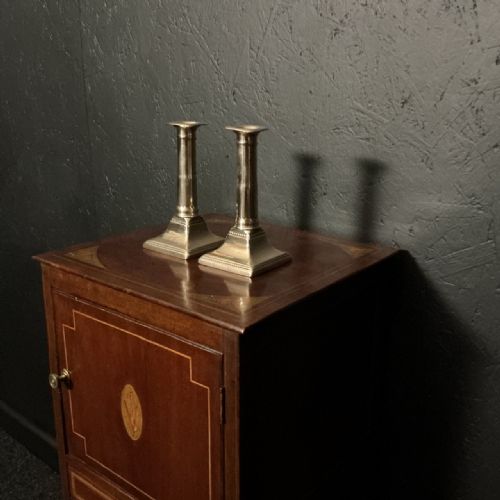
Dating relies on combining the base shape, casting seams and metal composition with prevailing stylistic periods. Mid-eighteenth-century examples often display heavy cast brass construction with petal or square bases.
Regency items introduce bronze, ormolu, and classical motifs such as campana sconces and animal figures. Later nineteenth-century pieces tend toward heavier, simpler proportions or machine-threaded components.
Were these used on dining tables?
Taller candlesticks and multi-light candelabra suites illuminated dining tables during formal evening meals. Pairs stood symmetrically along the length of the table to provide ambient light.
Shorter chambersticks served a different domestic function for carrying through corridors at bedtime. Each form matched the specific lighting needs of Georgian interiors.