

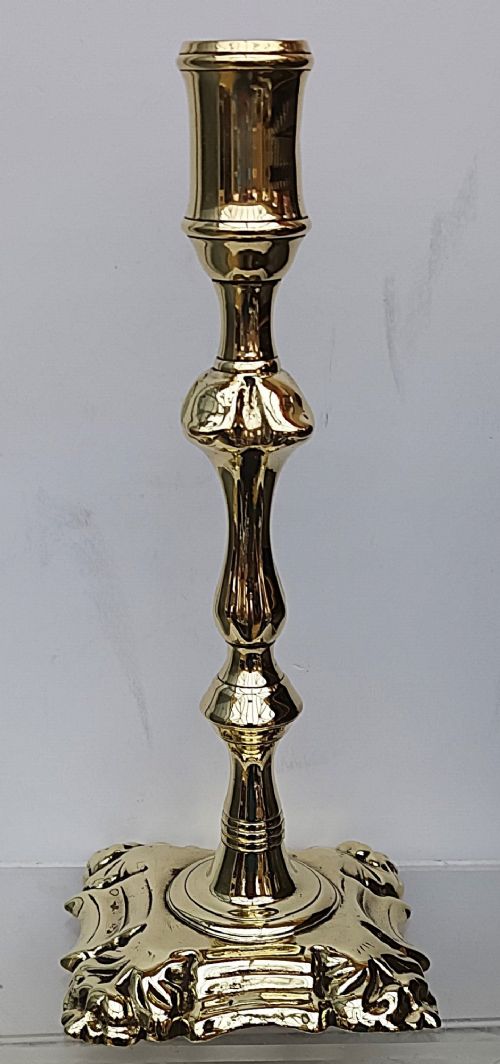
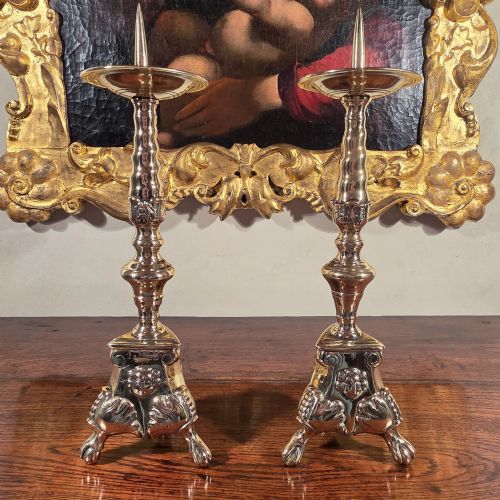


Georgian Metal Candle Sticks
Georgian metal candle sticks bring the warm glow of past centuries into modern rooms through honest craftsmanship in brass, pewter, paktong and silver plate.
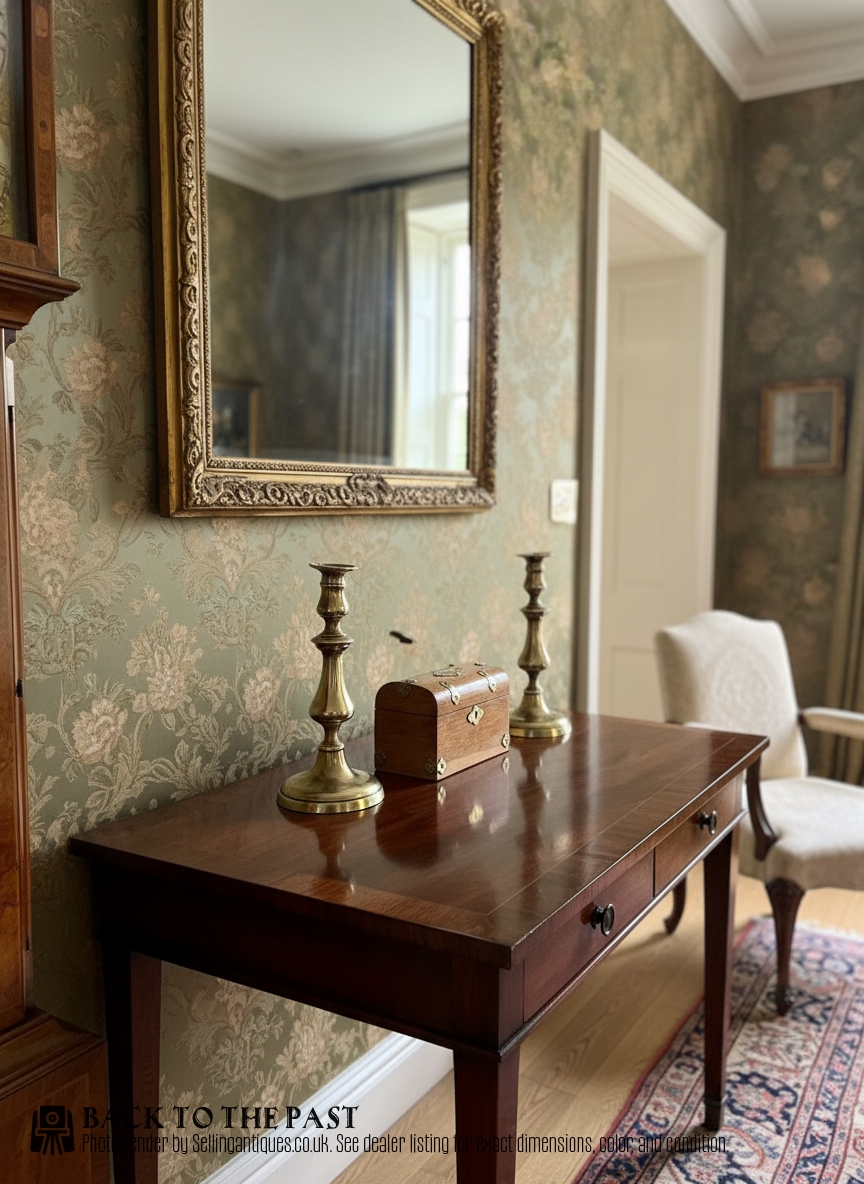
Georgian Metal Candle Sticks
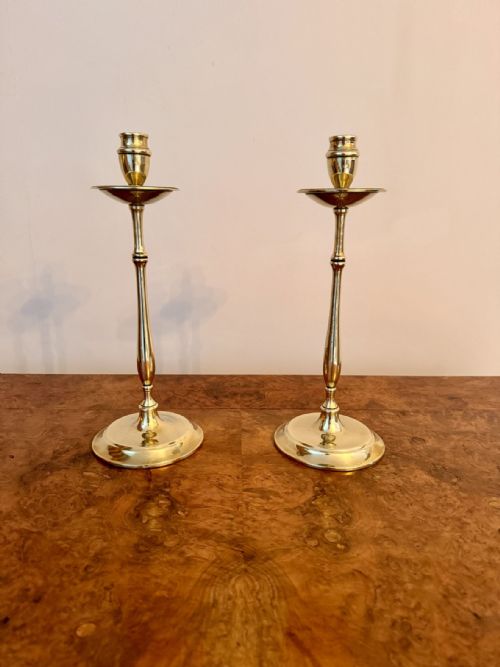
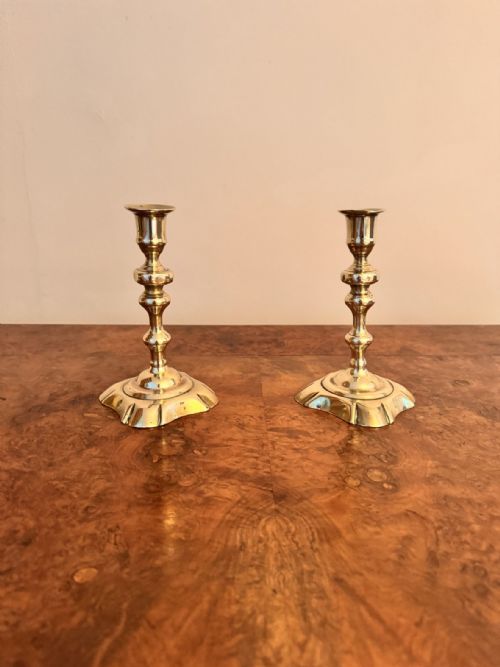
When you search for georgian metal candle sticks, you encounter lighting devices primarily formed from brass, alongside examples in pewter, copper, paktong and silver plate. These items span periods from the eighteenth century into the nineteenth, often appearing as matched pairs designed to illuminate tables and mantelpieces.
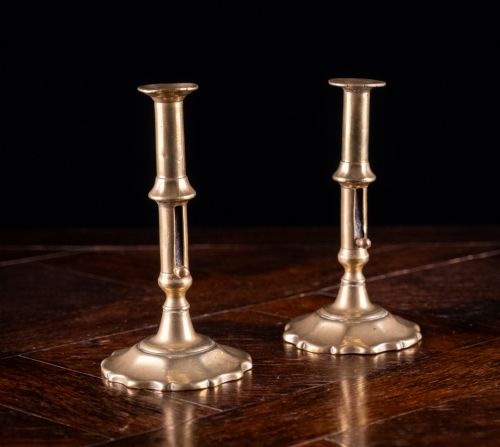
The forms range from simple domestic ejector candlesticks with internal mechanisms to grander ornate Regency designs and low chamber sticks. Most surviving examples derive from English workshops or the Low Countries, reflecting the utilitarian and decorative needs of period interiors.
Materials and construction
Makers utilised casting techniques, often working with cast brass or patinated bronze to form sturdy sockets and bases. Components were frequently produced in separate sections and joined, as seen in seamed brass examples where vertical joins reveal the fabrication method.
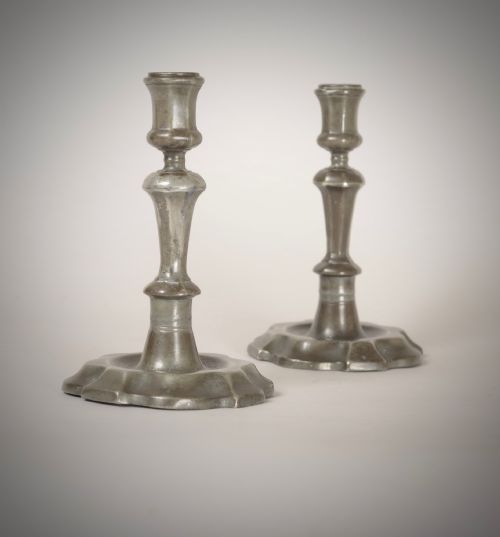
Alternative metals bring distinct properties to the category, including the bright alloy paktong imported from Asia and the soft lustre of early pewter. Silver plating on copper base metals provided a more luxurious appearance for formal reception rooms.
Listings feature brass, silver plate, copper, pewter, paktong and patinated bronze across eighteenth and nineteenth century periods.
Assessing quality and proportion
The distinction between standard domestic items and finer pieces rests upon the crispness of casting detail and the integrity of the proportions. Heavier gauge metals and sophisticated turning on the lathe produce a more balanced and enduring object.
Makers who incorporated functional innovations, such as working ejector mechanisms or telescopic height adjustments, demonstrate higher standards of workshop execution. Preservation of the original surface patina further separates superior examples from heavily polished pieces.
Harrison Patent·Barker Ellis·J.T. and Company
The Georgian Metal Candle Sticks Glossary
- Ejector candlestick
- A candlestick fitted with an internal push-rod mechanism to raise and remove the remaining candle stump. This clever addition simplified maintenance for domestic servants.
- Paktong
- A copper-nickel-zinc alloy originating in China that mimics the appearance of silver. English makers prized it during the eighteenth century for casting high-status candlesticks.
- Chamber stick
- A low, saucer-like candlestick featuring a loop handle and a socket for bedside use. They were carried down dark hallways before the invention of electric lighting.
- Pricket candlestick
- A form featuring an upward-pointing metal spike rather than a socket to secure the candle. These represent an older tradition originating in ecclesiastical settings.
- Seamed brass
- Metalwork constructed from rolled sheet brass joined along a vertical seam. This technique became common before solid casting methods superseded it.
Georgian Metal Candle Sticks: Frequently Asked Questions
How do I clean antique brass candlesticks?
Use a soft cloth and avoid abrasive polishes that strip away the aged patina accumulated over centuries. Gentle dusting preserves the historical surface of the metal.
Harsh chemical dips destroy the subtle coloration that collectors value. Let the natural warmth of the brass show through light maintenance.
What is the difference between brass and paktong?
Brass is a copper and zinc alloy with a distinct golden hue. Paktong contains nickel, giving it a cooler, silvery appearance similar to pewter or silver plate.
Paktong items are considerably less common in surviving inventories. They required specialised metallurgical knowledge to import and work during the eighteenth century.
How can I tell an eighteenth century stick from a later copy?
Examine the construction methods, tool marks and wear patterns on the underside of the base. Period pieces often show evidence of manual lathe turning and heavy casting.
Later reproductions frequently lack the weight and tactile irregularities of genuine antique items. Comparing known examples helps train the eye for period proportions.