

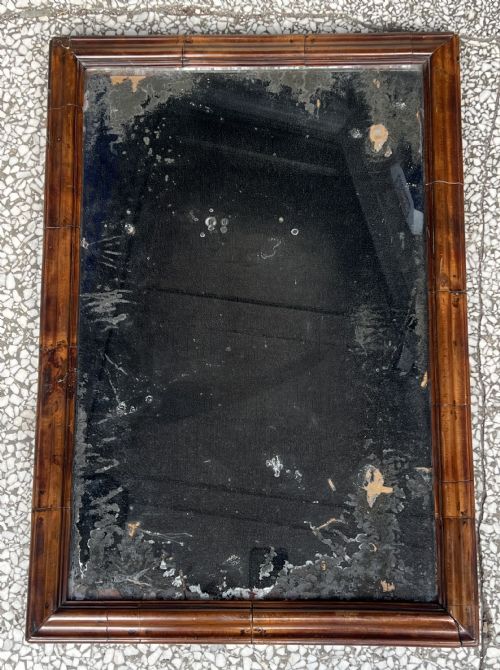
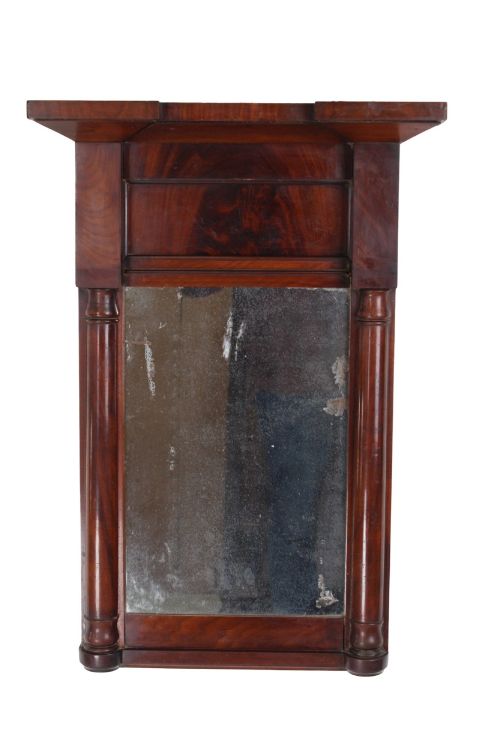
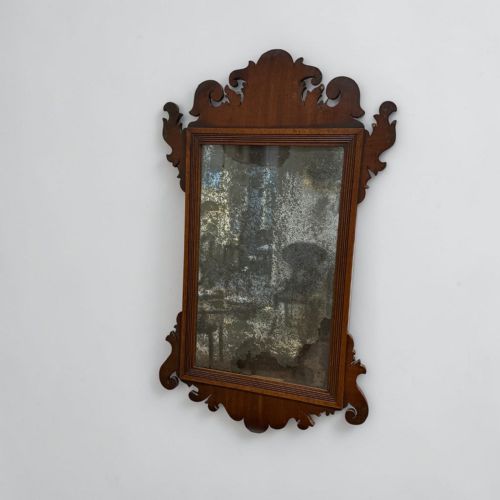


Georgian Mercury Glass Mirror
These georgian mercury glass mirror examples offer deep foxing and heavy plates that catch the dimmest evening light.
Georgian Mercury Glass Mirror
A georgian mercury glass mirror brings together heavy wooden frames and silvered plates that show age through dark spots and clouding. You will frequently find wall mirrors, pier mirrors, and large overmantel mirrors spanning the 18th century and the Regency period.
The selection here ranges from simple mahogany frames to grand giltwood and painted pieces with French Neoclassical and Italian Rococo influences. Alongside wall plates, the listings include mahogany banjo barometers and wheel barometers featuring mercury instruments.
Most items date from the Georgian era through to the 19th century, with several pieces retaining their original mercury glass plates. Buyers frequently encounter George III giltwood designs alongside smaller provincial examples.
Materials and construction
Makers shaped these frames from solid mahogany or carved softwoods built up with gesso before applying gold leaf or paint. Giltwood surfaces often show hand-applied gilding over a red bole, which reveals itself as the gold thins with age.
The glass plates were silvered using a tin and mercury amalgam poured behind the sheet, a method that produced a deeper and warmer reflection than modern aluminium backing. Frames use traditional joinery appropriate to the period, including pegged mortise and tenon joints on larger overmantel pieces.
Georgian Mercury Glass Mirror Retail Price Guide 2026
Typical asking prices for georgian mercury glass mirror among the pieces listed under this phrase on Sellingantiques today, from the lower quarter to the upper quarter. They describe what is for sale here now, not the wider market.
Listings combine 18th century and 19th century periods with materials including giltwood, mahogany, brass, and gesso.
Judging the execution
Quality rests entirely in the crispness of the original wood carving and the depth of the gilding or timber grain. Finer pier and overmantel mirrors retain their original mercury plates without modern replacements, displaying natural foxing that sits evenly across the glass.
The depth and integrity of the gesso ornament under the gold leaf separate standard workshop production from exceptional pieces. Simpler mahogany frames rely on clean proportions and well-figured timber rather than carved detail to succeed.
Jenkins Of Old Swindon·J C Moretti of King's Lynn
The Georgian Mercury Glass Mirror Glossary
- Mercury glass
- A type of antique mirror plate made by pouring a tin and mercury amalgam behind glass, creating a reflective surface that develops dark spots over time.
- Giltwood
- Timber carved and coated with gold leaf, frequently used on formal Georgian and Regency wall frames.
- Pier mirror
- A tall, narrow wall glass designed to hang on the wall space between windows.
- Trumeau
- A decorative wall mirror combined with a painted panel or carved artwork above the glass plate, often seen in French neoclassical pieces.
- Foxing
- The natural oxidation and dark speckling that appears within antique mercury glass plates as air reaches the backing.
Georgian Mercury Glass Mirror: Frequently Asked Questions
What causes mercury glass to spot?
The dark spots, known as foxing, occur when air gradually penetrates the backing amalgam over decades or centuries. This chemical process creates the characteristic clouded appearance valued by collectors.
Original plates display this ageing unevenly across the glass surface, unlike modern chemical reproductions which attempt to imitate the look artificially.
How do I clean an old mirror?
Antique mercury glass plates require minimal intervention and should only be dusted with a dry, soft cloth. Avoid modern liquid glass cleaners entirely, as moisture can seep behind the plate and accelerate damage to the remaining silvering.
The wooden or gilt frames should similarly stay dry, using a soft brush to remove dust from carved gesso and gold leaf without rubbing.
Where were pier mirrors placed?
These tall glasses hung on the narrow strip of wall situated directly between two windows. This positioning maximised available daylight in 18th-century and Regency rooms.
They often stood above matching console tables or small pier tables to complete the interior arrangement.
Are barometer plates made of mercury?
Barometers from this period utilise liquid mercury within a glass tube to measure atmospheric pressure. Instrument makers mounted these tubes inside mahogany wheel or banjo frames.
The mercury rises and falls against a calibrated dial to show weather changes.