
Georgian Mahogany High Chair
A georgian mahogany high chair brings centuries of domestic history into a room through dense timber and scaled-down proportions.
Georgian Mahogany High Chair
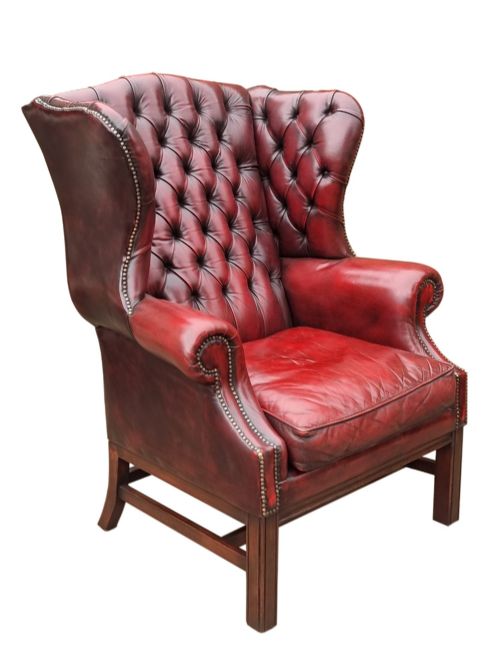
A georgian mahogany high chair sits within a broader landscape of children's seating, armchairs, and desks from the eighteenth century onwards. Buyers searching this phrase encounter child's chairs, metamorphic examples, and related seating forms built from deep brown timber.
The pieces appearing on this page span the georgian period through to later revivals, capturing both genuine eighteenth-century craftsmanship and subsequent interpretations. Surviving examples demonstrate how nurseries and domestic spaces adapted adult seating styles for younger members of the household.
Alongside dedicated high chairs, the selection includes children's chairs on stands and metamorphic designs that multifunctional households utilised. Each piece reflects the enduring popularity of mahogany as a primary medium for domestic furniture across multiple design eras.
Materials and construction
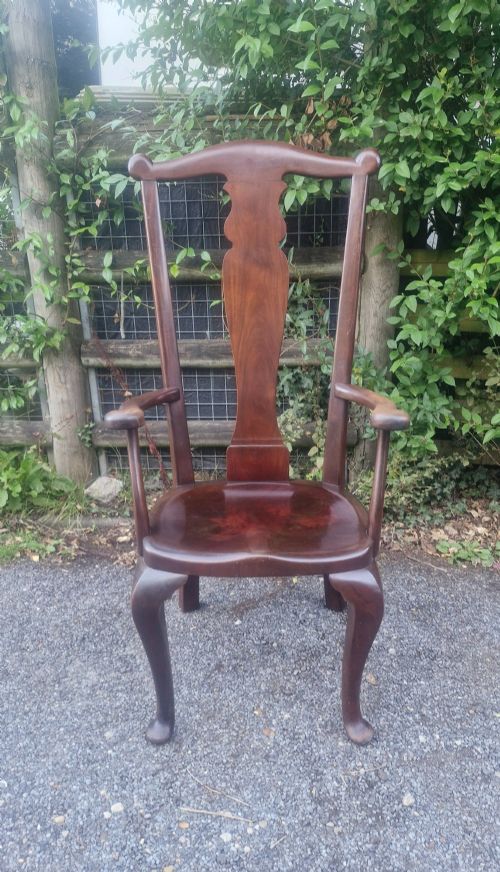
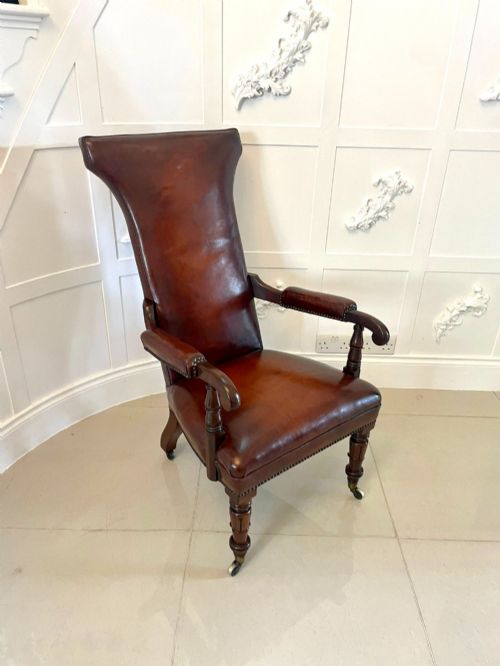
Makers relied primarily on mahogany for its strength and rich grain, shaping the timber into sturdy frames capable of supporting children safely. Brass fittings and castors often appear on mobile or adjustable elements, adding functional detail to the wooden structure.
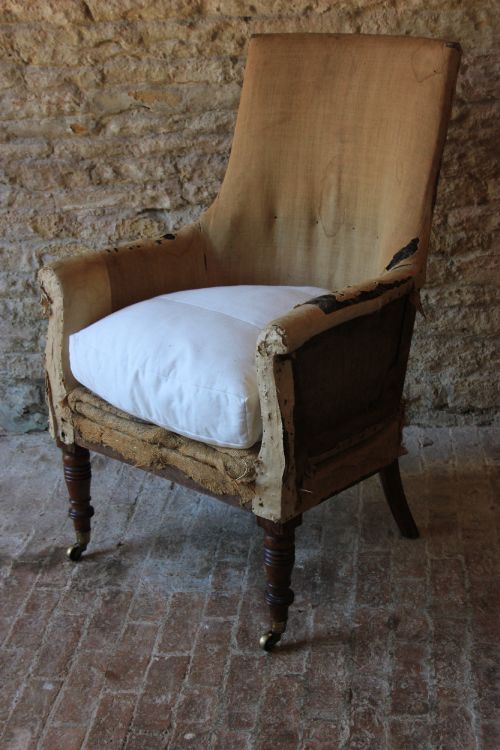
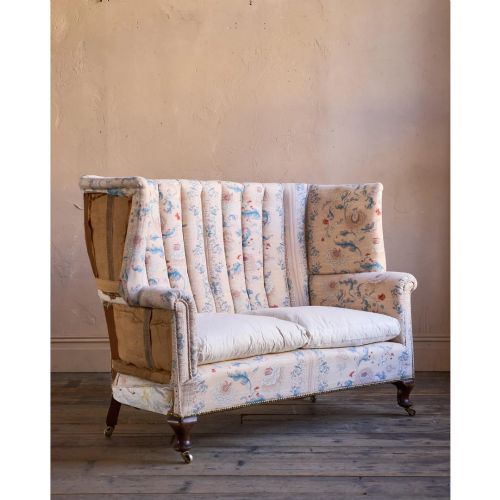
Upholstery historically involved hessian, leather, velvet, and fabric coverings, though many pieces now feature modern textiles or calico. These textiles soften the rigid wooden silhouettes while connecting the seating to wider traditions of period upholstery.
Some tiny chairs feature high backs that dwarf the children who once sat in them.
Assessing quality in early seating
Quality rests in the integrity of the timber framing and the precision of the joinery connecting the legs, seat, and back. Superior examples retain their original structural proportions without excessive timber replacement or clumsy structural repairs.
The refinement of the carving on the arms and legs separates standard workshop production from finer pieces commissioned for affluent households. Original mechanisms in metamorphic versions also dictate desirability among collectors seeking intact historical engineering.
Howard And Sons
The Georgian Mahogany High Chair Glossary
- Metamorphic
- Describing furniture designed to transform from one object into another, such as a high chair converting into a low table and chair. This clever engineering suited growing children and compact domestic spaces.
- Mahogany
- A durable tropical hardwood prized for its deep reddish-brown colour and fine grain. It became the dominant timber for quality British furniture from the eighteenth century onwards.
- Wingback
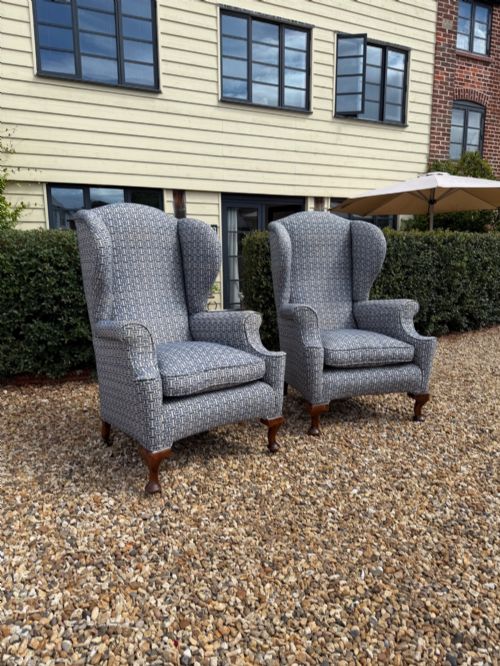
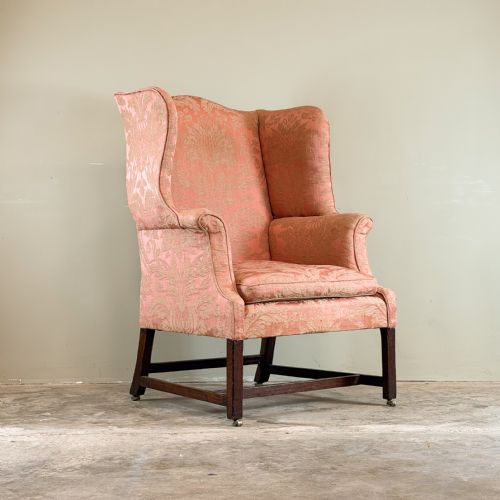
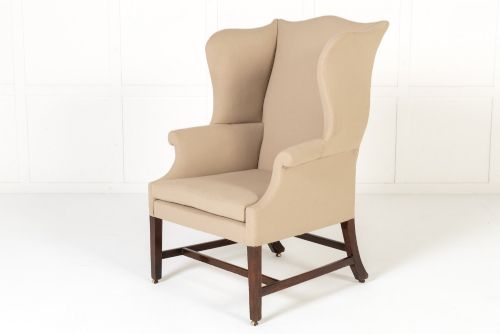
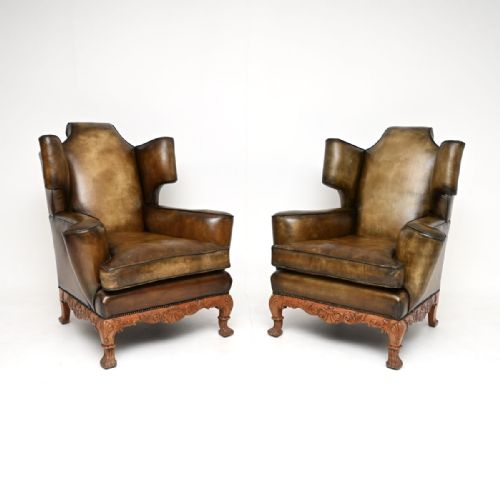
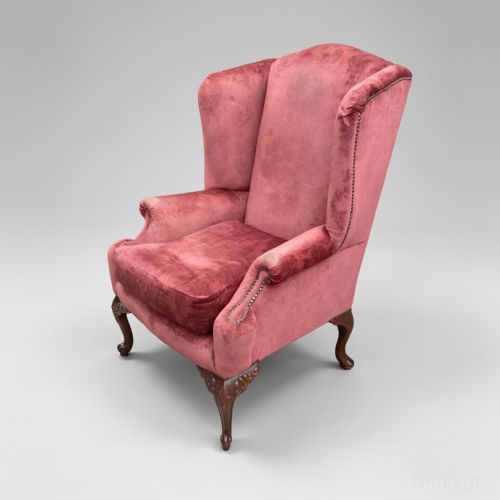
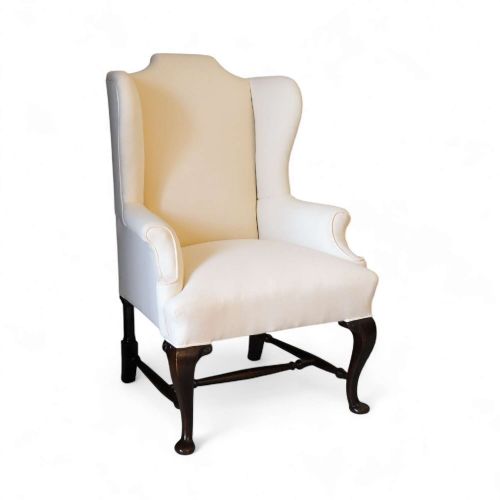
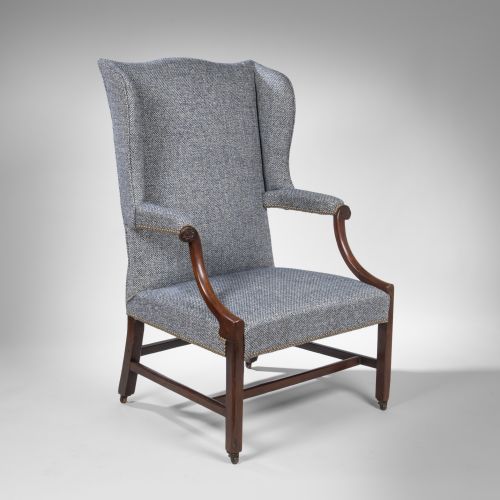
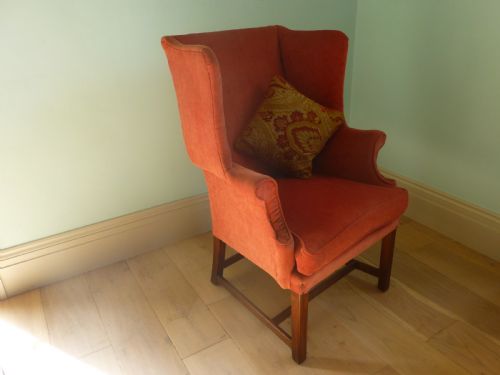
- An armchair featuring protective side panels attached to the arms and back to block draughts. This traditional form occasionally translates into scaled-down children's seating.
- Caned
- Featuring woven rattan or cane panels set into chair backs or seats. This technique introduced lighter decorative textures to wooden frames.
- Gainsborough
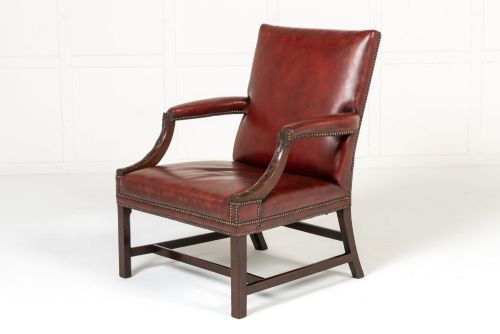
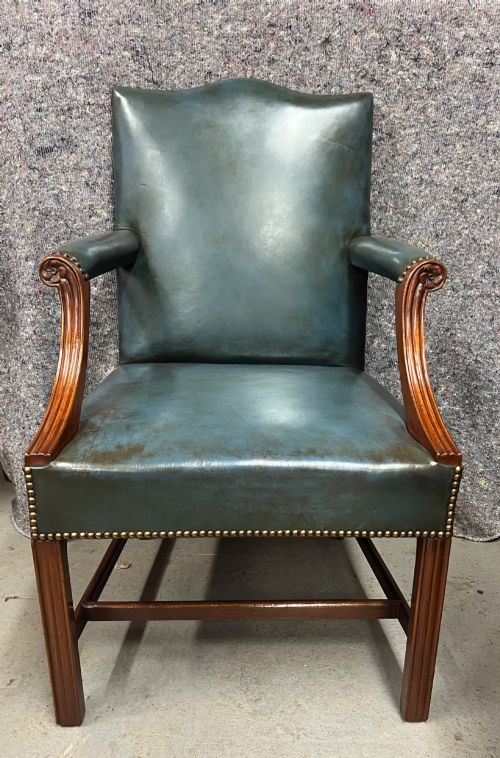
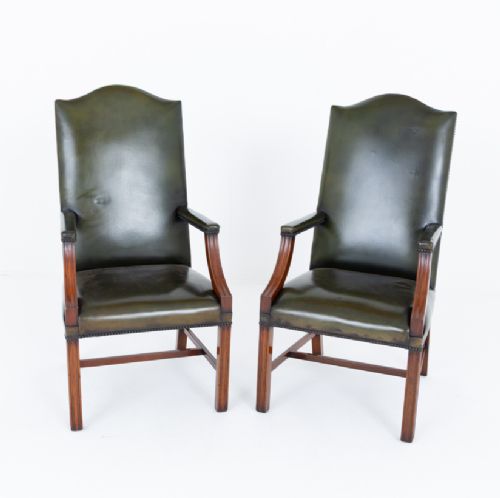
- A wide seat with an upholstered back and open padded arms supported on four legs. The form dates back to the mid-eighteenth century and recurs in later revival pieces.
Georgian Mahogany High Chair: Frequently Asked Questions
What is a metamorphic high chair?
A metamorphic high chair is a convertible piece of furniture designed to shift between a raised seating position and a low chair with a separate table.
This clever dual-purpose construction allowed families to adapt a single object as the child grew older.
How do I spot a later revival piece?
Revival pieces often display machine-cut joinery, standardised timber grading, and styling cues borrowed directly from earlier eras.
Examining the underside and internal framing usually reveals the construction methods typical of nineteenth- or twentieth-century workshops.
What fabrics were originally used for upholstery?
Period seating typically utilised durable textiles such as leather, velvet, and heavy woven fabrics over a foundation of hessian and stuffing.
Many surviving pieces have undergone reupholstery over the centuries to maintain usability in modern homes.
Were these chairs meant for everyday dining?
These elevated seats served primary roles in family dining rooms and nurseries to keep young children at table height.
Their robust construction reflects a need for durable furniture that could withstand daily domestic life.