
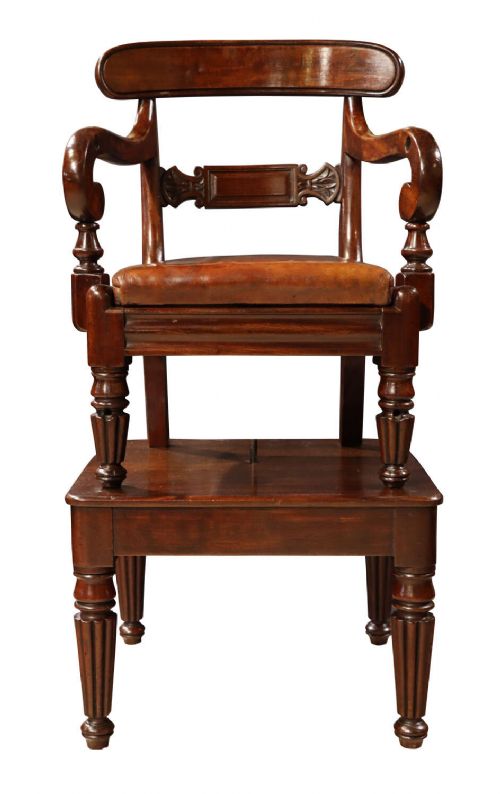


Vintage Child High Chair
A vintage child high chair brings centuries of domestic history into the home, offering robust craftsmanship built for the youngest members of the family.
Vintage Child High Chair
When searching for a vintage child high chair, collectors encounter practical seating spanning the seventeenth century through to the Edwardian era. These pieces range from formal mahogany designs on stands to rustic elm and ash vernacular forms shaped by regional makers.
The selections on this page demonstrate the distinct evolution of children's seating, including convertible metamorphic formats and traditional windsor hoops. Buyers frequently discover regional variations such as Scandinavian painted surfaces and Welsh windsor styles alongside classic English hardwoods.
How they were made
Cabinetmakers and country joiners utilised timbers like mahogany, oak, elm, and beech, selecting dense woods capable of withstanding heavy domestic use. Joined and turned construction techniques ensured structural stability for active infants, often incorporating steam-bent components for hoops and armrests.
Surface treatments varied widely from polished mahogany finishes to folk art painted decorations and rush or cane seating inserts. Iron fixings and clever mechanical hinges appeared in later metamorphic models that converted from high chairs into low play tables.
One surviving oak chair proudly bears the hand-carved initials R.D. and the exact year 1688.
What varies in quality
The distinction between ordinary and exceptional examples rests in the preservation of original surfaces, timber selection, and structural integrity. Pieces retaining their original stands, cane work, or early painted decoration command greater interest among serious collectors.
Refined joinery and sophisticated stylistic details, such as carved oak panels or fine mahogany turnings, separate high-status urban commissions from simpler rustic workshop output.
The Vintage Child High Chair Glossary
- Metamorphic
- Describing a piece of furniture designed to transform into another functional object, such as a high chair converting into a low armchair and table combination.
- Windsor
- A traditional chair construction method where legs and spindle backs are wedged directly into a solid sculpted wooden seat.
- Bergere
- A type of upholstered armchair featuring woven cane panels on the back and sides, offering lightweight strength and texture.
- Ladderback
- A chair back construction utilising horizontal wooden slats or rails stacked vertically between two upright posts.
- Vernacular
- Everyday objects made by local craftsmen following regional traditions rather than formal architectural patterns.
Vintage Child High Chair: Frequently Asked Questions
How do I date a vintage child high chair?
Dating relies on identifying the prevailing stylistic traits, timber choices, and construction methods characteristic of periods like the Georgian or Victorian eras. Tool marks and fastener types also provide clues to the workshop origins.
Examining how joints are secured helps distinguish seventeenth-century joined oak from later nineteenth-century turned beech examples.
What is a metamorphic high chair?
A metamorphic high chair is a dual-purpose piece engineered to shift configurations, often dropping down from an elevated frame to form a nursery table and chair set.
These clever designs were prized in compact historical homes for maximising utility.
How were these chairs used historically?
These elevated seats positioned young children safely at table height during family meals or kept them secure while domestic work took place nearby.
Sturdy footrests and enclosed safety rails protected the occupant while allowing parents freedom to attend to chores.
Are these chairs safe for modern children?
Most antique children's seating serves primarily as decorative display items or collectible pieces rather than functional nursery furniture.
Modern safety standards regarding harness restraints and tipping prevention differ significantly from historical manufacturing practices.