

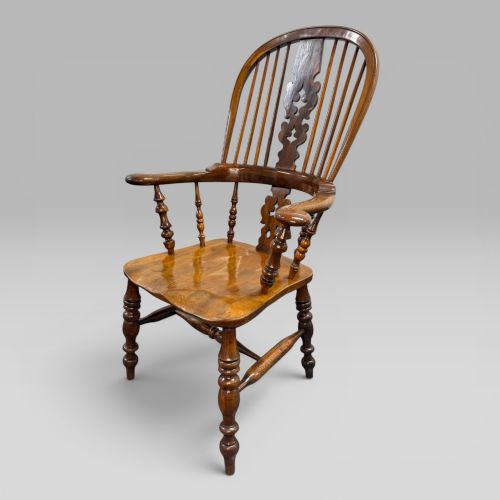
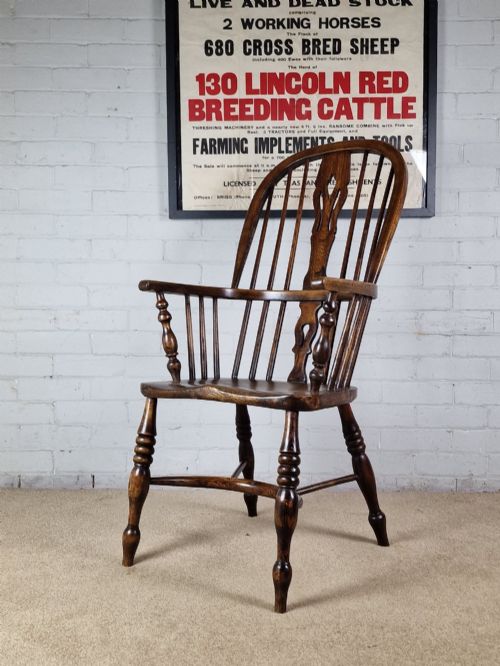
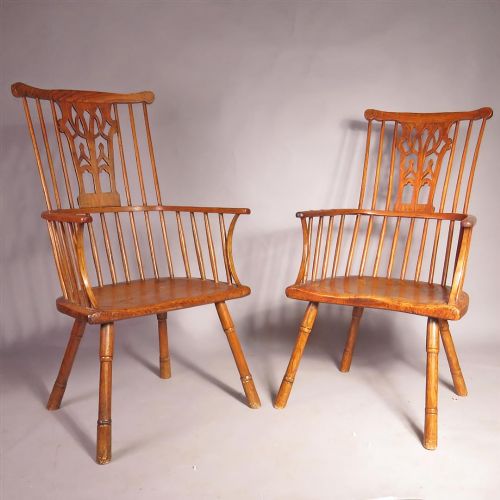
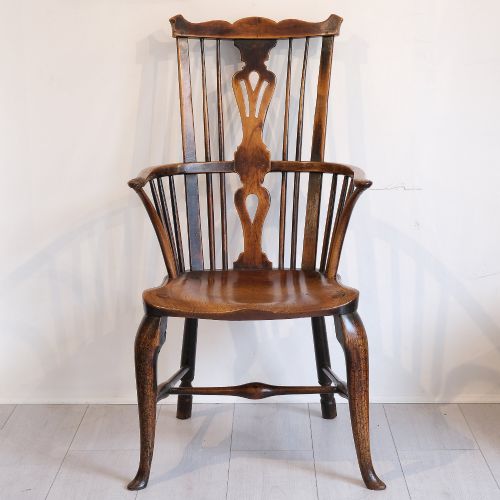



Pierced Splat High Chair
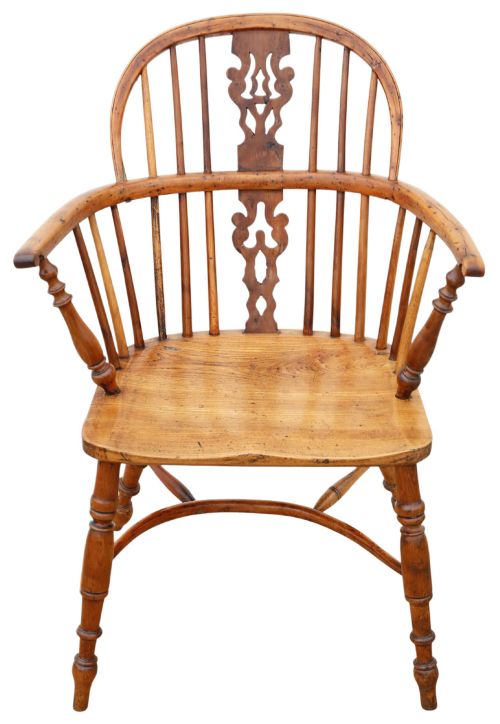
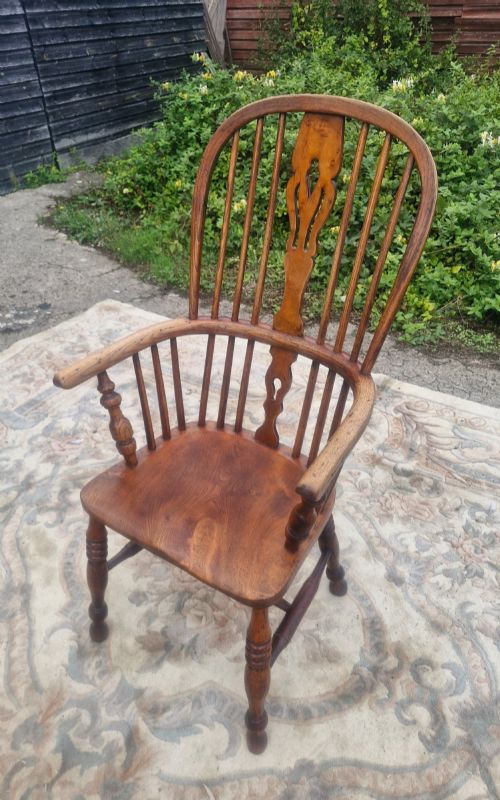
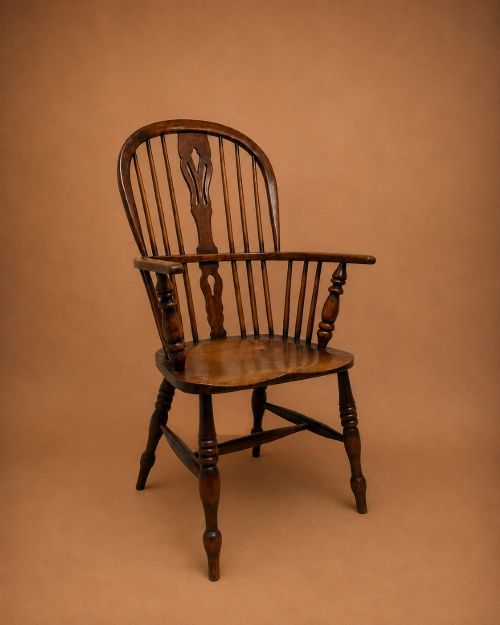
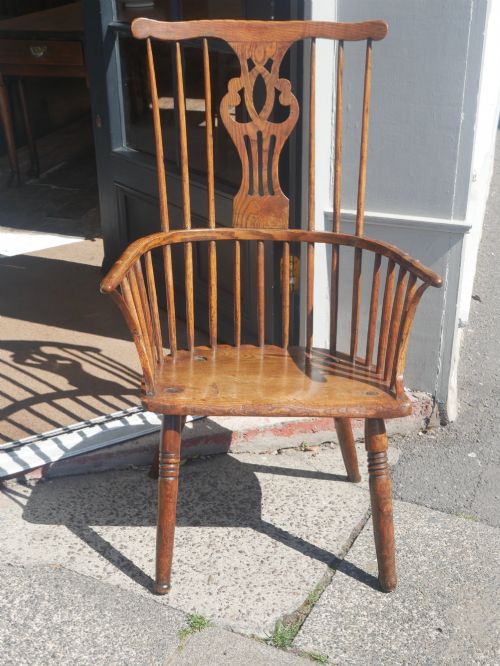
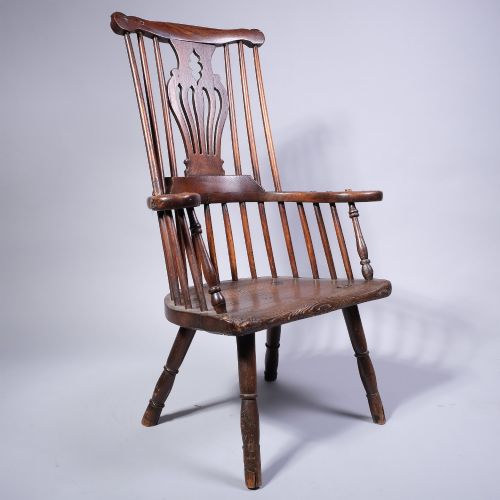
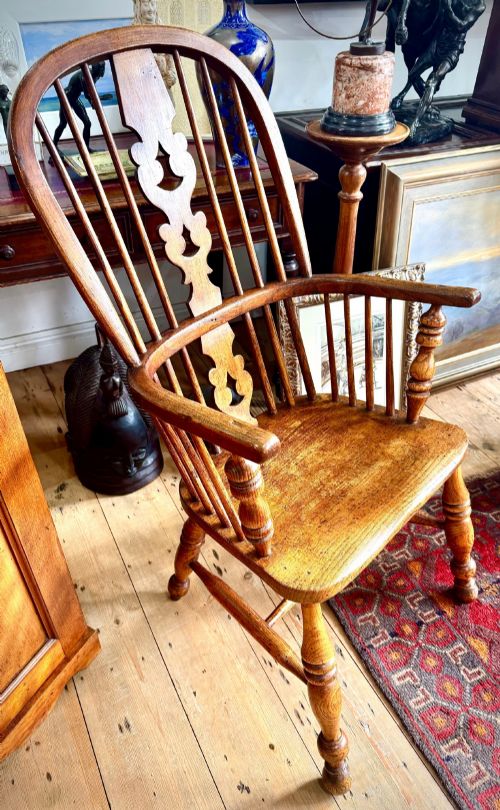
These Windsor chairs and children's seats form a sturdy tradition of country seating built around the pierced splat high chair design.
Pierced Splat High Chair
A pierced splat high chair brings solid country craftsmanship into domestic spaces, drawing on forms recorded across Georgian, Victorian, and Edwardian periods. Buyers search for this phrase to find seating that combines traditional vernacular design with practical utility.
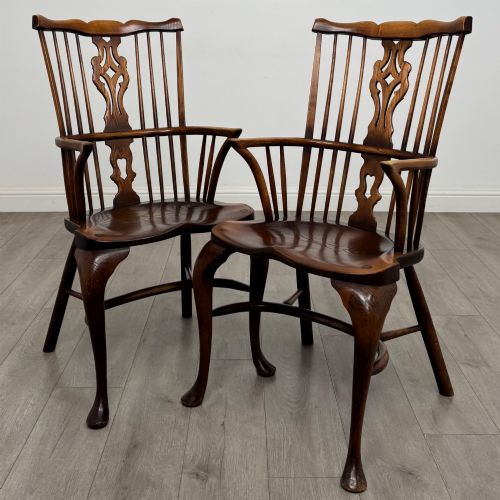
The pieces appearing here include high back Windsor chairs, comb backs, armchairs, and child's seating variants. Elm, ash, yew, and beech form the backbone of these regional country pieces, shaped by makers in locations such as Yorkshire, Lincolnshire, and the Thames Valley.
Most examples meet the eye as sturdy farmhouse or provincial seating, often featuring the characteristic pierced vertical splat central to the backrest. Makers utilised local hardwoods to construct heavy, durable frames designed for everyday use rather than formal display.
How They Were Made
Craftsmen built these chairs using a combination of turned spindles and solid plank seats, employing distinct timbers for different parts of the frame. Elm provided a split-resistant, heavily grained seat base, while ash, beech, or fruitwood supplied strong, flexible spindles and legs.
The construction relies on stick-back or Windsor techniques, where turned legs and back uprights fit directly into bored holes in the thick wooden seat. Steam bending shaped the continuous hooped arms and combs found on many high-back and armchair variants.
Some chairs bear maker stamps pressed firmly into the wooden seat, recording the proud mark of a country workshop.
What Varies in Quality
Quality rests in the balance of timber selection and the elegance of the turning work on the legs and spindles. Superior examples display rich figuring in yew wood or elm seats paired with crisp, well-defined splats and balanced proportions.
Wear and replacement parts separate honest provincial survivors from heavily restored examples. Retaining original wedged leg joints and untouched patination on the hardwood surfaces elevates the standing of any piece.
Gabbitass of Worksop
The Pierced Splat High Chair Glossary
- Pierced splat
- A central vertical slat within the backrest featuring a cutout shape. This decorative element lightens the visual weight of the timber and defines the chair's regional style.
- Comb back
- A Windsor chair design where the top rail resembles the teeth of a comb, with spindles extending upward from the arm bow. It appears frequently on 18th-century vernacular seating.
- Broadarm
- An extended, flat wooden armrest integrated into the chair design. This feature provides a convenient writing or resting surface on country armchairs.
- Vernacular
- Objects made by local tradesmen using regional materials and traditional methods rather than following strict London fashion. These pieces reflect the practical needs of rural households.
Pierced Splat High Chair: Frequently Asked Questions
How do I identify a pierced splat high chair?
Look for a central wooden slat in the backrest pierced with an openwork pattern, combined with a raised seat suitable for a child or dining use. These chairs utilise traditional Windsor stick-back construction methods.
Examine the timbers to spot typical country woods such as elm, ash, and yew. The presence of shaped armrests and turned undercarriages helps date the piece to Georgian or Victorian periods.
Where were these country chairs made?
Regional workshops across England produced these seating forms, with distinct styles originating from the Thames Valley, Yorkshire, and Lincolnshire. Local makers utilised whatever suitable hardwoods grew nearby.
Rural cabinet makers and bodgers supplied farmhouses and country homes with durable furniture built to withstand generations of daily domestic service.
How should I care for an antique wooden high chair?
Keep the timber away from direct heat sources and sudden humidity changes to prevent the solid elm and ash from splitting. Apply a neutral wax polish occasionally to nourish the dry wood surface.
Avoid harsh chemical cleaners that strip the historic patination accumulated over centuries of use. Gentle dusting with a soft cloth preserves the original finish.
Are these chairs suitable for daily use?
Solid hardwood construction makes these traditional chairs remarkably sturdy and well-suited for regular seating in a dining room or study. Their robust pegged joints handle everyday weight easily.
Ensure the leg wedging and stretcher joints remain firm before heavy use. Periodic checks by a specialist keep the historical structure secure.