



Georgian Mahogany Gateleg Table
A georgian mahogany gateleg table combines fold-out leaves with pivoting legs to seat diners before folding down for compact storage.
Georgian Mahogany Gateleg Table
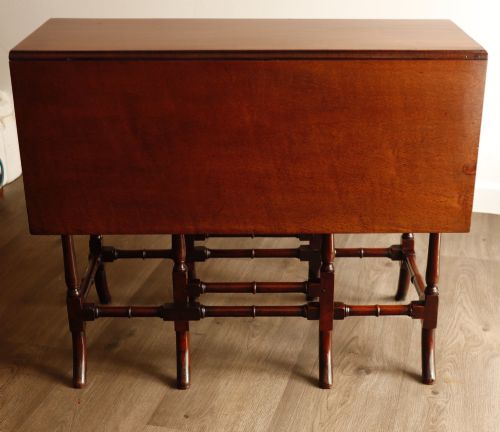
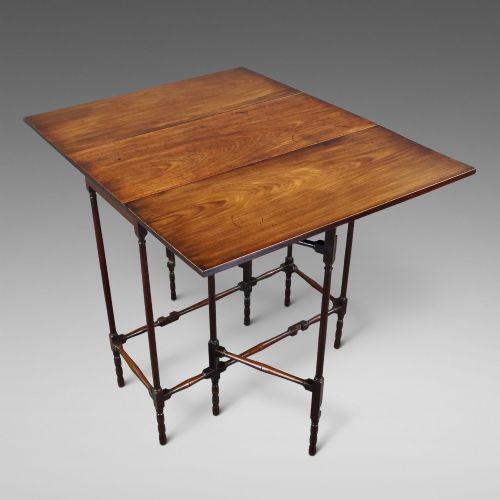
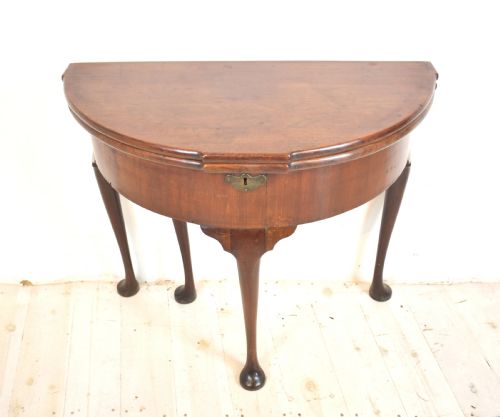
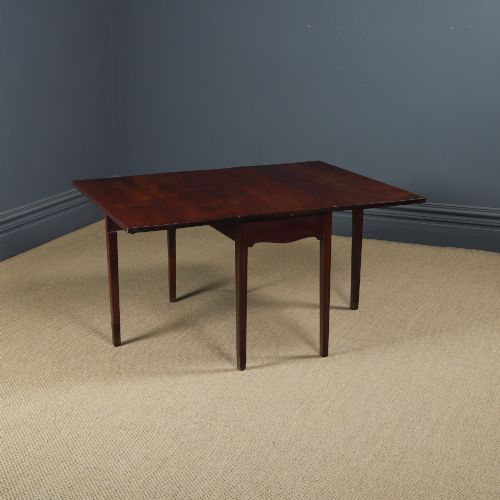
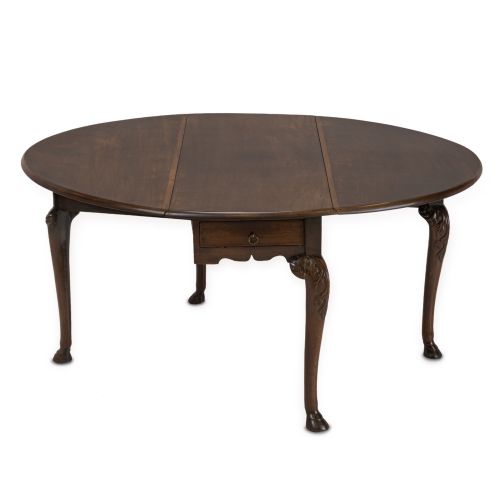
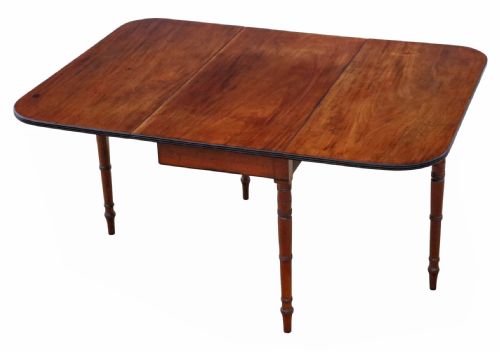
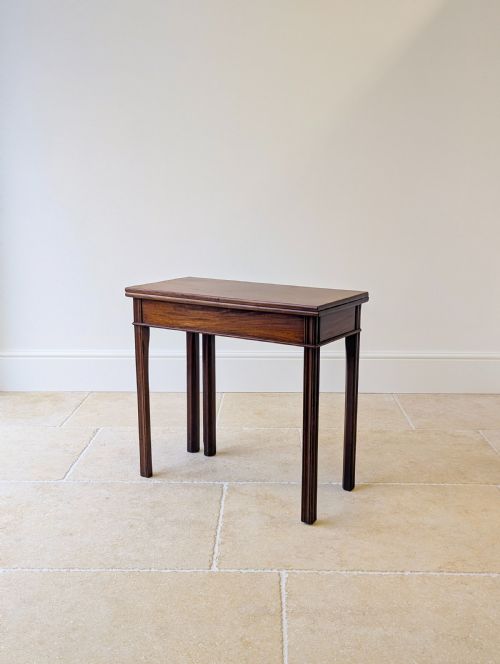
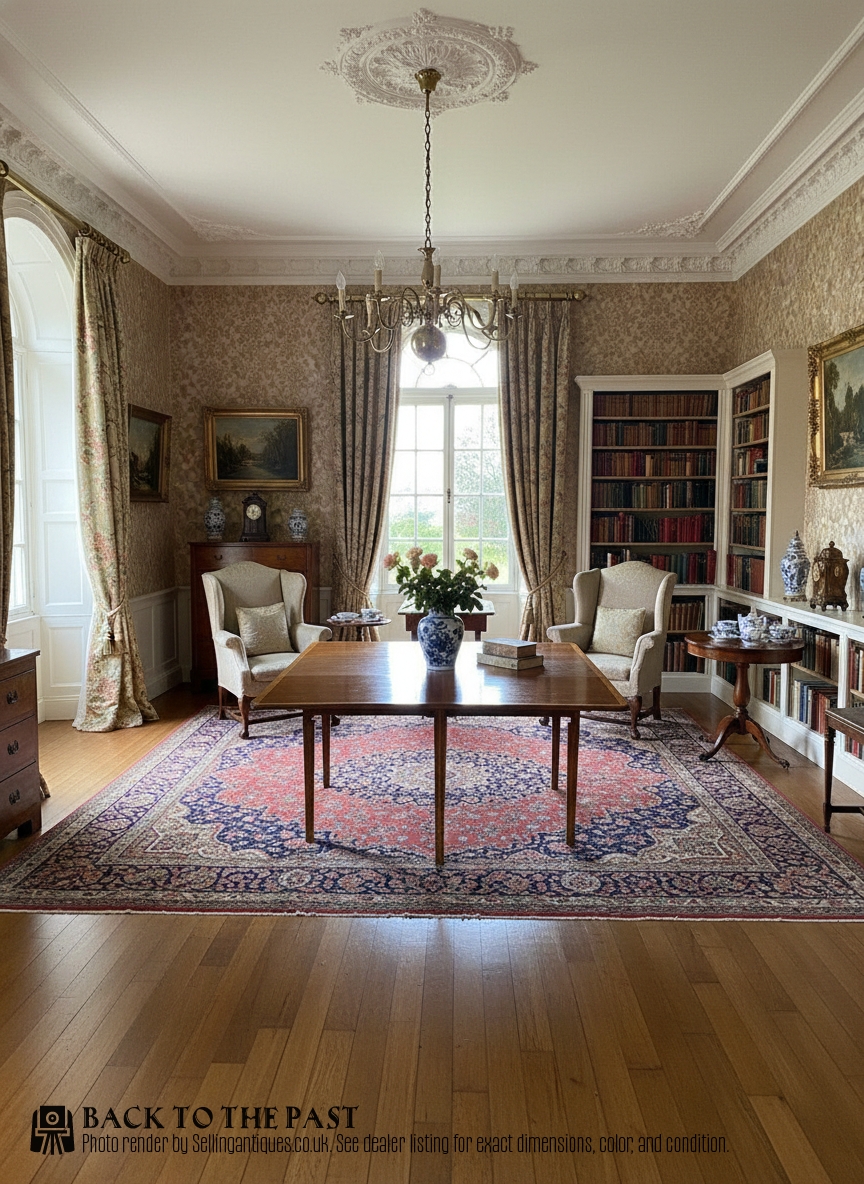
A georgian mahogany gateleg table appears in various formats ranging from compact spider leg tea tables to large dining and wake tables. These versatile pieces feature hinged leaves supported by pivoting legs that swing out from the frame to hold the drop leaves steady.
Most examples date from the eighteenth century through the early nineteenth century, with occasional later revivals from the Edwardian period. Buyers encounter forms designed for multiple uses, including dining, tea, games, and side serving.
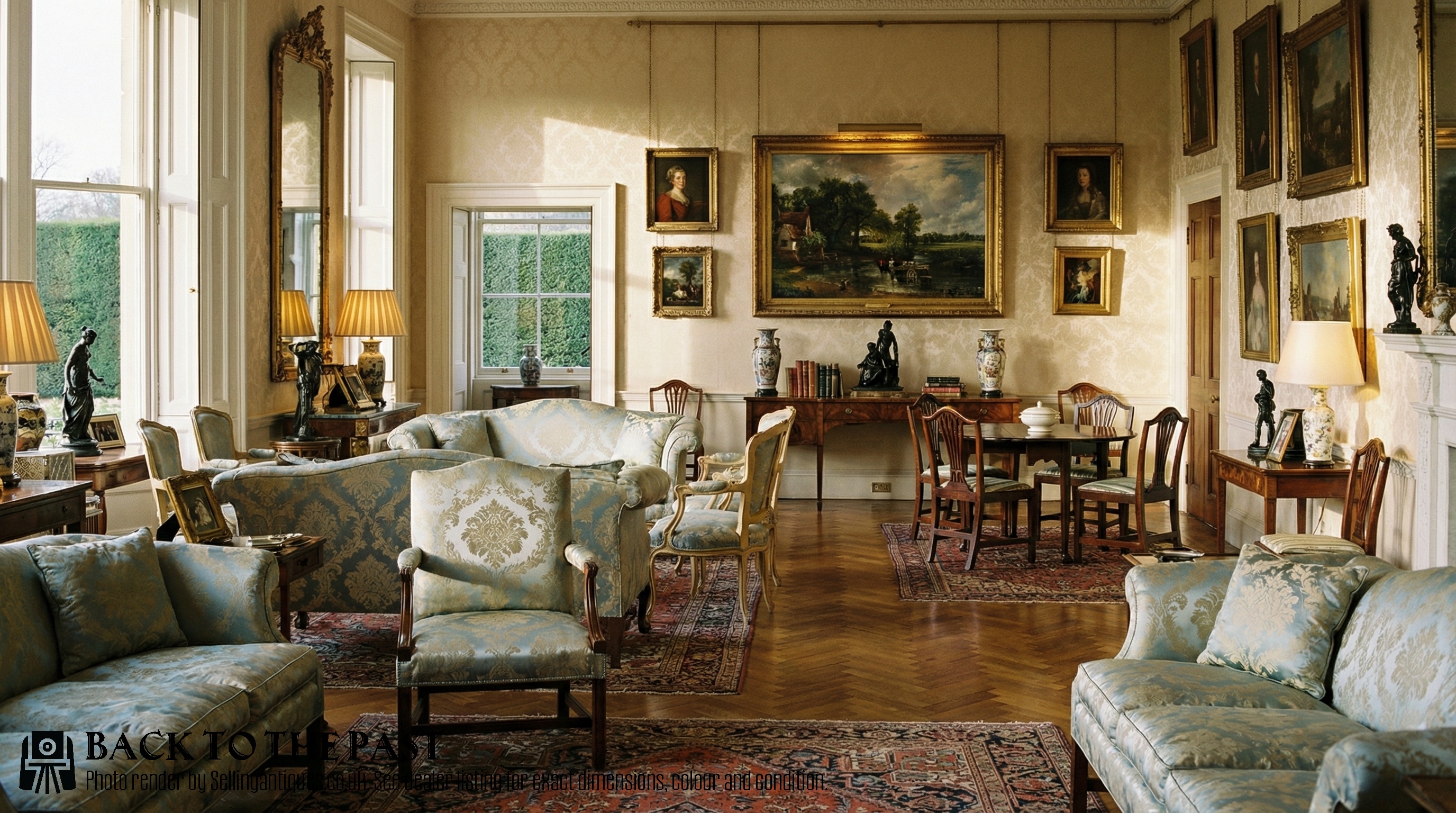
How they were made
Cabinet makers built these tables primarily using mahogany and Cuban mahogany, occasionally incorporating secondary timbers alongside brass and iron hardware. Frames relied on sturdy joinery to support the folding leaves and swinging gate legs.
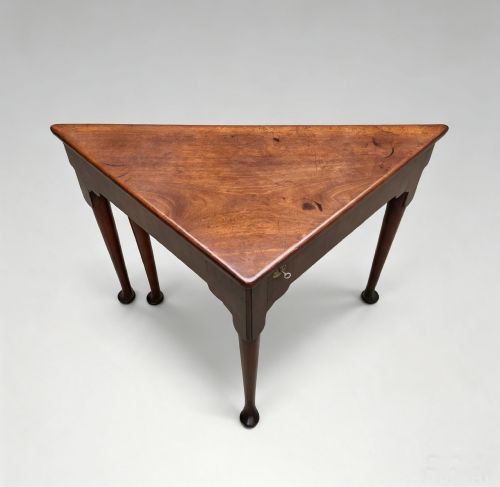
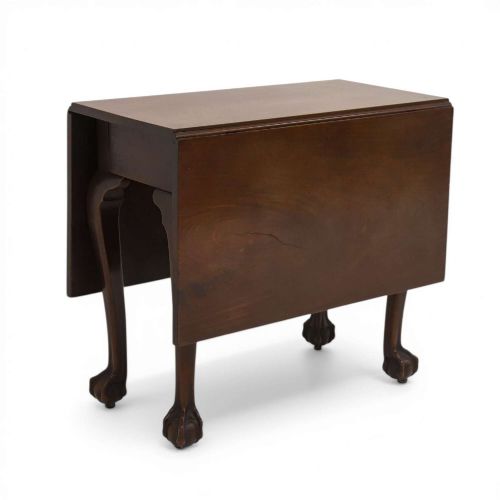
Surface details varied from plain pad feet and hoof feet to carved cabriole legs with claw-and-ball feet. Brass castors also appear on certain dining formats to aid movement across floors.
Georgian Mahogany Gateleg Table Retail Price Guide 2026
Typical asking prices for georgian mahogany gateleg table among the pieces listed under this phrase on Sellingantiques today, from the lower quarter to the upper quarter. They describe what is for sale here now, not the wider market.
Some tables include spider legs so slender they appear barely capable of holding a teacup, yet they have stood upright for centuries.
What varies in quality
The choice of timber creates a distinct difference, with dense Cuban mahogany displaying superior grain figures compared to standard mahogany stock. Large scale dining formats and items retaining original brass castors or specific carved elements demand closer attention.
Proportions and stability define the upper tier of surviving examples. Tables that maintain tight joints in the swinging gate mechanism and retain crisp carving on cabriole legs represent the finer standard of cabinet work.
The Georgian Mahogany Gateleg Table Glossary
- Gateleg table
- A table with hinged leaves supported by one or more legs that swing outward like a gate. This design allows the surface area to expand or contract significantly.
- Drop-leaf table
- A table featuring a fixed central section and one or more hinged flaps that drop down. The flaps are lifted and supported when extra surface space is needed.
- Cabriole leg
- A furniture leg that curves outward in a convex arc at the top and inward in a concave arc near the foot, imitating animal legs. This form appears frequently on mid-eighteenth-century pieces.
- Pad foot
- A simple, flat foot that rests on the floor without additional carving or decoration. It is commonly found on early eighteenth-century tables.
- Spider leg
- A table made with exceptionally slender turned wooden legs. These delicate supports are typical of small tea and occasional tables.
Georgian Mahogany Gateleg Table: Frequently Asked Questions
What is a georgian mahogany gateleg table used for?
These tables served primarily as adaptable dining surfaces that could be reduced in size when not in use. Smaller variants functioned as tea tables or occasional furniture in living spaces.
Today, they suit modern dining rooms or hallways where space-saving furniture is practical. The folding leaves allow owners to adjust the footprint depending on daily needs.
How do I identify a georgian mahogany gateleg table?
Look for timber characteristics such as deep reddish-brown mahogany and traditional construction methods like hand-cut joinery. Period pieces often feature specific foot styles such as pad feet, hoof feet, or carved cabriole legs.
Swinging gate mechanisms support the drop leaves when fully extended. Hardware such as original brass castors also helps indicate nineteenth-century production.
Can I use a gateleg table every day?
These tables were built for daily domestic life and remain robust enough for regular use. The folding leaf mechanism handles frequent adjustments if operated with reasonable care.
Protecting the surface from moisture and heat helps maintain the timber finish over time. Regular placement away from direct sunlight preserves the rich colour of the mahogany.
What styles exist within this category?
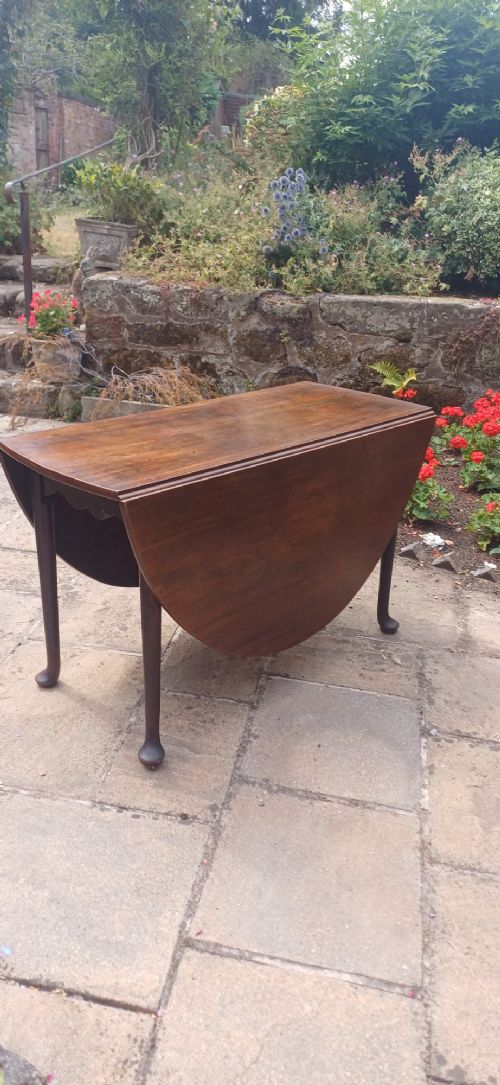
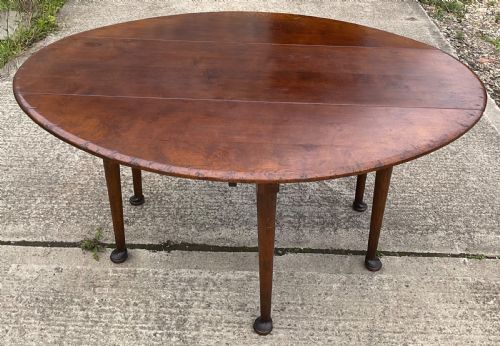
The selection spans early eighteenth-century George I and George II designs through to George III and later nineteenth-century interpretations. Variations include spider leg tea tables, Pembroke tables, and large oval dining formats.
Revival pieces from the Edwardian era also replicate these earlier forms. Each style reflects the prevailing aesthetic preferences of its specific decade of manufacture.