
Georgian Mahogany Dressing Table
A georgian mahogany dressing table offers timeless utility and rich timber grain, drawing collectors seeking period elegance for the bedroom.
What They Are
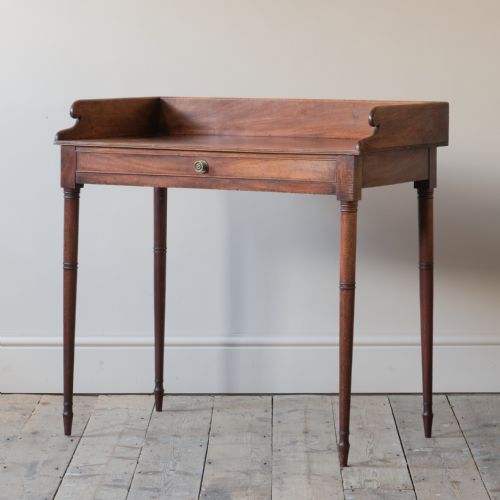
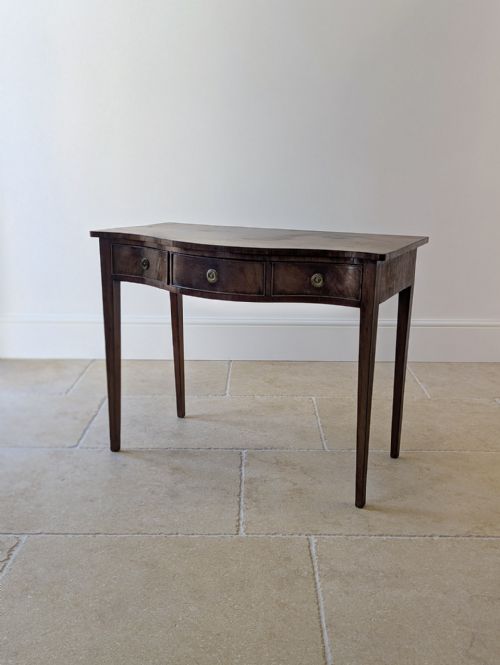
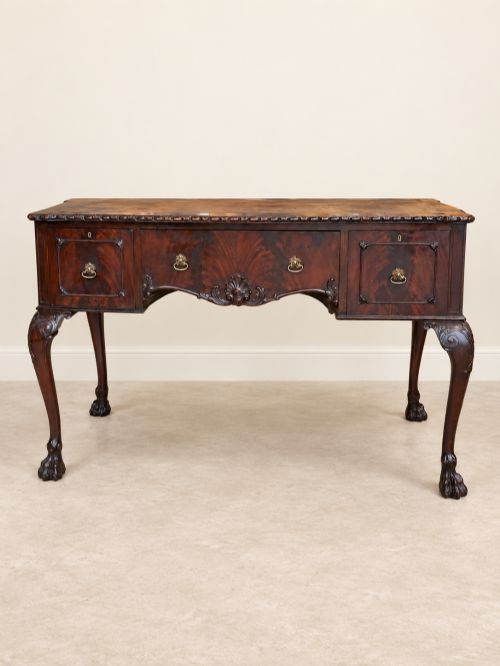
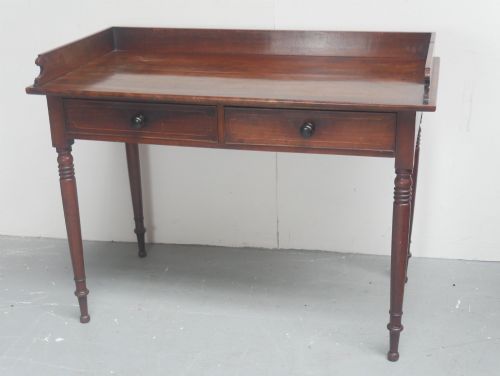
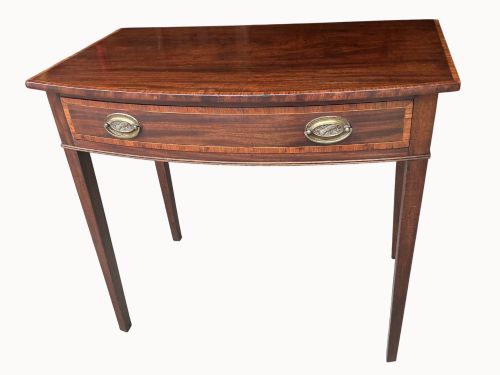
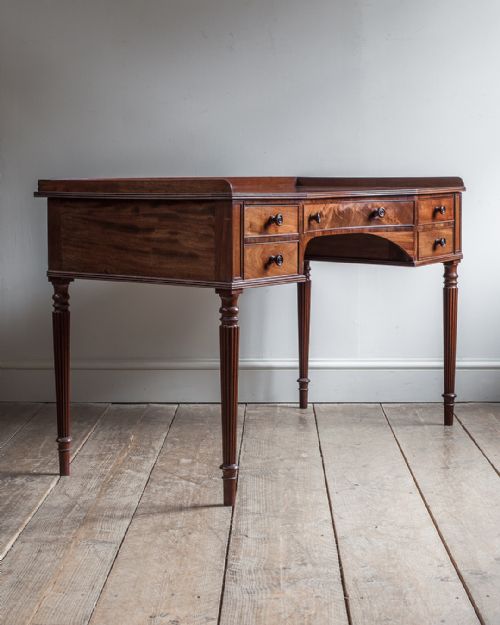
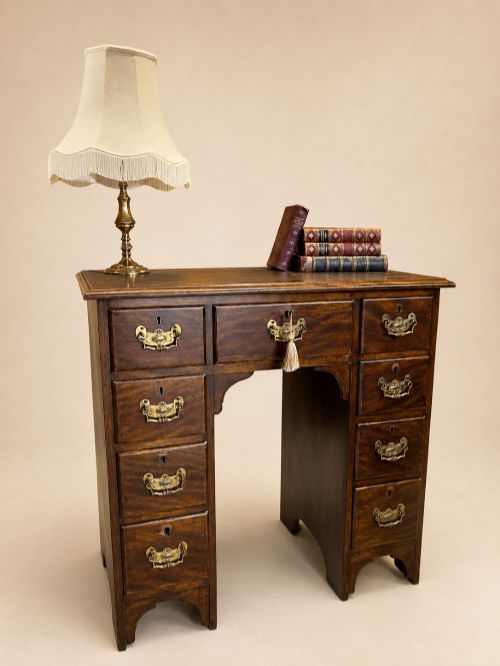
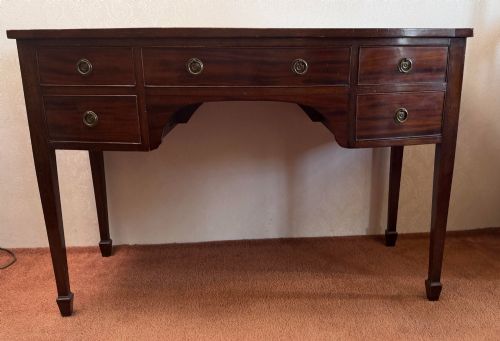
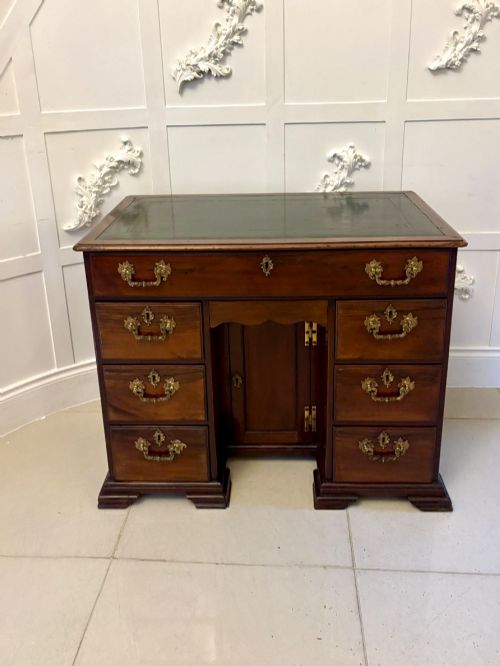
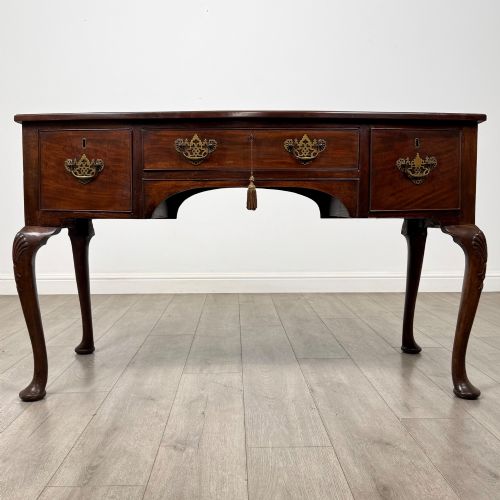
A georgian mahogany dressing table spans versatile forms from the 18th century through the 19th century, including lowboys, kneehole desks, and bowfront chests designed for personal grooming and writing.
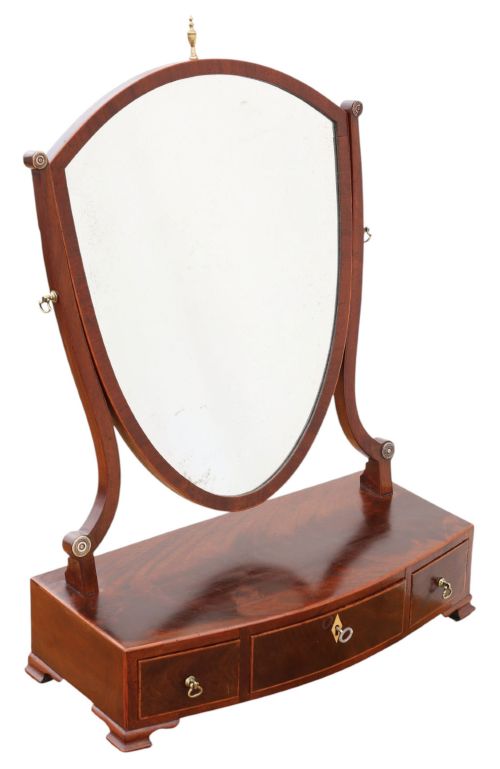
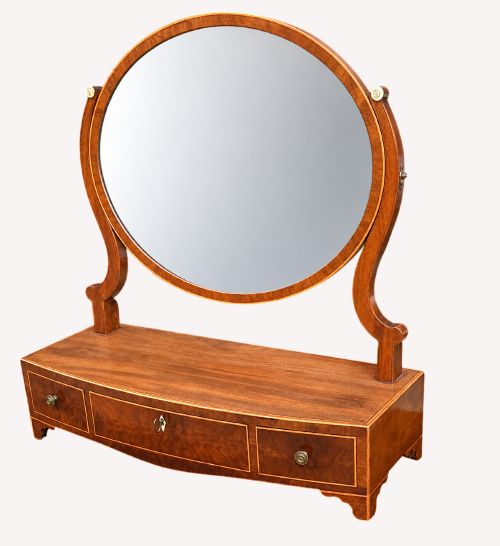
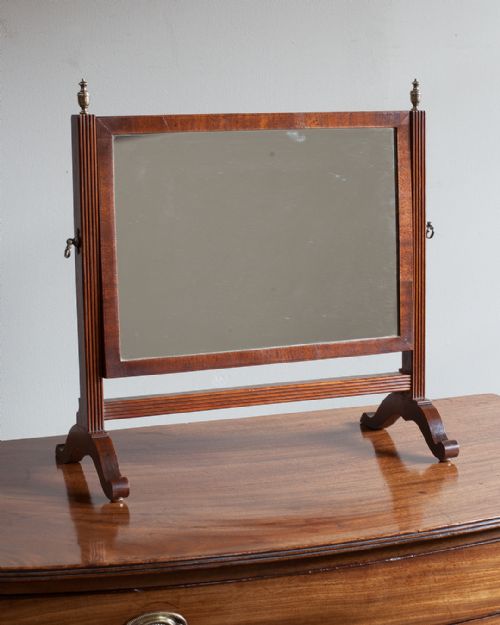
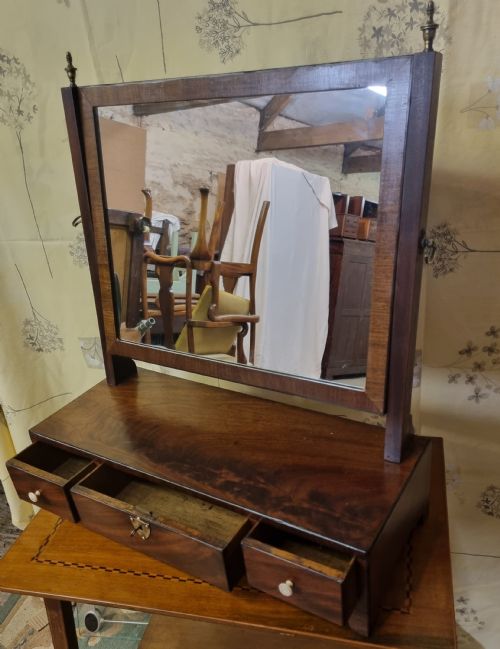
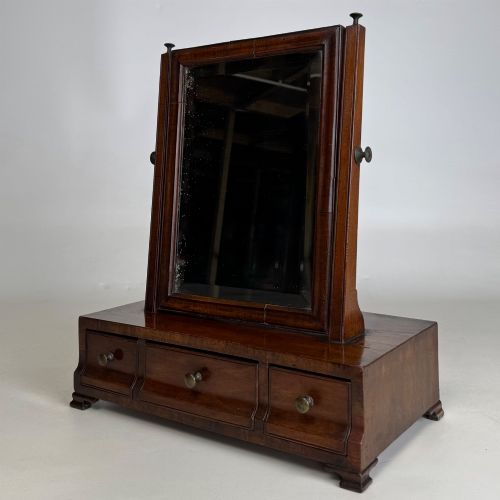
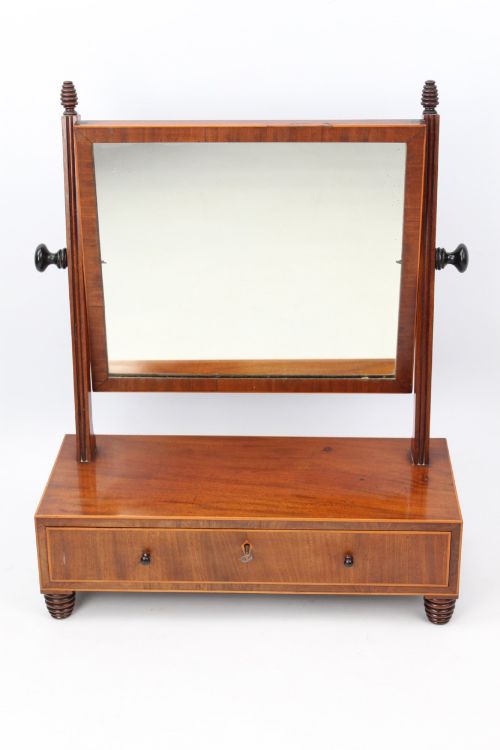
Makers of this era produced specialised pieces such as gentleman's cabinets, side tables, and dressing mirrors featuring shield-shaped or oval plates.
Examples on this page reflect styles from George II and George III Hepplewhite periods, utilising classic woods like satinwood alongside primary mahogany.
How They Were Made
Craftsmen utilised solid mahogany and wood veneer, frequently incorporating satinwood and intricate wood inlay or marquetry details across drawer fronts and table tops.
Functional hardware relied on cast brass handles and gilt mounts, while seating additions involved matching fabric upholstery on chairs and stools.
Retail Price Guide 2026
Typical UK retail prices for georgian mahogany dressing table, calculated from the Sellingantiques database of over a million retail prices indexed since 2003. This retail price guide relies exclusively on Sellingantiques data; no external sources or auction records are used, so the figures do not describe the wider market.
Listings feature items built from mahogany, satinwood, and brass, spanning the 18th and 19th centuries in styles from George II to Regency.
What Varies in Quality
The degree of refinement rests on the choice of timber figure, such as flame mahogany, and the precision of decorative wood inlay.
Structural complexity, from simple lowboys to elaborate kneehole desks with fitted compartments, distinguishes standard utilitarian pieces from exceptional examples.
Gillows
The Georgian Mahogany Dressing Table Glossary
- Lowboy
- A small side table with drawers, frequently utilised as a dressing table during the 18th century.
- Kneehole desk
- A writing or dressing table featuring a central recessed space for the legs, flanked by pedestals of small drawers.
- Bowfront
- A convex curved front contour popular on late Georgian side tables and dressing pieces.
- Marquetry
- Decorative veneer patterns formed by fitting together small pieces of coloured wood and other materials.
Frequently Asked Questions
What is a georgian mahogany dressing table used for?
These pieces served historical functions for grooming, washing, and writing, equipped with drawers for cosmetics and personal items.
Modern buyers often utilise them as compact desks or decorative console tables in bedrooms and hallways.
How do I identify an 18th century piece?
Examination of timber density, hand-cut dovetail joints in the drawers, and traditional polish methods help determine the manufacturing period.
Stylistic cues like George II proportions or Hepplewhite inlay patterns further distinguish genuine Georgian production from later reproductions.
Did these tables come with mirrors?
Many dressing tables were paired with separate swing mirrors, often featuring shield-shaped or oval glass plates supported by upright frames.
Surviving examples occasionally retain original brass handle hardware and pivoting brackets.
How do I care for mahogany furniture?
Maintenance requires keeping timber away from direct heat sources and strong sunlight to prevent the mahogany and veneer from drying out.
Occasional dusting with a soft, dry cloth preserves the natural sheen of the polished wood surface.