
Georgian Landscape Art
Georgian landscape art captures the pastoral views, rustic figures and classical ruins recorded by artists across the eighteenth and nineteenth centuries.
Georgian Landscape Art
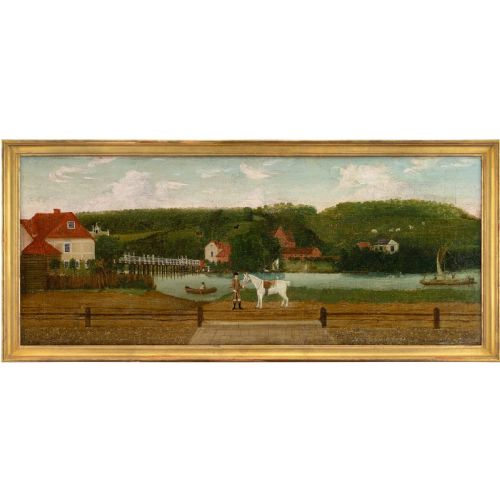
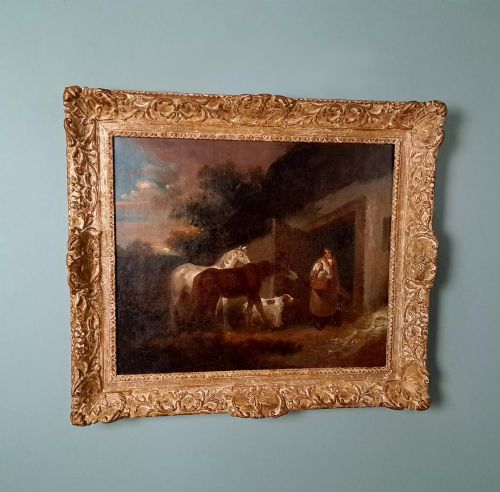
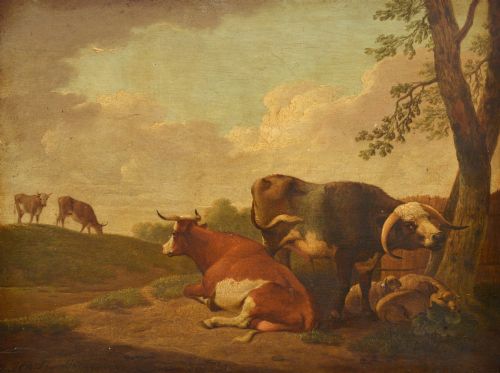
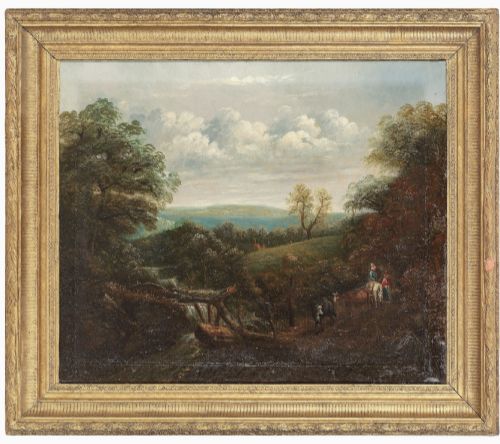
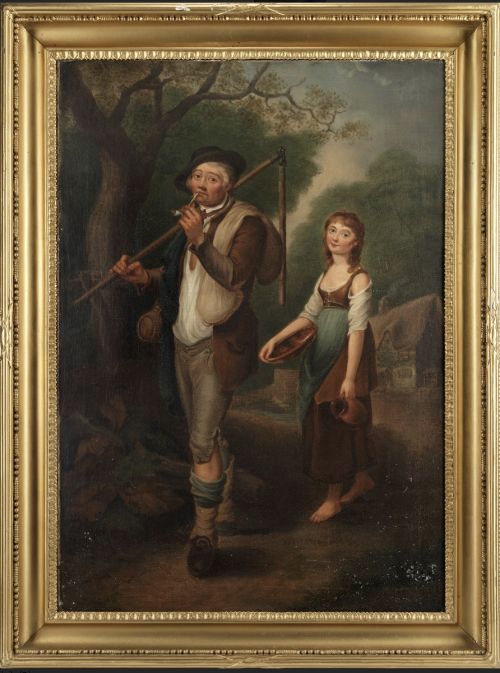
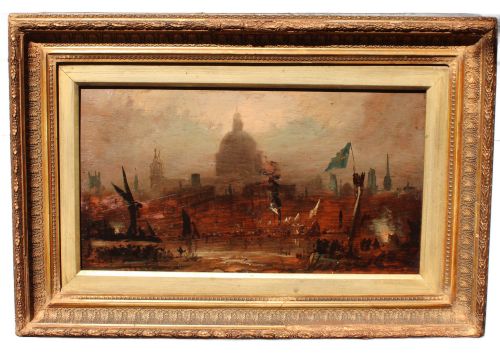
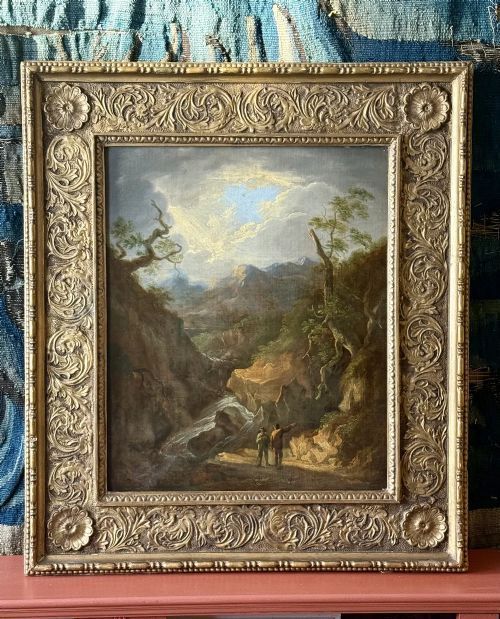
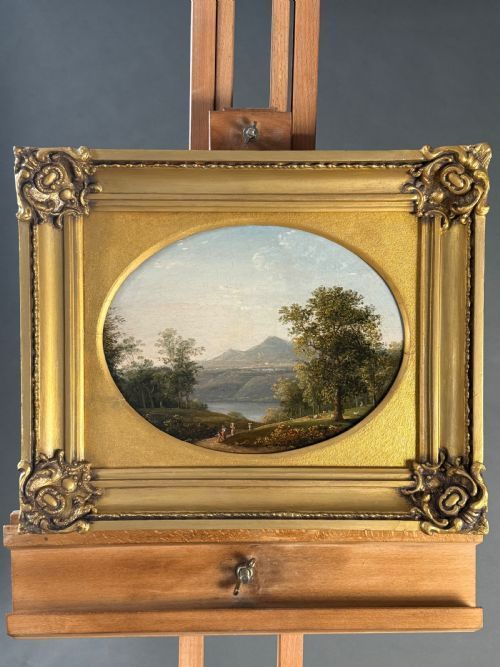
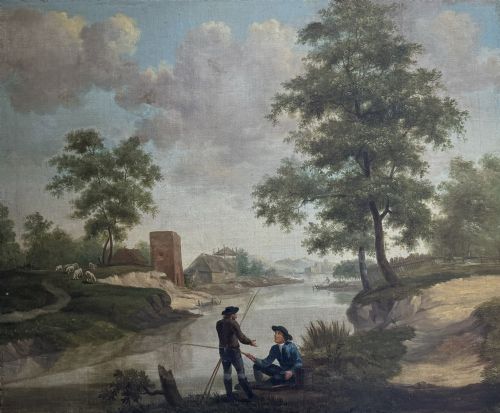
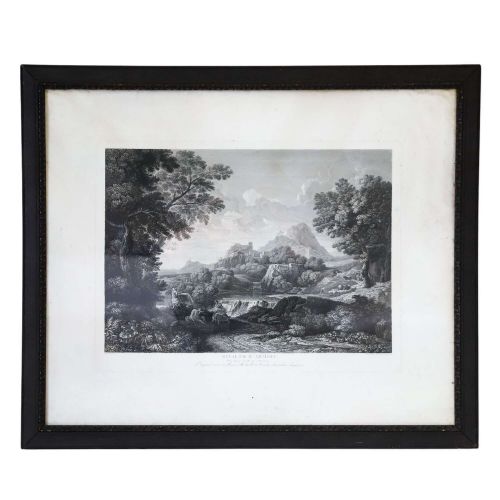
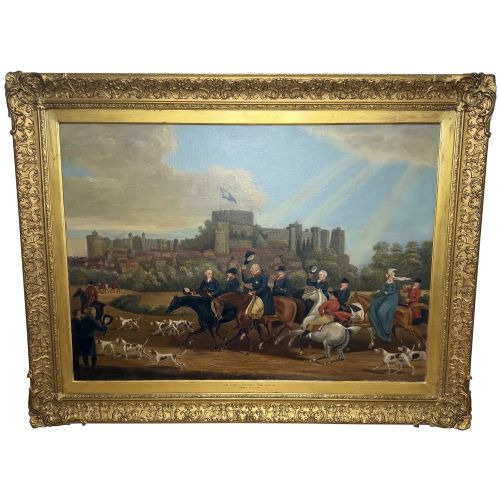
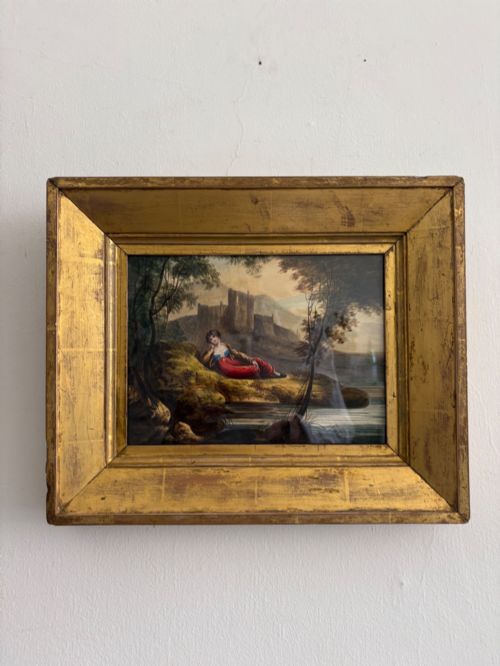
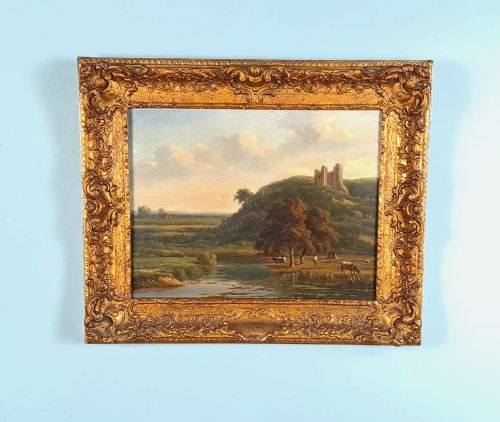
Georgian landscape art encompasses framed oil paintings, watercolours, pen and ink drawings and needlework pictures produced during the eighteenth and nineteenth centuries. Buyers searching this phrase encounter pastoral scenes, coastal views, river landscapes and topographical works reflecting Romanticism, Neoclassical influences and the Norwich School. Most examples on this page date from the Georgian, Regency and early Victorian periods, capturing rural estates, figures by rivers and classical ruins.
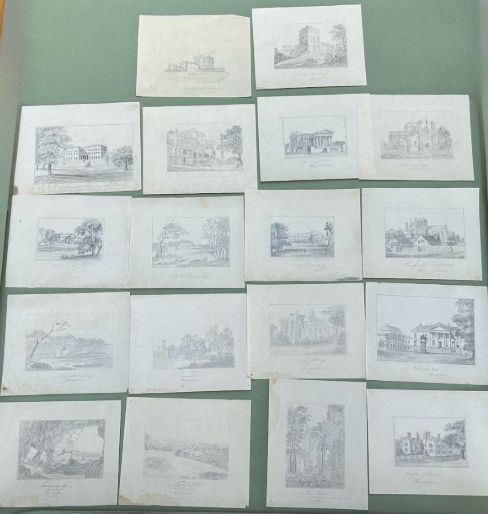
The selection ranges from expansive country house oil paintings on canvas to intimate pencil sketches and engravings housed in original frames. Works frequently depict British countryside scenes alongside Italianate landscapes inspired by the Grand Tour. These pieces offer a direct window into historical topography and the changing aesthetic of the rural environment.
How they were made
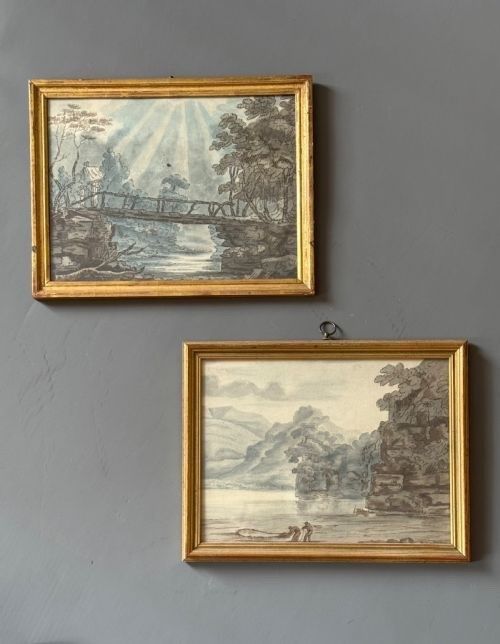
Artists painted primarily using oil on canvas or board, applying pigments that often developed a rich craquelure over the centuries. Drawings and watercolours utilised paper supported by ink, pencil or coloured washes to capture fine topographical detail. Many works survive within their original giltwood and gesso frames, occasionally augmented with gold leaf highlights.
Canvas supports sometimes required conservation, leading to historical interventions such as canvases laid down onto board to ensure structural stability. Needlework pictures and enamel plaques introduced alternative media, translating traditional landscape subjects into textiles and fired glass or metal.
Several landscapes include tiny livestock and wandering figures painted with such miniature precision that they appear entirely unbothered by approaching storms.
What varies in quality
The distinction between standard works and exceptional pieces lies in the fluidity of brushwork, the handling of atmospheric light and the precision of compositional depth. Master works display confident draughtsmanship and sophisticated tonal balance, whereas more naive or provincial pieces exhibit rigid lines and simpler perspectives.
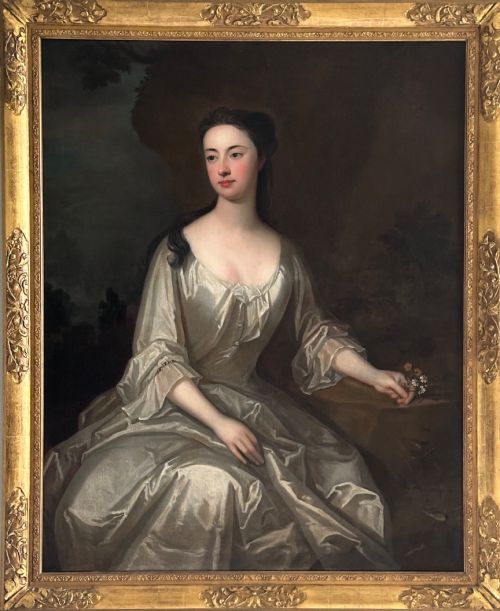
Framing contributes significantly to the overall integrity of a piece, with original period giltwood frames enhancing the visual presence of the artwork. The clarity of the medium, the stability of the support and the documented attribution to named schools or circles further elevate the standing of individual examples.
William Joseph Shayer Senior·Hendrik Willem Schweickhardt·Thomas Barker of Bath·Benjamin Barker of Bath·Jacob Philipp Hackert·Adriana Verelst·T C Hofland·George Morland·John Sanderson Wells·John Hamilton Mortimer·Giovanni Paolo Panini·Edward Dayes·J Laporte
The Georgian Landscape Art Glossary
- Grand Tour
- A cultural journey undertaken by wealthy young Europeans through France and Italy, which heavily influenced landscape subject matter and taste. Collectors prize works that record these classical ruins and Mediterranean vistas.
- Norwich School
- The first provincial art movement in Britain, centred around East Anglia and dedicated to painting local scenery and rural life. Artists in this circle drew inspiration directly from Dutch landscape traditions and surrounding countryside.
- Giltwood
- Wood that has been coated with a thin layer of gold leaf or gold paint, commonly used for framing fine paintings. Original frames of this type contribute historical context to the artwork they enclose.
- Provvenance
- The documented history of ownership of an object, tracing its lineage from creation to the present day. Clear attribution to specific schools or named followers strengthens the historical value of a painting.
Georgian Landscape Art: Frequently Asked Questions
What defines Georgian landscape art?
Georgian landscape art encompasses paintings, watercolours and drawings created during the eighteenth and early nineteenth centuries that depict natural scenery, rural life and classical ruins.
These works reflect artistic movements such as Romanticism and Neoclassical traditions, recording both idealized vistas and identifiable British or European topography.
How should I care for an antique oil painting?
Antique oil paintings require stable environmental conditions away from direct sunlight, excessive heat and sudden humidity changes to protect the canvas and pigments.
Dusting should be performed gently with a soft, dry brush, avoiding water or chemical cleaners that might damage the historical surface or varnish.
Are watercolours and drawings fragile?
Works on paper are sensitive to light and moisture, meaning they must be displayed away from direct sun exposure and framed behind protective glass.
Proper conservation mounting prevents acidic materials from touching the paper, ensuring the ink and watercolour pigments remain stable over time.
How do I identify the period of a landscape?
Dating relies on examining the artistic style, framing materials, framing construction techniques and any signatures or inscriptions recorded on the reverse of the canvas or board.
Comparing the handling of light, brushwork and costume details of any included figures against documented regional schools helps narrow the timeframe.