




British Topographical Watercolour
British topographical watercolour paintings capture landscapes and cityscapes with paper, pigment, and glass.
British Topographical Watercolour
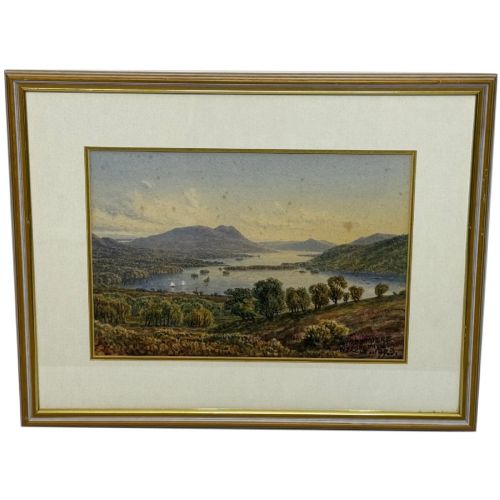
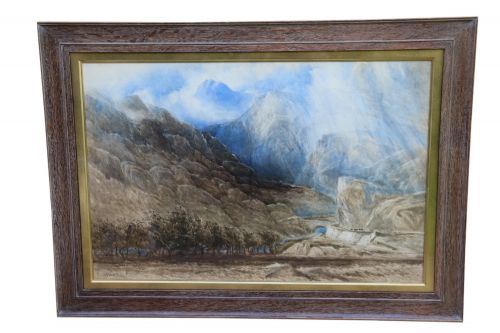
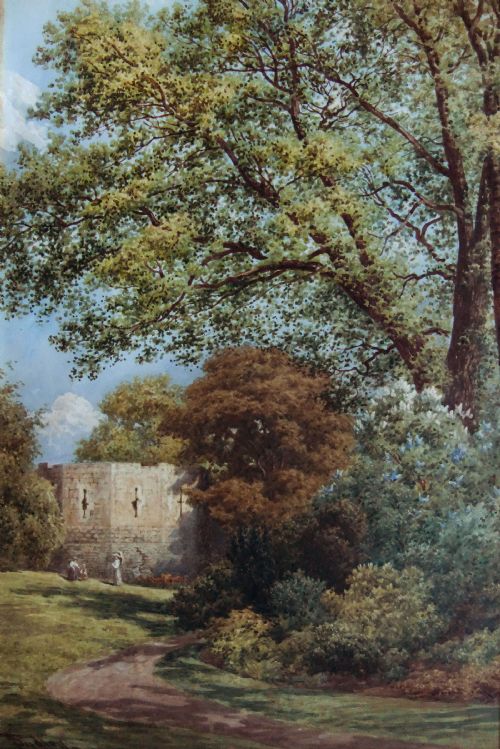
A british topographical watercolour records specific views of buildings, rivers, and mountains across the British landscape. These works function as historical visual records created on paper with watercolour pigment, often framed behind glass in wood or gilt frames.
The pieces on this page span from the nineteenth century into the twentieth century, encompassing Georgian, Victorian, and Edwardian periods. Buyers encounter coastal scenes, northern rivers, and London landmarks like Westminster Bridge and the Houses of Parliament.
Makers and artists range from named professionals such as Henry Martin Pope, Claude Muncaster, and William Taylor Longmire to regional painters working within British Realism and Impressionism. Most examples depict identifiable locations across England, Wales, and Yorkshire.
Materials and Techniques
Artists applied watercolour pigment directly onto paper sheets, utilising the white of the paper to create highlights and luminous sky effects. This transparent medium required swift brushwork and careful planning since errors could not easily be painted over.
Finished watercolours were protected behind glass and housed within wooden frames, sometimes enhanced with gilt or oak mouldings. These traditional mountings preserved the delicate paper works from atmospheric moisture and handling damage.
Listings feature works created on paper using watercolour pigment, housed in wood, oak, and gilt frames from the nineteenth and twentieth centuries.
Assessing Quality
The strength of the composition and the precision of architectural or topographical detail separate accomplished works from routine sketches. Superior pieces demonstrate confident handling of light, atmospheric perspective, and accurate proportions within landscapes and cityscapes.
The preservation of the paper and the vibrancy of the original watercolour pigment influence the visual impact of each piece. Surviving examples that retain their original gilt wood frames and clear artist attribution command greater interest.
Henry Martin Pope·Claude Muncaster·William Taylor Longmire·Herbert John Finn·Tom Dudley
The British Topographical Watercolour Glossary
- Topographical watercolour
- A painting that depicts a specific real place, building, or landscape with accuracy. These works served to document towns, rivers, and architectural landmarks before the widespread use of photography.
- Watercolour pigment
- A colorant mixed with a water-soluble binder, applied to paper with brushes. It creates transparent washes that allow light to reflect through from the paper surface.
- Gilt wood
- Wood framing treated with a thin layer of gold leaf or metallic gilt. This finish adds a reflective border that complements the tones within the watercolour.
- British Realism
- An artistic approach focusing on straightforward, unidealised representations of everyday subjects and locations. Works in this style record local scenery without theatrical exaggeration.
British Topographical Watercolour: Frequently Asked Questions
What is a topographical watercolour?
A topographical watercolour is a painting that depicts a recognisable real-world location, such as a specific town, river, or building. Artists recorded these precise views on paper using water-soluble pigments.
These works functioned as visual records of British landscapes and cityscapes before photography became common. Today they appeal to collectors interested in local history and traditional painting techniques.
How old are these watercolours?
The works on this page date from the Georgian and Victorian eras through to the mid-twentieth century. The selection includes pieces created during the nineteenth century alongside Edwardian and later twentieth-century examples.
Dates are often indicated by the artist's active period or specific inscriptions on the mount or backing. Each piece reflects the artistic style of its particular decade.
How should I frame and display them?
Topographical watercolours require protection behind glass to prevent dust and moisture from damaging the paper surface. Acid-free mounts keep the paper from touching the glass directly.
Display these paintings away from direct sunlight to prevent the watercolour pigments from fading over time. Stable indoor humidity helps preserve both the paper and the wooden or gilt frames.