




Monochrome Wash Drawing
A monochrome wash drawing offers tonal depth through single-colour ink and pigment, capturing light and shadow on paper across centuries of British artistry.
Monochrome Wash Drawing
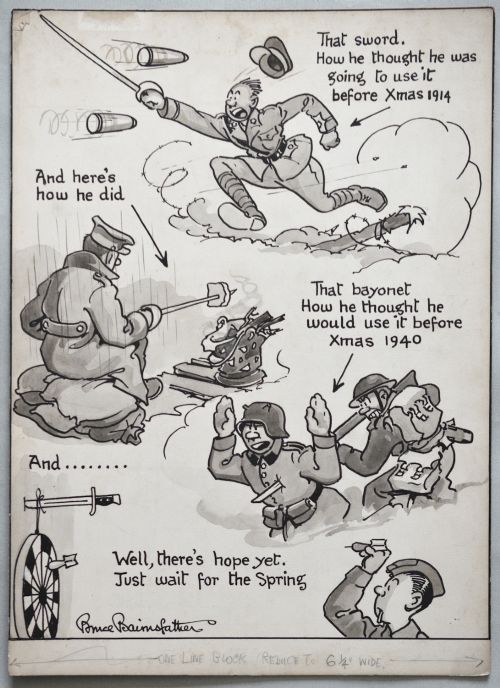
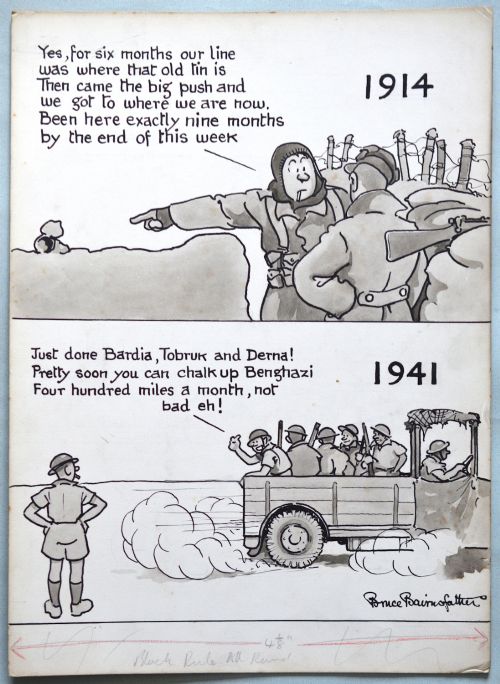
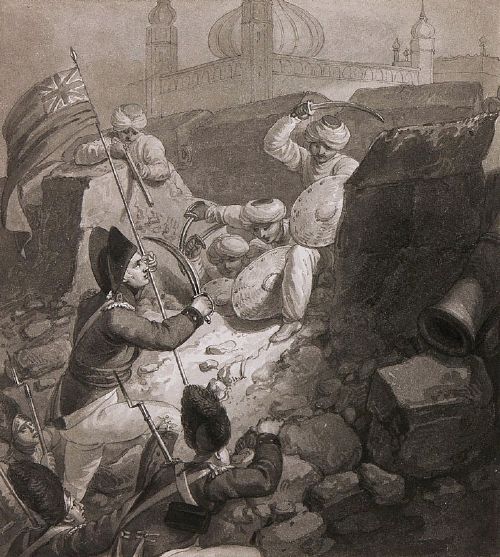
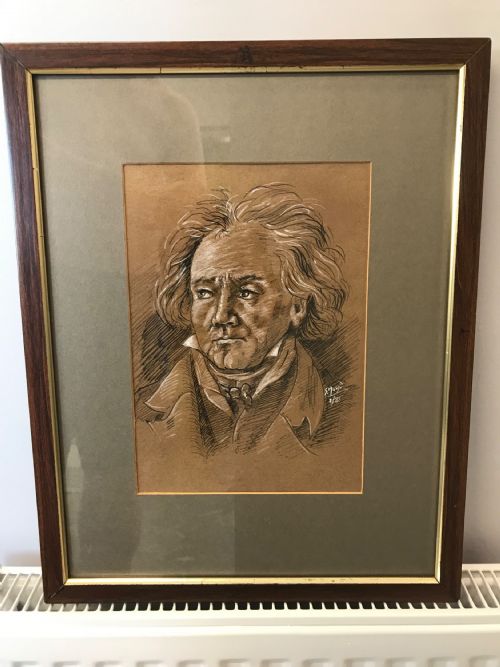
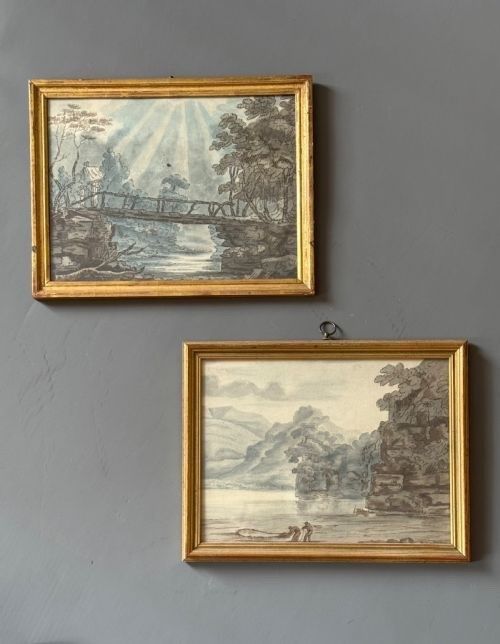
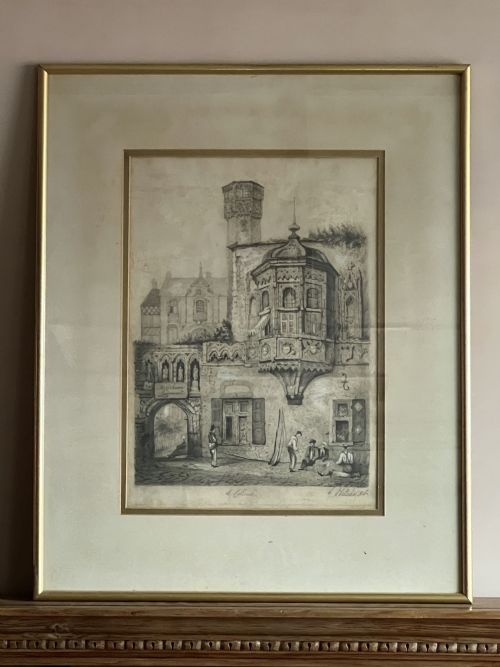
A monochrome wash drawing is an original artwork executed on paper, utilising a single colour of ink or pigment diluted with water to create varying depths of tone and shadow. When you explore this selection, you encounter works ranging from eighteenth-century topographical landscapes and battle scenes to twentieth-century satirical illustration and character studies.
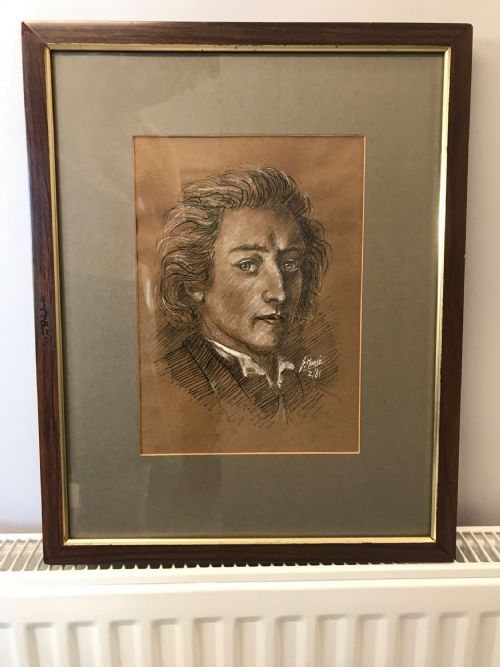
The pieces on this page span several distinct periods, including eighteenth-century Georgian works, nineteenth-century pastoral and realist pieces, Edwardian portraits, and mid-twentieth-century examples. You will find landscapes, architectural views such as the English Lake District, and figure studies rendered in pen, ink, pencil, and wash.
The dominant forms present are original framed drawings, wall art, and watercolour paintings that rely on monochrome or sepia palettes. These works bridge the gap between preliminary sketches and finished independent pictures, often serving as direct records of historical scenes, topography, or imaginative composition.
Materials and technique
These works are created on paper using ink, pencil, and wash, occasionally augmented with gouache for highlights. Artists apply fluid pigment with a brush to build transparent layers of tone, establishing shadows and volume beneath or over linear ink frameworks.
Framing materials include wood and glass, which protect the fragile paper supports from atmospheric moisture and handling. The combination of pen lines with diluted ink or watercolour wash allows for rapid execution alongside controlled tonal graduation.
Battle scenes and serene lakes share the same ink pot, proving that a soldier's bayonet and a quiet river are drawn with identical diligence.
Distinctions in quality
The quality of a monochrome wash drawing rests upon the surety of the initial line and the control of the tonal wash. Superior examples demonstrate a confident handling of pigment where diluted ink flows naturally to describe form and light without muddying the paper support.
Provenance and attribution also define the standing of a piece, with works by documented artists or firmly attributed makers commanding greater attention. The preservation of the paper, the subtlety of the sepia or ink gradations, and the vitality of the original brushwork separate accomplished compositions from routine sketches.
Bruce Bairnsfather·William Marshall Craig·Charles Prosper Sainton·Fred Lawson·Thomas Lound
The Monochrome Wash Drawing Glossary
- Wash
- A technique where ink or watercolour is diluted with water to create a semi-transparent layer of uniform colour or gradual tone. It provides the shadows and atmospheric depth in these drawings.
- Gouache
- An opaque water-based paint often used alongside ink and wash to add bright highlights and crisp details. It sits on the surface of the paper rather than sinking in like a transparent wash.
- Topographical
- Pertaining to the accurate depiction of specific places, buildings, or landscapes. Many eighteenth and nineteenth-century works focus on recorded locations.
- Sepia
- A brown pigment historically derived from the ink sac of the cuttlefish, frequently utilised for monochrome drawings during the Georgian and nineteenth-century periods.
Monochrome Wash Drawing: Frequently Asked Questions
What is a monochrome wash drawing?
A monochrome wash drawing is a work on paper created using a single colour of ink, water, or pigment to build up light and shade.
Artists use this method to capture form and atmosphere quickly and effectively, relying on fluid dilution rather than a full spectrum of hues.
How should I frame and display these drawings?
These works require framing behind glass with acid-free mounts to protect the delicate paper and water-based pigments from environmental damage.
Keep them away from direct sunlight to prevent the ink and paper from fading over time.
How do I identify the period of a drawing?
Period identification relies on the paper type, framing style, costume details in figures, and the characteristic handling of ink and wash by specific eras.
Georgian and eighteenth-century works often display specific topographical interests, while twentieth-century examples show different illustrative techniques.
Are these works original or printed?
The pieces listed are original hand-drawn and painted works executed directly onto paper by the artist's hand.
Close inspection reveals brush strokes, ink pooling, and pencil guidelines distinct from mechanical reproduction.