






Georgian Knopped Stem Glass
A georgian knopped stem glass brings the substantial weight and tactile form of eighteenth-century drinking vessels directly to the table.
Georgian Knopped Stem Glass
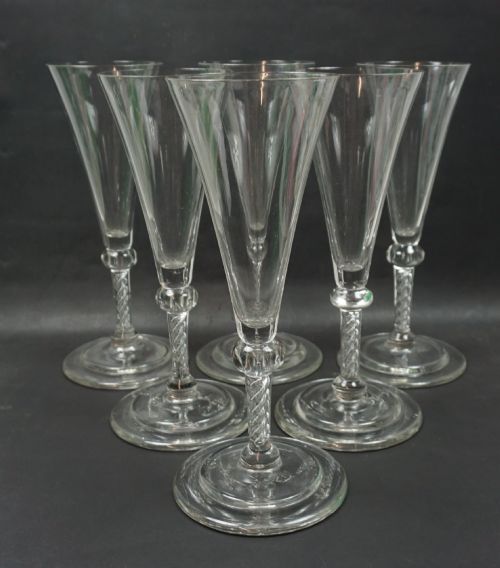
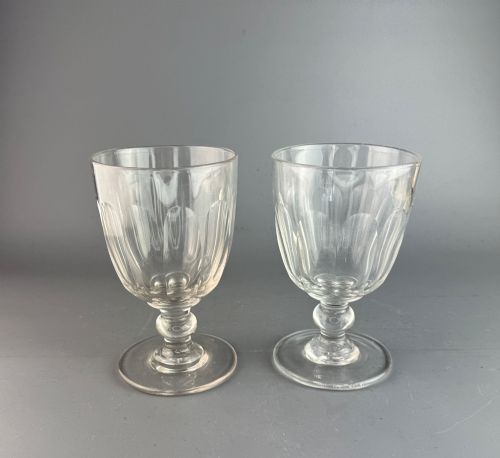
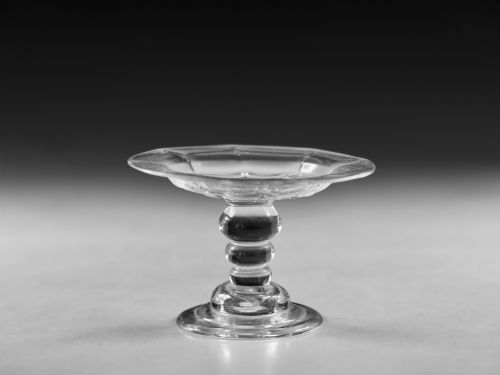
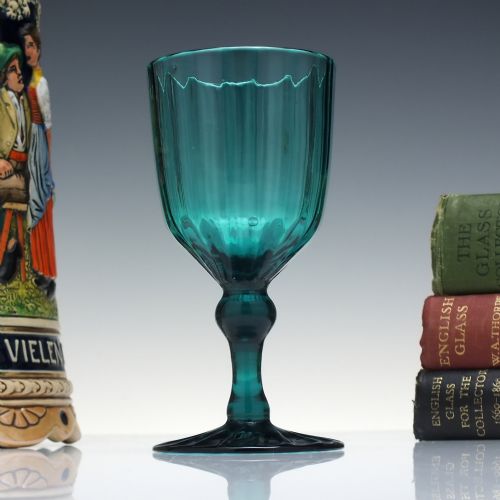
A georgian knopped stem glass represents a distinct chapter in drinking vessels, typically appearing as wine glasses, rummers, and patch stands produced during the eighteenth century and the Georgian period. These pieces feature prominent swelling nodes along the stem, ranging from single formations to multiple tiered arrangements that alter the silhouette.
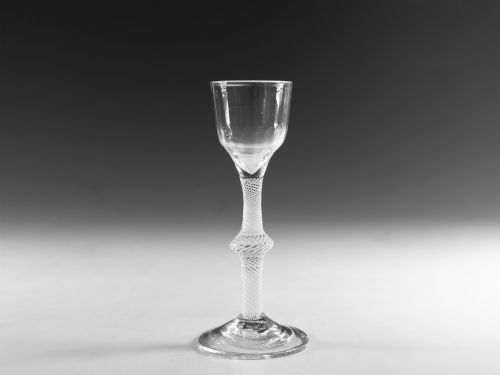
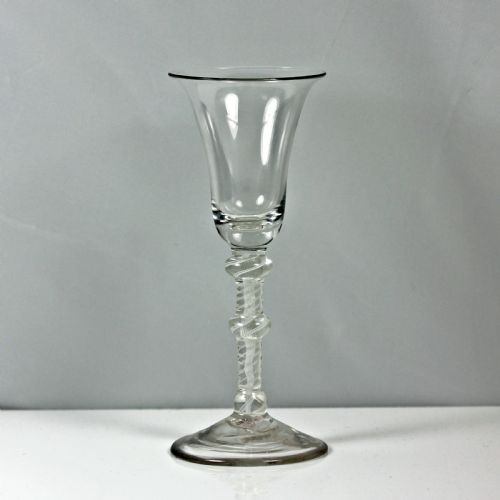
While the majority originate from the eighteenth century, variations stretch from early examples through to nineteenth-century interpretations, alongside later revivals. Buyers encounter forms with air twists, opaque twists, and heavy baluster profiles alongside the characteristic knopped structures.
Materials and Techniques
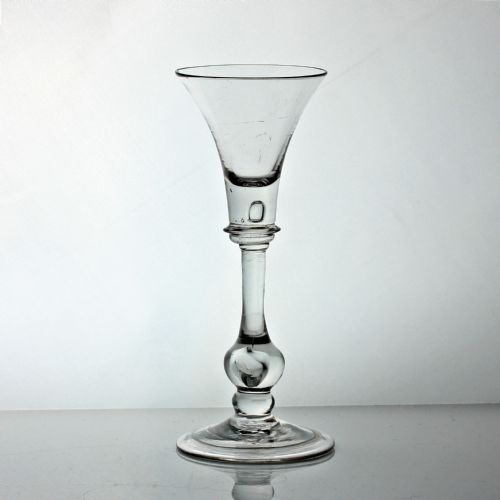
Makers utilised lead glass, clear lead crystal, and hand-blown glass to achieve the characteristic clarity and heft of these drinking vessels. The molten material allowed artisans to shape complex stems incorporating air bubbles, known as tears, within the glass body.
Surface ornamentation involved rib moulding, nut moulding, honeycomb moulding, and wheel engraving, sometimes paired with white enamel work. Stems were fashioned with distinct nodes or knops while the metal remained pliable, often combining twisted elements with solid glass portions.
Several glasses bear specific commemorative engravings, recording historic moments like the Ducal Union or private friendships in permanent glass.
Distinctions in Execution
Quality rests upon the proportion and balance of the knopped stem relative to the bowl and foot, alongside the clarity of the lead crystal. Complex formations like multiple knops or intricate twist stems demand advanced glassmaking skill compared to plain structural nodes.
Engraved decoration introduces another tier of distinction, where armorial motifs, commemorative inscriptions, or detailed floral patterns elevate the piece beyond plain utility. The crispness of the wheel cut and the symmetry of moulded patterns separate standard forms from exceptional examples.
The Georgian Knopped Stem Glass Glossary
- Knop
- A swelling knob or node on the stem of a glass. This thickened portion provides a secure grip and adds distinct visual weight to the profile.
- Baluster
- A heavy, swelling stem form inspired by architectural pillars. These early eighteenth-century stems often feature prominent knops and substantial weight.
- Air Twist
- A spiral thread of elongated air bubbles trapped inside the stem. Makers produced this effect by drawing and twisting heated glass rods.
- Opaque Twist
- A white enamel thread or strands enclosed within a clear glass stem. These threads form intricate spiral patterns running down the shaft.
- Rummer
- A large, substantial drinking glass used for wine or punch. They typically feature thick bowls and sturdy stems suited for communal toasts.
Georgian Knopped Stem Glass: Frequently Asked Questions
How do I identify a knopped stem?
Look for the distinct bulbous nodes or swellings positioned along the vertical shaft between the bowl and the foot. These nodes can appear singly or in stacked sequences of three or four.
They alter the tactile feel and visual rhythm of the stem, distinguishing these pieces from straight or tapered wine glass profiles.
What is the difference between baluster and knopped glasses?
Baluster glasses represent a heavier, earlier style dominated by architectural stem forms and prominent swelling nodes. Knopped glasses specifically highlight the bulbous nodes themselves, which can be applied to air twist or opaque twist stems.
Many baluster stems incorporate knops, bridging the two stylistic categories.
Can I use these antique glasses for dining?
These drinking vessels were originally made for regular use, though their age and historic value prompt many collectors to handle them with care. Hand washing in warm water preserves the lead glass and any delicate wheel engraving.
Storing them securely away from edge hazards ensures they remain intact for special occasions.
How do air twists differ from opaque twists?
Air twists contain internal spiral threads formed entirely from elongated bubbles trapped within the clear glass metal. Opaque twists incorporate white enamel threads running through the stem to create a distinct, visible pattern.
Both techniques represent advanced eighteenth-century glassmaking skill.