




Antique Glass Collector Glassware
When you handle antique glass collector glassware, you hold centuries of refined craft in lead glass, enamel and cameo.
Antique Glass Collector Glassware
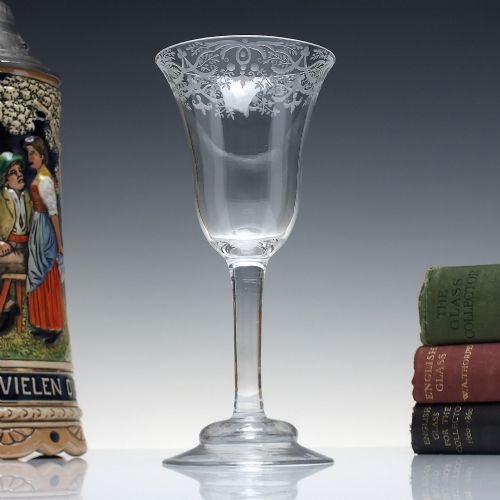
The antique glass collector glassware on this page spans Georgian drinking vessels and later decorative vases from the 18th century, 19th century and 1900 periods.
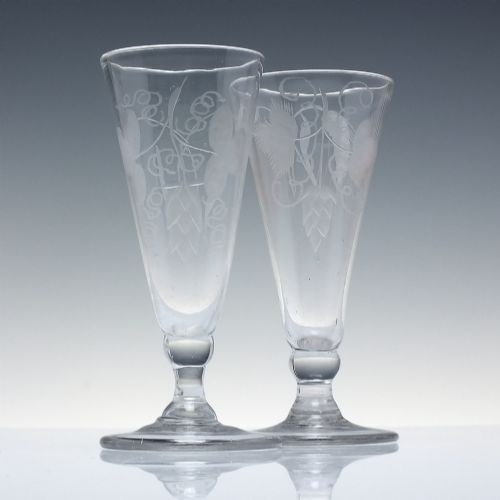
Buyers will encounter drinking glasses such as wine glasses, goblets, rummers, ratafia glasses and beer and ale glasses alongside vases and beakers.
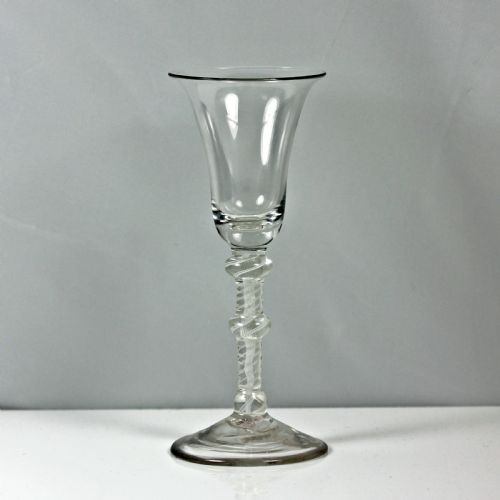
The earlier Georgian examples display classic stems like opaque twists and balustroids, whilst later items include Art Nouveau vases.
How they were made
These items are fashioned from lead glass, flint glass and lead crystal, shaped through hand-blowing and mould techniques.
Decoration is achieved through surface engraving, white enamel, coloured enamel, cameo glass techniques and iridescent finishes.
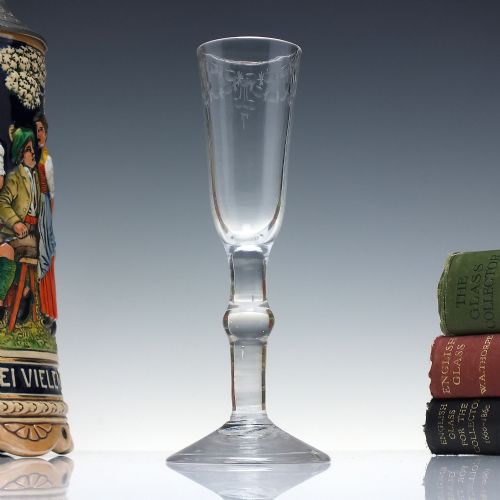
Some 18th-century drinkers clearly enjoyed their fortified ale, as dedicated beer and ale glasses survive alongside slender ratafia vessels.
What varies in quality
Quality rests in the precision of the stem formation, such as complex twist patterns or knops, and the clarity of the metal.
Artistry in the surface engraving and the depth of the cameo or enamel work separates standard production from finer examples.
Loetz·Fritz Heckert·Galle·Daum
The Antique Glass Collector Glassware Glossary
- Opaque twist
- A stem form containing white or coloured enamel threads twisted within the clear glass. This method became popular during the Georgian period.
- Balustroid
- A heavy, robust stem shape reminiscent of architectural balusters, often found on mid-18th century drinking vessels.
- Cameo glass
- A vessel created with multiple layers of coloured glass fused together and carved away to leave a raised design. It requires great skill from the glassmaker.
- Ratafia glass
- A tall, narrow drinking vessel designed for sweet fruit liqueurs. They date frequently to the 18th century.
- Jack in the Pulpit vase
- An organic, flared vase shape inspired by the flower of the same name. They are characteristic of the Art Nouveau period.
Antique Glass Collector Glassware: Frequently Asked Questions
How do I identify a Georgian wine glass?
Look closely at the stem formation, metal weight and bowl style. Georgian pieces frequently utilise lead glass with distinct twists or baluster shapes.
Check for pontil marks on the underside and hand-engraved details on the bowl to confirm the period.
How should I display Art Nouveau glass?
Position these vases where natural light can catch the iridescent surfaces or highlight the layered cameo carving. Avoid direct, intense sunlight that might stress delicate enamel.
Ensure they rest on stable, level surfaces away from busy edges due to their unique flared forms.
What distinguishes flint glass from lead glass?
Flint glass and lead glass both contain lead oxide, which gives the material a heavier feel and a bright ring when struck. Historically, the terms often overlap in British glassware.
Both materials allowed makers to cut and engrave deeper, sharper facets than standard soda glass.