
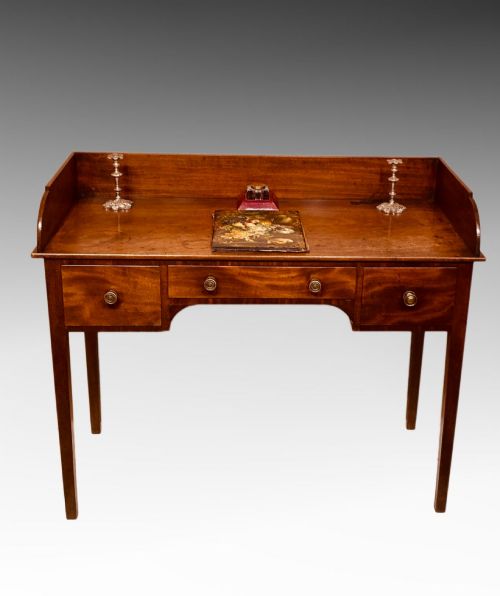
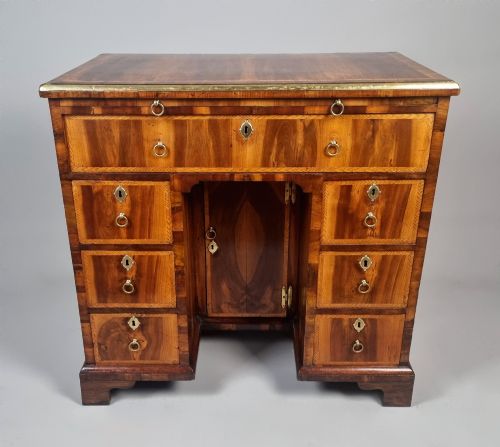
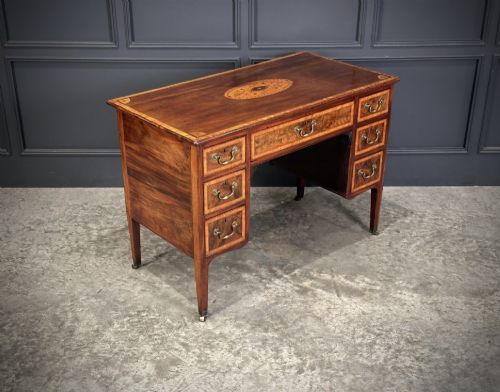
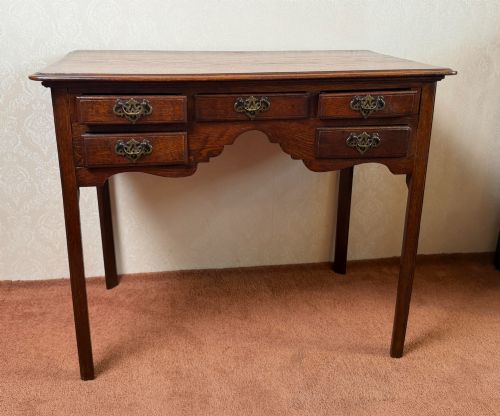
Georgian Kneehole Writing Desk
A georgian kneehole writing desk offers compact proportions and concealed storage, making it a practical centrepiece for study or writing.
Georgian Kneehole Writing Desk
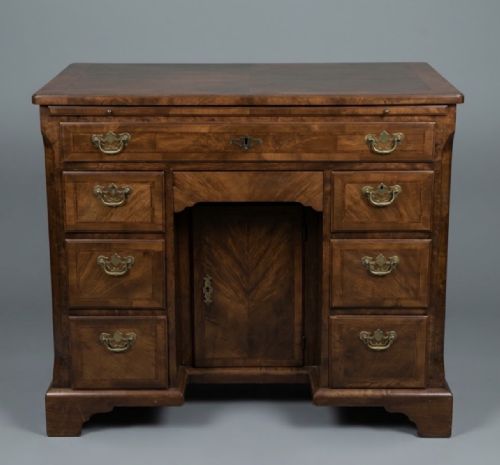
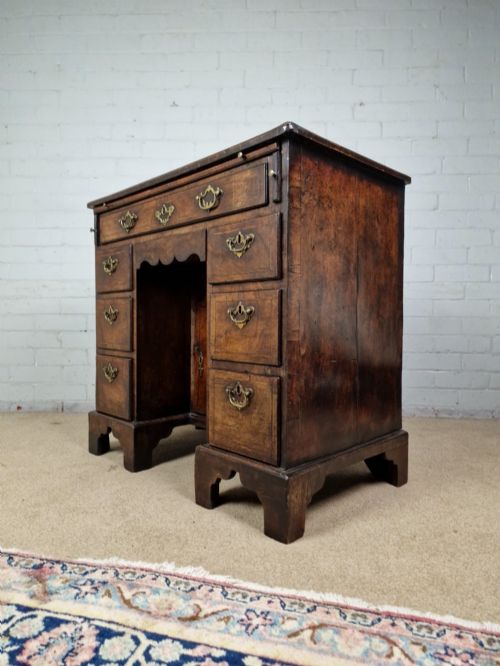
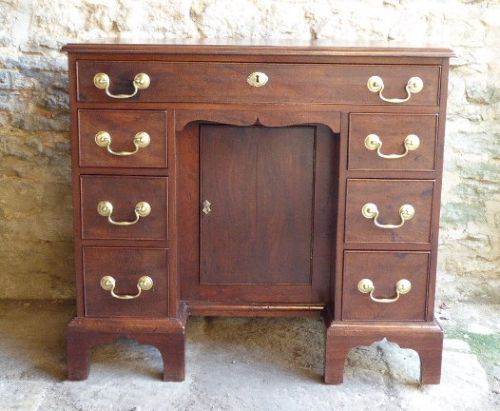
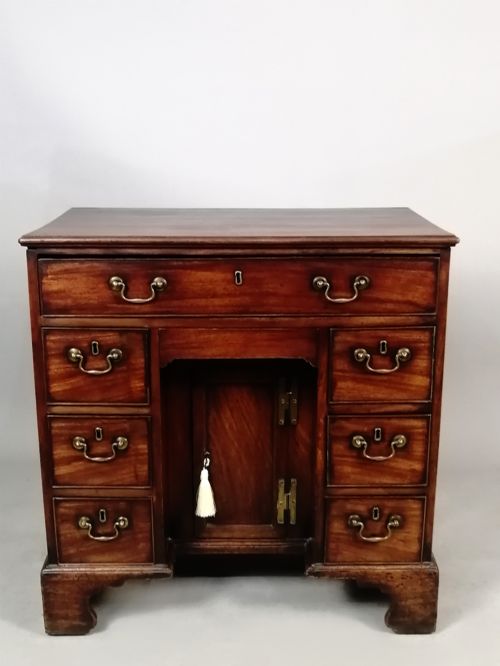
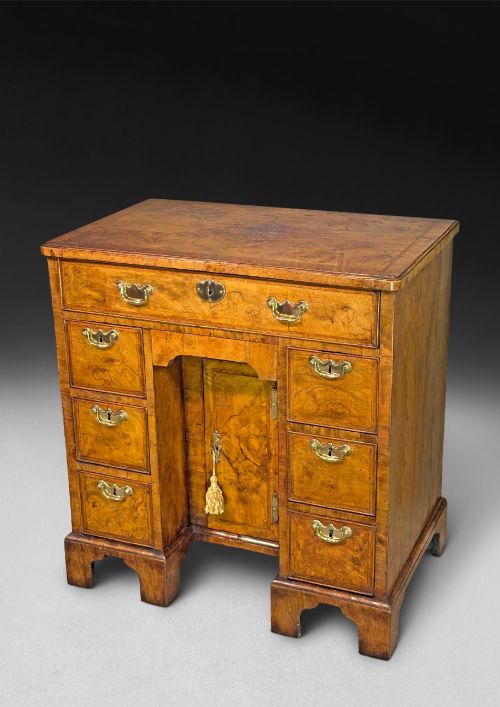
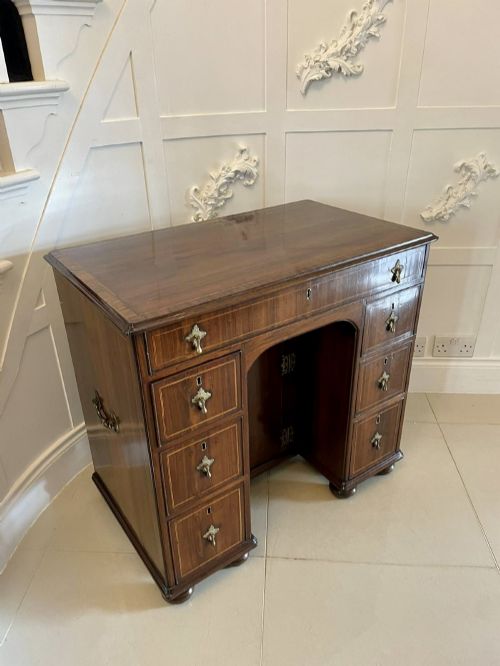
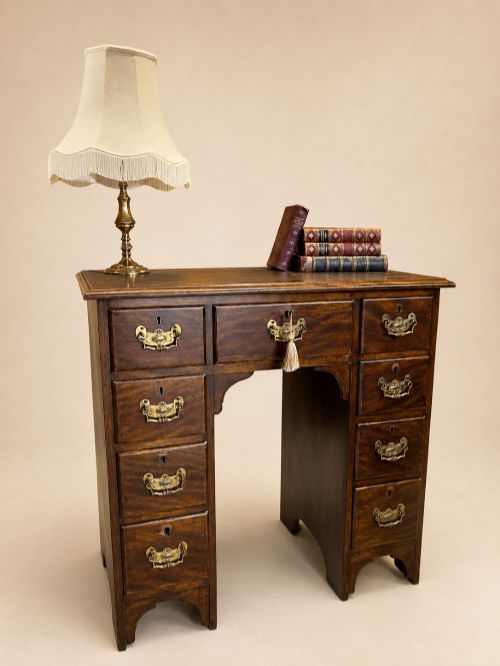
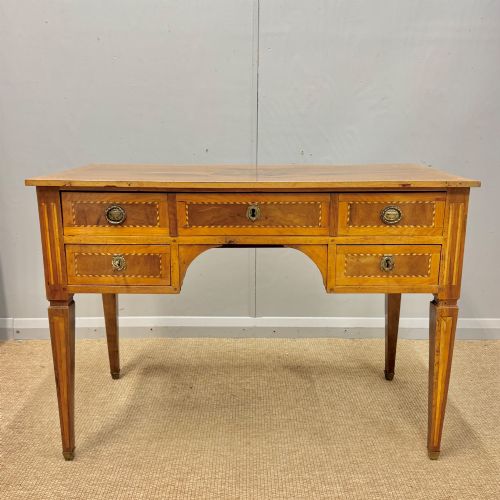
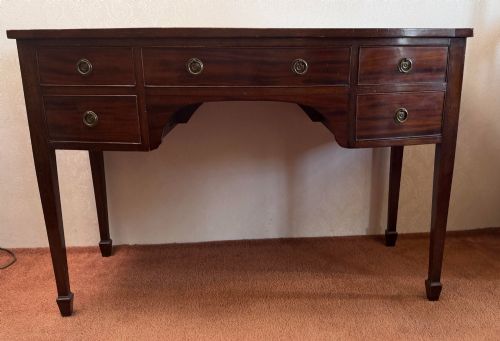
The georgian kneehole writing desk is typically defined by a central recess flanked by banks of smaller drawers, designed for seated writing and correspondence. These pieces span the eighteenth century and subsequent revival periods, appearing in mahogany, walnut, and oak.
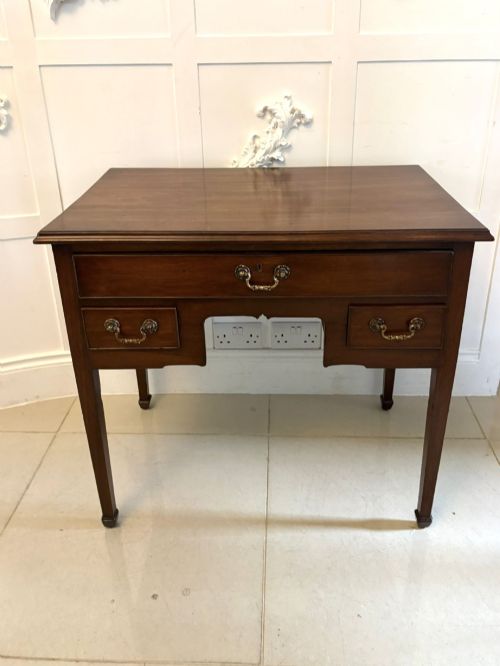
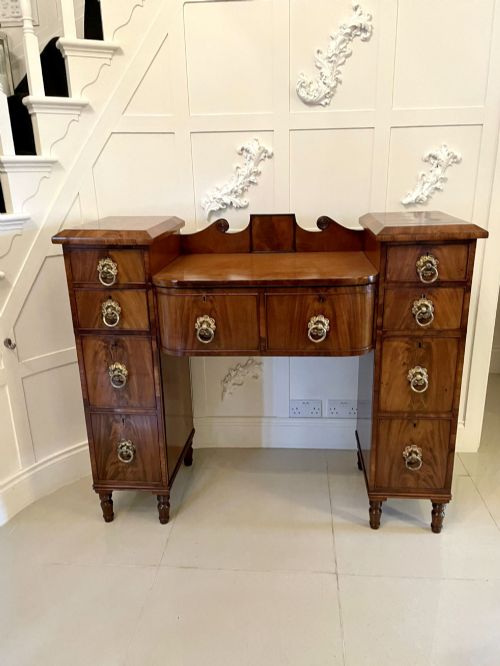
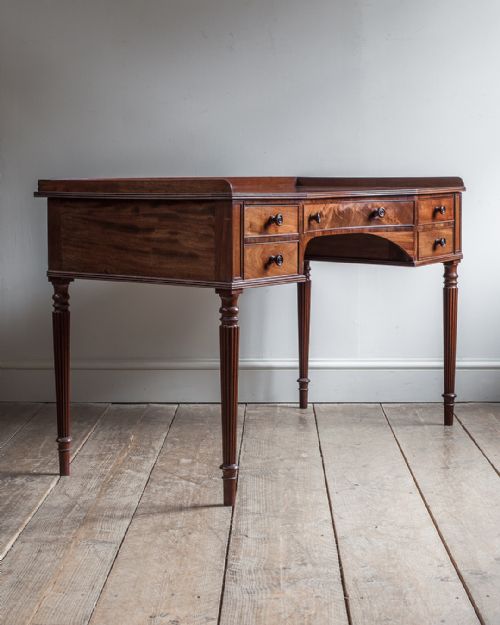
Buyers will encounter both genuine eighteenth-century examples and later revival interpretations from the nineteenth and early twentieth centuries. Forms range from compact pedestal desks to dressing tables and lowboy side tables adapted for writing.
Design and Material Quality
The distinction between tiers rests upon the selection of timbers and the handling of secondary veneers, where figured walnut or flame mahogany elevate an ordinary carcase. Original brasses and untouched patination further separate standard production from superior pieces.
Proportion and scale dictate the success of the form, with smaller desks commanding particular attention for their delicate balance. The crispness of carved details, such as bracket feet or cockbeaded drawer edges, indicates the skill of the original workshop.
Some nineteenth-century gentlemen's dressing chests double up as stealthy writing desks, proving our ancestors loved a clever dual-purpose piece.
The Georgian Kneehole Writing Desk Glossary
- Kneehole
- A central recessed space beneath a desk or table designed to accommodate the legs of a seated person. This architectural feature creates the defining layout for pedestal writing furniture.
- Dovetail
- A joint formed by interlocking wedge-shaped fingers, used extensively in drawer construction for structural strength. It remains a hallmark of traditional cabinetmaking.
- Cockbeading
- A narrow, rounded wooden moulding projecting around the edges of drawer fronts. This detail protects the drawer edges and provides a refined finish.
- Writing Slide
- A pull-out board positioned above the drawers to extend the writing surface without increasing the footprint of the desk. It slides flush into the carcase when not in use.
- Lowboy
- A small dressing or side table with a drawer or drawers, standing on relatively tall legs. Early examples frequently share timber and construction methods with kneehole desks.
Georgian Kneehole Writing Desk: Frequently Asked Questions
What is a kneehole desk?
A kneehole desk is a compact form of writing furniture featuring a central recessed space for the user, flanked by two pedestals of drawers.
These pieces were designed for domestic studies and bedchambers during the eighteenth century, providing organised storage in a minimal floor footprint.
How do I identify a Georgian desk?
Georgian desks are recognised through period timber choices like mahogany and walnut, hand-dovetailed drawer construction, and restrained classical proportions.
They often feature bracket feet, cockbeaded drawer edges, and traditional brass hardware characteristic of eighteenth-century craftsmanship.
Are there later copies of these desks?
Cabinetmakers produced numerous revival pieces during the Victorian and Edwardian eras, copying earlier eighteenth-century forms and proportions.
These later interpretations utilise similar timbers and construction styles, though interior secondary woods and ageing help distinguish them from period originals.
How do I use a kneehole desk today?
These desks suit modern laptop use and correspondence, fitting easily into smaller home offices or living spaces due to their modest dimensions.
The central recess and numerous small drawers assist with organising stationery and everyday items.